Pulling Permanent Teeth: Dental Extraction Explained!
Are you feeling anxious about the thought of pulling a permanent tooth? Don’t worry, we’ve got you covered! In this article, we will demystify the process of dental extraction and explain everything you need to know. From the reasons behind needing a tooth removed to the steps involved in the procedure, we’ll walk you through it all with clarity and confidence. Say goodbye to uncertainty and hello to a clearer understanding of pulling permanent teeth!
Contents
- Pulling Permanent Teeth: Dental Extraction Explained!
- When Is Pulling a Permanent Tooth Necessary?
- Understanding the Tooth Extraction Procedure
- Types of Dental Extraction: Simple vs. Surgical
- Simple Tooth Extraction
- Surgical Tooth Extraction
- Preparation and Aftercare Tips for Tooth Extraction
- Potential Risks and Complications of Tooth Extraction
- Understanding the
- Benefits of Pulling Permanent Teeth When Necessary
- Signs That Indicate the Need for a Tooth Extraction
- Debunking Common Myths About Dental Extractions
- Importance of Regular Dental Check-Ups for Preventing Tooth Extraction
- Wrapping Up
Pulling Permanent Teeth: Dental Extraction Explained!
Dental extraction, also known as pulling a permanent tooth, is a common procedure that is performed by dentists for various reasons. Whether it’s due to severe decay, gum disease, overcrowding, or a misaligned tooth, pulling a permanent tooth may be necessary to maintain oral health.
During the extraction process, the dentist will numb the area surrounding the tooth to minimize pain and discomfort. They will then use special tools to loosen the tooth from its socket before gently removing it. In some cases, stitches may be needed to close the extraction site and promote healing.
It’s important to follow post-extraction care instructions provided by your dentist to ensure proper healing and prevent complications. This may include avoiding certain foods, taking prescribed medications, and practicing good oral hygiene.
While pulling a permanent tooth may sound daunting, rest assured that dentists are highly trained professionals who prioritize patient comfort and safety during procedures. If you have any concerns or questions about dental extraction, don’t hesitate to discuss them with your dentist.

When Is Pulling a Permanent Tooth Necessary?
There are several instances where pulling a permanent tooth becomes necessary for the overall health of your mouth. Here are some common reasons why a dental extraction may be recommended:
- Severe Damage: If a tooth is severely damaged due to decay, trauma, or infection, extraction may be necessary to prevent further complications.
- Overcrowding: In cases where there is not enough room in the mouth for all teeth to properly align, a tooth may need to be pulled to make space.
- Impacted Tooth: When a tooth is unable to fully emerge from the gums, it may become impacted and require extraction to prevent pain and infection.
It’s important to consult with your dentist if you are experiencing any pain, swelling, or other oral issues that may require a dental extraction. Your dentist will be able to assess your specific situation and recommend the best course of action for your dental health.

Understanding the Tooth Extraction Procedure
In the world of dentistry, the tooth extraction procedure is a common but sometimes necessary treatment option for various dental issues. Whether it’s due to severe decay, advanced gum disease, or overcrowding, pulling permanent teeth is a straightforward process that can alleviate pain and prevent further complications.
During a dental extraction, the dentist will carefully numb the area around the tooth to ensure a painless experience. They will then use specialized tools to gently loosen the tooth from its socket before carefully removing it. In some cases, the tooth may need to be sectioned into smaller pieces for easier removal. Once the tooth is out, the dentist will clean the area and provide post-extraction care instructions.
It’s important to follow your dentist’s post-extraction care guidelines to ensure proper healing and minimize the risk of infection. This may include avoiding certain foods, taking prescribed medications, and attending any follow-up appointments. Remember, while the idea of pulling teeth may sound intimidating, it is a routine procedure that can help improve your oral health and overall well-being.

Types of Dental Extraction: Simple vs. Surgical
Having a tooth pulled isn’t anyone’s idea of a good time, but sometimes it’s necessary for your overall oral health. There are two main types of dental extractions: simple and surgical. Each type is used for different situations and requires different procedures. Let’s dive into the key differences between the two to help you understand what to expect.
Simple Tooth Extraction
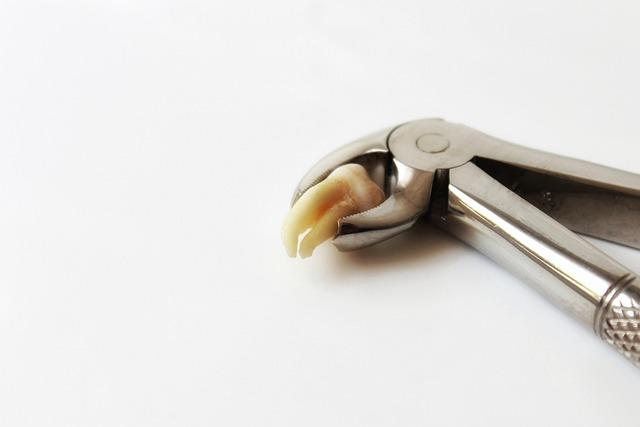
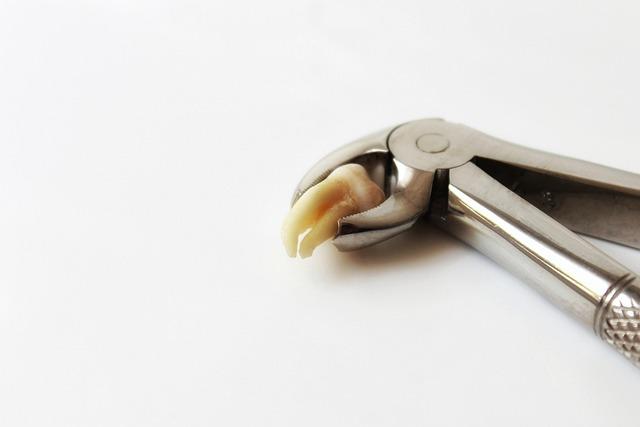
Simple tooth extraction is typically performed on teeth that are visible in the mouth. This procedure is relatively straightforward and is often done with local anesthesia to numb the area. The dentist uses a tool called an elevator to loosen the tooth and then uses forceps to remove it. Simple extractions are commonly used for teeth that are damaged, decayed, or have large cavities.
Surgical Tooth Extraction
Surgical tooth extraction is more complex and is usually reserved for teeth that are impacted or have not fully erupted. This type of extraction may require incisions in the gums and sometimes even the removal of bone around the tooth. Surgical extractions are often done under general anesthesia to ensure the patient’s comfort and safety.

Preparation and Aftercare Tips for Tooth Extraction
Before undergoing a tooth extraction, there are a few important preparation tips to keep in mind. Firstly, make sure to inform your dentist about any medications you are currently taking, as they may need to adjust your dosage before the procedure. It is also advisable to avoid eating or drinking anything for at least eight hours prior to the extraction to prevent any complications during the surgery.
After the tooth extraction, it is crucial to follow the aftercare tips provided by your dentist to ensure a smooth and speedy recovery. Some common aftercare tips include:
- Keeping gauze in place: Bite down on the gauze pad provided by your dentist to help stop the bleeding and promote clot formation.
- Applying ice: Use an ice pack on the affected area to reduce swelling and discomfort.
- Avoiding certain foods: Stick to soft foods and avoid chewing near the extraction site to prevent irritation.
- Taking prescribed medications: Take any painkillers or antibiotics as prescribed by your dentist to manage pain and prevent infection.
Potential Risks and Complications of Tooth Extraction
Understanding the
When it comes to pulling permanent teeth, there are certain risks and complications that patients should be aware of. While dental extractions are generally safe procedures, it’s important to understand what could potentially go wrong.
Some of the include:
- Infections: Infections can occur if bacteria enter the extraction site. Your dentist will prescribe antibiotics to prevent or treat any infections that may arise.
- Dry Socket: This painful condition can develop when the blood clot at the extraction site becomes dislodged, exposing the bone and nerves. Your dentist can provide treatments to alleviate the discomfort.
- Nerve Damage: There is a risk of nerve damage during tooth extraction, which can result in numbness, tingling, or pain in the lips, chin, or tongue. This complication is rare but possible.
| Risks | Complications |
|---|---|
| Infections | Dry Socket |
| Nerve Damage |

Benefits of Pulling Permanent Teeth When Necessary
When it comes to dental health, sometimes pulling a permanent tooth may be necessary to prevent further complications and maintain overall oral health. While the thought of extracting a tooth may seem daunting, there are several benefits to consider:
- Relief from pain: Pulling a damaged or decayed tooth can provide immediate relief from persistent pain and discomfort.
- Prevention of infection: Removing a tooth that is at risk of infection can prevent the spread of bacteria to surrounding teeth and gums.
- Alignment correction: Extracting a crowded or misaligned tooth can help improve the overall alignment of your smile and prevent future oral health issues.
| Benefit | Explanation |
|---|---|
| Relief from pain | Immediate relief from persistent pain and discomfort. |
| Prevention of infection | Prevents the spread of bacteria to surrounding teeth and gums. |
| Alignment correction | Improves the overall alignment of your smile and prevents future oral health issues. |
Ultimately, the decision to pull a permanent tooth should be made in consultation with your dentist to ensure the best possible outcome for your oral health.
Signs That Indicate the Need for a Tooth Extraction
When it comes to dental health, it’s essential to pay attention to any . Ignoring these signs can lead to further complications and discomfort. Here are some common indicators that you may need to have a tooth pulled:
- Severe pain: Persistent and severe tooth pain could be a sign of infection or damage that requires extraction.
- Difficulty chewing: If you experience difficulty or pain when chewing food, it may be due to a damaged or decayed tooth that needs to be extracted.
- Swelling or tenderness: Swelling or tenderness in the gums around a tooth can indicate infection or decay that may require extraction.
| Tooth Extraction | Reason |
|---|---|
| Wisdom teeth | Crowding or impaction |
| Decayed tooth | Infection or damage |
| Broken tooth | Unable to be restored |
If you experience any of these symptoms, it’s crucial to visit your dentist for a thorough examination. They will be able to determine if a tooth extraction is necessary and provide you with the best course of action for your dental health.
Debunking Common Myths About Dental Extractions
There are many misconceptions surrounding dental extractions, especially when it comes to pulling permanent teeth. Let’s clear up some of the most common myths about this procedure:
- Myth: Dental extractions are extremely painful. While it’s natural to feel some discomfort during and after the procedure, modern anesthesia techniques make the process virtually painless. Your dentist will ensure you are comfortable throughout the extraction.
- Myth: You will have a big gap in your smile after a tooth extraction. This is not true! Your dentist can discuss options like dental implants or bridges to fill in the gap left by the extracted tooth, preserving the appearance and function of your smile.
- Myth: Dental extractions are only necessary for severely damaged teeth. In reality, extractions may be recommended for a variety of reasons, such as overcrowding, infection, or to make room for orthodontic treatment. Your dentist will assess your unique situation to determine if an extraction is needed.
- Myth: Dental extractions are always followed by complications. While there is a risk of infection or dry socket after an extraction, following your dentist’s post-operative care instructions can greatly reduce these risks. Most extractions heal quickly and without any issues.

Importance of Regular Dental Check-Ups for Preventing Tooth Extraction
Regular dental check-ups are essential for maintaining good oral health and preventing the need for tooth extraction. By visiting your dentist regularly, you can catch any potential issues early on and address them before they escalate into more serious problems. These check-ups allow your dentist to assess the health of your teeth and gums, identify any signs of decay or infection, and recommend appropriate treatments to preserve your natural teeth.
One of the main reasons why regular dental check-ups are important is that they help prevent the need for tooth extraction. When tooth decay or gum disease is left untreated, it can lead to complications that may require the removal of a tooth. By staying on top of your oral hygiene and attending regular check-ups, you can prevent these issues from progressing to the point where extraction is necessary.
In addition to preventing tooth extraction, regular dental check-ups also help maintain overall oral health. Your dentist can provide professional cleanings to remove plaque and tartar buildup, check for early signs of oral cancer, and offer tailored advice on how to improve your oral hygiene routine. By investing in preventative care now, you can avoid more invasive and costly treatments down the line. Don’t wait until it’s too late – schedule your next dental check-up today!
Wrapping Up
In conclusion, pulling permanent teeth, or dental extraction, is a common procedure that may be necessary for various reasons such as crowding, decay, or infection. It is important to trust your dentist’s recommendation and follow proper post-extraction care to ensure a smooth recovery process. Remember, maintaining good oral hygiene practices is key to preventing the need for tooth extractions in the future. If you have any concerns or questions about dental extraction, don’t hesitate to consult with your dentist for personalized advice. Keep smiling and remember, a healthy smile starts with a healthy mouth!