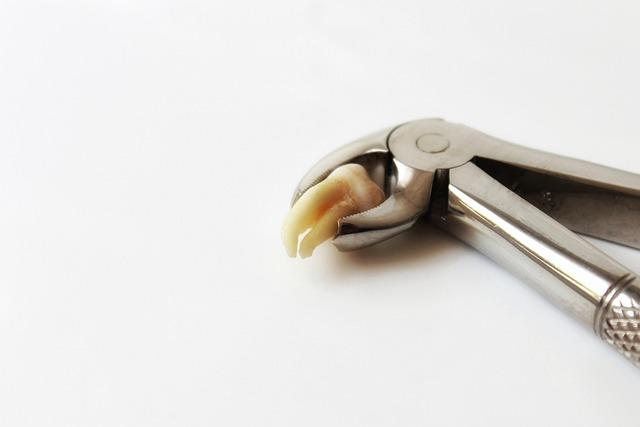
Cost to Get a Tooth Removed: Dental Extraction Expenses
Getting a tooth removed is often necessary for maintaining good oral health, but the cost of the procedure can sometimes be a concern for patients. In this article, we will break down the expenses associated with dental extractions, giving you a clear picture of what to expect when it comes to the cost of getting a tooth removed. Whether you’re facing an upcoming extraction or simply curious about the financial aspects of this common dental procedure, we’ve got you covered.
Contents
- Factors influencing the cost of tooth extraction
- Importance of obtaining quotes from multiple dentists
- Potential additional costs to consider
- Tips for saving money on dental extraction expenses
- Understanding insurance coverage for tooth removal
- Risks associated with delaying tooth extraction
- Variations in cost based on type of extraction
- Finding affordable dental care options for tooth removal
- Post-extraction care and potential expenses
- Importance of seeking professional advice before proceeding with extraction
- To Wrap It Up
Factors influencing the cost of tooth extraction
can vary depending on various factors. One major influencer is the complexity of the extraction itself. For instance, impacted teeth or those with multiple roots may require more time and expertise, thus increasing the overall cost.
Additionally, the location of the tooth in the mouth can also impact the cost. Teeth located in hard-to-reach areas may require specialized tools or techniques, leading to higher expenses. The type of anesthesia used during the procedure can also influence cost, with general anesthesia typically being more expensive than local anesthesia.
Furthermore, the experience and expertise of the dental professional performing the extraction can also play a role in determining the overall cost. More experienced dentists or oral surgeons may charge higher fees for their services compared to less experienced practitioners.
Ultimately, it is important to consult with your dentist or oral surgeon to discuss the specific factors that may influence the cost of your tooth extraction procedure. By understanding these factors, you can better prepare for the financial aspect of getting a tooth removed.
Importance of obtaining quotes from multiple dentists
When it comes to dental procedures, it is crucial to explore all of your options before making a decision. One of the most important steps in this process is obtaining quotes from multiple dentists. Not only does this allow you to compare prices, but it also gives you the opportunity to assess the quality of care and services offered by each provider.
By getting quotes from different dentists, you can get a better understanding of the average cost to get a tooth removed, also known as dental extraction expenses. Pricing for this procedure can vary depending on a variety of factors, including the location of the dentist, the complexity of the extraction, and additional services that may be required.
Another benefit of obtaining quotes from multiple dentists is that it can help you avoid overpaying for a procedure. By shopping around and negotiating prices, you can potentially save a significant amount of money on your dental care. In addition, you can also ensure that you are receiving the best possible treatment at a fair and competitive price.

Potential additional costs to consider
When considering the cost of a tooth extraction, it’s essential to account for potential additional expenses that may arise during the process. While the average cost of a simple tooth extraction can range from $75 to $300 per tooth, there are several factors that could lead to higher costs.
One potential additional cost to consider is the need for anesthesia during the extraction. Depending on the complexity of the extraction and the patient’s pain tolerance, sedation or anesthesia may be required, resulting in an extra charge.
Another factor to keep in mind is the possibility of post-operative complications, such as infection or excessive bleeding. In such cases, additional treatments or medications may be necessary, adding to the overall cost of the procedure.
It’s also important to factor in the cost of any follow-up appointments or treatments that may be needed after the extraction. These could include dental implants, bridges, or dentures to replace the extracted tooth, all of which come with their own associated costs.

Tips for saving money on dental extraction expenses
When it comes to getting a tooth removed, the cost can add up quickly. However, there are ways to save money on dental extraction expenses without sacrificing quality care. Here are some tips to help you keep costs down:
- Shop around for quotes: Don’t be afraid to call multiple dental offices to compare prices for tooth extractions. Prices can vary greatly depending on location and type of practice.
- Consider a dental school: Dental schools often offer discounted rates for procedures, including tooth extractions, as they are performed by students under the supervision of experienced dentists.
- Ask about payment plans: Many dental offices offer payment plans or financing options to help spread out the cost of a tooth extraction over time.
- Check your insurance coverage: Make sure to review your dental insurance policy to see what portion of the cost of a tooth extraction is covered. This could save you money in the long run.

Understanding insurance coverage for tooth removal
When it comes to dental procedures, understanding your insurance coverage for tooth removal is essential to avoid unexpected expenses. Tooth extraction costs can vary depending on various factors, including the type of extraction needed and whether anesthesia is required.
Most dental insurance plans cover a portion of the cost of tooth removal, but the amount of coverage can vary. It’s important to check with your insurance provider to understand what is covered and what out-of-pocket expenses you may incur.
Some key points to consider when it comes to insurance coverage for tooth removal:
- Check if your insurance plan covers extractions and what percentage is covered
- Understand any limitations or exclusions in your coverage
- Ask your dentist to provide a detailed cost estimate before the procedure
- Consider any additional costs, such as anesthesia or follow-up appointments
| Insurance Provider | Coverage Percentage |
|---|---|
| ABC Insurance | 80% |
| XYZ Insurance | 50% |

Risks associated with delaying tooth extraction
Complications Arising from Delayed Tooth Extraction
Delaying tooth extraction can lead to various risks and complications that can impact your oral health in the long run. These risks include:
- Increased pain and discomfort
- Progression of infection
- Damage to surrounding teeth and tissues
- Development of cysts or tumors
It’s important to address tooth extraction in a timely manner to avoid these potential risks and prevent further damage to your oral health. While the cost of getting a tooth removed may be a concern, the consequences of delaying the procedure can be far more costly in the long term.

Variations in cost based on type of extraction
When it comes to the cost of getting a tooth removed, there are various factors that can influence the final price. One significant factor is the type of extraction required. Here are the variations in cost based on the type of extraction:
- Simple Extraction: This type of extraction involves the removal of a tooth that is visible in the mouth. The cost for a simple extraction can range from $75 to $450 per tooth.
- Surgical Extraction: For teeth that are impacted or broken, a surgical extraction may be necessary. The cost for a surgical extraction can range from $150 to $650 per tooth.
- Wisdom Tooth Extraction: Wisdom tooth extraction is a common surgical procedure that can cost between $225 and $800 per tooth, depending on the complexity of the extraction.
| Type of Extraction | Cost Range |
|---|---|
| Simple Extraction | $75 – $450 |
| Surgical Extraction | $150 – $650 |
| Wisdom Tooth Extraction | $225 – $800 |
It’s important to consult with your dentist to determine the type of extraction needed and get an accurate estimate of the cost. Keep in mind that additional factors such as the location of the tooth, the dentist’s experience, and any necessary sedation can also impact the overall cost of the procedure.

Finding affordable dental care options for tooth removal
When facing the need for tooth removal, cost is often a major concern for many individuals. Fortunately, there are various affordable dental care options available that can help alleviate the financial burden associated with dental extraction expenses.
One option to consider is seeking treatment at a dental school clinic. Dental schools often provide discounted services as they offer hands-on experience to students under the supervision of experienced professionals. This can be a cost-effective way to receive quality dental care for tooth removal.
Another affordable alternative is to inquire about payment plans or financing options with your dentist. Many dental offices offer flexible payment arrangements that can help make dental extraction more manageable. Additionally, some dentists may offer sliding scale fees based on income, making it more affordable for those with limited financial resources.
It’s important to explore all available options when seeking affordable dental care for tooth removal. By researching different avenues such as dental school clinics, payment plans, and sliding scale fees, individuals can find a solution that fits their budget while still receiving necessary dental treatment.

Post-extraction care and potential expenses
After getting a tooth removed, it is crucial to follow proper post-extraction care to ensure a smooth recovery process. Here are some tips to help you heal effectively:
- Apply gauze to the extraction site to control bleeding.
- Avoid rinsing your mouth for the first 24 hours.
- Avoid drinking through a straw to prevent dislodging the blood clot.
- Eat soft foods and avoid chewing on the side of the extraction site.
- Take prescribed pain medication as needed.
While the cost of getting a tooth removed can vary depending on the complexity of the extraction and your location, it is essential to be prepared for potential expenses. Here is a breakdown of the typical costs associated with dental extraction:
| Extraction Procedure | $75 – $300 |
| Anesthesia | $50 – $200 |
| Pain Medication | $10 – $50 |
By being informed about , you can better prepare for your dental extraction procedure and ensure a smooth recovery process. Remember to consult with your dentist for personalized care instructions and cost estimates.

Importance of seeking professional advice before proceeding with extraction
When it comes to the cost of getting a tooth removed, it’s essential to understand the . Dental extraction expenses can vary depending on various factors, such as the complexity of the extraction, the location of the tooth, and any potential complications that may arise during the procedure. Here are some key reasons why seeking professional advice is crucial:
- Assessment of the condition: A dentist will be able to assess the condition of your tooth and determine whether extraction is necessary or if there are alternative treatment options available.
- Risk assessment: A professional will be able to evaluate the risks involved in the extraction procedure and provide you with information on how to minimize these risks.
- Cost estimation: By consulting with a dentist, you can get an accurate estimate of the cost of the extraction, including any additional expenses that may arise during or after the procedure.
Overall, seeking professional advice before getting a tooth removed can help ensure a smooth and successful extraction process, as well as provide you with peace of mind knowing that you are in good hands.
To Wrap It Up
In conclusion, the cost of getting a tooth removed can vary depending on various factors such as the type of extraction, location, and insurance coverage. It’s important to consult with your dentist beforehand to understand the potential expenses involved. Remember, taking care of your oral health through regular check-ups and hygiene practices can help prevent the need for costly extractions in the future. Stay informed and proactive about your dental care to keep your smile healthy and happy. Thank you for reading!