Does a Tooth Extraction Remove the Root? Dental Facts Unveiled!
Have you ever wondered what exactly happens during a tooth extraction? Are you curious about whether the root of the tooth is removed along with the visible part? In this article, we will unveil the truth behind dental procedures and answer the age-old question: Does a tooth extraction really remove the root? Get ready to expand your knowledge and discover the facts about dental extractions!
Contents
- Does a Tooth Extraction Remove the Entire Root?
- Understanding the Root Structure of a Tooth
- Potential Consequences of Incomplete Root Removal
- Benefits of Complete Root Extraction
- The Role of Dentists in Ensuring Full Root Removal
- Common Misconceptions about Tooth Extraction and Root Removal
- Debunking Common Myths
- Guidelines for Proper Post-Extraction Care
- Long-Term Impact of Incomplete Root Removal
- Key Factors to Consider Before Getting a Tooth Extraction
- Seeking Professional Guidance for Root Extraction Concerns
- To Wrap It Up
Does a Tooth Extraction Remove the Entire Root?
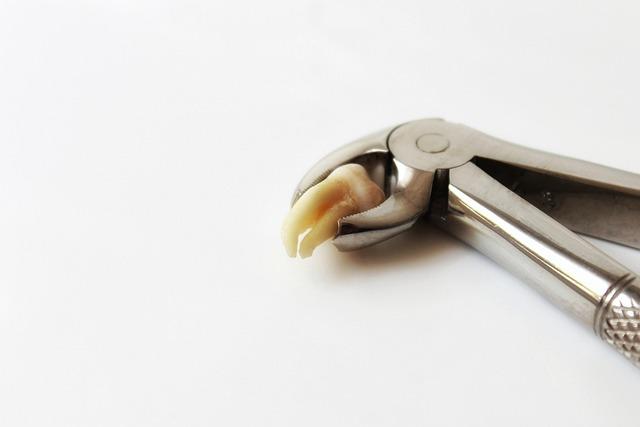
During a tooth extraction procedure, it is not uncommon for the entire root of the tooth to be removed. However, there are instances where the entire root may not be extracted, depending on the complexity of the case and the condition of the tooth. Dentists always aim to extract the entire tooth, including the root, to prevent any potential complications in the future.
When a tooth is extracted, the dentist will first loosen the tooth from the surrounding ligaments and tissues before carefully removing it from the socket. The root of the tooth is firmly embedded in the jawbone, so special tools and techniques are used to ensure the entire root is extracted. In some cases, if the root is fractured or damaged, it may not be possible to remove it entirely.
It is essential to follow post-extraction care instructions provided by your dentist to promote proper healing and prevent any complications. In cases where the entire root was not removed during the extraction, your dentist will closely monitor the area to ensure proper healing and address any concerns that may arise. Remember, always consult with your dentist if you have any questions or concerns about your tooth extraction procedure.

Understanding the Root Structure of a Tooth
When it comes to , there are a few important facts to keep in mind. One common misconception is whether a tooth extraction removes the root entirely. In reality, during a tooth extraction, only the crown of the tooth is removed, leaving the root intact in the jawbone.
It’s important to note that the root structure of a tooth plays a crucial role in maintaining the health and stability of surrounding teeth. The roots anchor the tooth firmly in place and help support the jawbone, preventing bone loss over time. Without the root structure, adjacent teeth may shift, leading to misalignment and further dental problems.
Key Points to Remember:
- The root of a tooth is not removed during a standard tooth extraction.
- The root structure of a tooth is essential for maintaining oral health and preserving jawbone density.
- Proper care and maintenance of the root structure can help prevent future dental issues.
| Tooth Component | Function |
|---|---|
| Crown | Chewing and biting food |
| Root | Anchoring tooth in jawbone |
| Supporting jawbone density | Preventing bone loss |

Potential Consequences of Incomplete Root Removal
When a tooth extraction is performed, it is crucial that the entire root of the tooth is removed to prevent potential complications. If even a small portion of the root is left behind, it can lead to various issues such as:
- Persistent pain and discomfort
- Increased risk of infection
- Delayed healing process
- Formation of a painful dental cyst
It is important to consult with a qualified dentist or oral surgeon to ensure that the entire root is successfully removed during a tooth extraction procedure. Failure to do so can result in long-term consequences that may require further treatment to address.
| Consequence | Impact |
|---|---|
| Persistent pain | Discomfort and decreased quality of life |
| Risk of infection | Complications and need for antibiotics |
| Delayed healing | Prolonged recovery time |
| Dental cyst formation | Painful condition requiring additional treatment |

Benefits of Complete Root Extraction
When it comes to tooth extraction, complete root extraction is crucial for ensuring optimal oral health. Leaving any part of the root behind can lead to a variety of complications, including infection and discomfort. By fully removing the root, dentists can prevent future issues and promote faster healing.
Here are some of the key :
- Prevents infection: Removing the entire root eliminates the risk of infection spreading to neighboring teeth or gum tissue.
- Promotes healing: With the root fully extracted, the body can heal more effectively, reducing pain and swelling in the area.
- Prevents future problems: By removing the entire root, dentists can prevent issues like abscesses or complications with dental implants down the road.
| Benefit | Description |
|---|---|
| Prevents infection | Removes the risk of infection spreading |
| Promotes healing | Speeds up the healing process |
| Prevents future problems | Reduces the likelihood of complications |

The Role of Dentists in Ensuring Full Root Removal
When it comes to tooth extractions, many people wonder if the full root is removed along with the tooth. The role of dentists is crucial in ensuring that the entire root is properly extracted to prevent future dental issues. Here are some important facts to consider:
- Dentists use specialized tools: Dentists are equipped with specialized tools designed to gently and efficiently remove the entire tooth, including the root.
- Root canal treatment: In some cases, a root canal may be necessary to fully remove the infected or damaged root of a tooth.
- Preventing infections: By ensuring that the full root is removed during a tooth extraction, dentists help prevent infections and other complications that can arise if any part of the root is left behind.
| Tooth Extraction | Root Removal |
|---|---|
| Process of removing a tooth from the socket. | Ensures complete removal of the root to prevent future issues. |
| Done under local anesthesia. | Requires precision and expertise. |
| Followed by post-extraction care instructions. | Plays a crucial role in oral health. |

Common Misconceptions about Tooth Extraction and Root Removal
Debunking Common Myths
One of the most prevalent misconceptions about tooth extraction is that it automatically removes the entire root of the tooth. In reality, a tooth extraction typically involves the removal of the visible portion of the tooth above the gum line, known as the crown. While the roots of the tooth are anchored firmly in the jawbone, they may need to be separately extracted in certain cases.
Another misconception is that root removal is a painful and complicated process. While root extraction can be more complex than a simple tooth extraction, advancements in dentistry have made the procedure relatively straightforward and virtually pain-free. Dentists use specialized tools and techniques to carefully remove the roots while ensuring minimal discomfort for the patient.
- Fact: A tooth extraction typically removes the crown of the tooth, not the entire root.
- Fact: Root removal is a manageable procedure that can be performed with minimal pain.

Guidelines for Proper Post-Extraction Care
After a tooth extraction, it is important to follow proper post-extraction care guidelines to ensure a smooth and uncomplicated healing process. One common misconception is that a tooth extraction removes the entire tooth, including the root. However, in most cases, only the visible part of the tooth is removed, leaving the root intact.
**:**
– **Bite on the Gauze:** Bite down gently on the gauze pad provided by your dentist to help control bleeding. Change the gauze every 30-45 minutes or as needed.
– **Avoid Rinsing:** Do not rinse your mouth on the day of the extraction to allow the blood clot to form and help with the healing process.
– **Take Pain Medication:** Take any prescribed pain medication as directed by your dentist to manage any discomfort following the extraction.
– **Eat Soft Foods:** Stick to soft foods like yogurt, soup, and mashed potatoes for the first few days to avoid disturbing the extraction site.
Remember to follow these guidelines diligently to promote proper healing and prevent any complications after your tooth extraction. If you experience excessive bleeding, severe pain, or any other concerning symptoms, contact your dentist immediately for further instructions.
Long-Term Impact of Incomplete Root Removal
When it comes to tooth extractions, many patients may not realize that simply pulling out a tooth does not always remove the entire root. In cases where the root is not fully extracted, there can be long-term consequences that impact your oral health. Let’s uncover the facts about incomplete root removal and how it can affect you:
- Residual Infection: If even a small portion of the root remains in the socket after extraction, it can lead to a persistent infection that can cause pain, swelling, and other complications.
- Delayed Healing: Incomplete root removal can impede the healing process, prolonging discomfort and potentially leading to further dental issues.
- Bone Loss: A leftover root fragment can trigger bone loss in the jaw, which can weaken the surrounding teeth and affect the overall structure of your mouth.
| Consequence | Effect |
|---|---|
| Residual Infection | Persistent pain and swelling |
| Delayed Healing | Prolonged discomfort |
| Bone Loss | Weakened jaw structure |

Key Factors to Consider Before Getting a Tooth Extraction
Before getting a tooth extraction, there are several key factors that you should consider to ensure you make an informed decision.
- Consultation with a dentist or oral surgeon is crucial to assess the condition of your tooth and determine if extraction is necessary.
- Understand the reasons for the extraction, whether it is due to severe decay, infection, crowding, or a damaged tooth.
- Discuss alternative treatments with your dentist, such as root canal therapy, to preserve the tooth and its root if possible.
- Consider the potential risks and complications associated with the extraction, such as bleeding, infection, or nerve damage.
It is important to weigh these factors carefully and seek professional advice to make the best decision for your dental health.

Seeking Professional Guidance for Root Extraction Concerns
When it comes to concerns about root extraction during a tooth extraction, seeking professional guidance is crucial. Many people wonder whether a tooth extraction really removes the root of the tooth. Let’s unveil the dental facts surrounding this common query.
Contrary to popular belief, a tooth extraction typically does remove the entire tooth, including the root. Dentists are trained to ensure that the entire tooth structure is safely removed to prevent any future complications. However, there are some instances where part of the root may remain, especially if the tooth is fractured or impacted.
To address any concerns about root extraction during a tooth extraction procedure, it’s important to consult with a dental professional. They can provide personalized guidance and insights based on your specific situation. By seeking expert advice, you can ensure that your tooth extraction is performed effectively and safely.
To Wrap It Up
In conclusion, it’s clear that a tooth extraction does indeed remove the entire tooth, including the root. Understanding the process can help alleviate any fears or concerns you may have about undergoing this common dental procedure. Remember to always consult with your dentist for personalized advice and care. By staying informed about dental facts, you can ensure optimal oral health and well-being. So go ahead, schedule that extraction with confidence, knowing that your root will indeed be taken care of. Stay informed, stay confident, and keep smiling!