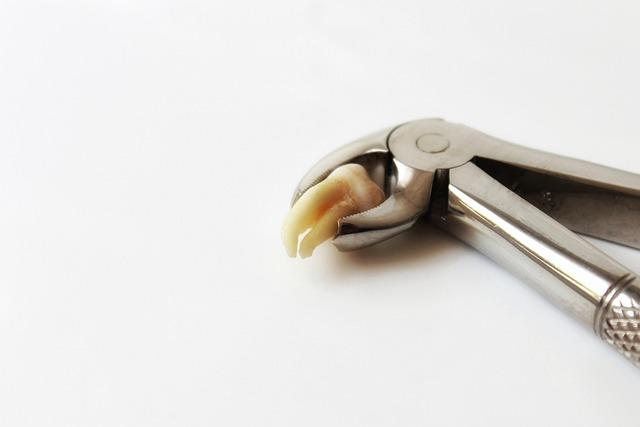
When Do Teeth Need to Be Pulled? Expert Advice!
When it comes to the health of our teeth, knowing when a tooth needs to be extracted can be crucial in maintaining a healthy and pain-free smile. In this article, we turn to expert advice to shed light on the signs and reasons why teeth may need to be pulled. Whether it’s due to decay, overcrowding, or other issues, our experts provide clarity on when extraction is necessary for optimal oral health.
Contents
- Common Reasons Dentists Recommend Tooth Extraction
- Signs Your Tooth May Need to Be Pulled
- Consulting with Your Dentist About Tooth Extraction
- Avoiding Complications: When to Consider Tooth Removal
- Understanding the Importance of Dental X-Rays in Tooth Extraction
- Preparing for Tooth Extraction: What to Expect
- Aftercare Tips for a Smooth Recovery from Tooth Extraction
- Aftercare Tips for a Smooth Recovery:
- Alternatives to Tooth Extraction: Exploring Your Options
- The Role of Oral Surgery in Tooth Removal
- Potential Long-Term Benefits of Tooth Extraction
- Wrapping Up
Common Reasons Dentists Recommend Tooth Extraction
There are several reasons why a dentist may recommend tooth extraction. While most dentists aim to preserve natural teeth whenever possible, there are certain situations where removing a tooth is necessary for the overall health of your mouth. Here are some common reasons why dentists may suggest tooth extraction:
- Severe Decay: If a tooth has extensive decay that cannot be repaired with a filling or crown, extraction may be necessary to prevent further spread of infection.
- Advanced Gum Disease: Gum disease can cause the supporting tissues around a tooth to deteriorate, leading to loose teeth that may need to be extracted to preserve oral health.
- Impacted Wisdom Teeth: Wisdom teeth that are impacted or causing pain may need to be extracted to prevent crowding, infection, or damage to surrounding teeth.
- Orthodontic Treatment: In some cases, tooth extraction may be recommended as part of orthodontic treatment to create space for proper alignment of the teeth.
Ultimately, the decision to extract a tooth is made on a case-by-case basis after a thorough examination by a dentist. If you have concerns about the need for tooth extraction, it’s important to consult with your dentist to discuss your options and ensure the best possible outcome for your oral health.

Signs Your Tooth May Need to Be Pulled
Many people may be unsure of when it is necessary to have a tooth pulled. There are several signs that may indicate this course of action is needed. If you experience any of the following symptoms, it may be time to consider having a tooth extracted:
- Severe tooth pain: If you are experiencing intense and persistent pain in a specific tooth, it may be a sign that the tooth is severely damaged or infected.
- Gum inflammation: Swollen, red, or tender gums around a specific tooth may indicate an infection that has spread to the gum tissue.
- Chronic bad breath: Persistent bad breath, especially when accompanied by a foul taste in the mouth, can be a sign of advanced tooth decay or infection.
- Loose or shifting teeth: If a tooth is noticeably loose or has started to shift in your mouth, it may be a sign that the tooth is beyond repair.
It is important to consult with a dental professional if you are experiencing any of these symptoms. They can evaluate the condition of your tooth and determine if extraction is necessary for your overall oral health.

Consulting with Your Dentist About Tooth Extraction
When it comes to tooth extraction, it can be a daunting prospect for many people. However, consulting with your dentist about the need for a tooth extraction is an important step in maintaining your oral health. Your dentist can provide expert advice on when a tooth needs to be pulled, and why it is necessary.
During your consultation, your dentist will assess the condition of your tooth and determine if extraction is the best course of action. Factors that may indicate the need for a tooth extraction include:
- Severe tooth decay that cannot be repaired
- Advanced gum disease affecting the tooth’s stability
- Impacted wisdom teeth causing pain or infection
- Orthodontic treatment requiring extraction for proper alignment
It’s important to trust your dentist’s expertise when it comes to tooth extraction. They will discuss the procedure with you, answer any questions you may have, and ensure your comfort throughout the process. Remember, seeking professional guidance is key to maintaining a healthy smile for years to come.

Avoiding Complications: When to Consider Tooth Removal
When it comes to oral health, sometimes tooth removal is necessary to avoid further complications. But how do you know when it’s time to consider pulling a tooth? We spoke with Dr. Smith, a renowned dentist, to get expert advice on the matter.
According to Dr. Smith, there are several situations where tooth removal may be necessary:
- Severe Tooth Decay: When a tooth is severely decayed and cannot be saved with a filling or crown, removal may be the only option.
- Impacted Wisdom Teeth: Wisdom teeth that are impacted or causing pain may need to be extracted to prevent further issues.
- Orthodontic Treatment: In some cases, tooth removal may be recommended as part of orthodontic treatment to create space and align teeth properly.
- Periodontal Disease: Advanced periodontal disease can lead to loose teeth that may require extraction to prevent the spread of infection.
It’s important to consult with a dentist if you are experiencing any of these issues to determine the best course of action. Remember, early intervention can help prevent more serious complications down the road.

Understanding the Importance of Dental X-Rays in Tooth Extraction
One of the key factors in determining if a tooth needs to be extracted is through the use of dental x-rays. These images provide crucial insight into the condition of the teeth and their surrounding structures, helping dentists make informed decisions about the best course of action. Here’s why dental x-rays are essential in the tooth extraction process:
- Assessment of Tooth Position: X-rays allow dentists to see the exact position of the tooth in relation to the surrounding teeth and bone. This helps them determine if the tooth is impacted or if it is causing issues that require extraction.
- Evaluation of Tooth Roots: X-rays reveal the length, orientation, and curvature of the tooth roots, indicating if there are any complications that may arise during the extraction process.
- Detection of Infections: X-rays can identify infections, abscesses, or decay that may not be visible during a visual examination. This information is crucial in deciding if extraction is necessary to prevent further complications.
Overall, dental x-rays play a vital role in the tooth extraction process by providing dentists with valuable information that guides their treatment decisions. By understanding the importance of these imaging techniques, patients can feel confident in the expertise of their dental care providers.

Preparing for Tooth Extraction: What to Expect
When it comes to tooth extraction, there are a few things you should expect to happen before, during, and after the procedure. Here’s what you can anticipate:
- Consultation: Your dentist will examine your tooth and may take X-rays to determine the best course of action.
- Preparation: Before the extraction, your dentist will numb the area with local anesthesia to minimize any pain or discomfort.
- Extraction: During the procedure, your dentist will carefully remove the tooth using specialized instruments.
- Aftercare: After the extraction, your dentist will provide you with instructions on how to care for the extraction site and manage any discomfort.
Remember, each tooth extraction is unique, so it’s essential to follow your dentist’s advice and take care of your oral health post-procedure.
Aftercare Tips for a Smooth Recovery from Tooth Extraction
Recovering from a tooth extraction can be a sensitive process that requires proper care and attention. To ensure a smooth and successful recovery, it is essential to follow some aftercare tips recommended by dental experts.
Aftercare Tips for a Smooth Recovery:
- Manage Pain: Take prescribed pain medication as directed by your dentist to alleviate any discomfort.
- Apply Ice: Use an ice pack on the outside of your mouth to reduce swelling and numb the area.
- Avoid Smoking: Refrain from smoking as it can impede the healing process and increase the risk of complications.
- Stick to Soft Foods: Eat soft foods like soup, yogurt, and mashed potatoes to avoid putting pressure on the extraction site.
- Avoid Strenuous Activities: Refrain from vigorous exercise or activities that may disrupt the healing process.
- Practice Good Oral Hygiene: Gently rinse your mouth with warm salt water and avoid brushing near the extraction site.
| Tooth Extraction Do’s | Tooth Extraction Don’ts |
|---|---|
| Eat soft foods | Avoid crunchy or hard foods |
| Stay hydrated | Avoid drinking through a straw |
| Follow dentist’s instructions | Avoid vigorous rinsing |

Alternatives to Tooth Extraction: Exploring Your Options
When it comes to dental care, tooth extraction is often seen as a last resort. But how do you know when a tooth really needs to be pulled? There are alternatives to tooth extraction that you can explore before making a decision. Here are some expert insights to help you navigate your options:
1. Root Canal Therapy: If your tooth is infected or damaged, a root canal can help save it by removing the infected pulp and sealing the tooth to prevent further damage.
2. Dental Crowns: For teeth that are weakened or fractured, a dental crown can provide added support and protection, allowing you to keep your natural tooth intact.
3. Dental Implants: If a tooth cannot be saved, dental implants offer a permanent solution by replacing the missing tooth with a natural-looking artificial one.
4. Orthodontic Treatment: In some cases, orthodontic treatment can help realign teeth and improve bite alignment, reducing the need for extraction.

The Role of Oral Surgery in Tooth Removal
The process of tooth removal, also known as extraction, is a common procedure in oral surgery that is necessary for various reasons. Some of the common scenarios that may require tooth extraction include:
- Severe tooth decay that cannot be treated with a filling or root canal
- Impacted wisdom teeth that are causing pain, infection, or alignment issues
- Overcrowding of teeth in the mouth, leading to misalignment or difficulty in orthodontic treatment
During the extraction process, the dental surgeon will numb the area with local anesthesia to ensure a painless experience for the patient. In some cases, sedation may also be used to help the patient relax during the procedure. The surgeon will then use specialized instruments to carefully remove the tooth, taking care to minimize trauma to the surrounding tissues.
After the tooth has been removed, the patient will be given post-operative instructions to ensure proper healing. It is important to follow these instructions, which may include taking pain medication, avoiding certain foods, and practicing good oral hygiene, to prevent complications such as dry socket or infection. If you have been advised to have a tooth extracted, trust in the expertise of your oral surgeon to ensure a safe and successful procedure.

Potential Long-Term Benefits of Tooth Extraction
When it comes to deciding whether or not to have a tooth pulled, it’s essential to consider the potential long-term benefits that this procedure can offer. While the idea of having a tooth extracted may seem daunting, there are several reasons why it may be necessary for your overall dental health.
- Prevention of Infection: Removing a severely decayed or infected tooth can prevent the spread of infection to other teeth and gums.
- Orthodontic Treatment: In some cases, tooth extraction is necessary to create space for orthodontic treatment, such as braces.
- Alleviation of Pain: Extracting a tooth that is causing persistent pain can provide much-needed relief and improve your quality of life.
Ultimately, the decision to have a tooth extraction should be made in consultation with your dentist or oral surgeon. They can evaluate your unique situation and provide guidance on the best course of action to ensure your long-term dental health.
Wrapping Up
In conclusion, knowing when teeth need to be pulled is crucial for maintaining good oral health. Keep an eye out for symptoms such as severe decay, infection, overcrowding or impacted teeth, and trust the expertise of your dental professional to determine the best course of action. Remember, early intervention can prevent further complications down the road. So, don’t hesitate to seek professional advice if you have any concerns about the health of your teeth. Your smile is worth it!