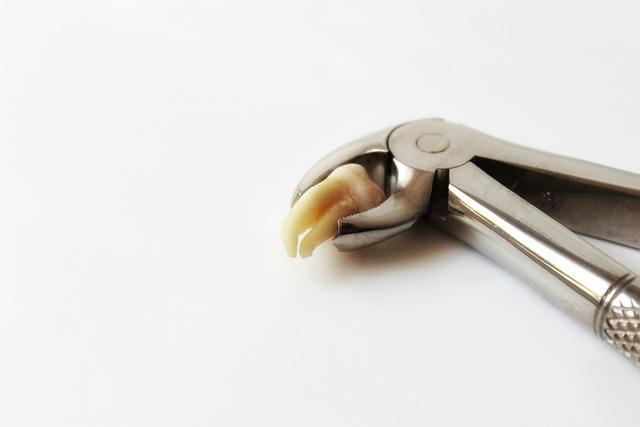
How Long Does the Pain Last After Removing a Tooth? Pain Management Tips
Have you just had a tooth removed and are wondering how long the pain will last? Look no further! In this article, we will explore the duration of pain after tooth extraction and provide expert tips on pain management to help you through the recovery process. So sit back, relax, and let’s get started on your journey to a pain-free smile.
Contents
- How Long Does Post-Tooth Extraction Pain Typically Last?
- Understanding the Factors That Influence Post-Tooth Extraction Pain Duration
- Important Pain Management Tips After Tooth Removal
- Recommended Over-the-Counter Pain Relief Medications
- Over-the-Counter Pain Relief Medications
- Natural Remedies for Alleviating Tooth Extraction Pain
- Effective Strategies for Reducing Swelling and Discomfort
- Careful Eating and Drinking Habits to Minimize Pain After Tooth Extraction
- Maintaining Proper Oral Hygiene to Promote Healing and Pain Relief
- Knowing When to Seek Professional Help for Persistent Tooth Extraction Pain
- In Conclusion
How Long Does Post-Tooth Extraction Pain Typically Last?
Understanding Post-Tooth Extraction Pain Duration
After undergoing a tooth extraction, it is normal to experience some degree of pain and discomfort. The duration of post-tooth extraction pain can vary depending on several factors, including the complexity of the extraction, the individual’s pain tolerance, and how well they follow post-operative care instructions. In most cases, the pain typically peaks within the first 24 to 72 hours after the procedure and gradually subsides over the next few days to a week.
It is important to note that everyone’s pain threshold is different, and some individuals may experience lingering discomfort for up to two weeks. However, if you are still experiencing severe or prolonged pain beyond this time frame, it is essential to contact your dentist or oral surgeon for further evaluation.
Effective Pain Management Tips After Tooth Extraction
- Take prescribed pain medication: Your dentist or oral surgeon may prescribe pain relievers to help manage discomfort. It is crucial to take these medications as directed to ensure adequate pain relief.
- Apply ice packs: To reduce swelling and alleviate pain, apply an ice pack to the affected area for 15-20 minutes at a time, with breaks in between.
- Follow proper oral hygiene: Gentle brushing and rinsing with saltwater can help prevent infection and promote healing. Be sure to avoid vigorous rinsing or spitting during the first 24 hours.
- Stick to soft foods: While recovering, opt for soft foods that are easy to chew and swallow to prevent irritation to the extraction site.

Understanding the Factors That Influence Post-Tooth Extraction Pain Duration
After a tooth extraction, it’s common to experience some level of pain and discomfort. The duration of post-tooth extraction pain can vary depending on a variety of factors. Understanding these factors can help you manage your pain effectively and know what to expect during the recovery process.
- Type of Extraction: The complexity of the extraction procedure can impact the level of pain experienced afterwards. Simple extractions typically result in less pain compared to surgical extractions.
- Number of Teeth Extracted: Removing multiple teeth at once may result in more pain and a longer recovery time compared to extracting a single tooth.
- Individual Pain Tolerance: Each person’s pain tolerance is different, so some individuals may experience more or less pain than others after a tooth extraction.
- Follow-Up Care: Proper post-extraction care, such as following your dentist’s instructions for pain management and oral hygiene, can help reduce pain and promote faster healing.
| Pain Duration | Factors |
|---|---|
| 1-3 days | Simple extraction |
| 3-7 days | Surgical extraction, multiple teeth extracted |
| Up to 10 days | Complications, individual pain tolerance |

Important Pain Management Tips After Tooth Removal
After having a tooth removed, it is common to experience some level of pain and discomfort. But how long does this pain typically last? The duration of pain can vary from person to person, but generally, you can expect to feel soreness and discomfort for a few days up to a week after the procedure.
Here are some important pain management tips to help you navigate through this period:
- Take pain medication as prescribed: Your dentist may recommend over-the-counter pain relievers such as ibuprofen or acetaminophen to help manage the pain. Make sure to follow their instructions closely.
- Apply ice packs: Placing an ice pack on the outside of your cheek for 15-20 minutes at a time can help reduce swelling and numb the area, providing some relief from pain.
- Avoid certain foods: Stick to soft, easy-to-chew foods that won’t irritate the extraction site. Avoid hot liquids and crunchy or sticky foods that can cause discomfort.
- Keep the area clean: Follow your dentist’s instructions on how to clean the extraction site to prevent infection and promote healing.
| Pain Management Tip | Importance |
|---|---|
| Take pain medication | High |
| Apply ice packs | Medium |
| Avoid certain foods | Medium |
| Keep the area clean | High |

Recommended Over-the-Counter Pain Relief Medications
Over-the-Counter Pain Relief Medications
After having a tooth removed, it is common to experience some level of pain and discomfort. While the duration and intensity of the pain can vary from person to person, there are several over-the-counter pain relief medications that can help manage the discomfort. Here are some recommended options:
- Ibuprofen (Advil, Motrin) – Helps reduce inflammation and pain.
- Acetaminophen (Tylenol) – Helps relieve pain and reduce fever.
- Aspirin – Helps with pain relief and reducing inflammation.
It is important to follow the dosing instructions on the packaging and consult with a healthcare professional if you have any questions or concerns about which medication is best for you. Always remember to never exceed the recommended dosage to avoid any potential side effects.

Natural Remedies for Alleviating Tooth Extraction Pain
When it comes to alleviating the pain after having a tooth extracted, natural remedies can be very effective in helping manage discomfort. While some level of pain is normal after a tooth extraction, there are several ways to help reduce the intensity and duration of the pain. Below are some natural remedies you can try:
- Cold Compress: Applying a cold compress to the outside of your cheek can help reduce swelling and numb the area, providing relief from pain.
- Warm Salt Water Rinse: Gargling with warm salt water can help reduce inflammation and promote healing in the extraction site.
- Clove Oil: Clove oil has natural numbing properties and can be applied to the gums near the extraction site to help relieve pain.
- Soft Foods: Avoiding hard, crunchy foods and sticking to a soft diet can help prevent further irritation to the extraction site and reduce pain.
It is important to follow post-extraction care instructions provided by your dentist and consult with them if you experience severe or prolonged pain. By incorporating these natural remedies into your pain management routine, you can help make the recovery process more comfortable and efficient.

Effective Strategies for Reducing Swelling and Discomfort
After having a tooth removed, it is common to experience some swelling and discomfort. Luckily, there are several effective strategies that can help alleviate these symptoms and promote faster healing. Here are some tips to manage pain and reduce swelling:
- Apply ice: Place an ice pack on the cheek near the extraction site to help reduce swelling and numb any pain.
- Take pain medication: Over-the-counter pain relievers like ibuprofen can help alleviate any discomfort. Follow the recommended dosage on the label.
- Rest and elevate your head: Take it easy and prop your head up with pillows to help reduce swelling.
- Use a saltwater rinse: Mix warm water with salt and gently rinse your mouth to help reduce bacteria and promote healing.
| Food to Avoid | Food to Include |
|---|---|
| Hard and crunchy foods | Soft foods like mashed potatoes, yogurt, and soup |
| Spicy and acidic foods | Blended smoothies and fresh fruit juices |
By following these strategies and tips, you can help manage pain, reduce swelling, and promote a faster recovery after having a tooth removed. Remember to follow your dentist’s post-extraction care instructions for the best results.

Careful Eating and Drinking Habits to Minimize Pain After Tooth Extraction
After having a tooth extracted, it’s common to experience some level of pain and discomfort. While the duration of pain can vary from person to person, it typically lasts for a few days to a week. To help manage and minimize the pain after a tooth extraction, it’s important to practice careful eating and drinking habits. Here are some tips to help you navigate this period with as little discomfort as possible:
- Avoid hot foods and drinks: Hot temperatures can exacerbate the pain and swelling, so stick to room temperature or cold items.
- Soft foods: Opt for soft foods that require minimal chewing, such as smoothies, yogurt, mashed potatoes, and soup.
- Limit acidic foods: Acidic foods can irritate the extraction site, so try to avoid citrus fruits and vinegar-based dressings.
- Gentle rinsing: Rinse your mouth gently with warm salt water to help keep the area clean and promote healing.
Following these careful eating and drinking habits can go a long way in minimizing the pain and discomfort after a tooth extraction. Remember to follow any specific post-operative instructions provided by your dentist or oral surgeon for the best results.
Maintaining Proper Oral Hygiene to Promote Healing and Pain Relief
Maintaining proper oral hygiene after having a tooth removed is crucial for promoting healing and pain relief. The pain experienced after a tooth extraction can vary from person to person, but typically lasts for a few days to a week. It is important to take steps to manage the pain effectively during this time.
Here are some pain management tips to help you through the healing process:
– **Take over-the-counter pain medications** such as ibuprofen or acetaminophen as recommended by your dentist to help alleviate discomfort.
– **Apply a cold compress** to the outside of your cheek near the extraction site to reduce swelling and numb the area.
– **Avoid hot and spicy foods** that can irritate the extraction site and cause further discomfort.
– **Rinse your mouth gently** with warm salt water a few times a day to help keep the area clean and reduce the risk of infection.
By following these tips and maintaining good oral hygiene practices, you can promote healing, alleviate pain, and ensure a smooth recovery process after having a tooth removed.
Knowing When to Seek Professional Help for Persistent Tooth Extraction Pain
If you have recently undergone a tooth extraction procedure, you may be experiencing some pain and discomfort in the days following the surgery. It is normal to have some level of pain after a tooth extraction, but it’s important to know when the pain is becoming too severe and when to seek professional help.
Here are some signs that indicate you may need to seek professional help for persistent tooth extraction pain:
- The pain is getting worse instead of improving over time.
- You are experiencing severe and unmanageable pain that is not relieved by over-the-counter medications.
- You are experiencing other symptoms such as swelling, bleeding, or signs of infection.
It’s important to remember that everyone’s pain tolerance is different, and what may be manageable for one person may be unbearable for another. Trust your instincts and seek help if you feel that the pain is becoming too much to handle.
In Conclusion
In conclusion, the pain after having a tooth removed can vary from person to person, but typically lasts for a few days to a week. By following the pain management tips discussed in this article, such as taking pain medication as prescribed, using ice packs, and avoiding hard foods, you can help alleviate discomfort and promote healing. Remember to consult with your dentist for personalized advice and always prioritize your oral health. Stay proactive in your recovery process and don’t hesitate to reach out for additional support if needed. Take care of yourself and stay informed!