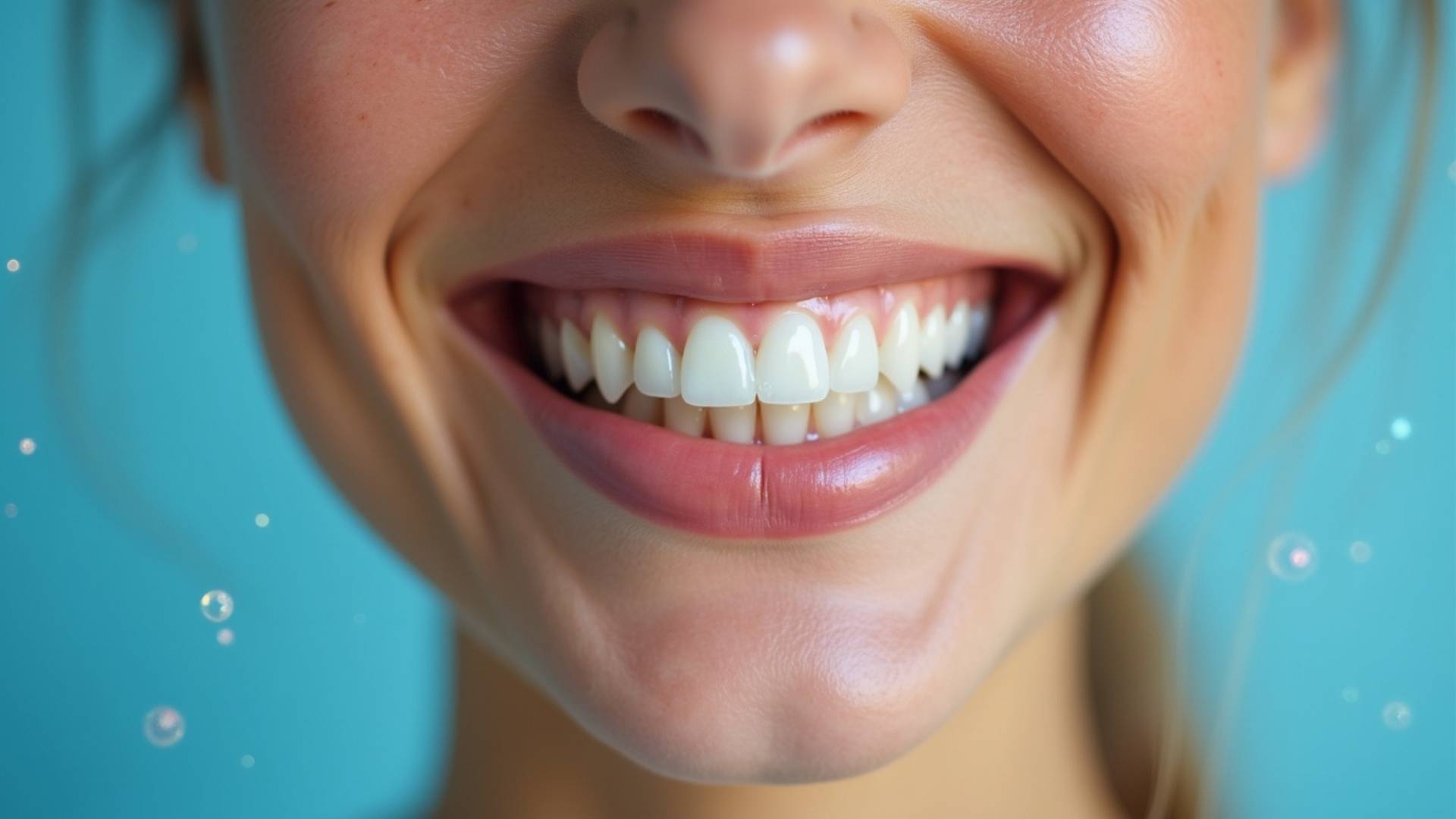
Floss Trick to Remove Tooth: Dental Hygiene Tips
Do you struggle with getting rid of those pesky food particles stuck between your teeth? Look no further – we have a simple yet effective floss trick that will have your teeth feeling squeaky clean in no time. In this article, we will dive into the world of dental hygiene and share with you some expert tips for maintaining a healthy smile. Say goodbye to stubborn plaque and hello to a brighter, fresher mouth!
Contents
- The Importance of Proper Dental Hygiene
- How Flossing Can Help Maintain Healthy Teeth and Gums
- Tips for Using Floss to Remove Food Particles and Plaque
- Choosing the Right Type of Floss for Your Needs
- Step-by-Step Guide to Using Floss for Tooth Removal
- Common Mistakes to Avoid When Flossing
- Benefits of Regular Flossing for Overall Oral Health
- Professional Recommendations for Effective Flossing Techniques
- Innovative Flossing Tools and Techniques for Enhanced Dental Hygiene
- In Retrospect
The Importance of Proper Dental Hygiene
Having proper dental hygiene is essential for maintaining a healthy mouth and preventing various oral health issues. One important aspect of dental hygiene is flossing, as it helps remove plaque and food particles from between the teeth. But did you know that flossing can also help in removing a loose tooth?
One trick you can try is to gently floss around the base of the loose tooth and then give it a slight tug with the floss. This can help dislodge the tooth and make it easier to remove. Remember, it’s always best to consult with your dentist before attempting to remove a tooth on your own.
In addition to flossing, brushing your teeth at least twice a day and using mouthwash can also help prevent tooth decay and gum disease. Visiting your dentist regularly for check-ups and cleanings is also important in maintaining good oral health.
So remember, proper dental hygiene is not only important for your overall health, but it can also come in handy when dealing with a loose tooth. Take care of your teeth, and they’ll take care of you!

How Flossing Can Help Maintain Healthy Teeth and Gums
Proper flossing techniques
Flossing is an essential part of maintaining healthy teeth and gums. When done correctly, flossing can remove plaque and food particles that your toothbrush might miss. To ensure you are flossing effectively, follow these tips:
- Use about 18 inches of floss.
- Wrap the floss around your middle fingers, leaving about 1-2 inches to work with.
- Gently slide the floss between your teeth, curving it into a ‘C’ shape around each tooth.
- Be sure to clean below the gumline as well.
- Use a clean section of floss for each tooth.
The floss trick to remove tooth
When flossing, be mindful of the angle at which you are gliding the floss between your teeth. Keep the floss taut and use a gentle back-and-forth motion rather than forcing it straight down, which might cause damage to your gums. If you’re struggling with tight spaces, consider using a floss threader or dental tape for easier access.

Tips for Using Floss to Remove Food Particles and Plaque
When it comes to maintaining good oral hygiene, using floss is a crucial step in removing food particles and plaque from between your teeth. Proper flossing technique not only helps prevent cavities and gum disease but also keeps your breath fresh and your smile looking bright. Here are some expert tips to make the most out of your flossing routine:
- Use enough floss: Make sure to use at least 18 inches of floss so you can have a fresh section for each tooth.
- Wrap it around your fingers: Wrap the floss around your middle fingers, leaving about 1-2 inches in between for easy maneuvering.
- Glide, don’t snap: Gently glide the floss between your teeth in a zig-zag motion, avoiding snapping which can cause gum irritation.
- Curve around each tooth: Curve the floss around each tooth in a C shape, making sure to reach below the gumline for thorough cleaning.
| Tip: | Consider using a floss threader if you have braces or dental work for easier access between teeth. |
By following these simple flossing tips, you can effectively remove food particles and plaque, keeping your smile healthy and bright. Remember, consistency is key when it comes to maintaining good oral hygiene, so make flossing a daily habit for optimal dental health.

Choosing the Right Type of Floss for Your Needs
When it comes to maintaining good dental hygiene, choosing the right type of floss is crucial. With so many options available in the market, it can be overwhelming to pick the one that suits your needs. Here are some tips to help you select the best floss for your oral care routine:
- Consider Your Teeth: If you have tightly spaced teeth, waxed floss can glide more easily between them. For those with braces or dental work, floss threaders or interdental brushes may be more effective.
- Check for ADA Seal of Acceptance: Look for floss that carries the American Dental Association (ADA) Seal of Acceptance. This ensures that the product has been rigorously tested for safety and efficacy.
- Choose Your Texture: Floss comes in various textures such as waxed, unwaxed, tape, or thread. Experiment with different textures to find the one that feels most comfortable and effective for you.
- Try Water Flossing: If traditional flossing is challenging for you, consider investing in a water flosser. It uses a stream of water to remove plaque and debris between teeth, offering an alternative to traditional floss.

Step-by-Step Guide to Using Floss for Tooth Removal
Using floss to remove a loose tooth may sound unconventional, but it can be an effective and painless method. Here is a step-by-step guide to help you safely remove a loose tooth using floss:
– Start by rinsing your mouth with warm water to help loosen the tooth further.
– Take a piece of **dental floss** and wrap it around the loose tooth in a figure-eight pattern.
– Slowly and gently pull the floss in a downward motion to wiggle the tooth out.
– If the tooth is stubborn, you can use a back-and-forth motion with the floss to help dislodge it.
Remember to be patient and gentle throughout the process to avoid causing any unnecessary pain or damage. If you encounter any resistance or excessive bleeding, it’s best to seek professional dental assistance.
Common Mistakes to Avoid When Flossing
When it comes to maintaining good oral hygiene, flossing is just as important as brushing your teeth. However, many people make mistakes when flossing that can actually do more harm than good. Here are some common flossing mistakes to avoid:
- Rushing through the process: One of the biggest mistakes people make is rushing through the flossing process. Take your time to gently glide the floss between each tooth and along the gum line to remove plaque and food particles.
- Not using enough floss: Using too little floss can make it difficult to effectively clean between your teeth. Make sure to use a long enough piece of floss so you can use a fresh section for each tooth.
- Skipping hard-to-reach areas: It’s important to floss between every tooth, even the ones at the back of your mouth that may be harder to reach. These areas are prone to plaque buildup and can lead to cavities if not properly cleaned.
- Using a sawing motion: Instead of sawing the floss back and forth, make sure to use a gentle up and down motion to avoid damaging your gums. Sawing can cause irritation and even bleeding of the gums.

Benefits of Regular Flossing for Overall Oral Health
Regular flossing is crucial for maintaining optimal oral health. By incorporating this simple habit into your daily routine, you can experience a wide range of benefits that go beyond just keeping your teeth looking clean and healthy. Here are some key advantages of regular flossing:
- Prevents plaque buildup: Flossing helps to remove food particles and plaque from between your teeth and along the gumline. This prevents the formation of tartar, which can lead to gum disease.
- Reduces the risk of cavities: By removing plaque and debris from hard-to-reach areas, flossing helps to prevent tooth decay and cavities.
- Improves gum health: Regular flossing can help to prevent gum inflammation and reduce the risk of gum disease, such as gingivitis and periodontitis.
- Enhances overall oral hygiene: Incorporating flossing into your daily routine, along with brushing and regular dental check-ups, can improve your overall oral health and help to maintain a bright, healthy smile.
In addition to these benefits, flossing can also help to freshen your breath by removing bacteria and debris that can cause bad odors. So, don’t forget to floss daily to keep your teeth and gums healthy and your smile looking its best!
| Health Benefits of Flossing | How Flossing Helps |
|---|---|
| Prevents plaque buildup | Removes food particles and plaque from between teeth |
| Reduces risk of cavities | Prevents tooth decay and cavities by removing plaque |
| Improves gum health | Prevents gum inflammation and reduces risk of gum disease |
| Enhances overall oral hygiene | Improves oral health and maintains a healthy smile |

Professional Recommendations for Effective Flossing Techniques
It’s no secret that flossing plays a crucial role in maintaining oral hygiene and preventing gum disease. However, many people struggle with finding the most effective flossing techniques. To help you up your flossing game, here are some professional recommendations to ensure you are getting the most out of your oral care routine.
First and foremost, make sure you are using the correct type of floss for your teeth. Whether you prefer traditional floss, floss picks, or water flossers, choose the option that works best for you and allows you to reach all areas of your mouth easily.
Next, technique is key when it comes to flossing. Be sure to follow these tips for optimal results:
- Proper Technique: Hold the floss tightly between your thumbs and index fingers and gently slide it up and down between each tooth, making a C-shape to wrap the floss around each tooth.
- Consistency: Floss at least once a day, preferably before bedtime, to remove plaque and food particles that can lead to decay and gum disease.
- Regular Dental Visits: In addition to flossing, don’t forget to visit your dentist regularly for professional cleanings and check-ups to maintain optimal oral health.

Innovative Flossing Tools and Techniques for Enhanced Dental Hygiene
Discovering new and innovative ways to maintain optimal dental hygiene is crucial for overall health and well-being. One of the latest flossing techniques that has gained popularity among dental professionals is the “Floss Trick to Remove Tooth”. This unique method involves using a specialized flossing tool to gently and effectively remove food particles and plaque from between teeth.
By incorporating this flossing trick into your daily oral care routine, you can significantly reduce the risk of developing cavities, gum disease, and other dental issues. Not only does it help to improve the health of your teeth and gums, but it also enhances the overall appearance of your smile.
When it comes to maintaining optimal dental hygiene, it’s important to explore different tools and techniques to find what works best for you. Whether you prefer traditional floss, water flossers, or the latest flossing innovations, the key is to be consistent and thorough in your oral care routine.
Investing in your dental health now can pay off in the long run, helping you achieve a bright, healthy smile for years to come. So why not give the “Floss Trick to Remove Tooth” a try and see the difference it can make for your dental hygiene?
In Retrospect
In conclusion, incorporating a floss trick into your dental hygiene routine can be a game-changer when it comes to removing stubborn food particles and maintaining optimal oral health. By following these simple tips and making flossing a regular habit, you can keep your teeth and gums healthy for years to come. Remember, prevention is key when it comes to dental care, so don’t skip out on this important step in your daily routine. Happy flossing!