Can a Dentist Pull Your Wisdom Teeth? Find Out Now!
Wisdom teeth can be a source of pain and discomfort for many, but can your dentist actually pull them out? In this article, we dive into the world of wisdom teeth extractions to uncover the truth behind this common dental procedure. Get ready to uncover all the facts and information you need to know about having your wisdom teeth removed by your dentist.
Contents
- Can a Dentist Extract Your Wisdom Teeth?
- Understanding the Role of a Dentist in Wisdom Tooth Removal
- When Should You Consider Having Your Wisdom Teeth Pulled?
- The Importance of Consulting a Dentist for Wisdom Tooth Extraction
- What to Expect During a Wisdom Tooth Removal Procedure
- Risks and Complications Associated with Wisdom Teeth Extraction
- Tips for Preparing for a Wisdom Tooth Extraction Appointment
- Recovery Process After Having Your Wisdom Teeth Pulled
- Alternative Options for Dealing with Impacted Wisdom Teeth
- Consulting Your Dentist for the Best Course of Action
- In Retrospect
Can a Dentist Extract Your Wisdom Teeth?
Wisdom teeth, also known as third molars, are the last set of molars to emerge in the back of your mouth. In some cases, these teeth can cause issues such as pain, infection, or crowding, and may need to be extracted. But can a dentist actually pull your wisdom teeth? The answer is yes! Dentists are trained professionals who have the expertise to safely remove your wisdom teeth.
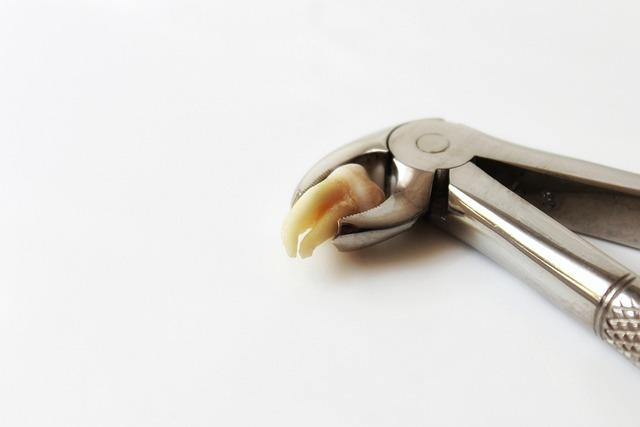
During the extraction process, your dentist will use local anesthesia to numb the area around the tooth. They will then carefully loosen the tooth from the socket and gently remove it. In some cases, the tooth may need to be cut into smaller pieces for easier removal. Your dentist will provide you with post-operative instructions to ensure proper healing and minimize any discomfort.
It is important to consult with your dentist if you are experiencing pain or discomfort from your wisdom teeth. They can evaluate your situation and determine if extraction is necessary. Remember, it is always better to address any issues with your wisdom teeth sooner rather than later to prevent further complications.
If you have any concerns or questions about your wisdom teeth, do not hesitate to schedule an appointment with your dentist. They will be able to provide you with personalized advice and guidance to address your specific needs. Remember, your dentist is there to help you maintain a healthy and happy smile!

Understanding the Role of a Dentist in Wisdom Tooth Removal
Wisdom tooth removal can be a daunting experience, but understanding the role of a dentist in this procedure can help alleviate any fears or uncertainties you may have. Dentists are trained professionals who specialize in oral health and are well-equipped to safely extract wisdom teeth.
Here are some key points to consider when it comes to the role of a dentist in wisdom tooth removal:
- Assessment: Dentists will evaluate the position of your wisdom teeth through X-rays to determine if they need to be removed.
- Sedation: Dentists can administer local anesthesia or sedation to ensure you are comfortable during the procedure.
- Extraction: Dentists have the expertise to safely extract wisdom teeth, taking into consideration factors such as the position of the tooth and surrounding tissues.
- Post-op care: Dentists will provide you with aftercare instructions to promote healing and prevent complications after the extraction.
Overall, dentists play a crucial role in the successful removal of wisdom teeth, ensuring that you receive proper care and guidance throughout the process.

When Should You Consider Having Your Wisdom Teeth Pulled?
Having your wisdom teeth pulled is a common dental procedure that many people will need to undergo at some point in their lives. Wisdom teeth, also known as third molars, are the last set of molars to emerge in the back of your mouth and often cause issues due to lack of space or improper alignment.
If you are experiencing any of the following symptoms, it may be time to consider having your wisdom teeth pulled:
- Pain or discomfort in the back of your mouth
- Swelling or redness in your gums
- Difficulty opening your mouth
- Issues with biting or chewing
While some patients may never experience any problems with their wisdom teeth, others may need to have them removed to prevent further complications. It is essential to consult with your dentist to determine if having your wisdom teeth pulled is the best course of action for your oral health.

The Importance of Consulting a Dentist for Wisdom Tooth Extraction
When it comes to getting your wisdom teeth extracted, you may be wondering if a dentist can handle the procedure. The answer is yes, a dentist can absolutely pull your wisdom teeth. However, it is important to consult with a dentist before moving forward with the extraction to ensure that it is the best course of action for your oral health.
Wisdom teeth extraction is a common procedure that is typically done by either a dentist or an oral surgeon. Consulting a dentist for this procedure is crucial because they will be able to assess your specific situation and determine the best course of action. They will consider factors such as the position of your wisdom teeth, your age, and any existing oral health issues before deciding on the best treatment plan.
Some of the key reasons why consulting a dentist for wisdom tooth extraction is important include:
- Professional assessment of your oral health
- Expert guidance on the best treatment plan
- Minimize risks and complications during the extraction process
- Ensure proper aftercare and healing

What to Expect During a Wisdom Tooth Removal Procedure
During a wisdom tooth removal procedure, you can expect the following steps to be taken by your dentist:
- The dentist will administer local anesthesia to numb the area around the tooth.
- If necessary, the dentist may also provide sedation to help you relax during the procedure.
- The tooth will be carefully extracted using specialized tools and techniques.
- In some cases, the dentist may need to make a small incision in the gum to access the tooth.
In most cases, a dentist is fully capable of pulling your wisdom teeth. However, if the tooth is impacted or if there are complications during the extraction process, the dentist may refer you to an oral surgeon for further treatment. It’s always best to consult with your dentist to determine the best course of action for your specific situation.
| Tooth Extraction Process | Expected Outcome |
|---|---|
| Local anesthesia administered | Numbing of the area |
| Tooth extraction | Removal of the wisdom tooth |
| Possible incision in the gum | If needed for access |

Risks and Complications Associated with Wisdom Teeth Extraction
While wisdom teeth extraction is a common dental procedure, it does come with its fair share of risks and complications. It’s important to be aware of these potential issues before undergoing the surgery.
Potential Risks and Complications:
- Infection: One of the most common complications after wisdom teeth extraction is infection. This can occur if proper oral hygiene is not maintained after the surgery.
- Dry Socket: Another potential complication is dry socket, which happens when the blood clot in the extraction site becomes dislodged, exposing the bone and nerves.
- Nerve Damage: There is a risk of nerve damage during the extraction process, which can result in numbness or tingling in the lips, tongue, or chin.
How to Minimize Risks:
- Follow post-operative instructions provided by your dentist carefully.
- Avoid smoking and using straws, as these activities can dislodge blood clots.
- Attend follow-up appointments to ensure proper healing.
Tips for Preparing for a Wisdom Tooth Extraction Appointment
Preparing for a wisdom tooth extraction appointment can help ensure a smoother and more comfortable experience. Here are some tips to help you get ready:
- Follow pre-operative instructions: Your dentist will provide you with specific guidelines to follow before the extraction. This may include fasting before the procedure or adjusting your medication routine.
- Arrange for transportation: Since you may not be able to drive yourself home after the extraction, it’s important to have someone available to drive you to and from the appointment.
- Stock up on soft foods: After the extraction, you’ll want to stick to a soft food diet to avoid irritating the extraction site. Stock up on items like yogurt, mashed potatoes, and soup.
- Follow post-operative care instructions: Your dentist will provide you with guidelines for caring for the extraction site after the procedure. It’s important to follow these instructions to promote healing and reduce the risk of complications.
| Food Item | Benefits |
|---|---|
| Yogurt | Easy to eat and gentle on the extraction site |
| Mashed Potatoes | Soft and comforting, perfect for post-extraction meals |
| Soup | Provides hydration and warmth without requiring chewing |

Recovery Process After Having Your Wisdom Teeth Pulled
After having your wisdom teeth pulled, it is crucial to follow the proper recovery process to ensure a quick and smooth healing journey. Your dentist will provide you with post-operative instructions to help manage any discomfort or swelling that may occur after the extraction. Here are some key steps to take during your recovery:
– **Keep the extraction site clean:** Gently rinse your mouth with salt water to keep the area clean and prevent infection. Avoid vigorous rinsing or brushing around the extraction site to avoid dislodging the blood clot that forms.
– **Manage pain and swelling:** Your dentist may prescribe pain medication to help manage any discomfort. Applying an ice pack to the affected area can also help reduce swelling.
– **Eat soft foods:** Stick to a diet of soft foods like soups, yogurt, and mashed potatoes for the first few days after the extraction. Avoid hard, crunchy foods that may irritate the extraction site.
– **Follow up with your dentist:** Attend any scheduled follow-up appointments with your dentist to ensure proper healing. If you experience excessive bleeding, severe pain, or signs of infection, contact your dentist immediately.
In conclusion, a dentist can safely pull your wisdom teeth, but it is essential to follow the recommended recovery process to minimize complications and promote healing. By taking care of your oral health during the recovery period, you can ensure a successful outcome and maintain a healthy smile.
Alternative Options for Dealing with Impacted Wisdom Teeth
When it comes to dealing with impacted wisdom teeth, there are several alternative options that can be considered aside from having them surgically removed. While extraction is often the most common solution, there are other approaches that may be suitable depending on the individual’s specific situation. Here are a few alternative options worth exploring:
- Watchful Waiting: In some cases, impacted wisdom teeth may not cause any immediate problems. Your dentist may recommend regular monitoring to see if any issues arise over time.
- Tooth Reshaping: If the wisdom teeth are causing crowding or alignment issues, reshaping the teeth around them could help alleviate the problem.
- Medication: Pain relievers or antibiotics may be prescribed to manage any discomfort or infection associated with impacted wisdom teeth.
| Option | Benefits |
|---|---|
| Watchful Waiting | Allows for natural resolution if no issues arise. |
| Tooth Reshaping | Addresses crowding and alignment concerns. |
| Medication | Manages pain and infection symptoms. |

Consulting Your Dentist for the Best Course of Action
Wisdom teeth, also known as third molars, are the final set of molars to emerge in the back of your mouth. While some people have no issues with their wisdom teeth, others may experience pain, swelling, infection, or other dental problems that require extraction. One common question many patients have is whether a dentist can pull their wisdom teeth.
Yes, a dentist can indeed perform wisdom teeth extractions. In fact, many general dentists are trained and experienced in removing wisdom teeth. However, in some cases where the extraction may be complicated or require sedation, your dentist may refer you to an oral surgeon for the procedure.
It’s important to consult with your dentist to determine the best course of action for your wisdom teeth. Your dentist will evaluate your specific situation, including the position of your wisdom teeth, any existing dental issues, and your overall oral health, to provide you with personalized recommendations.
In Retrospect
In conclusion, with the proper training and experience, dentists are more than capable of safely extracting your wisdom teeth. Trust your dental professional to guide you through the process and ensure a smooth recovery. Remember, it’s important to address any concerns or questions you may have with your dentist before undergoing the procedure. So, if you’re experiencing discomfort from your wisdom teeth, don’t hesitate to schedule a consultation with your trusted dental provider. Your journey to a pain-free smile starts now!