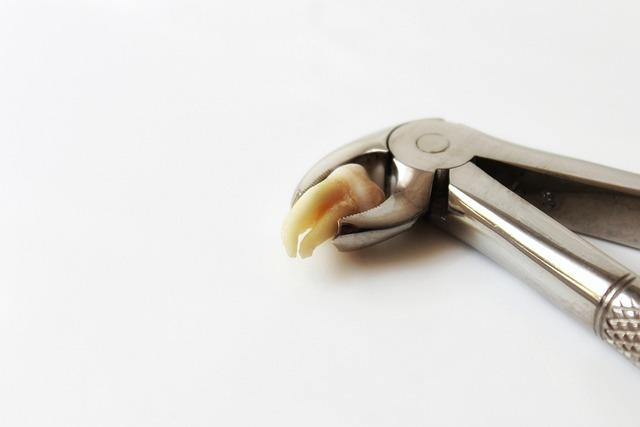
How Much for a Tooth Removal? Dental Expense Considerations
Are you considering getting a tooth removed but unsure about the cost? Look no further! In this article, we will delve into the various factors that influence the cost of a tooth removal. From location to the complexity of the procedure, we’ll provide you with all the information you need to make an informed decision. So sit back, relax, and let’s explore how much a tooth removal might cost you.
Contents
- Factors influencing the cost of tooth removal
- Importance of dental insurance coverage
- Affordable options for financing dental procedures
- Comparing prices between different dental clinics
- Factors that Influence Dental Prices
- Comparing Prices
- Understanding potential additional costs
- Tips for negotiating fees with your dentist
- Considering alternative treatments to avoid tooth removal
- How to choose a reputable and cost-effective dentist
- Resources for finding financial assistance for dental expenses
- The Conclusion
Factors influencing the cost of tooth removal
can vary depending on various factors. One of the primary determinants is the complexity of the extraction procedure. Simple extractions, where the tooth is easily accessible, tend to be less expensive than surgical extractions, which involve cutting into the gum or bone.
Another factor to consider is the location of the tooth being removed. Teeth located in difficult-to-reach areas, such as wisdom teeth, may require specialized equipment or techniques, leading to higher costs. Additionally, the number of teeth being removed can also impact the overall expense, with multiple extractions often costing more than a single tooth removal.
The experience and expertise of the dentist performing the extraction can also influence the cost. More experienced and highly skilled dentists may charge a premium for their services. Finally, the type of anesthesia used during the procedure can also affect the price. Local anesthesia is typically less expensive than IV sedation or general anesthesia.
In summary, several factors come into play when determining the cost of tooth removal. By understanding these considerations, patients can better prepare for the potential expenses associated with this dental procedure.
Importance of dental insurance coverage
When considering the cost of dental procedures such as tooth removal, it is important to take into account the potential financial burden that can come with these services. Without dental insurance coverage, the expenses can add up quickly, leaving individuals with hefty bills to pay out of pocket. Dental insurance coverage plays a crucial role in providing financial protection and peace of mind when it comes to managing the costs of dental care.
Having dental insurance coverage can significantly reduce the out-of-pocket expenses associated with dental procedures, including tooth removal. This can help individuals avoid the financial strain that may arise from unexpected dental issues or emergencies. With the rising costs of healthcare, having dental insurance coverage can make a big difference in ensuring access to necessary dental care without breaking the bank.
Furthermore, dental insurance coverage often includes benefits such as preventive care, which can help individuals maintain good oral health and prevent more serious dental issues in the future. Regular dental check-ups, cleanings, and screenings are essential for early detection and treatment of dental problems, ultimately saving individuals time and money in the long run. By investing in dental insurance coverage, individuals can prioritize their oral health and overall well-being.

Affordable options for financing dental procedures
When it comes to dental procedures, the cost can often be a major concern for patients. Many people may put off necessary dental work due to fears of high expenses. However, there are affordable options available for financing dental procedures that can help alleviate some of these financial burdens.
One option to consider is dental insurance. Many insurance plans cover a portion of the cost for common procedures such as tooth removals. Be sure to check with your insurance provider to see what is covered under your plan.
Another option is dental discount plans. These plans offer discounted rates on a variety of dental procedures, making them a cost-effective choice for those without insurance. Some dental offices may also offer payment plans to help break up the cost of treatment into manageable monthly installments.
It’s important to explore all of your options when it comes to financing dental procedures. By doing so, you can ensure that you receive the necessary treatment without breaking the bank.

Comparing prices between different dental clinics
When it comes to dental care, the cost can vary greatly from clinic to clinic. Whether you’re in need of a routine cleaning or a more complex procedure like a tooth extraction, it’s important to consider the financial aspect of your treatment. Here’s how prices for common dental services can differ between different clinics:
Factors that Influence Dental Prices
- Location: Dental clinics in urban areas tend to have higher prices compared to rural areas.
- Experience of the Dentist: Established dentists with years of experience may charge more for their services.
- Type of Service: Complex procedures like root canals or dental implants will naturally cost more than a simple filling.
- Insurance Coverage: Some clinics may offer discounts or accept certain insurance plans, helping to lower the out-of-pocket expenses.
Comparing Prices
If you’re looking to get a tooth extraction, for example, calling around to different clinics and asking for price estimates can help you make an informed decision. Keep in mind that the cheapest option may not always be the best, so consider the reputation of the clinic and the expertise of the dentists as well.
| Service | Lowest Price | Highest Price |
|---|---|---|
| Tooth Extraction | $100 | $500 |
| Dental Cleaning | $50 | $200 |

Understanding potential additional costs
One important aspect to consider when planning for a tooth removal procedure is the potential additional costs that may arise. While the cost of the actual extraction is a significant expense, there are other factors to keep in mind that can impact the overall cost of the procedure.
**Potential additional costs to consider:**
– **Pre-operative assessments:** Before the tooth removal, your dentist may recommend certain tests or assessments to ensure that the procedure can be done safely. These assessments may include x-rays, CT scans, or blood tests, which can add to the total cost of the procedure.
– **Anesthesia:** Depending on the complexity of the extraction and your pain tolerance, your dentist may recommend different types of anesthesia. Local anesthesia is often included in the cost of the extraction, but general anesthesia or sedation may incur an additional fee.
– **Post-operative care:** After the tooth removal, you may need to follow specific post-operative care instructions to ensure proper healing. This may include medications, follow-up appointments, or even additional procedures like bone grafts or stitches removal, all of which can increase the overall cost.
**Understanding these potential additional costs upfront can help you budget appropriately and avoid any surprises when it comes time to pay for your dental procedure. Be sure to discuss these costs with your dentist before the extraction to ensure you have a clear understanding of the total expenses involved.**
Tips for negotiating fees with your dentist
When it comes to dental expenses, negotiations can be key in saving money on your treatments. Here are some tips to help you navigate the world of negotiating fees with your dentist:
- Do your research: Before going in for a procedure, make sure you have an idea of the average cost in your area. This will give you a starting point for negotiations.
- Ask for a breakdown: Request a breakdown of the fees involved in your treatment. This will allow you to see where you may be able to negotiate or find alternative options.
- Offer to pay upfront: Some dentists may offer discounts for paying upfront or in cash. Don’t be afraid to ask if this is an option for you.
- Discuss payment plans: If the cost of treatment is still too high, ask if your dentist offers payment plans. This can help you spread out the cost over time.
| Treatment | Estimated Cost |
|---|---|
| Tooth Extraction | $150-$650 |
| Dental Crown | $500-$3,000 |
| Root Canal | $700-$1,500 |

Considering alternative treatments to avoid tooth removal
When faced with the prospect of tooth removal, many patients are understandably concerned about both the procedure itself and the associated costs. While tooth extraction may be necessary in some cases, it is worth considering alternative treatments that can help you avoid this drastic step.
One option to explore is dental crowns or bridges, which can be used to repair and strengthen damaged or decayed teeth. These restorations can help to preserve the natural tooth structure and prevent the need for extraction. Additionally, root canal therapy may be a viable alternative for teeth that are infected or at risk of infection.
Another consideration is orthodontic treatment, which can help to correct alignment issues that may be contributing to the need for tooth removal. By addressing the underlying cause of the problem, orthodontics can often eliminate the need for extraction.
Before making a decision about tooth removal, it is important to consult with your dentist to explore all of your options. By considering alternative treatments, you may be able to avoid extraction and preserve your natural teeth for years to come.

How to choose a reputable and cost-effective dentist
When it comes to choosing a reputable and cost-effective dentist, there are several factors to consider. It’s important to do your research and make an informed decision to ensure that you receive quality care at a reasonable price. Here are some tips to help you find the right dentist for your needs:
- Ask for recommendations from friends, family, or colleagues.
- Check online reviews and ratings to see what other patients have to say about their experiences.
- Verify the dentist’s credentials and experience to make sure they are qualified to provide the services you need.
- Compare prices and services offered by different dentists in your area to find the best value for your money.
Additionally, it’s important to consider the overall cost of dental care, not just the price of individual procedures. Some dentists may offer discounts for multiple treatments or payment plans to help make dental care more affordable. By taking the time to research and compare your options, you can find a reputable and cost-effective dentist that meets your needs.

Resources for finding financial assistance for dental expenses
When faced with the need for dental work, the cost can often be a major concern. Whether you require a routine cleaning, a cavity filling, or even a tooth extraction, the expenses can add up quickly. If you find yourself in need of financial assistance for dental expenses, there are several resources available to help ease the burden.
One option is to explore dental discount plans, which offer reduced rates on a variety of dental procedures. These plans typically require a monthly or annual fee, but can provide significant savings in the long run. Another possibility is to look into dental schools, where students in training perform procedures under the supervision of licensed dentists at a fraction of the cost.
If you are in a low-income situation, you may qualify for government programs such as Medicaid or the Children’s Health Insurance Program (CHIP), which offer dental coverage for eligible individuals. Additionally, many community health centers and non-profit organizations offer sliding scale fees based on income for dental services.
Remember, it’s important to prioritize your oral health and seek treatment when needed, regardless of financial constraints. By exploring these resources and options for financial assistance, you can access the care you need without breaking the bank.
The Conclusion
In conclusion, when it comes to tooth removal, cost can vary depending on a variety of factors such as the complexity of the extraction, location of the tooth, and type of anesthesia used. It’s important to consider all these factors and shop around for competitive pricing to ensure you’re getting the best deal. Remember, regular dental check-ups and good oral hygiene can help prevent the need for costly tooth extractions in the future. So take care of your teeth, keep those gums healthy, and don’t be afraid to ask your dentist about payment options or discounts. Your smile and your wallet will thank you in the long run. Stay informed, stay proactive, and happy smiling!