How Did They Pull Teeth in the 1800s? Fascinating History Revealed!
Have you ever wondered how our ancestors dealt with the agony of a toothache in the 1800s? Step back in time with us as we explore the fascinating history of dental care and discover the gruesome techniques used to pull teeth in the 19th century. Get ready to be surprised by the ingenuity and courage of our predecessors as we journey through this captivating dental history lesson.
Contents
- Dental Care in the 1800s: A Glimpse into the Past
- Tools and Techniques Used for Tooth Extraction
- Challenges Faced by Dentists and Patients
- Pain Management Strategies: From Whiskey to Ether
- Innovations in Dental Care During the 19th Century
- The Role of Barbers in Tooth Extraction
- Home Remedies and Folklore Surrounding Dental Health
- The Rise of Professional Dentistry in the 1800s
- Public Attitudes Towards Oral Health in the 19th Century
- Legacy of Dental Practices from the 1800s in Modern Dentistry
- Concluding Remarks
Dental Care in the 1800s: A Glimpse into the Past
In the 1800s, dental care was a far cry from the advanced procedures and technologies we have today. The methods used to extract teeth during this time period were often crude and painful, with little regard for patient comfort. Dentists in the 1800s were often referred to as "tooth pullers" or "tooth drawers," reflecting the primary focus of their practice.
One common technique used to pull teeth in the 1800s was the use of dental keys. These devices were metal instruments with a claw-like attachment that would grasp the tooth and then twist it out of the socket. This method was extremely painful and carried a high risk of infection and complications.
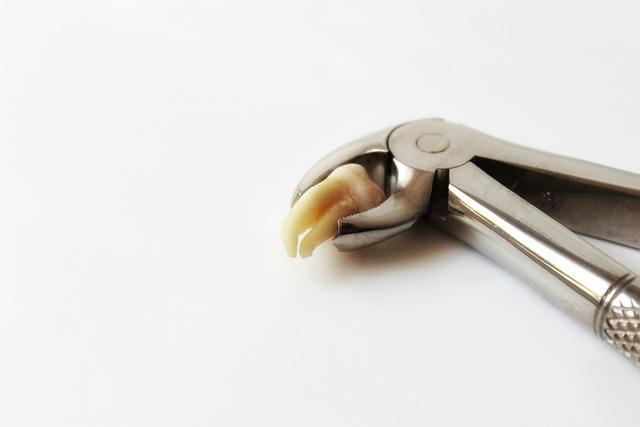
Another method used during this time period was dental forceps. These tools were similar to modern-day forceps but were not as refined or precise. Dentists would use these forceps to grasp the tooth and then forcefully extract it from the mouth. This process was also quite painful and often resulted in damage to surrounding teeth and tissues.
Overall, dental care in the 1800s was a harrowing experience for those in need of tooth extraction. Thankfully, advancements in anesthesia, technology, and techniques have transformed the field of dentistry into the safe and comfortable practice we know today.
Tools and Techniques Used for Tooth Extraction
During the 1800s, tooth extraction was a common but often painful procedure that required specific tools and techniques. Dentists and barbers, who also performed dental procedures at the time, used a variety of instruments to remove troublesome teeth.
Tools used for tooth extraction in the 1800s included:
- Extractors
- Forceps
- Elevators
- Chisels
Techniques used for tooth extraction in the 1800s:
- Bite on a hard object to loosen the tooth
- Apply pressure to the tooth to wiggle it out
- Use forceps to grip and pull the tooth
| Tool | Usage |
|---|---|
| Extractors | Used for impacted or difficult-to-reach teeth |
| Forceps | For gripping and pulling teeth |
| Elevators | To loosen the tooth from the socket |
| Chisels | For breaking the tooth into pieces for easier extraction |

Challenges Faced by Dentists and Patients
In the 1800s, dentistry was a far cry from the sophisticated and painless procedures we have today. Dentists and patients faced numerous challenges in maintaining oral health and treating dental problems.
One of the most fascinating aspects of dentistry in the 1800s was the way teeth were extracted. Without the modern tools and techniques available today, dentists had to rely on primitive methods to pull teeth. Patients often endured excruciating pain during these procedures, as anesthesia was not widely available or effective at the time.
Additionally, infection control was a major challenge for dentists and patients in the 1800s. Without proper sterilization techniques, the risk of spreading infectious diseases was high. Many patients suffered from severe complications after dental procedures due to infections.
Overall, the history of dentistry in the 1800s sheds light on the incredible advancements we have made in oral healthcare. While challenges were abundant during this time period, the dedication and innovation of dentists and patients have paved the way for the high-quality dental care we enjoy today.
Pain Management Strategies: From Whiskey to Ether
During the 1800s, the field of dentistry was still in its early stages, with limited knowledge of proper pain management techniques. As a result, pulling teeth was a common and often excruciating procedure for patients. However, dentists and surgeons of the time were not without their methods of attempting to alleviate the pain.
One common pain management strategy was the use of whiskey as an anesthetic. By having the patient consume a large amount of whiskey before the procedure, dentists hoped to dull the pain and make the extraction more bearable. While not the most effective method, it was one of the only options available at the time.
Another method that gained some popularity was the use of ether as an anesthetic. While ether was known to cause unconsciousness, its use was not without risks and often resulted in unpredictable outcomes. Despite its dangers, some dentists and surgeons took the risk in order to provide their patients with some relief during the tooth extraction process.
Overall, the history of pain management in dentistry during the 1800s is a fascinating and sometimes brutal look at the lengths that were taken to alleviate the suffering of patients. While modern techniques have greatly improved since then, it’s interesting to reflect on the ingenuity and courage of those early practitioners.

Innovations in Dental Care During the 19th Century
During the 19th century, dental care saw significant advancements that revolutionized the way teeth were extracted. One common method used to pull teeth in the 1800s was through the use of dental keys. These keys resembled a claw-like device that was attached to the tooth and then twisted to extract it. While this method was effective, it often resulted in broken or damaged teeth, leading to further complications.
Another popular technique during this period was the use of tooth forceps. These instruments were designed to grab hold of the tooth and pull it out in a controlled manner. Although tooth forceps were an improvement over dental keys, they were still quite primitive compared to modern extraction methods.
Despite the limitations of the tools used in the 1800s, dentists were beginning to experiment with new techniques and materials. For example, the use of ether and chloroform as anesthesia became more common, making dental procedures less painful for patients. Additionally, the introduction of dental amalgam as a filling material provided a more durable and long-lasting solution for cavities.

The Role of Barbers in Tooth Extraction
In the 1800s, tooth extraction was a task often left to barbers, who were not only skilled with a razor but also had the necessary tools to remove troublesome teeth. At that time, dentistry was not yet a specialized field, so barbers took on the role of both hair trimming and tooth pulling.
Barbers would use a variety of instruments to extract teeth, including forceps and dental keys. They would grasp the tooth with the forceps and then use the key to twist and turn the tooth until it loosened enough to be pulled out. While this may sound barbaric by today’s standards, it was the norm back then.
Despite their lack of formal training in dentistry, barbers were often successful in extracting teeth, although the process was undoubtedly painful for the patient. This practice continued until the early 20th century when dentistry became a distinct profession with proper training and techniques for tooth extraction.
Looking back on the history of tooth extraction, it’s fascinating to see how barbers played a crucial role in providing dental care before the field of dentistry as we know it today existed.

Home Remedies and Folklore Surrounding Dental Health
In the 1800s, the methods used to pull teeth were quite different from the modern practices we’re accustomed to today. Back then, tooth extraction was often a painful and traumatic experience for patients. Dentists did not have the advanced tools and techniques that we have now, so they had to rely on more primitive methods.
One common method of tooth extraction in the 1800s involved using a tool called a dental key. This instrument was inserted into the patient’s mouth and then twisted to grip the tooth. Once the tooth was firmly grasped, the dentist would yank it out forcefully, often resulting in a lot of pain and bleeding for the patient. It’s no wonder that people dreaded going to the dentist back in those days!
Another interesting fact is that some people turned to home remedies and folklore in an attempt to cure dental problems. For example, it was believed that tying a piece of string around a loose tooth and attaching the other end to a doorknob, then slamming the door shut, would effectively remove the tooth. While this method may have worked in some cases, it was certainly not the most pleasant experience for the person undergoing the procedure.
Overall, the history of dental health in the 1800s is both fascinating and a little unsettling. It’s amazing to see how far we’ve come in terms of dental care and techniques, and it certainly makes us grateful for the advancements in modern dentistry.
The Rise of Professional Dentistry in the 1800s
During the 1800s, the field of dentistry underwent a significant transformation, marking the rise of professional dental practices. Dentistry had previously been a rudimentary and often painful experience for patients, with tooth extraction being a common procedure. But how exactly did they pull teeth in the 1800s?
One method used in the 1800s for tooth extraction was the use of forceps. Dentists would use these metal instruments to grip the tooth and apply pressure to pull it out. This method was effective but often resulted in a great deal of pain for the patient.
Another tool commonly utilized during this time was the dental key. This device resembled a clock key, with a claw-like end that would grip the tooth. Dentists would then twist the key to extract the tooth, sometimes causing further damage to the surrounding teeth in the process.
Despite the challenges and discomfort faced by patients during dental procedures in the 1800s, the advancements made during this time laid the foundation for modern dentistry practices that we benefit from today.

Public Attitudes Towards Oral Health in the 19th Century
In the 1800s, dental care was a far cry from the modern practices we have today. When it came to pulling teeth, the methods used were often brutal and painful. Local blacksmiths or barbers were often called upon to perform extractions, using tools like forceps and pliers in unsanitary conditions.
Without the advancements in anesthesia that we have now, patients would have to endure excruciating pain during tooth extractions. Alcohol or opium were sometimes used as makeshift painkillers, but their effectiveness was limited. The prevalence of tooth decay and gum disease was high due to poor oral hygiene practices and lack of awareness about dental health.
were largely tied to superstitions and myths. Many believed that toothaches were caused by evil spirits or punishment for sinful behavior. As a result, seeking dental treatment was often seen as a last resort, leading to widespread tooth loss and suffering.
Despite the challenges faced in the 1800s, this period marked the beginning of advancements in dental care. Pioneers in the field began experimenting with new techniques and tools, laying the groundwork for the modern dental practices we have today.

Legacy of Dental Practices from the 1800s in Modern Dentistry
In the 1800s, dental practices were vastly different from what we experience in modern dentistry. Back then, pulling teeth was a common procedure that was often performed without the luxury of anesthesia. Can you imagine the pain and fear patients must have experienced during those times? It’s fascinating to look back and see how far dental care has come since then.
Dentists in the 1800s used a variety of tools and techniques to extract teeth. Some of these methods included using forceps, dental keys, and even brute force to remove stubborn teeth. The lack of proper sanitation and understanding of infection control also made these procedures risky and potentially dangerous for patients.
Despite the primitive methods used in the 1800s, there are still some aspects of dental care from that era that have had a lasting impact on modern dentistry. For example, the concept of preventive care, such as regular cleanings and check-ups, was beginning to take hold during this time. Additionally, the development of dental colleges and professional organizations laid the foundation for the standardized practices we have today.
Concluding Remarks
In conclusion, the methods used to pull teeth in the 1800s may seem barbaric by today’s standards, but they were a necessary part of dental care during that time. From dental keys to forceps, early dentists had to get creative to alleviate pain and remove damaged teeth. Despite the challenges and limited resources, they were able to develop techniques that paved the way for modern dentistry.
As we look back on this fascinating history, we can appreciate the advancements that have been made in dental care since the 1800s. The next time you visit your dentist, be thankful for the tools and techniques that are now available to provide a more comfortable and efficient dental experience.
So, the next time you have a toothache, try to imagine what it would have been like to have it extracted in the 1800s. It’s a reminder of how far dentistry has come and how lucky we are to live in a time of advanced dental care.