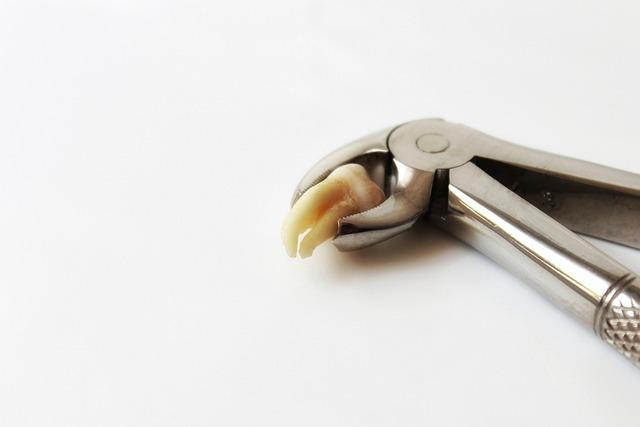
Gum Bleeding After Tooth Removal: Causes and Management Tips!
Have you recently had a tooth removed and noticed some unexpected bleeding? Don’t panic – gum bleeding after tooth removal is a common occurrence that can be easily managed with the right knowledge and care. In this article, we’ll explore the causes behind gum bleeding after tooth removal and provide you with some helpful tips on how to effectively manage it. So sit back, relax, and let’s dive into the world of post-tooth extraction care!
Contents
- Common Causes of Gum Bleeding after Tooth Removal
- Importance of Proper Dental Care Post-Extraction
- Steps to Manage and Control Gum Bleeding
- Oral Hygiene Practices to Prevent Excessive Bleeding
- Potential Complications of Uncontrolled Bleeding
- When to Seek Professional Dental Help
- Effective Home Remedies for Gum Bleeding
- Causes of Gum Bleeding After Tooth Removal
- Management Tips for Gum Bleeding
- Nutritional Tips for Faster Gum Healing
- Exercises to Improve Blood Circulation and Aid Recovery
- Importance of Follow-Up Care Post-Tooth Extraction
- To Conclude
Common Causes of Gum Bleeding after Tooth Removal
It is not uncommon for patients to experience gum bleeding after a tooth removal procedure. There are several common causes of gum bleeding in this situation:
- Inflammation: The area where the tooth was removed may become inflamed, leading to bleeding gums.
- Improper clotting: If the blood clot that forms in the tooth socket after extraction is dislodged or breaks down prematurely, it can result in bleeding.
- Medical conditions: Certain medical conditions, such as bleeding disorders or uncontrolled diabetes, can increase the risk of gum bleeding after tooth removal.
- Medications: Some medications, like blood thinners, can also contribute to gum bleeding post tooth extraction.
Managing gum bleeding after tooth removal is crucial to prevent further complications. Here are some tips to help alleviate the bleeding:
- Apply pressure: Gently bite down on a clean gauze pad over the extraction site to help promote clotting and reduce bleeding.
- Avoid vigorous rinsing: Refrain from rinsing your mouth vigorously or using a straw, as this can disturb the blood clot and lead to more bleeding.
- Follow post-operative care instructions: Your dentist or oral surgeon will provide you with specific instructions on how to care for the extraction site. Follow these guidelines carefully to help promote healing and reduce bleeding.
- Contact your healthcare provider: If bleeding persists or worsens, contact your healthcare provider for further evaluation and treatment.

Importance of Proper Dental Care Post-Extraction
After a tooth extraction, it is important to prioritize proper dental care to avoid complications such as gum bleeding. Gum bleeding post-extraction is a common occurrence, but understanding the causes and how to manage it can help ease discomfort and promote healing.
One of the main causes of gum bleeding after tooth removal is the disruption of the blood clot that forms in the extraction site. This blood clot is essential for the healing process, and if it becomes dislodged or breaks apart, it can result in bleeding.
To manage gum bleeding after a tooth extraction, follow these tips:
- Apply gentle pressure: Use a clean gauze pad to apply gentle pressure to the extraction site to help stop the bleeding.
- Avoid rinsing or spitting: Refrain from rinsing your mouth or spitting forcefully, as this can dislodge the blood clot and worsen the bleeding.
- Practice good oral hygiene: Brush gently around the extraction site and rinse with salt water to keep the area clean and reduce the risk of infection.
- Stay hydrated and maintain a soft diet: Drink plenty of water and stick to soft foods to avoid putting pressure on the extraction site.
| Cause | Management |
|---|---|
| Disruption of blood clot | Apply gentle pressure, avoid rinsing or spitting |
| Poor oral hygiene | Practice good oral hygiene, stay hydrated |
| Underlying medical conditions | Consult your dentist for personalized recommendations |
Steps to Manage and Control Gum Bleeding
To effectively manage and control gum bleeding after a tooth removal, it is essential to follow certain steps to promote healing and prevent further complications. Here are some tips to help you deal with this issue:
– **Gentle Mouth Rinse:** Avoid vigorous rinsing, but gently rinse your mouth with warm salt water to help cleanse the area and reduce inflammation.
– **Apply Pressure:** If bleeding persists, apply gentle pressure by biting down on a clean gauze pad placed over the area for about 15-20 minutes.
– **Avoid Smoking:** Smoking can delay the healing process and exacerbate gum bleeding, so it’s best to refrain from smoking or using tobacco products during this time.
– **Follow post-operative instructions:** Your dentist or oral surgeon may provide you with specific post-operative instructions to follow. Make sure to adhere to these guidelines to promote healing and prevent complications.
By following these simple steps, you can effectively manage and control gum bleeding after a tooth removal, ensuring a smoother recovery process. Remember to consult your dentist if the bleeding persists or worsens.
Oral Hygiene Practices to Prevent Excessive Bleeding
When it comes to gum bleeding after tooth removal, there are several oral hygiene practices that can help prevent excessive bleeding and promote faster healing. Here are some tips to keep in mind:
- **Gentle Brushing:** Brush your teeth gently using a soft-bristled toothbrush to avoid irritating the extraction site.
- **Rinsing with Saltwater:** Rinse your mouth with warm salt water multiple times a day to keep the area clean and reduce inflammation.
- **Avoiding Hard Foods:** Stay away from hard or crunchy foods that could potentially damage the healing gums.
- **Regular Dental Check-ups:** Visit your dentist regularly for follow-up appointments to ensure proper healing and address any concerns.
It’s essential to follow these oral hygiene practices after tooth removal to prevent complications like excessive bleeding. By taking good care of your oral health, you can minimize the risk of post-extraction bleeding and promote faster recovery.

Potential Complications of Uncontrolled Bleeding
Uncontrolled bleeding, especially after tooth removal, can lead to several potential complications if not properly managed. Here are some of the common issues that can arise:
- Infection: When bleeding is not controlled, the risk of developing an infection in the gums significantly increases. This can lead to pain, swelling, and further complications.
- Excessive Blood Loss: Prolonged uncontrolled bleeding can result in excessive blood loss, which can lead to dizziness, weakness, and in severe cases, may even require a blood transfusion.
- Delayed Healing: Bleeding gums can impede the healing process, causing discomfort and prolonging the recovery time after tooth removal.
It is crucial to seek immediate medical attention if you experience uncontrolled bleeding after tooth removal to prevent these potential complications from occurring.

When to Seek Professional Dental Help
Gum bleeding after tooth removal can be a common occurrence for many individuals. This can be alarming, but it is important to understand the causes and how to manage it effectively. In most cases, the bleeding should stop on its own within a few hours to a few days. However, if the bleeding persists or becomes severe, it is crucial to seek professional dental help.
Some common causes of gum bleeding after tooth removal include:
- Improper blood clot formation at the extraction site
- Aggressive brushing or flossing near the extraction site
- Underlying gum disease or infection
- Medications that thin the blood
When experiencing gum bleeding after tooth removal, it is important to follow these management tips:
- Apply gentle pressure to the extraction site with a clean gauze pad
- Avoid rinsing or spitting forcefully for the first 24 hours
- Avoid smoking or using tobacco products, as they can delay healing
- Stick to soft foods and avoid chewing on the side of the extraction site

Effective Home Remedies for Gum Bleeding
Causes of Gum Bleeding After Tooth Removal
Before jumping into the home remedies for gum bleeding, let’s first understand the potential causes behind this common issue. Gum bleeding after tooth removal can be attributed to various factors such as:
- Inflammation: The gum tissue may become inflamed due to the trauma of the tooth extraction, leading to bleeding.
- Infection: Bacteria can enter the extraction site, causing an infection that results in bleeding gums.
- Poor Oral Hygiene: Neglecting proper dental care can contribute to gum bleeding post-tooth removal.
Management Tips for Gum Bleeding
Dealing with gum bleeding after a tooth extraction can be uncomfortable, but there are effective home remedies that can help alleviate the symptoms and promote healing. Here are some management tips to consider:
- Use Cold Compress: Applying a cold compress to the affected area can help reduce swelling and ease the bleeding.
- Rinse with Saltwater: Gargling with a solution of warm water and salt can help disinfect the extraction site and promote healing.
- Avoid Spicy Foods: Spicy or hot foods can irritate the gums further, so it’s best to avoid them until the bleeding subsides.

Nutritional Tips for Faster Gum Healing
One of the key factors in promoting faster gum healing after tooth removal is maintaining a healthy diet. Certain nutrients play a crucial role in the healing process and can help speed up recovery. Here are some nutritional tips to aid in faster gum healing:
- Increased Vitamin C intake: Vitamin C is essential for collagen production, which is crucial for gum tissue repair. Citrus fruits, strawberries, and bell peppers are excellent sources of Vitamin C.
- Omega-3 fatty acids: Foods rich in Omega-3s, such as salmon, flaxseeds, and walnuts, have anti-inflammatory properties that can help reduce swelling and promote healing.
- Protein-rich foods: Protein is necessary for tissue repair and regeneration. Include lean meats, eggs, legumes, and dairy products in your diet to support gum healing.
- Hydration: Drink plenty of water to keep your mouth moist and help flush out bacteria, reducing the risk of infection and promoting faster healing.
| Nutrient | Food Source |
|---|---|
| Vitamin C | Citrus fruits, strawberries, bell peppers |
| Omega-3 fatty acids | Salmon, flaxseeds, walnuts |
| Protein | Lean meats, eggs, legumes, dairy products |

Exercises to Improve Blood Circulation and Aid Recovery
If you are experiencing gum bleeding after a tooth removal, it is important to understand the causes and how to manage it effectively. Gum bleeding can be a common occurrence after a dental procedure, but there are steps you can take to promote better blood circulation and aid in the recovery process.
Causes of Gum Bleeding:
- Poor oral hygiene
- Infection at the extraction site
- Medications that thin the blood
- Underlying health conditions
Management Tips:
- Ensure proper oral hygiene by gently brushing and flossing
- Avoid smoking and alcohol consumption
- Use a saltwater rinse to reduce inflammation
- Apply pressure to the extraction site with a clean gauze pad
Importance of Follow-Up Care Post-Tooth Extraction
After a tooth extraction, it’s crucial to follow up on proper care to ensure a smooth and speedy recovery. One common issue that patients may encounter is gum bleeding, which can be alarming but is usually a normal part of the healing process. Understanding the causes and knowing how to manage gum bleeding can help alleviate concerns and promote better healing.
Some common causes of gum bleeding post-tooth extraction include:
- Improper clot formation
- Aggressive brushing or flossing
- Infection
- Underlying gum disease
To manage gum bleeding effectively, follow these tips:
- Apply gentle pressure on the extraction site with a clean gauze pad to help form a blood clot
- Avoid smoking and using straws, as sucking motions can dislodge the blood clot
- Rinse your mouth with saltwater to promote healing and reduce bacteria
- Avoid hot or spicy foods that can irritate the extraction site
| Cause | Management |
|---|---|
| Improper clot formation | Apply gentle pressure with a gauze pad |
| Aggressive brushing or flossing | Be gentle with oral hygiene routines |
| Infection | Follow up with your dentist for proper treatment |
| Underlying gum disease | Address underlying gum health issues |
To Conclude
In conclusion, gum bleeding after tooth removal is a common occurrence with various causes such as trauma, infection, or underlying health conditions. It is important to follow proper post-operative care guidelines to manage bleeding effectively. Remember to avoid spicy or hot foods, refrain from smoking, and gently rinse your mouth with salt water to promote healing. If the bleeding persists despite these measures, be sure to contact your dentist for further evaluation and treatment. By taking proactive steps and staying informed, you can navigate through this temporary inconvenience with ease. Keep those gums healthy and happy!
Get our latest guides, news, and insights highlighted in your Google Search & AI Overviews.