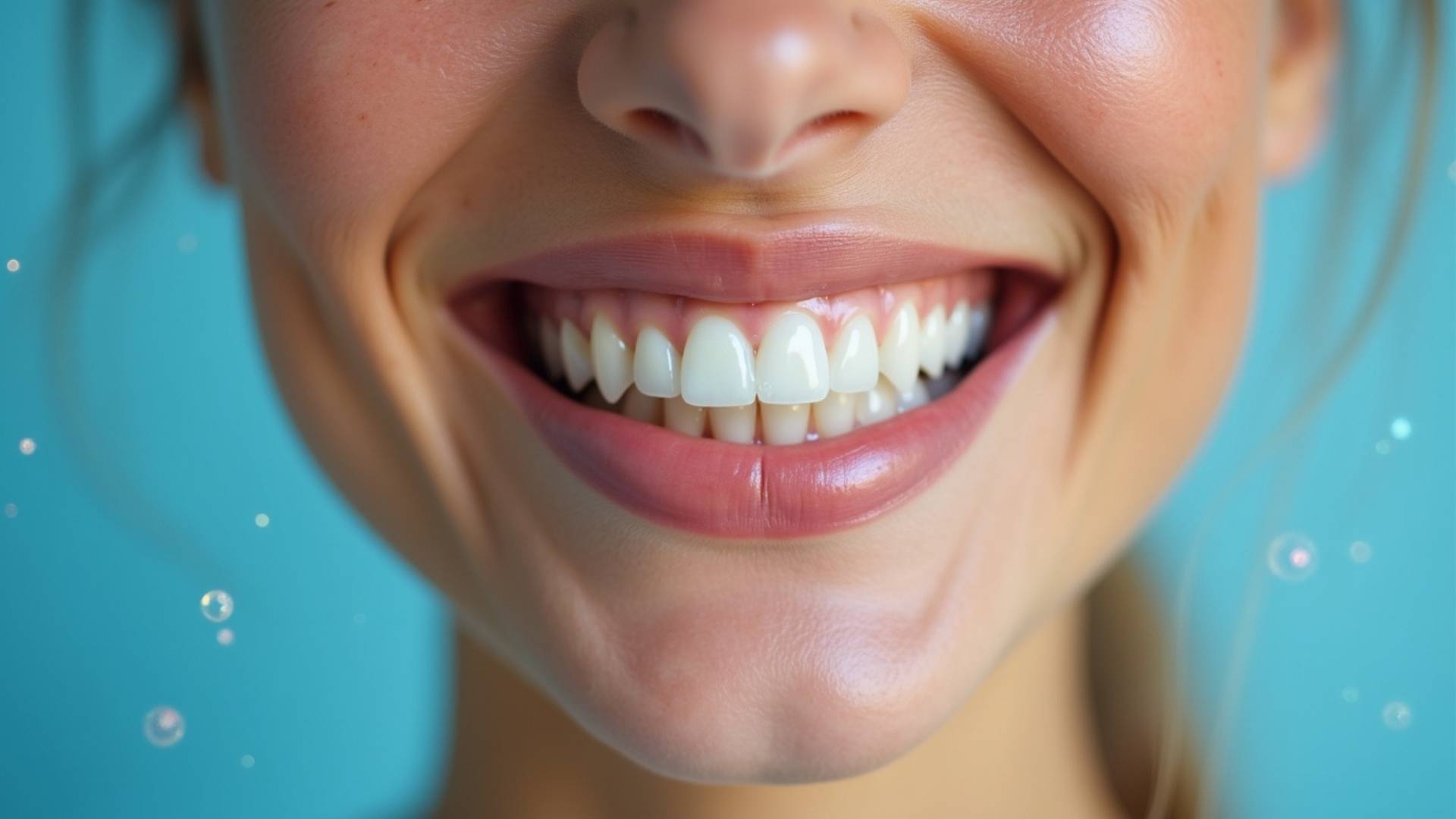
Can Smile Direct Pull Teeth Down? Learn the Facts!
Title: “Smile Direct: Separating Fact from Fiction – Unraveling the Teeth-Pulling Myth!”
Introduction:
In the fast-paced world of modern dentistry, innovations continue to reshape the way we achieve that perfect smile. With Smile Direct, a revolutionary teeth-aligning system, gaining popularity, a recurrent question has piqued the curiosity of many: Can Smile Direct pull teeth down? It’s time to get the facts straight and debunk any misconceptions surrounding this groundbreaking orthodontic solution. So brace yourself, as we embark on a journey through the realms of dental science to put an end to the conjecture surrounding Smile Direct.
Contents
- Can Smile Direct Cause Teeth to Be Pulled Down?
- Understanding the Alignment Process
- Addressing the Concerns
- The Bottom Line
- Understanding the Mechanics of Smile Direct
- Examining the Potential Side Effects of Smile Direct
- Unveiling the Truth: Can Smile Direct Actually Pull Teeth Down?
- Can Smile Direct Pull Teeth Down? Learn the Facts!
- The Role of Orthodontists in Assessing the Risks of Smile Direct
- What Research Says: Expert Opinions on the Effects of Smile Direct
- Considerations Before Choosing Smile Direct: A Prudent Approach
- Expert Recommendations: Alternatives to Smile Direct for Teeth Alignment
- Navigating the Risk-Benefit Analysis of Smile Direct Treatment
- Understanding Smile Direct Treatment
- The Potential Risk: Tooth Extrusion
- The Facts About Tooth Movement
- Consult with a Dental Professional
- Making an Informed Decision: Weighing the Pros and Cons of Smile Direct
- Weighing the Pros and Cons of Smile Direct
- Future Outlook
Can Smile Direct Cause Teeth to Be Pulled Down?
When it comes to straightening teeth, SmileDirect has gained significant popularity in recent years. However, there are concerns regarding the potential effect it might have on pulling teeth down, something that has sparked numerous discussions amongst dental professionals and patients alike. Let’s delve into the facts and separate truth from speculation.
Understanding the Alignment Process
SmileDirect works by gradually shifting your teeth using custom-made, clear aligners – a popular alternative to traditional braces. Throughout the treatment, these aligners apply gentle pressure on specific teeth to move them into their desired position.
It’s crucial to recognize that SmileDirect’s aligners are designed to guide teeth movement within the natural boundaries set by your jaw and dental structure. The goal is to enhance your smile without causing any harm or unwanted side effects.
Addressing the Concerns
While some individuals have expressed worries about SmileDirect potentially pulling teeth down, scientific evidence and expert opinions suggest otherwise. Here are a few key points to consider:
- SmileDirect aligners focus on corrections that move teeth in an upward direction. The aligners help lift the molars and premolars without exerting a downward force on the teeth.
- The treatment plan is carefully crafted by licensed dentists or orthodontists who review your dental impressions and create a personalized plan that aims for a harmonious alignment.
- Regular check-ins with dental professionals during your treatment ensure that any concerns, like teeth shifting downward, can be addressed promptly and necessary adjustments made.
- The effectiveness and safety of SmileDirect have been thoroughly evaluated and approved by dental regulatory bodies, such as the American Dental Association (ADA).
The Bottom Line
Based on the available information, it is unlikely that SmileDirect will pull teeth down. The aligners are designed to provide upward movement, promoting a more aligned and vibrant smile. Consulting with a dental professional prior to starting treatment can help address any concerns or specific dental conditions that may need to be considered. Remember, a personalized approach is key to achieving your desired results while maintaining the health and integrity of your teeth.

Understanding the Mechanics of Smile Direct
Smile Direct is a popular option for individuals seeking to achieve a straighter smile without the hassle of traditional braces. With its clear aligners and remote monitoring, Smile Direct has revolutionized the way people approach orthodontic treatment. But can Smile Direct pull teeth down? Let’s uncover the facts!
First and foremost, it’s important to understand that Smile Direct’s aligners work by applying gentle pressure to shift your teeth into their desired position gradually. The aligners are customized to fit snugly over your teeth and guide them into alignment over time. However, it’s essential to note that Smile Direct aligners are not designed to physically “pull” teeth down.
Smile Direct’s aligners are primarily focused on correcting mild to moderate dental issues, such as crowding and spacing. They can help address minor tooth movements and straighten your smile effectively. However, if you have more severe dental concerns like substantial tooth extrusion or highly misaligned teeth, it’s crucial to consult an orthodontist for a comprehensive evaluation and personalized treatment plan.
To give you a better understanding, here’s a simple breakdown of how Smile Direct’s aligners work:
Assessment: Upon signing up for Smile Direct, you’ll receive an at-home impression kit or visit a SmileShop for a 3D scan of your teeth. These impressions or scans will be used to create your custom aligners.
Custom Aligners: Smile Direct’s team of orthodontists will evaluate your impressions or scan results to create a series of custom-made aligners specifically designed to gradually shift your teeth into alignment.
Aligner Progression: You’ll receive a set of aligners that you’ll change every one to two weeks, depending on your treatment plan. Each new set will gently nudge your teeth closer to their desired position.
- Remote Monitoring: Smile Direct utilizes advanced technology to remotely track your progress. You’ll need to take regular progress photos or schedule virtual check-ins with their dental professionals, ensuring your treatment plan stays on track.
Although Smile Direct can effectively treat many cases, it’s essential to remember that seeking professional guidance from a certified orthodontist is crucial for a comprehensive evaluation and to determine what treatment plan best suits your needs. Remember, your oral health should always be a top priority, and consulting with a dental professional will ensure you receive the appropriate care for your unique smile. So, if you’re considering Smile Direct or any orthodontic treatment, reach out to your trusted orthodontist for a thorough assessment and personalized advice.
Examining the Potential Side Effects of Smile Direct
One of the concerns that many people have when considering Smile Direct as a teeth straightening option is whether or not it can pull teeth down. It’s important to separate fact from fiction when it comes to this issue, so let’s dive into the details.
First and foremost, it’s essential to understand how Smile Direct works. Smile Direct uses clear, plastic aligners that gradually shift your teeth into their proper position over time. These aligners are custom-made for each individual and are designed to exert gentle pressure on the teeth, guiding them into alignment.
While it’s true that some patients may experience a temporary feeling of their teeth being “pulled down” during the aligner wearing process, it’s important to note that this sensation is part of the normal process of teeth movement. As the teeth shift into alignment, it is natural for them to move slightly downward and then back up.
To put your mind at ease, it’s worth mentioning that Smile Direct is backed by a team of dental professionals who carefully monitor your progress throughout the treatment. This ensures that any changes in the alignment of your teeth are within the expected parameters and are not causing any harm or damage.
It’s also important to remember that each person’s experience with Smile Direct may vary. Some individuals may have teeth that are more prone to moving downward, while others may not experience this sensation at all. If you have any concerns or questions about the potential side effects of Smile Direct, it’s always best to consult with a dental professional who can provide personalized advice.
In conclusion, while it is normal to feel a slight sensation of teeth being “pulled down” during the teeth straightening process with Smile Direct, this is a temporary and natural part of the realignment process. With proper monitoring by dental professionals, any changes in tooth alignment can be assessed to ensure optimal results. Don’t let this potential side effect deter you from considering the benefits that Smile Direct can offer in achieving a confident, straight smile.
Unveiling the Truth: Can Smile Direct Actually Pull Teeth Down?
Can Smile Direct Pull Teeth Down? Learn the Facts!
When it comes to orthodontic treatment, one common concern is whether SmileDirect can actually pull teeth down. This is a valid question, as the alignment of our teeth plays a crucial role in our overall oral health and appearance. So, let’s take a closer look at the truth behind this popular clear aligner system.
Understanding SmileDirect
SmileDirect is a teledentistry company that provides clear aligners to straighten teeth. Their aligners work by applying gentle pressure on the teeth, gradually shifting them into the desired position. However, it is important to note that SmileDirect aligners are designed for mild to moderate cases of dental misalignment. For more complex orthodontic issues, a traditional braces or Invisalign treatment may be more suitable.
The Science Behind Teeth Movement
Teeth movement is a natural biological process that occurs when force is applied to them over time. Both traditional braces and clear aligners leverage this principle to align teeth. SmileDirect aligners do not solely “pull” teeth down; they use controlled force to shift teeth vertically, horizontally, and even rotate them if needed. The aligners are custom-made to fit each individual’s teeth and gradually guide them to the desired position.
Factors to Consider
While SmileDirect aligners can effectively address many cases of dental misalignment, it’s important to consider a few factors before deciding on this treatment option:
- Severity of misalignment: SmileDirect aligners work best for mild to moderate cases. If you have severe misalignment, it’s best to consult an orthodontist for an evaluation.
- Compliance: Wearing aligners for the recommended 22 hours per day is crucial for successful treatment. It requires discipline and commitment.
- Monitoring: Unlike traditional braces or Invisalign, SmileDirect does not involve regular in-person check-ups. Monitoring your progress and seeking professional advice may require additional effort on your part.
If you’re considering SmileDirect, it’s essential to have a thorough discussion with a dental professional to determine whether it’s the right treatment for you.
Achieving a Confident Smile
Orthodontic treatment, whether with SmileDirect or other options, aims to improve the alignment of your teeth, resulting in a confident smile. It’s important to remember that each case is unique, and the suitability of any treatment method depends on various factors. Consultation with a qualified professional will help you make an informed decision and achieve the smile you desire.

The Role of Orthodontists in Assessing the Risks of Smile Direct
Smile Direct Club has gained popularity as an alternative to traditional orthodontic treatment. With its mail-order clear aligners, convenience and cost-effectiveness are its main selling points. However, many people are concerned about the potential risks and negative consequences of using Smile Direct. Orthodontists play a crucial role in assessing these risks and providing expert advice to patients.
1. Professional Evaluation
Orthodontists are highly trained dental professionals who specialize in correcting dental and jaw misalignments. They have the expertise and experience to evaluate the risks associated with using Smile Direct. By thoroughly examining a patient’s teeth, gums, and bite, orthodontists can determine if they are suitable candidates for clear aligner treatment or if there are potential complications that could arise.
2. Personalized Treatment Plans
Unlike Smile Direct, which relies on a one-size-fits-all approach, orthodontists create personalized treatment plans tailored to each patient’s specific needs. They take into consideration factors such as the severity of misalignment, bite issues, and overall dental health. This ensures the most effective and safe treatment, minimizing any potential risks or adverse outcomes.
3. Monitoring Progress and Addressing Complications
While Smile Direct primarily relies on self-monitoring and remote support, orthodontists provide in-person monitoring and guidance throughout the entire treatment process. Regular check-ups allow them to closely track progress, make necessary adjustments, and promptly address any complications that may arise, such as tooth movement, gum irritation, or bite problems. This proactive approach helps ensure the best possible outcomes and reduces the potential risks of smile correction.
4. Expert Advice and Guidance
Orthodontists are a reliable source of expert advice and guidance. They can educate patients about the potential risks and benefits of Smile Direct, helping them make informed decisions. Being familiar with a wide range of orthodontic treatments, orthodontists can also provide alternatives that might be more suitable for patients with complex dental issues or those who require more extensive correction.
While Smile Direct Club offers convenience and affordability, the role of orthodontists in assessing the risks should not be overlooked. Their professional evaluation, personalized treatment plans, monitoring, and expert guidance contribute to optimal outcomes and patient safety. If you have concerns about using Smile Direct or are considering clear aligner treatment, consulting with an orthodontist is strongly advised.

What Research Says: Expert Opinions on the Effects of Smile Direct
Several experts in the field have conducted studies and shared their opinions on the effects of Smile Direct on teeth alignment. Here are the key findings that shed light on whether Smile Direct can potentially pull teeth down.
1. Lack of Scientific Evidence: It is important to note that there is limited scientific research specifically focused on Smile Direct and its impact on tooth movement. Most of the available studies have been conducted on traditional orthodontic treatments, such as braces. Thus, it is challenging to draw definitive conclusions about the precise effects of Smile Direct.
2. Case-by-Case Basis: Orthodontists stress the importance of individual examination and assessment when considering any orthodontic treatment, including Smile Direct. Each person’s teeth and bite are unique, and the success of aligning teeth depends on various factors, such as the severity of misalignment, gum health, and skeletal structure. Therefore, it is crucial to consult with a qualified orthodontist before deciding on any treatment option.
3. Potential for Side Effects: Some experts express concerns about the potential side effects of using Smile Direct. Without professional supervision, patients may experience gum irritation, enamel erosion, or bite problems. It is essential to follow the instructions carefully and report any discomfort or issues to your orthodontist.
4. Positive Experiences: Despite some reservations, many individuals have reported successful outcomes with Smile Direct. For some mild cases, it can be an affordable and convenient alternative to traditional braces. However, it is crucial to recognize that Smile Direct may not be suitable or effective for everyone, particularly those with complex orthodontic issues.
Overall, while there is a lack of extensive scientific data on Smile Direct, expert opinions suggest that the treatment’s success may vary depending on individual circumstances. Seeking professional advice from an orthodontist is imperative to determine if Smile Direct is a suitable option for you and to ensure proper monitoring throughout the treatment.
Considerations Before Choosing Smile Direct: A Prudent Approach
There are several important factors to consider before choosing Smile Direct as your orthodontic treatment option. Many individuals are curious about whether Smile Direct can actually pull teeth down. Let’s uncover the facts and provide you with all the necessary information to make an informed decision.
1. Teeth movement: Smile Direct uses clear aligners to gradually move your teeth into the desired position. While the aligners can apply gentle pressure to shift teeth, they should not cause teeth to be pulled down. The aligners work by gradually guiding your teeth into the correct alignment, making it a safe option for most cases.
2. Individual variation: It is important to note that everyone’s teeth and dental structure are unique. The effectiveness and suitability of Smile Direct can vary depending on the individual’s dental condition. Some cases may require more extensive orthodontic treatment or the involvement of an orthodontist for proper evaluation and guidance.
3. Impression kits vs. professional evaluation: Smile Direct offers two options for getting started – either through their impression kits or with a visit to their physical SmileShop locations. While the convenience of at-home impression kits is tempting, it’s crucial to consider whether a professional evaluation by an orthodontist is necessary to ensure the suitability of Smile Direct for your specific needs.
4. Potential risks: Like any orthodontic treatment, there are potential risks associated with Smile Direct, such as gum irritation or mild discomfort during the adjustment phase. It is essential to weigh these risks against the potential benefits of straightening your teeth with Smile Direct.
In conclusion, Smile Direct can provide a convenient and cost-effective way to straighten your teeth for many individuals. However, it is crucial to consider factors such as individual variation, the need for professional evaluation, and potential risks before making a decision. Consulting with a qualified orthodontist can provide expert guidance and help you determine the best treatment option for your specific dental needs.
Expert Recommendations: Alternatives to Smile Direct for Teeth Alignment
If you’ve been considering teeth alignment options, you may have come across Smile Direct, a popular at-home teeth straightening solution. However, it’s important to explore all your options before making a decision. While Smile Direct can be effective for some individuals, there are alternative treatments that may better suit your needs. Here are some expert recommendations:
Invisalign
Invisalign is a trusted and widely recommended teeth alignment system that uses custom-made clear aligners to gradually shift your teeth into the desired position. When compared to Smile Direct, Invisalign offers several advantages:
- Greater precision and control in the teeth movement.
- Thorough evaluation by an orthodontist to ensure the right treatment plan.
- Ability to address complex cases, such as severe crowding or bite issues.
- No need to worry about taking impressions at home, as a trained professional takes care of it.
Traditional Braces
While not as discreet as clear aligners, traditional braces remain a reliable and effective option for teeth alignment. Some benefits of traditional braces over Smile Direct include:
- Greater control over tooth movement, as wires and brackets are adjusted by an orthodontist.
- Ability to correct various bite problems, including underbites and overbites.
- Typically faster treatment time, particularly in more complex cases.
- No concerns about aligner compliance, as braces are fixed and cannot be removed.
Professional Consultation
Ultimately, the most reliable way to determine the best teeth alignment option for you is to seek a professional consultation with an orthodontist. They will thoroughly examine your teeth, discuss your goals, and recommend the most suitable treatment plan tailored to your specific needs.
Remember, while Smile Direct may work well for some people, considering alternative options can provide you with a more comprehensive and customized approach to achieving the smile you desire. Consult with an orthodontist to receive expert guidance and make an informed decision about your teeth alignment journey.

The world of orthodontic treatment is constantly evolving, and Smile Direct has emerged as a popular choice for those seeking a straighter smile without traditional braces. However, it is important to assess the risks and benefits before embarking on any dental treatment. In today’s post, we will discuss the risk-benefit analysis of Smile Direct treatment and address a common concern: can Smile Direct pull teeth down?
Understanding Smile Direct Treatment
Smile Direct treatment involves the use of clear aligners to gradually shift teeth into their desired position. These aligners are custom-made and fit snugly over your teeth, exerting gentle pressure to guide them into alignment. They offer a discreet and convenient alternative to traditional braces, making it an appealing choice for many.
The Potential Risk: Tooth Extrusion
One concern that arises when discussing Smile Direct treatment is the potential risk of tooth extrusion. Tooth extrusion refers to the downward movement of teeth, which might give the impression that Smile Direct is ”pulling teeth down.” However, it’s essential to understand that the movement of teeth during orthodontic treatment is carefully planned and monitored by dental professionals.
The Facts About Tooth Movement
Tooth movement can indeed occur during Smile Direct treatment, but this is an expected and controlled process. The aligners are designed to apply precise pressure to gradually shift teeth into their desired positions. The movement occurs over a period of time and is constantly monitored through regular check-ups with a licensed dentist or orthodontist.
Consult with a Dental Professional
If you are considering Smile Direct treatment or any orthodontic treatment, it is crucial to consult with a qualified dental professional who can assess your specific dental needs. They will evaluate your case, provide expert guidance, and ensure that your treatment plan is safe and effective. Remember, every smile is unique, and a personalized approach is key to achieving optimal results.

Making an Informed Decision: Weighing the Pros and Cons of Smile Direct
Weighing the Pros and Cons of Smile Direct
When it comes to straightening your teeth, it’s essential to be fully informed before making a decision. One popular option that has been gaining attention is Smile Direct. However, there are concerns regarding whether this treatment can pull teeth down. Let’s explore the facts and weigh the pros and cons.
The Pros of Smile Direct
- Convenience: One significant advantage of Smile Direct is the convenience it offers. You can straighten your teeth in the comfort of your home using aligners that are custom-made for your teeth.
- Affordability: Compared to traditional orthodontic treatments, Smile Direct is often more affordable. It eliminates the need for frequent orthodontic visits, ultimately saving you money.
- No dietary restrictions: Unlike braces, Smile Direct aligners can be easily removed when eating, allowing you to enjoy your favorite foods without restrictions.
- Minimal impact on daily routine: Smile Direct aligners are virtually invisible, making them less noticeable compared to traditional braces. This means you can complete your treatment without feeling self-conscious.
The Cons of Smile Direct
- No orthodontist oversight: Smile Direct treatment is designed remotely, which means you won’t have direct supervision from an orthodontist. This may increase the risk of potential issues going unnoticed.
- Not suitable for complex cases: While Smile Direct can address mild to moderate teeth misalignments, it may not be suitable for complex cases. Your dentist or orthodontist can determine if this treatment is suitable for you.
- Possible tooth sensitivity: Some users of Smile Direct aligners have reported tooth sensitivity during their treatment. However, this is a common side effect that can often be managed.
- Potential teeth movement: While Smile Direct can effectively straighten teeth, there have been reports of teeth movement if the aligners are not worn consistently. Compliance with the treatment plan is crucial for your desired results.
Before starting any orthodontic treatment, it is always advisable to consult with a dental professional who can evaluate your specific needs. They can provide guidance and determine if Smile Direct or other alternatives are the right choice for you. Remember, making an informed decision is the key to achieving a confident and beautiful smile.
Future Outlook
In conclusion, it is essential to separate fact from fiction when it comes to the question of whether Smile Direct can pull teeth down. While some individuals may have experienced the downward movement of teeth during their treatment, it is crucial to understand that this is not the result of Smile Direct itself, but rather an inherent aspect of the orthodontic process.
After delving into the facts, we discovered that Smile Direct, like any orthodontic treatment, utilizes aligners designed to gently guide teeth into their proper positions. This method does not involve any pulling or tugging of teeth.
Key takeaways from our exploration include the understanding that:
1. Smile Direct does not pull teeth down, but rather employs aligners to align them properly over time.
2. Orthodontic treatments may cause temporary changes in a patient’s dental profile, such as slight elevation or alignment shifts, which are typically corrected by the dentist.
3. Expert consultation is crucial before beginning any orthodontic treatment to determine its suitability for individual cases.
It is essential to consult with a qualified orthodontist or dentist who can assess your specific dental condition and recommend the most appropriate treatment for your needs.
Remember, knowledge is power, and now armed with the truth about Smile Direct and its effects on tooth movement, you can make an informed decision about the path forward for your dental health.
Get our latest guides, news, and insights highlighted in your Google Search & AI Overviews.