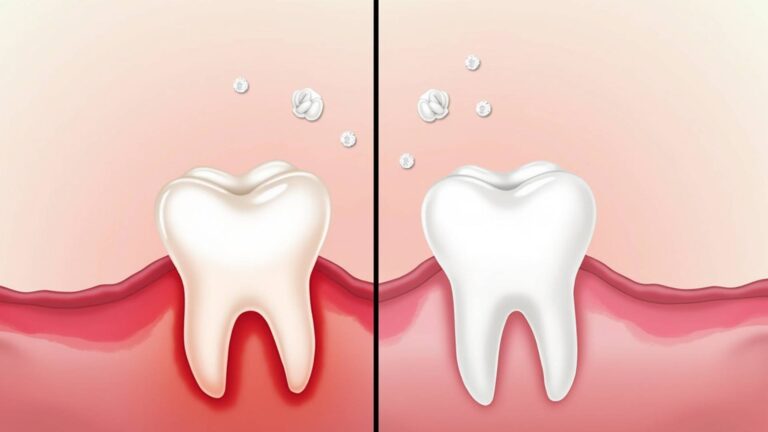
Pull Teeth Out: Dental Extraction Guide!
Dread the thought of having a tooth pulled? Fear not! In our comprehensive dental extraction guide, we break down everything you need to know about this common procedure. From reasons for extraction to post-care tips, we’ve got you covered. Say goodbye to dental anxiety and hello to a healthier smile – let’s dive in!
Contents
- Introduction to Dental Extraction: What to Expect During the Procedure
- Types of Dental Extractions: Simple vs. Surgical Extraction Techniques
- Simple vs. Surgical Extraction Techniques
- Signs You May Need a Tooth Pulled: When Extraction Becomes Necessary
- Preparing for a Dental Extraction: Tips for Before, During, and After the Procedure
- Potential Complications of Tooth Extraction: Understanding the Risks Involved
- Recovery After Tooth Extraction: How to Ensure a Smooth Healing Process
- Home Care Tips Post-Extraction: Instructions for Proper Tooth Care
- Replacement Options for Extracted Teeth: Discussing Implants, Bridges, and Dentures
- Implants
- Bridges
- Dentures
- Cost of Dental Extractions: Factors That Influence the Price of Treatment
- Common Myths About Tooth Extraction: Debunking Misconceptions Around the Procedure
- Key Takeaways
Introduction to Dental Extraction: What to Expect During the Procedure
When it comes to getting a tooth pulled out, knowing what to expect during the dental extraction procedure can help ease any anxiety or fear you may have. Dental extraction, also known as tooth removal, is a common dental procedure that may be necessary for various reasons, such as severe decay, infection, crowding, or trauma.
During a dental extraction, here’s what you can expect:
- The dentist will first numb the area around the tooth with a local anesthetic to ensure you don’t feel any pain during the procedure.
- Using specialized tools, the dentist will gently loosen the tooth from its socket and carefully remove it.
- In some cases, the dentist may need to stitch up the extraction site to promote healing.
- After the tooth is removed, the dentist will provide you with post-extraction care instructions to ensure proper healing and minimize any discomfort.

Types of Dental Extractions: Simple vs. Surgical Extraction Techniques
Simple vs. Surgical Extraction Techniques
When it comes to dental extractions, there are two main techniques that are commonly used: simple extractions and surgical extractions. Here’s a breakdown of the differences between the two:
Simple Extraction Technique:
- Performed on teeth that are visible in the mouth and can be easily accessed by the dentist.
- The dentist uses forceps to grasp and remove the tooth from its socket.
- This procedure is relatively quick and straightforward, with minimal discomfort for the patient.
Surgical Extraction Technique:
- Used for teeth that are impacted, broken, or difficult to access.
- The dentist may need to make an incision in the gum tissue to access the tooth or remove bone around the tooth.
- This procedure is more complex and may require stitches and a longer recovery time.
It’s important to consult with your dentist to determine which extraction technique is best for your specific situation. They will be able to evaluate your oral health and recommend the most appropriate approach for removing your troublesome tooth.
Signs You May Need a Tooth Pulled: When Extraction Becomes Necessary
When it comes to tooth extraction, there are certain signs you should be aware of that may indicate it’s necessary to have a tooth pulled. If you’re experiencing any of the following symptoms, it may be time to consider dental extraction:
- Severe toothache: Persistent and severe tooth pain that is not alleviated by over-the-counter pain medications may indicate a tooth that needs to be pulled.
- Difficulty chewing: If you’re having difficulty chewing or biting down due to pain or discomfort in a specific tooth, extraction may be necessary.
- Swelling or redness: Swelling or redness around a specific tooth may be a sign of infection or other issues that require extraction.
- Impacted wisdom teeth: If your wisdom teeth are impacted or causing pain and discomfort, your dentist may recommend extraction.
While tooth extraction may seem daunting, it is a common dental procedure that can help alleviate pain and prevent further oral health issues. If you’re experiencing any of the above symptoms, it’s important to consult with your dentist to determine if extraction is necessary.

Preparing for a Dental Extraction: Tips for Before, During, and After the Procedure
Before a dental extraction, it’s important to take care of your oral health to ensure a smooth procedure and recovery. Here are some tips to help you prepare:
- Follow Your Dentist’s Instructions: Your dentist will provide you with specific guidelines to follow before the extraction. Make sure to adhere to these instructions carefully for the best results.
- Brush and Floss: Keeping your mouth clean before the procedure can reduce the risk of infection. Make sure to brush and floss regularly, paying extra attention to the extraction site.
- Avoid Eating or Drinking: It’s important to avoid eating or drinking anything for at least eight hours before the extraction, especially if you will be under sedation.
During the extraction, your dentist will ensure you are comfortable and provide you with the necessary care. After the procedure, it’s crucial to follow post-operative care instructions to promote healing. Here are some tips for after the extraction:
- Take Pain Medication as Prescribed: Your dentist may prescribe pain medication to help manage any discomfort. Make sure to take it as directed.
- Avoid Rinsing Your Mouth: For the first 24 hours after the extraction, avoid rinsing your mouth as it can disturb the blood clot that forms in the extraction site.
- Eat Soft Foods: Stick to a soft diet for the first few days after the extraction to avoid irritating the extraction site.

Potential Complications of Tooth Extraction: Understanding the Risks Involved
When it comes to tooth extraction, it is essential to understand the potential complications and risks involved. While this common dental procedure is generally safe, there are some factors to consider to ensure a smooth recovery process. Below are some of the potential complications that may arise during or after a tooth extraction:
- Infection: One of the most common complications of tooth extraction is the risk of developing an infection at the extraction site. This can lead to pain, swelling, and in severe cases, even more serious health issues.
- Dry Socket: Another possible complication is the development of a dry socket, which occurs when the blood clot at the extraction site is dislodged or fails to form properly. This can cause intense pain and delay the healing process.
- Nerve Damage: In some cases, the surrounding nerves may be damaged during the extraction process, leading to numbness, tingling, or loss of sensation in the mouth, lips, or chin.
It is important to consult with your dentist or oral surgeon before undergoing a tooth extraction to discuss any potential risks and complications based on your individual situation. By being informed and prepared, you can take steps to minimize these risks and ensure a successful extraction process.

Recovery After Tooth Extraction: How to Ensure a Smooth Healing Process
After undergoing a tooth extraction, it is crucial to follow proper care instructions to ensure a smooth healing process. Here are some tips to help you recover effectively:
- Keep the area clean: Gently rinse your mouth with warm salt water to keep the extraction site clean and prevent infection.
- Avoid certain foods: Stick to soft foods and liquids for the first few days after extraction to avoid irritation to the site.
- Avoid smoking and drinking through a straw: These actions can dislodge the blood clot that forms in the extraction site, leading to a painful condition called dry socket.
- Take pain medication as prescribed: Your dentist may prescribe pain medication to manage any discomfort after the procedure. Make sure to follow their instructions carefully.
| Do: Rest and allow your body to heal. | Avoid: Vigorous exercise that can increase bleeding. |
| Do: Attend follow-up appointments with your dentist to monitor healing. | Avoid: Touching the extraction site with your fingers or tongue. |
Home Care Tips Post-Extraction: Instructions for Proper Tooth Care
When it comes to dental extractions, proper care post-procedure is crucial to ensure a smooth recovery process and prevent any complications. Follow these home care tips to properly care for your teeth after extraction:
– **Bite on a gauze pad:** After the extraction, gently bite down on a gauze pad to help stop the bleeding. Change the gauze pad every 30-45 minutes or as needed.
– **Avoid rinsing or spitting:** Refrain from rinsing your mouth or spitting forcefully within the first 24 hours after extraction. This can dislodge the blood clot and delay the healing process.
– **Apply ice:** To reduce swelling and discomfort, apply an ice pack to your cheek for 10 minutes on, 10 minutes off for the first 24 hours post-extraction.
– **Eat soft foods:** Stick to a soft diet for the first few days after extraction. Avoid hot, spicy, or hard foods that may irritate the extraction site.
Remember, it’s essential to follow your dentist’s specific instructions for post-extraction care. If you experience excessive bleeding, severe pain, or any other concerns, contact your dentist immediately for further guidance. With proper care and attention, your mouth will be back to normal in no time!
Replacement Options for Extracted Teeth: Discussing Implants, Bridges, and Dentures
When a tooth needs to be extracted, it’s essential to consider the options for replacement to maintain oral health and functionality. Dental implants, bridges, and dentures are commonly used to restore a smile after tooth extraction. Each option has its own benefits and considerations, so it’s crucial to discuss with your dentist to determine the best option for your specific case.
Implants
Dental implants are a popular choice for replacing extracted teeth because they provide a permanent and natural-looking solution. Implants are surgically inserted into the jawbone and act as a replacement root for the missing tooth. Once the implant has healed, a crown is placed on top to complete the restoration.
Bridges
Bridges are another common replacement option for extracted teeth. A dental bridge is a prosthetic tooth that is attached to the adjacent teeth for support. Bridges are a more affordable option compared to implants and can effectively restore the appearance and functionality of the missing tooth.
Dentures
Dentures are removable prosthetic teeth that can be used to replace multiple extracted teeth. There are partial dentures for when only a few teeth are missing, and full dentures for when all teeth need to be replaced. Dentures are a versatile and cost-effective solution for tooth replacement.

Cost of Dental Extractions: Factors That Influence the Price of Treatment
Factors like the complexity of the extraction, the location of the tooth, and the experience of the dentist can all impact the cost of dental extractions. The more difficult the tooth is to remove, the higher the price will likely be. For example, impacted wisdom teeth or teeth with multiple roots may require more time and skill to extract, driving up the cost.
Another factor that influences the price of dental extractions is whether or not sedation is used during the procedure. Sedation can help patients relax and make the extraction process more comfortable, but it also adds to the overall cost of treatment. Additionally, the need for follow-up care or additional procedures, such as bone grafting or sutures, can also increase the final price of the extraction.
It’s important to note that the location of the dentist’s practice can also play a role in the cost of dental extractions. Dentists in urban areas or upscale neighborhoods may have higher overhead costs, which can translate to higher prices for their services. On the other hand, dentists in more rural or less affluent areas may offer more affordable extraction options.
In summary, the cost of dental extractions can vary depending on a variety of factors, including the complexity of the extraction, the use of sedation, the need for additional procedures, and the location of the dentist’s practice. Patients should consult with their dentist to discuss their specific treatment plan and pricing options to ensure they receive the best care at a price that fits their budget.
| Factors | Price Influences |
|---|---|
| Complexity of extraction | More difficult extractions lead to higher prices |
| Sedation | Use of sedation increases overall cost |
| Location of dentist | Urban areas may have higher prices due to higher overhead costs |
Common Myths About Tooth Extraction: Debunking Misconceptions Around the Procedure
When it comes to tooth extraction, there are many myths and misconceptions that can cause unnecessary fear and anxiety. It’s important to separate fact from fiction to make informed decisions about your dental health. Let’s debunk some common myths surrounding tooth extraction:
- Myth 1: Tooth extraction is extremely painful. In reality, modern anesthesia and sedation techniques ensure that patients experience minimal discomfort during the procedure. Your dentist will also provide post-operative care instructions to manage any pain or swelling.
- Myth 2: Pulling a tooth out will ruin your smile. While losing a tooth may affect your appearance, there are various options available to replace missing teeth, such as dental implants, bridges, or dentures. Your dentist can discuss these options with you to restore your smile.
- Myth 3: Tooth extraction is only necessary for severely decayed teeth. In some cases, tooth extraction may be recommended to prevent further complications, such as overcrowding, infection, or damage to surrounding teeth. Your dentist will evaluate your specific situation to determine the best course of action.
Key Takeaways
In conclusion, dental extractions can be a necessary procedure to maintain oral health and alleviate discomfort. By understanding the process and following post-extraction care instructions, you can ensure a smooth recovery and minimize any potential complications. Remember to always consult with your dentist for personalized advice and treatment options. Take care of your teeth, and they will take care of you! Thank you for reading our comprehensive guide on dental extractions. Stay informed and keep smiling bright!
Get our latest guides, news, and insights highlighted in your Google Search & AI Overviews.