
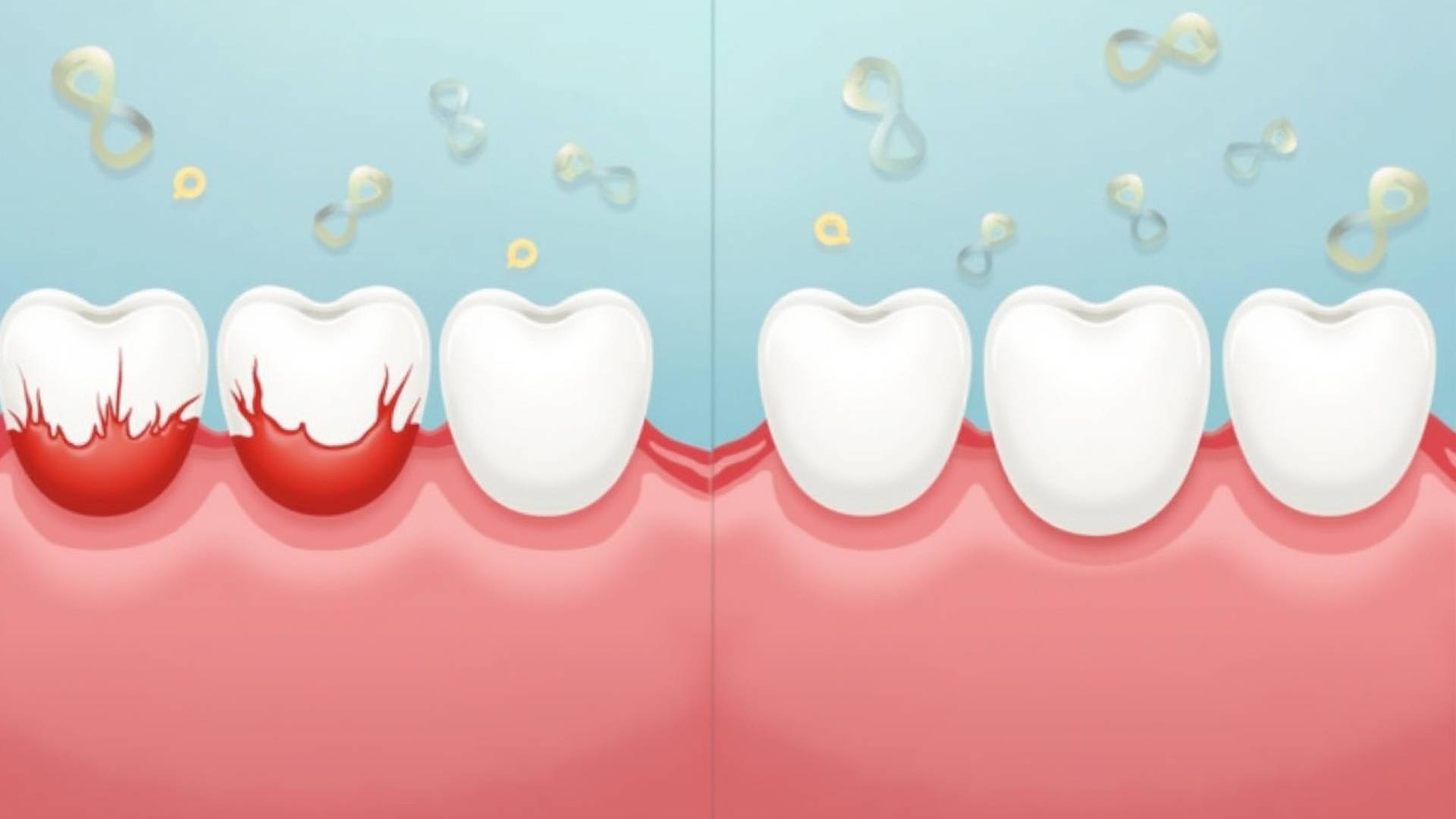
Impacted Wisdom Teeth Surgery Virginia: Advanced Care
✨ This article was AI edited. Editorial responsibility: CityDenten.com.
Virginia impacted wisdom teeth removal surgery is an advanced outpatient oral surgical procedure performed by board-certified oral and maxillofacial surgeons in Northern Virginia and across the Commonwealth. Utilizing 3D CBCT nerve mapping, piezoelectric bone preservation, and IV deep sedation, Virginia surgical centers treat deeply embedded third molars.
Contents
- Clinical Indications for Impacted Third Molar Surgery in Virginia
- Surgical Classifications & Specialist Techniques in Virginia
- Sedation & Anesthesia Options in Virginia Surgical Suites
- 14-Day Post-Operative Recovery Protocol
- Cost and Insurance Factors in Virginia
- Frequently Asked Questions (FAQ)
- What is the best age for impacted wisdom teeth surgery in Virginia?
- Can all four wisdom teeth be removed in one session in Virginia?
- How can dry socket be prevented after surgery?
- What are the symptoms of an infected wisdom tooth in Virginia?
- Are wisdom teeth extractions covered under medical insurance in VA?
Clinical Indications for Impacted Third Molar Surgery in Virginia
In Virginia (including Arlington, Alexandria, Fairfax, Loudoun, McLean, Tysons, and Richmond), third molar impactions are among the most common surgical conditions treated in oral surgery practices. Due to hereditary dental arch deficiencies, wisdom teeth frequently lack the space necessary to erupt into healthy functional occlusion.
Diagnostic indications requiring surgical intervention include:
- Severe Acute Pericoronitis: Painful bacterial infection beneath the mucosal operculum of partially erupted lower wisdom teeth, causing radiating neck pain, trismus, and facial cellulitis.
- Second Molar Root Resorption: Destructive pressure from horizontally impacted third molars causing structural root damage or distal cervical cavities on adjacent second molars.
- Follicular Pathologies: Expanding dentigerous cysts within the unerupted dental follicle that cause progressive bone loss in the angle of the mandible.
- Orthodontic Relapse Prevention: Prophylactic extraction to eliminate late forward forces against the mandibular arch following orthodontic correction.
- Recurrent Facial Pain & Jaw Stiffness: Deep bone impactions exerting pressure on the inferior alveolar neurovascular canal, triggering referred facial pain.
Surgical Classifications & Specialist Techniques in Virginia
| Impaction Classification | Anatomical Description | Virginia Specialist Technique |
|---|---|---|
| Mesioangular Impaction | Crown tilted forward toward 2nd molar roots | Envelope flap reflection, buccal cortical bone troughing, and tooth sectioning |
| Horizontal Impaction | Tooth lying flat at 90 degrees within dense basal bone | Piezoelectric ultrasonic ostectomy, multi-fragment sectioning, and primary closure |
| Vertical Impaction | Straight vertical alignment but locked beneath alveolar bone/gum | Conservative bone guttering and straight elevator luxation under sterile saline cooling |
| Nerve Proximity Case | Roots intimately grooving the Inferior Alveolar Canal | Intentional coronectomy (crown removal with retained non-infected root tips) |
Sedation & Anesthesia Options in Virginia Surgical Suites
Virginia oral surgery centers provide customized sedation protocols administered in fully accredited surgical suites:
- Local Anesthesia: Targeted nerve blocks utilizing Articaine 4% and Bupivacaine 0.5% for extended postoperative analgesia.
- Intravenous (IV) Twilight Sedation: Monitored intravenous sedation (Midazolam and Fentanyl) that allows patients to sleep comfortably throughout the entire surgery with zero recollection.
- General Anesthesia: Fully monitored medical unconsciousness for complex reconstructive cases or severe dental phobia.
14-Day Post-Operative Recovery Protocol
- Day 1: Bite firmly on sterile gauze packs for 45 minutes to establish a stable clot. Apply ice packs externally to the jawline in 20-minute intervals. Avoid rinsing, spitting, or drinking through straws.
- Days 2–3: Switch to warm compresses on the cheeks. Begin gentle warm salt water rinses (1/2 teaspoon salt in 8 oz water) 4 to 5 times daily after meals. Eat soft, cool foods.
- Days 4–7: Soft tissue healing progresses rapidly. Most Virginia patients return to school or professional work within 2 to 3 days.
- Dry Socket Prevention: Strict avoidance of smoking, vaping, carbonated drinks, and suction through straws for at least 7 days post-surgery.
Cost and Insurance Factors in Virginia
Wisdom tooth extraction pricing in Virginia depends on the number of teeth extracted, impaction classification, and sedation duration:
- Simple Erupted Extraction: $200 – $425 per tooth
- Partial Bony Extraction: $400 – $775 per tooth
- Full Bony Extraction: $550 – $1,100 per tooth
- IV Sedation & Monitoring: $450 – $850
- 3D CBCT Diagnostic Scan: $175 – $350
Most major PPO dental plans (Delta Dental of Virginia, CareFirst BlueCross BlueShield, MetLife, Cigna, Guardian, Aetna) cover 50% to 80% of surgical third molar procedures.
Frequently Asked Questions (FAQ)
What is the best age for impacted wisdom teeth surgery in Virginia?
The optimal age range is between 16 and 22 years, when tooth roots are not fully formed and jawbone is less dense, leading to faster recovery and minimal surgical risks.
Can all four wisdom teeth be removed in one session in Virginia?
Yes. Removing all four third molars in a single surgical session under IV sedation is the standard of care, requiring only one anesthesia event and a single recovery period.
How can dry socket be prevented after surgery?
Avoid carbonated drinks, smoking, vaping, and drinking through straws for at least 7 days, and maintain gentle warm salt water rinses starting 24 hours after surgery.
What are the symptoms of an infected wisdom tooth in Virginia?
Key symptoms include severe localized jaw throbbing, bad taste in the mouth, swollen gum tissue behind second molars, fever, and difficulty swallowing or opening the mouth (trismus).
Are wisdom teeth extractions covered under medical insurance in VA?
Yes, when severe bony impactions or pathology are documented with 3D CBCT imaging, surgical third molar extractions often qualify for partial major medical insurance benefits.
Get our latest guides, news, and insights highlighted in your Google Search & AI Overviews.


