Pulling Wisdom Teeth: What to Expect During and After
As we navigate the course of adulthood, one rite of passage that many of us may encounter is the extraction of our wisdom teeth. This common dental procedure can seem daunting, but fear not – we’re here to guide you through what to expect during and after the process. Brace yourself for a journey of numbing injections, gentle tugs, and possibly some post-op discomfort, as we demystify the experience of pulling wisdom teeth.
Contents
- Preparation for Wisdom Teeth Extraction
- The Procedure: What Happens During the Surgery
- Recovery Period: Tips for a Smooth Healing Process
- During and After the Procedure
- Tips for a Smooth Healing Process
- Potential Risks and Complications to Be Aware Of
- Managing Pain and Discomfort Post-Extraction
- Eating and Drinking Guidelines After Surgery
- How to Care for the Extraction Site
- When to Contact Your Dentist for Concerns
- Long-Term Effects of Wisdom Teeth Removal
- Follow-Up Care and Dental Check-Ups
- In Summary
Preparation for Wisdom Teeth Extraction
Before undergoing wisdom teeth extraction, it is important to properly prepare yourself both mentally and physically for the procedure. Here are some key steps to follow:
- Consult with your dentist or oral surgeon: Prior to the extraction, schedule a consultation with your dentist or oral surgeon to discuss the procedure, any concerns you may have, and to ask any questions.
- Arrange for transportation: Since you will be under anesthesia during the procedure, it is important to arrange for someone to drive you to and from the appointment.
- Follow pre-operative instructions: Your dentist or oral surgeon will provide you with specific pre-operative instructions to follow, which may include fasting before the procedure.
| Food to Avoid Before the Procedure | Reason |
|---|---|
| Hot drinks or food | To prevent irritation of the extraction sites |
| Hard or crunchy foods | To avoid putting pressure on the teeth |
| Alcoholic beverages | To prevent potential complications with anesthesia |
By following these preparation steps, you can help ensure a smooth procedure and recovery process for your wisdom teeth extraction.

The Procedure: What Happens During the Surgery
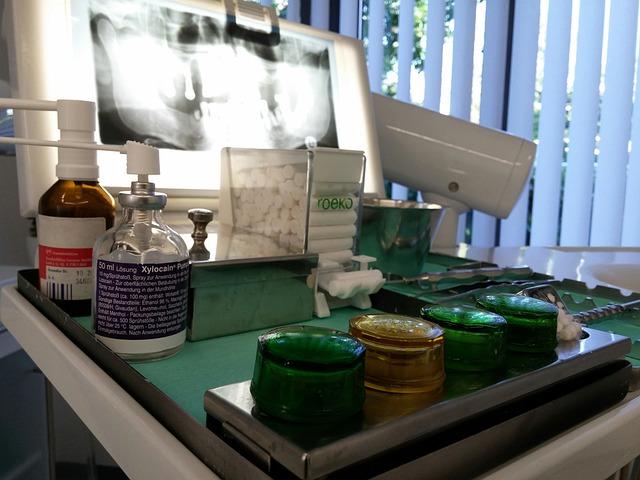
During the wisdom tooth extraction surgery, the dentist or oral surgeon will start by administering local anesthesia to numb the area where the tooth will be removed. In some cases, they may also offer sedation to help you relax during the procedure.
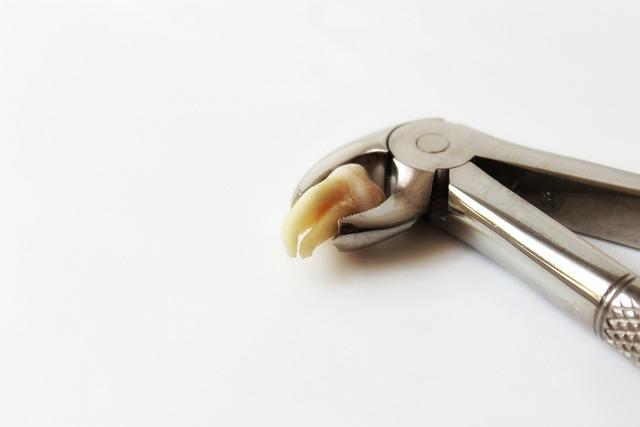
Once the anesthesia has taken effect, the dentist will use special instruments to extract the wisdom tooth. This may involve cutting the gum tissue to access the tooth, breaking the tooth into smaller pieces for easier removal, or extracting it whole.
After the tooth has been removed, the dentist will clean the extraction site and stitch up any wounds if necessary. They will then provide you with post-operative instructions on how to care for your mouth as it heals.
Overall, the entire procedure typically takes less than an hour, and you can expect to experience some discomfort and swelling afterwards. Make sure to follow your dentist’s aftercare instructions carefully to promote proper healing.
Recovery Period: Tips for a Smooth Healing Process
During and After the Procedure
Having your wisdom teeth removed is a common dental procedure that many people experience at some point in their lives. Typically, the process involves a consultation with your oral surgeon, followed by the actual removal of the teeth. During the procedure, you will be under anesthesia to ensure you’re comfortable and pain-free.
After the extraction, it’s normal to experience some bleeding, swelling, and discomfort. Your oral surgeon will provide you with detailed instructions on how to care for your mouth during the recovery period. It’s important to follow these guidelines closely to promote healing and prevent any complications.
Tips for a Smooth Healing Process
- Take pain medication as prescribed by your oral surgeon to manage any discomfort.
- Avoid vigorous rinsing, spitting, or using straws, as these activities can dislodge the blood clot and delay healing.
- Eat soft foods, like soup, yogurt, and mashed potatoes, to prevent irritation to the extraction sites.
- Apply an ice pack to your cheeks to reduce swelling and numb any pain.
Potential Risks and Complications to Be Aware Of
During a wisdom teeth extraction procedure, it’s important to be aware of the potential risks and complications that can arise. While most extractions are straightforward, there are some risks to keep in mind:
- Damage to nearby teeth or nerves
- Infection at the extraction site
- Excessive bleeding
- Dry socket, which occurs when the blood clot at the extraction site is dislodged
It’s crucial to follow post-operative care instructions provided by your dentist or oral surgeon to minimize these risks. Be sure to keep the extraction site clean, avoid vigorous rinsing or spitting, and stick to soft foods for the first few days after the procedure.
| Complication | Likelihood |
|---|---|
| Excessive bleeding | Low |
| Dry socket | Moderate |
| Infection | Low |
By being aware of these potential risks and complications, you can better prepare yourself for what to expect during and after a wisdom teeth extraction. Remember to communicate any concerns or complications with your dental professional promptly for proper care and management.

Managing Pain and Discomfort Post-Extraction
After having your wisdom teeth extracted, it’s normal to experience some pain and discomfort. Here are some tips to help you manage these symptoms:
- Take prescribed pain medication as directed by your dentist or oral surgeon.
- Apply a cold compress to the outside of your cheek to help reduce swelling and numb the area.
- Stick to a soft food diet for the first few days, avoiding crunchy or hard foods that could irritate the extraction site.
- Avoid smoking and using a straw, as the sucking motion could dislodge the blood clot that forms in the extraction site.
If you experience severe or prolonged pain, swelling, or bleeding, be sure to contact your dentist or oral surgeon immediately for further guidance.

Eating and Drinking Guidelines After Surgery
After undergoing wisdom teeth extraction surgery, it is essential to follow proper eating and drinking guidelines to ensure a smooth recovery process.
Here are some tips for what to expect and how to care for yourself:
- Soft Foods: Stick to a diet of soft foods such as yogurt, applesauce, mashed potatoes, and soup to avoid putting pressure on the surgical site.
- Avoid Straws: Refrain from using straws as the sucking motion can dislodge blood clots and delay the healing process.
- Stay Hydrated: Drink plenty of water to stay hydrated, but do so carefully to prevent irritation to the surgical area.
- Limit Alcohol and Caffeine: These substances can interfere with medications and slow down the healing process.
Remember, following these eating and drinking guidelines will help promote faster healing and reduce the risk of complications after your wisdom teeth extraction surgery.

How to Care for the Extraction Site
After getting your wisdom teeth pulled, it’s important to take good care of the extraction site to promote healing and prevent complications. Here are some tips to help you through the recovery process:
- **Keep Gauze in Place:** Bite down gently on the gauze pad provided by your oral surgeon to help stop the bleeding. Change the gauze every 30-45 minutes or as needed.
- **Apply Ice Packs:** To reduce swelling and discomfort, apply an ice pack to your cheek in 15-minute intervals during the first 24 hours after the procedure.
- **Avoid Sucking:** Refrain from activities like drinking through a straw or smoking, as the sucking motion can dislodge the blood clot and delay healing.
- **Eat Soft Foods:** Stick to a diet of soft foods like smoothies, yogurt, and mashed potatoes for the first few days to avoid irritating the extraction site.
| Do: | Follow your oral surgeon’s post-op instructions |
|---|---|
| Don’t: | Brush or rinse vigorously near the extraction site |
By taking proper care of your extraction site, you’ll help ensure a smooth and speedy recovery process. Remember to contact your oral surgeon if you experience excessive bleeding, severe pain, or any other concerning symptoms.
When to Contact Your Dentist for Concerns
One common dental procedure that many people undergo is the extraction of wisdom teeth. This can be necessary when these third molars become impacted, causing pain, infection, or crowding in the mouth. If you’re scheduled to have your wisdom teeth pulled, it’s important to know what to expect during and after the procedure.
During the extraction, your dentist will administer local anesthesia to numb the area around the tooth. They may also offer sedation options to keep you comfortable throughout the procedure. Once the tooth is removed, you may experience some bleeding, swelling, and mild discomfort. Your dentist will provide you with post-operative instructions to help manage these symptoms and promote healing.
After the extraction, it’s important to contact your dentist if you experience any of the following concerns:
– Excessive bleeding that doesn’t stop after applying pressure
– Severe pain that isn’t relieved by prescribed medication
– Signs of infection, such as fever, pus, or swelling that worsens after a few days
– Numbness or tingling in your lips, chin, or tongue that doesn’t improve after a few days
Remember, your dentist is there to help you throughout the extraction process and address any concerns you may have. Don’t hesitate to reach out if you have any questions or experience unexpected symptoms.
Long-Term Effects of Wisdom Teeth Removal
When it comes to removing your wisdom teeth, understanding the potential long-term effects can help you prepare for what to expect during and after the procedure. While the immediate recovery period typically lasts a few days, there are some long-term considerations to keep in mind.
One common long-term effect of wisdom teeth removal is the risk of developing dry socket. This occurs when the blood clot that forms in the extraction site becomes dislodged, exposing the underlying bone and nerves. To avoid this painful complication, be sure to follow your dentist’s post-operative instructions carefully, including avoiding smoking and using straws.
Another potential long-term effect is the development of temporomandibular joint (TMJ) disorders. The stress of the extraction process can sometimes exacerbate pre-existing TMJ issues or lead to new problems. If you experience persistent jaw pain, clicking, or difficulty opening and closing your mouth, be sure to consult with your dentist or oral surgeon.
To minimize the risk of long-term complications, make sure to attend all follow-up appointments with your dentist and communicate any concerns or symptoms you may be experiencing. By staying proactive and informed, you can help ensure a smooth and successful recovery from your wisdom teeth removal.

Follow-Up Care and Dental Check-Ups
After having your wisdom teeth removed, it’s essential to follow up with proper care and regular dental check-ups to ensure a smooth recovery process. During the initial healing period, it’s normal to experience some discomfort, swelling, and bleeding. Here’s what you can expect during and after the extraction:
**During the Extraction:**
– Your dentist or oral surgeon will administer anesthesia to numb the area before extracting the wisdom teeth.
– The extraction process may involve cutting the gum tissue, removing any bone blocking access to the tooth, and dividing the tooth into sections for easier removal.
– After the procedure, your dentist will provide you with post-operative instructions on how to care for the extraction site and manage any pain or swelling.
**After the Extraction:**
– Following the extraction, it’s crucial to rest and avoid strenuous activities for at least 24 hours.
– You may need to stick to a soft diet and avoid drinking through a straw to prevent dislodging the blood clot that forms in the socket.
– Be sure to brush your teeth gently, rinse with warm salt water, and follow any prescribed pain medication to aid in the healing process.
Regular dental check-ups are essential for monitoring your oral health and ensuring proper healing after wisdom teeth removal. Your dentist will assess the extraction site, address any concerns or complications, and provide recommendations for maintaining your oral hygiene. By staying on top of your , you can promote a healthy recovery and prevent any potential issues down the road.
In Summary
As you prepare to have your wisdom teeth removed, remember to stay informed and proactive in your aftercare. Following these key steps can help ensure a smoother recovery process:
– Follow your dentist’s pre and post-operative instructions carefully
– Be mindful of potential risks and complications
– Stay ahead of any discomfort with pain management techniques
– Keep your mouth clean and follow proper hygiene practices
By staying informed and prepared, you can navigate the process of pulling wisdom teeth with confidence and ease. Remember, your dentist is there to support you every step of the way. Here’s to a speedy recovery and a healthier smile!
Get our latest guides, news, and insights highlighted in your Google Search & AI Overviews.