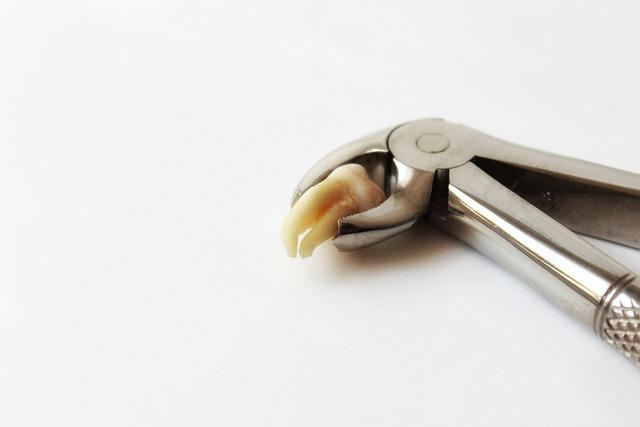
Wisdom Teeth Removal While Nursing: Safety Guidelines
Do you have your wisdom teeth coming in while nursing your baby? It’s a common concern among new moms, but don’t worry – we’ve got you covered! In this article, we will walk you through the safety guidelines for wisdom teeth removal while nursing, so you can make informed decisions for you and your little one. Let’s dive in!
Contents
- Safety Precautions for Nursing Mothers Considering Wisdom Teeth Removal
- Consulting with a Healthcare Provider Before Proceeding with Surgery
- Potential Risks and Complications for Nursing Infants
- Understanding the Impact of Anesthesia on Breastfeeding
- Guidelines for Pumping and Storing Breast Milk Before Surgery
- Post-Operative Care Tips for Nursing Moms
- Medication Management while Breastfeeding Following Wisdom Teeth Removal
- Monitoring for Signs of Infection or Complications in Mother and Infant
- Balancing Recovery Needs with the Demands of Nursing
- Reevaluating Breastfeeding After Wisdom Teeth Removal: When is it Safe to Resume
- To Conclude
Safety Precautions for Nursing Mothers Considering Wisdom Teeth Removal
Before undergoing wisdom teeth removal while nursing, it is crucial for mothers to be aware of certain safety precautions to ensure the well-being of both themselves and their baby. While the procedure is generally safe, there are specific guidelines to follow to minimize any risks or complications.
- Consult with your dentist and primary care physician to discuss the procedure and ensure it is safe for you and your baby.
- Avoid taking any medications that may be harmful to your baby through breast milk. Your dentist can recommend safe alternatives for pain management.
- Plan ahead for any disruptions in breastfeeding that may occur due to the procedure. Pumping and storing breast milk beforehand can help ensure your baby is still receiving proper nutrition during recovery.
- Monitor your baby for any signs of sensitivity or changes in behavior after the procedure. Contact your healthcare provider if you have any concerns.
Table: Examples of Safe Pain Medications for Nursing Mothers
| Medication | Safe for Nursing Mothers? |
|---|---|
| Acetaminophen (Tylenol) | Yes |
| Ibuprofen (Advil, Motrin) | Use with caution |

Consulting with a Healthcare Provider Before Proceeding with Surgery
Before making a decision about undergoing surgery, especially while nursing, it is crucial to consult with a healthcare provider. This is to ensure the safety and well-being of both the mother and the baby. When it comes to wisdom teeth removal while nursing, there are specific safety guidelines that should be followed to minimize any potential risks.
Some important factors to consider when discussing wisdom teeth removal with your healthcare provider include:
- The type of anesthesia that will be used during the procedure and whether it is safe for breastfeeding
- The potential impact on milk supply and breastfeeding schedule
- Any potential risks or complications that may arise from the surgery while nursing
It is important to have an open and honest conversation with your healthcare provider about your concerns and any potential risks involved. They will be able to provide you with the necessary information and guidance to make an informed decision about proceeding with surgery while nursing.

Potential Risks and Complications for Nursing Infants
When it comes to wisdom teeth removal while nursing, there are certain safety guidelines that need to be followed in order to minimize . It is important to consider the impact that anesthesia and pain medications can have on both the mother and the nursing baby.
Some include:
- Transfer of medications through breast milk
- Decreased milk production
- Potential allergic reactions in the nursing baby
- Disruption of the nursing relationship
It is crucial to consult with both your dentist and your healthcare provider before proceeding with wisdom teeth removal while nursing. They can provide guidance on how to safely navigate this situation while prioritizing the health and well-being of both the mother and the nursing infant.

Understanding the Impact of Anesthesia on Breastfeeding
When it comes to nursing mothers undergoing procedures that require anesthesia, there are legitimate concerns about how it may affect breastfeeding. Wisdom teeth removal is a common dental surgery that may be necessary for some individuals. It’s important for nursing mothers to be aware of safety guidelines to ensure both their own well-being and that of their baby.
Factors to consider when getting wisdom teeth removal while nursing:
- The type of anesthesia used: Discuss with your healthcare provider the type of anesthesia that will be used during the procedure and its potential effects on breastfeeding.
- Timing of the surgery: Plan the surgery at a time when you can pump or breastfeed your baby beforehand to minimize the impact of anesthesia on breastfeeding.
- Medications prescribed post-surgery: Ensure that any pain medications prescribed are safe to take while nursing. Consult with a lactation consultant if needed.
| Important Note: | Always consult with your healthcare provider before undergoing any procedure while nursing to ensure the safety of both you and your baby. |
|---|

Guidelines for Pumping and Storing Breast Milk Before Surgery
Being a nursing mother and needing surgery can bring about various concerns, especially when it comes to pumping and storing breast milk. Here are some safety guidelines to consider before undergoing wisdom teeth removal:
- Consult with your healthcare provider: Before the surgery, speak with your healthcare provider about your plans to continue breastfeeding. They can provide personalized advice based on your medical history and the type of surgery you will be undergoing.
- Pump and store extra milk: In the days leading up to your surgery, pump and store extra milk to ensure you have an ample supply for your baby while you recover. Store milk in clean, labeled containers in the refrigerator or freezer.
- Follow proper storage guidelines: Make sure to follow proper guidelines for storing breast milk, such as labeling with the date and time it was expressed, storing in the back of the refrigerator or freezer, and using within the recommended timeframe.
| Date Expressed | Storage Location | Expiration Date |
|---|---|---|
| 10/15/2022 | Freezer | 10/25/2022 |
| 10/18/2022 | Refrigerator | 10/20/2022 |
Remember, it’s essential to prioritize your health during this time, but with careful planning and adherence to guidelines, you can continue to provide your baby with the nourishment they need. If you have any concerns or questions, don’t hesitate to reach out to your healthcare provider for support.
Post-Operative Care Tips for Nursing Moms
After undergoing wisdom teeth removal surgery while nursing, it is important for moms to take extra precautions to ensure a smooth recovery while also ensuring the safety of their baby. Here are some helpful post-operative care tips:
- Stay Hydrated: Drink plenty of water to stay hydrated and promote healing.
- Follow Medication Instructions: Take prescribed pain medication as directed by your dentist or oral surgeon.
- Monitor Breastfeeding: Keep an eye on your baby’s latch and feeding patterns to ensure they are getting enough milk.
- Avoid Hard Foods: Stick to soft foods like yogurt, mashed potatoes, and smoothies to prevent irritation to the surgical site.
| Tip | Description |
|---|---|
| Ice Packs | Use ice packs to reduce swelling and discomfort. |
| Rest | Get plenty of rest to aid in the healing process. |

Medication Management while Breastfeeding Following Wisdom Teeth Removal
Overview
After undergoing wisdom teeth removal, many nursing mothers may be concerned about managing their pain while breastfeeding. It is essential to be cautious when taking medications post-surgery, as certain drugs can pass through breast milk to the baby. By following safety guidelines and consulting with healthcare professionals, mothers can effectively manage their pain while ensuring the well-being of their infants.
Medication Safety Guidelines
- Consult with a Healthcare Provider: Before taking any medication, consult with your healthcare provider to determine which drugs are safe while breastfeeding.
- Avoid Aspirin: Aspirin should be avoided, as it can cause bleeding and harm the baby.
- Opt for Acetaminophen: Acetaminophen is generally considered safe while breastfeeding and can help manage pain post-surgery.
- Consider Alternatives: If stronger pain medication is needed, discuss options with your healthcare provider to find a suitable alternative that is safe for nursing mothers.
Sample Medication Schedule
| Medication | Dosage | Frequency |
|---|---|---|
| Acetaminophen | 500mg | Every 4-6 hours as needed for pain |
| Ibuprofen | 400mg | Every 6-8 hours as needed for inflammation |

Monitoring for Signs of Infection or Complications in Mother and Infant
After undergoing wisdom teeth removal while nursing, it is important to monitor both the mother and infant for any signs of infection or complications. While the procedure itself is generally safe, there are certain guidelines to follow to ensure the well-being of both.
For the mother, keep an eye out for the following signs:
- Increased pain or swelling in the mouth
- Persistent bleeding
- Fever or chills
- Difficulty breathing or swallowing
For the infant, watch for any changes in behavior or feeding patterns. It is also important to continue breastfeeding as it can help with the healing process for both the mother and baby.
| Signs of Infection | Actions to Take |
|---|---|
| Increased pain or swelling | Consult with a healthcare provider |
| Fever or chills | Monitor temperature and seek medical advice if necessary |

Balancing Recovery Needs with the Demands of Nursing
When it comes to , one common concern for nursing mothers is undergoing wisdom teeth removal. While this procedure is often necessary for oral health, it can be challenging to navigate the recovery process while also caring for a newborn. Here are some safety guidelines to keep in mind:
- Consult with your dentist: Before scheduling your wisdom teeth removal, make sure to consult with your dentist and discuss any concerns you may have about nursing. They can provide guidance on the best timing for the procedure and any precautions to take.
- Express milk beforehand: If you anticipate being unable to nurse immediately after the procedure, consider expressing milk beforehand to ensure your baby is still receiving necessary nutrients.
- Monitor pain medication: Be cautious when taking pain medication after the procedure, as certain medications may be unsafe for nursing mothers. Consult with your healthcare provider for recommendations on safe options.
- Rest and recover: It’s important to prioritize your own recovery during this time. Make arrangements for childcare if needed and allow yourself time to rest and heal properly.

Reevaluating Breastfeeding After Wisdom Teeth Removal: When is it Safe to Resume
After undergoing wisdom teeth removal surgery, many nursing mothers may wonder when it is safe to resume breastfeeding. While it is generally safe to continue nursing after the procedure, there are some important factors to consider to ensure the safety of both mother and baby.
One important consideration is the type of anesthesia used during the surgery. If general anesthesia was administered, it is recommended to wait at least 24 hours before breastfeeding again. This allows time for the medication to clear from your system and reduces the risk of transferring any potentially harmful substances to your baby.
Additionally, pain medications prescribed after the surgery may also pass into breast milk. It is essential to consult with your healthcare provider to determine the safety of these medications while breastfeeding. Alternatives may be available that are safer for your baby while still providing adequate pain relief.
Overall, the decision to resume breastfeeding after wisdom teeth removal should be made in consultation with your healthcare provider. By following these safety guidelines and taking necessary precautions, nursing mothers can ensure the well-being of both themselves and their babies during this post-operative period.
To Conclude
In conclusion, if you are a nursing mother facing the prospect of wisdom teeth removal, rest assured that it can be done safely with proper precautions. By following the guidelines outlined in this article, you can minimize any potential risks and continue to provide the best care for your baby. Remember to consult with your healthcare provider for personalized advice and support throughout the process. Your health, and your little one’s, is always the top priority. Take care and stay informed!