Wisdom Teeth Being Pulled: What You Should Know
If you’ve ever had to undergo the hassle of getting your wisdom teeth pulled, you’re not alone. This common dental procedure may seem daunting, but arming yourself with the right information can help ease your worries. From what to expect during the surgery to tips for a smooth recovery, we’ve got you covered with everything you should know about wisdom teeth extraction. So sit back, relax, and let us guide you through this necessary but often misunderstood procedure.
Contents
- Signs that You May Need Your Wisdom Teeth Pulled
- Understanding the Removal Process and What to Expect
- Potential Risks and Complications to Be Aware Of
- Recovery Tips and Pain Management Strategies
- Dietary Recommendations Post-Surgery for Optimal Healing
- Importance of Following Aftercare Instructions from Your Dentist
- Long-Term Benefits of Removing Problematic Wisdom Teeth
- Alternatives to Extraction: When Is it Necessary?
- Consulting with Your Dentist: How to Make an Informed Decision
- Preparing Mentally and Emotionally for Wisdom Teeth Extraction
- The Way Forward
Signs that You May Need Your Wisdom Teeth Pulled
When it comes to your oral health, knowing when to get your wisdom teeth pulled is crucial. There are several signs that may indicate it’s time to consider this procedure:
- Pain or Discomfort: If you’re experiencing persistent pain or discomfort in the back of your mouth, it could be a sign that your wisdom teeth are impacted or infected.
- Swelling: Swelling in the jaw, gums, or face can be a common indicator that your wisdom teeth are causing issues and may need to be removed.
- Difficulty Opening Your Mouth: If you’re having trouble opening your mouth fully or are experiencing stiffness in your jaw, it could be due to your wisdom teeth putting pressure on surrounding teeth.
- Repeated Infections: If you have a history of recurrent infections or cavities in the area of your wisdom teeth, it may be time to consider extraction.
| Signs | Indications |
|---|---|
| Pain or Discomfort | Impacted or infected wisdom teeth |
| Swelling | Wisdom teeth causing issues |
| Difficulty Opening Your Mouth | Pressure on surrounding teeth |
| Repeated Infections | History of infections or cavities |
Ignoring these signs can lead to further complications, so it’s important to consult with your dentist or oral surgeon if you’re experiencing any of these symptoms. They can assess your situation and determine the best course of action for your oral health.

Understanding the Removal Process and What to Expect
Wisdom teeth removal is a common dental procedure that many people undergo at some point in their lives. It is important to understand the process and what to expect during and after the surgery to ensure a smooth recovery.
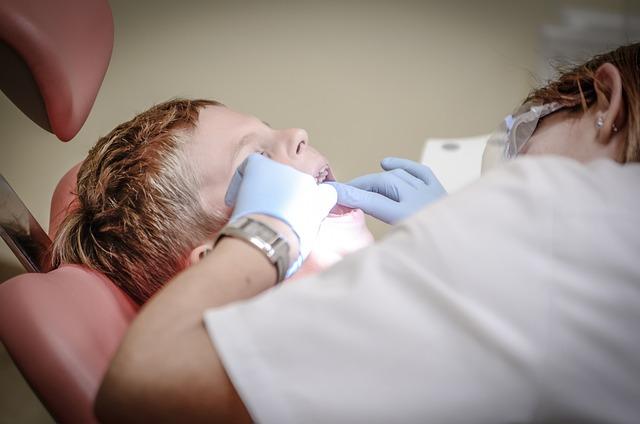
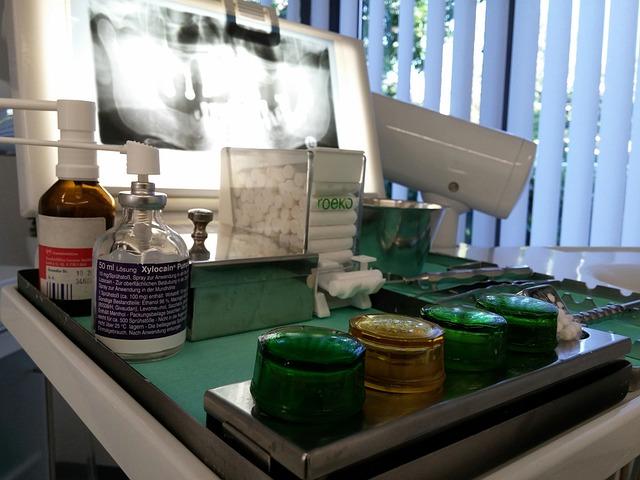
During the removal process, the dentist or oral surgeon will first numb the area with local anesthesia to minimize any pain or discomfort. In some cases, general anesthesia may be used for more complex surgeries. The teeth are then extracted carefully to prevent damage to the surrounding teeth and tissues.
After the surgery, it is normal to experience some swelling and discomfort for a few days. The dentist will provide you with instructions on how to care for your mouth and manage any pain. It is important to follow these instructions carefully to prevent any complications and promote healing.
Overall, wisdom teeth removal is a common and safe procedure that can help prevent issues such as overcrowding, misalignment, and infection. By understanding the process and following post-operative care instructions, you can ensure a successful recovery and maintain good oral health.
Potential Risks and Complications to Be Aware Of
When getting your wisdom teeth pulled, it’s important to be aware of the potential risks and complications that may arise during or after the procedure. While most extractions go smoothly, there are some things to keep in mind:
– **Infection:** There is a risk of developing an infection at the extraction site. This can usually be treated with antibiotics, but it’s important to follow your dentist’s post-operative care instructions to minimize the risk.
– **Dry Socket:** This painful condition can occur when the blood clot that forms in the extraction site is dislodged, exposing the bone and nerves underneath. Your dentist can provide treatment to alleviate the pain and promote healing.
– **Nerve Damage:** There is a slight risk of nerve damage during the extraction process, which could cause numbness or tingling in the lips, tongue, or chin. This is rare, but it’s important to discuss any concerns with your dentist before the procedure.
– **Sinus Complications:** If your upper wisdom teeth are close to your sinuses, there is a risk of developing sinus complications post-extraction. Your dentist will take precautions to minimize this risk, but it’s important to be aware of the possibility.
In general, following your dentist’s instructions for post-operative care and attending follow-up appointments can help minimize the risk of complications and ensure a smooth recovery process. If you experience any severe or prolonged symptoms after your extraction, be sure to contact your dentist for further evaluation.
Recovery Tips and Pain Management Strategies
After having your wisdom teeth pulled, it’s important to follow proper to ensure a smooth healing process. Here are some key things to keep in mind:
- Take it easy: Allow yourself some time to rest and relax after the procedure. Avoid strenuous activities that could hinder the healing process.
- Follow post-op instructions: Your dentist or oral surgeon will provide you with specific guidelines to follow after the extraction. It’s crucial to abide by these instructions to facilitate proper healing.
- Apply ice packs: To reduce swelling and discomfort, apply ice packs to the affected area for the first 24 hours following the extraction.
- Manage pain: Over-the-counter pain medication can help alleviate any discomfort you may experience. Be sure to follow the recommended dosage.
By following these , you can help minimize discomfort and promote a speedy recovery after having your wisdom teeth pulled.
Dietary Recommendations Post-Surgery for Optimal Healing
After getting your wisdom teeth pulled, your diet will play a crucial role in the healing process. Here are some dietary recommendations to ensure optimal healing:
- Stick to soft foods: Opt for options like mashed potatoes, yogurt, smoothies, and soups to avoid putting pressure on your healing gums.
- Avoid crunchy or hard foods: Stay away from foods like nuts, chips, and tough meats that can irritate the surgical site.
- Stay hydrated: Drink plenty of water to prevent dehydration and aid in the healing process.
- Avoid straws: Using a straw can dislodge the blood clot that forms in the extraction site, leading to complications.
By following these dietary recommendations, you can promote faster healing and reduce the risk of complications after getting your wisdom teeth pulled. Remember to follow your oral surgeon’s specific instructions for the best results.
Importance of Following Aftercare Instructions from Your Dentist
Following aftercare instructions from your dentist after having your wisdom teeth pulled is crucial for a smooth and successful recovery process. Your dentist will provide you with specific guidelines tailored to your individual needs, but here are some general tips to keep in mind:
- Prevent infection: It’s important to keep the extraction site clean to prevent infection. Follow your dentist’s recommendations for rinsing and cleaning the area.
- Manage pain: You may experience some discomfort after the procedure. Take any prescribed pain medication as directed and use ice packs to reduce swelling.
- Avoid certain foods: Stick to soft foods that are easy to chew and avoid hard, crunchy, or sticky foods that could irritate the extraction site.
Remember that following aftercare instructions is essential for a speedy recovery and to minimize any complications. If you have any questions or concerns, don’t hesitate to reach out to your dentist for guidance.

Long-Term Benefits of Removing Problematic Wisdom Teeth
When it comes to wisdom teeth, many people experience issues that may require these problematic molars to be removed. While the process of having your wisdom teeth pulled may seem daunting, there are long-term benefits to consider.
Here are some key advantages of removing problematic wisdom teeth:
- Preventing overcrowding in your mouth, which can lead to misalignment of your other teeth.
- Reducing the risk of infections and gum disease that can arise from impacted wisdom teeth.
- Alleviating chronic pain and discomfort associated with impacted or partially erupted wisdom teeth.
- Improving overall oral health and hygiene, making it easier to maintain good dental habits.
| Benefit: | Description: |
| Preventing overcrowding | Helps maintain proper alignment of other teeth |
| Reducing infections | Less risk of gum disease and oral infections |
While the thought of undergoing oral surgery may be intimidating, knowing the can help you make an informed decision about your dental health.

Alternatives to Extraction: When Is it Necessary?
When it comes to wisdom teeth, extraction is often recommended to prevent potential issues such as overcrowding, impaction, or infection. However, there are situations where extraction may not be necessary. Here are some alternatives to extraction and when they may be considered:
- Monitoring: In some cases, dentists may choose to monitor the growth and development of wisdom teeth through regular check-ups and X-rays. If the teeth are not causing any problems and are not likely to do so in the future, extraction may be avoided.
- Partial Extraction: Instead of removing the entire tooth, a dentist may opt for partial extraction where only a portion of the wisdom tooth is removed. This is often done when the tooth is partially impacted or when it is causing issues with neighboring teeth.
- Orthodontic Treatment: If overcrowding is the main concern, orthodontic treatment such as braces or aligners may be used to create space for the wisdom teeth to erupt properly. In some cases, this may eliminate the need for extraction.
- Medication and Home Care: In cases of mild pain or inflammation, dentists may recommend medication and home care practices such as warm saltwater rinses to manage symptoms without the need for extraction.

Consulting with Your Dentist: How to Make an Informed Decision
Before making a decision about getting your wisdom teeth pulled, it is important to consult with your dentist to ensure you are well-informed. Your dentist will be able to provide you with all the necessary information and recommendations to help you make the best decision for your oral health.
During your consultation, be sure to ask your dentist about the following:
- Risks and benefits of wisdom teeth extraction
- Alternative treatment options
- Recovery process and timeline
- Cost of the procedure
Additionally, your dentist may recommend getting X-rays or other imaging tests to better assess the position and condition of your wisdom teeth. This will help determine whether or not extraction is necessary.

Preparing Mentally and Emotionally for Wisdom Teeth Extraction
Before undergoing wisdom teeth extraction, it’s important to prepare yourself mentally and emotionally for the procedure. Many people may feel anxious or nervous about having their wisdom teeth pulled, but being informed and mentally prepared can help alleviate some of these feelings.
Here are some tips to help you prepare for wisdom teeth extraction:
- Discuss any concerns or fears with your dentist or oral surgeon.
- Research the procedure and what to expect during and after the extraction.
- Practice relaxation techniques, such as deep breathing or meditation, to help calm your nerves.
- Arrange for someone to accompany you to the appointment for support.
By taking the time to prepare yourself mentally and emotionally, you can approach your wisdom teeth extraction with confidence and peace of mind.
The Way Forward
In conclusion, undergoing wisdom teeth extraction is a common dental procedure that many people will experience in their lifetime. It’s important to be prepared for the recovery process and follow all post-operative instructions provided by your dentist or oral surgeon. Remember to plan ahead for any time off work or school, and stock up on soft foods to eat during the healing period. By taking proper care of yourself and following the advice of your healthcare professionals, you can ensure a smooth and successful recovery. Stay informed, stay prepared, and remember that you’re in good hands. Take care!