Should You Brush Teeth After Oil Pulling? Oral Hygiene Tips!
Have you joined the oil pulling trend to promote oral health, but wonder if you should brush your teeth afterwards? In this article, we explore the best oral hygiene practices to maximize the benefits of oil pulling. Let’s dive into the facts and tips for a healthier smile!
Contents
- – The Benefits of Oil Pulling for Oral Hygiene
- – Timing is Key: When to Brush Your Teeth After Oil Pulling
- – Maintaining Proper Oral Hygiene Practices
- – The Potential Risks of Brushing Immediately After Oil Pulling
- – Best Practices for Oil Pulling and Brushing
- – Consult with Your Dentist for Personalized Recommendations
- – The Importance of Consistency in Your Oral Care Routine
- – How Oil Pulling Can Complement Your Brushing Routine
- – Addressing Common Misconceptions About Oral Health
- – Finding the Right Balance for a Healthy Smile
- Concluding Remarks
– The Benefits of Oil Pulling for Oral Hygiene
Oil pulling is an ancient oral hygiene practice that involves swishing oil around in your mouth to improve dental health. While there are many benefits to oil pulling, one common question that arises is whether you should brush your teeth after oil pulling. The answer to this question depends on personal preference and the type of oil used during the oil pulling process.
Benefits of oil pulling:
- Removes harmful bacteria and plaque from the mouth
- Reduces bad breath and improves overall oral hygiene
- Helps prevent tooth decay and gum disease
- Whitens teeth naturally without harsh chemicals
Some individuals prefer to brush their teeth immediately after oil pulling to remove any leftover residue, while others choose to wait a little while before brushing. It is generally recommended to brush your teeth after oil pulling to ensure all bacteria and toxins are removed from the mouth.
Tips for maintaining good oral hygiene:
- Use a fluoride toothpaste to strengthen tooth enamel
- Floss daily to remove food particles and plaque between teeth
- Visit your dentist regularly for cleanings and check-ups
- Eat a healthy diet rich in fruits and vegetables for strong teeth and gums
Overall, oil pulling can be a beneficial addition to your oral hygiene routine, but it is important to remember to brush your teeth afterwards to maximize the benefits. By incorporating oil pulling into your daily routine and following good oral hygiene practices, you can achieve a healthy and beautiful smile.
– Timing is Key: When to Brush Your Teeth After Oil Pulling
After completing your oil pulling routine, it is essential to consider the timing of when to brush your teeth. While some may argue that brushing immediately after oil pulling is beneficial, others believe that waiting a bit is more effective. Here are some key points to keep in mind:
- **Wait at least 30 minutes:** It is generally recommended to wait at least 30 minutes after oil pulling before brushing your teeth. This allows your mouth to rest and gives the oil enough time to work its magic.
- **Oil pulling can loosen debris:** Oil pulling can help loosen plaque and debris from your teeth, making it easier to brush them away after the process is completed.
- **Gentle brushing:** When you do brush your teeth after oil pulling, remember to do so gently. Harsh brushing can damage your enamel and gums, so opt for a soft-bristled brush and take your time.
| Timing | Recommendation |
|---|---|
| Immediately after oil pulling | Some believe it is beneficial, but gentle brushing is key. |
| 30 minutes after oil pulling | Recommended to allow the oil to work its magic. |
Ultimately, the timing of when to brush your teeth after oil pulling is a personal preference. Experiment with different timings to see what works best for your oral hygiene routine. Remember to be gentle with your brushing, no matter when you choose to do it!

– Maintaining Proper Oral Hygiene Practices
When it comes to maintaining proper oral hygiene practices, there are various techniques and habits that can help keep your mouth healthy and clean. One common practice that has gained popularity in recent years is oil pulling. Oil pulling is an ancient Ayurvedic practice that involves swishing oil around in your mouth to remove bacteria and improve oral health.
But should you brush your teeth after oil pulling? The answer is yes! While oil pulling can help remove bacteria and toxins from your mouth, it is not a replacement for brushing your teeth. Brushing your teeth is still essential for removing food particles, plaque, and bacteria that can contribute to tooth decay and gum disease.
Here are some additional oral hygiene tips to help you maintain a healthy smile:
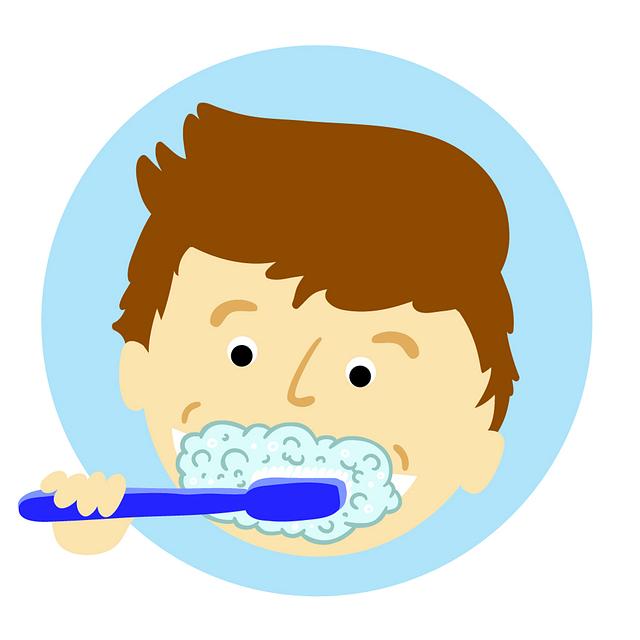
- Brush your teeth at least twice a day, for two minutes each time.
- Use a fluoride toothpaste to help strengthen tooth enamel.
- Floss daily to remove plaque and food particles from between your teeth.
- Visit your dentist regularly for check-ups and cleanings.
– The Potential Risks of Brushing Immediately After Oil Pulling
Many people swear by the practice of oil pulling for its numerous oral health benefits, including whitening teeth and reducing bacteria in the mouth. However, there is some debate among dental professionals about whether it is safe to brush your teeth immediately after oil pulling. Here are some potential risks to consider:
- Abrasion: Brushing too soon after oil pulling could potentially cause abrasion to the teeth, as the oil may soften the enamel temporarily. It is recommended to wait at least 30 minutes before brushing to avoid any damage to the enamel.
- Disruption of Beneficial Bacteria: Oil pulling helps to remove harmful bacteria from the mouth, but it may also remove some of the beneficial bacteria that help maintain oral health. Brushing immediately afterwards could disrupt this balance.
- Sensitivity: Some people may experience increased tooth sensitivity after oil pulling, especially if they have sensitive teeth to begin with. Brushing too soon could exacerbate this sensitivity.
It is important to consult with your dentist to determine the best oral hygiene routine for your specific needs. They can provide personalized recommendations based on your oral health history and any existing conditions. In the meantime, consider waiting at least 30 minutes after oil pulling before brushing to minimize any potential risks.
– Best Practices for Oil Pulling and Brushing
Oil pulling is an ancient Ayurvedic practice that has gained popularity in recent years for its supposed oral health benefits. Many believe that swishing oil around in your mouth can help remove toxins, whiten teeth, and freshen breath. But what about brushing your teeth after oil pulling?
While there is no hard and fast rule about whether you should brush your teeth immediately after oil pulling, some dentists recommend waiting at least 20 minutes before brushing to allow the oil to fully do its job. This allows the oil to effectively bind to bacteria and plaque in your mouth, making it easier to remove when you brush.
When it comes to brushing, it’s important to follow best practices to ensure you are effectively cleaning your teeth and gums. Here are some tips to keep in mind:
– Use a soft-bristled toothbrush to avoid damaging your enamel and gums.
– Brush in gentle, circular motions to remove plaque and food particles effectively.
– Be sure to brush for at least two minutes to thoroughly clean your entire mouth.
– Don’t forget to brush your tongue to remove bacteria and freshen your breath.
By incorporating oil pulling into your oral hygiene routine and following best practices for brushing, you can maintain a healthy and radiant smile. Remember, consistency is key when it comes to oral health, so make sure to stick to a regular routine that works for you.
– Consult with Your Dentist for Personalized Recommendations
When it comes to oral hygiene, there are many questions that often arise, such as whether or not you should brush your teeth after oil pulling. While oil pulling has been shown to have some benefits for oral health, it is still important to maintain a regular brushing routine to remove any remaining bacteria and plaque.
Consult with your dentist to get personalized recommendations on how to incorporate oil pulling into your oral hygiene routine. Your dentist can provide valuable insights based on your specific dental health needs and concerns.
To ensure that you are practicing good oral hygiene habits, consider the following tips:
- Brush properly: Make sure to brush your teeth at least twice a day for two minutes each time. Use a soft-bristled toothbrush and fluoride toothpaste.
- Floss daily: Clean between your teeth with dental floss or interdental brushes to remove plaque and prevent cavities.
- Visit your dentist regularly: Schedule routine dental check-ups and cleanings to maintain optimal oral health.
Remember, a good oral hygiene routine is essential for keeping your teeth and gums healthy. By consulting with your dentist and following their personalized recommendations, you can achieve a brighter and healthier smile.

– The Importance of Consistency in Your Oral Care Routine
Consistency in your oral care routine is crucial for maintaining good oral hygiene and preventing dental issues. This means sticking to a regular schedule of brushing, flossing, and using mouthwash every day. By being consistent with your oral care habits, you can effectively remove plaque and bacteria, which can help prevent cavities, gum disease, and bad breath.
One common question that often comes up is whether you should brush your teeth after oil pulling. Oil pulling is an ancient practice that involves swishing oil around in your mouth to remove toxins and improve oral health. While oil pulling can be beneficial, it’s important to note that it should not replace your regular oral care routine.
After oil pulling, be sure to wait at least 30 minutes before brushing your teeth. This allows the oil to do its job of pulling out toxins without interference from toothpaste. Brushing too soon after oil pulling can potentially negate its benefits. Remember to also floss and rinse with mouthwash as part of your regular routine for comprehensive oral care.
– How Oil Pulling Can Complement Your Brushing Routine
Oil pulling is a traditional Ayurvedic practice that involves swishing oil around in your mouth to improve overall oral health. Many people wonder if they should brush their teeth after oil pulling, and the answer is not as straightforward as you might think. While oil pulling can be a great addition to your brushing routine, it is important to follow some oral hygiene tips to get the most out of this practice.
One of the key benefits of oil pulling is its ability to remove harmful bacteria and toxins from your mouth. This can help to freshen your breath, whiten your teeth, and improve your overall oral health. However, oil pulling is not a replacement for brushing your teeth, as it does not remove plaque and food particles that can lead to cavities and gum disease.
So, should you brush your teeth after oil pulling? The answer is yes! Brushing your teeth after oil pulling can help to remove any remaining bacteria and debris from your mouth, ensuring that your teeth and gums stay healthy and clean. Make sure to use a fluoride toothpaste and brush for at least two minutes, paying special attention to all surfaces of your teeth.
In addition to brushing your teeth after oil pulling, there are a few other oral hygiene tips to keep in mind. Remember to floss daily, visit your dentist regularly for check-ups and cleanings, and maintain a healthy diet and lifestyle. By incorporating oil pulling into your brushing routine and following these tips, you can achieve optimal oral health and a bright, confident smile!

– Addressing Common Misconceptions About Oral Health
One common misconception about oral health is whether you should brush your teeth after oil pulling. Oil pulling is an ancient practice that involves swishing oil around in your mouth to remove toxins and improve oral health. While oil pulling can be beneficial for oral health, it is best done before brushing your teeth. This is because oil pulling can loosen plaque and bacteria, making it easier to remove them with a toothbrush.
Another misconception is that brushing your teeth harder will result in cleaner teeth. In reality, brushing too hard can actually damage your tooth enamel and gums. It is important to use a soft-bristled toothbrush and gentle, circular motions to effectively clean your teeth without causing harm.
Additionally, many people believe that flossing is not necessary if they brush their teeth thoroughly. However, flossing is essential for removing plaque and food particles from between your teeth, where a toothbrush cannot reach. Incorporating flossing into your daily oral hygiene routine can help prevent cavities and gum disease.

– Finding the Right Balance for a Healthy Smile
Oil pulling has gained popularity as a natural remedy for improving oral health, but many people are unsure about the best practices to follow after completing this ancient technique. One common question that arises is whether you should brush your teeth after oil pulling. The answer may surprise you – it’s actually recommended to wait at least 30 minutes before brushing your teeth after oil pulling.
When you oil pull, you are essentially swishing oil around in your mouth to remove bacteria and toxins. Brushing immediately after oil pulling can potentially push the bacteria back into your teeth and gums. Waiting 30 minutes allows the oil to continue working its magic before you brush away any residue.
In addition to waiting to brush your teeth after oil pulling, it’s important to incorporate other oral hygiene habits into your routine to maintain a healthy smile. Here are some tips to help you find the right balance for optimal oral health:
- Brush your teeth at least twice a day for two minutes each time
- Use a fluoride toothpaste to strengthen enamel and prevent cavities
- Floss daily to remove plaque and food particles between your teeth
- Visit your dentist regularly for check-ups and cleanings
Concluding Remarks
In conclusion, incorporating oil pulling into your oral hygiene routine can offer a variety of benefits, such as reducing bacteria in the mouth and improving overall gum health. It is generally recommended to brush your teeth after oil pulling to ensure the removal of any remaining toxins and bacteria. Remember to use a soft-bristled toothbrush and gentle pressure to avoid damaging the enamel. Maintaining a consistent oral hygiene routine that includes oil pulling and brushing can help keep your smile healthy and bright. So go ahead and give it a try – your teeth will thank you!