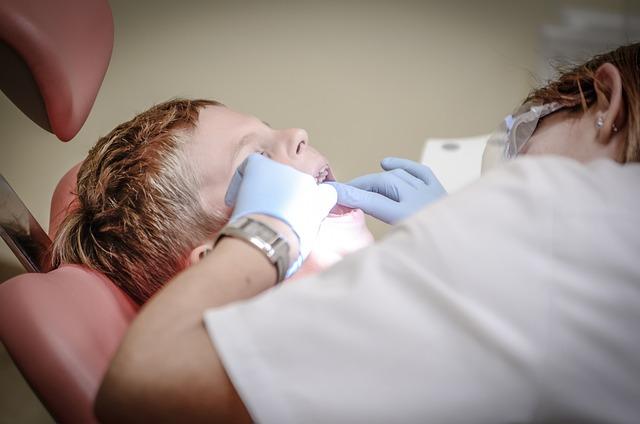
Removing Wisdom Teeth at 30: What You Need to Know
As we enter our 30s, many of us may find ourselves faced with the common dental procedure of having our wisdom teeth removed. But what exactly does this entail, and what should you know before going under the knife? In this article, we’ll break down everything you need to know about removing your wisdom teeth at 30. So buckle up and get ready to leave that pesky dental pain in the past!
Contents
- Is it Necessary to Remove Wisdom Teeth at 30?
- Potential Complications of Removing Wisdom Teeth in Your 30s
- Recovery Process for Wisdom Teeth Removal at 30
- Benefits of Removing Wisdom Teeth at an Older Age
- Preparing for Wisdom Teeth Extraction in Your 30s
- What You Need to Know About Wisdom Teeth Removal in Your 30s
- Choosing the Right Oral Surgeon for Wisdom Teeth Removal
- Long-Term Effects of Keeping Wisdom Teeth in Your 30s
- Understanding the Risks and Benefits of Wisdom Teeth Extraction
- Alternative Options to Removing Wisdom Teeth at 30
- Post-Operative Care Tips for Wisdom Teeth Removal at 30
- To Conclude
Is it Necessary to Remove Wisdom Teeth at 30?
Wisdom teeth, also known as third molars, typically start to emerge between the ages of 17 and 25. However, for some individuals, these teeth may not fully erupt until later in life, including in their 30s. The decision to remove wisdom teeth at the age of 30 is not always necessary, but there are certain factors to consider.
One of the main reasons for removing wisdom teeth is due to issues such as impaction, crowding, or infection. If the wisdom teeth are causing pain, discomfort, or are impacting the surrounding teeth, it may be recommended to have them removed. Additionally, if there is a risk of future complications such as decay or gum disease, extraction may be advised.
It is important to consult with a dentist or oral surgeon to assess the health and position of your wisdom teeth. They can provide recommendations based on your individual situation and any potential risks or benefits of removal. Ultimately, the decision to remove wisdom teeth at the age of 30 will depend on the specific circumstances and needs of the individual.
Remember, each person’s oral health is unique, so it’s crucial to seek professional advice and guidance when considering wisdom teeth removal at any age.

Potential Complications of Removing Wisdom Teeth in Your 30s
As we enter our 30s, many of us may still have our wisdom teeth intact. While wisdom teeth removal is common during the teenage years, some individuals may need to have them extracted later in life. However, there are potential complications that come with removing wisdom teeth in your 30s that you should be aware of.
- Increased risk of complications: The older you are, the more likely you are to experience complications during and after wisdom tooth extraction. This includes a higher risk of infection, nerve damage, and prolonged recovery time.
- Difficulty with tooth roots: In your 30s, wisdom teeth roots may be more firmly anchored in your jawbone, making extraction more challenging and increasing the risk of damaging surrounding teeth and structures.
- Longer recovery time: Healing tends to be slower as we age, so recovering from wisdom tooth extraction in your 30s may take longer than if you were younger. You may also experience more discomfort and swelling post-surgery.
| Complications | Solutions |
|---|---|
| Infection | Follow post-operative care instructions, take prescribed antibiotics |
| Nerve damage | Choose an experienced oral surgeon, discuss risks with your dentist |
It’s important to consult with your dentist or oral surgeon if you are considering removing your wisdom teeth in your 30s. They can provide you with personalized advice based on your unique situation and help minimize the risk of complications.

Recovery Process for Wisdom Teeth Removal at 30
If you’re facing the prospect of having your wisdom teeth removed at the age of 30, you may be wondering about the recovery process. While recovery time can vary from person to person, there are some general guidelines to keep in mind.
Here’s what you can expect during the recovery process:
- Pain and Swelling: It’s normal to experience some pain and swelling after wisdom teeth removal. Your dentist may prescribe pain medication to help manage discomfort.
- Diet: Stick to soft foods like soups, smoothies, and mashed potatoes for the first few days. Avoid crunchy or hard foods that may irritate the extraction sites.
- Activity: Rest and avoid strenuous activity for the first few days. Gentle walks are fine, but avoid heavy lifting or intense exercise.
- Follow-Up Care: Attend any scheduled follow-up appointments with your dentist to ensure proper healing. They may recommend additional care or medications if needed.

Benefits of Removing Wisdom Teeth at an Older Age
Many people may not realize that there can actually be benefits to delaying the removal of wisdom teeth until a later age, such as in your 30s. While it is common for wisdom teeth to be removed in the late teenage years or early twenties, there are some advantages to waiting until you are older.
:
- Wisdom teeth may be fully developed, making extraction easier and less likely to cause complications.
- Adults tend to experience less pain and faster healing after wisdom tooth removal compared to younger individuals.
- By waiting until later in life, you may have a better understanding of the procedure and be more prepared for the recovery process.
| Age Group | Common Wisdom Tooth Complications |
|---|---|
| Teens/Early 20s | Impacted teeth, infections, crowding |
| 30s and Older | Fully developed teeth, less pain, faster healing |
Ultimately, the decision to remove wisdom teeth at an older age should be made in consultation with your dentist or oral surgeon. They can assess your individual situation and provide guidance on the best course of action for your oral health.

Preparing for Wisdom Teeth Extraction in Your 30s
What You Need to Know About Wisdom Teeth Removal in Your 30s
Removing wisdom teeth in your 30s can be a common procedure that many adults undergo. While the thought of oral surgery may seem daunting, knowing what to expect can help ease any anxiety you may have. Here are some important things to keep in mind when preparing for wisdom teeth extraction:
- Consult with a Professional: Before scheduling your procedure, it’s essential to consult with a dental professional to determine if wisdom teeth removal is necessary for you. They will evaluate your oral health and determine the best course of action.
- Understand the Procedure: Wisdom teeth removal is typically done under local or general anesthesia, depending on the complexity of the extraction. Your dentist or oral surgeon will explain the process and provide you with post-operative instructions for a successful recovery.
- Plan for Recovery: Recovery time after wisdom teeth removal can vary, but it’s essential to plan for rest and relaxation afterward. Stock up on soft foods, ice packs, and any prescribed medications to help manage pain and swelling.
| Age Group | Percentage of Adults with Wisdom Teeth |
|---|---|
| 30s | 85% |
| 40s | 70% |

Choosing the Right Oral Surgeon for Wisdom Teeth Removal
When it comes to getting your wisdom teeth removed at the age of 30, it’s important to choose the right oral surgeon who can provide you with the best care and results. Here are some key factors to consider when selecting an oral surgeon for your wisdom teeth removal:
Experience: Look for an oral surgeon who has extensive experience in performing wisdom teeth removal procedures. You want someone who has successfully removed countless wisdom teeth and has a proven track record of positive outcomes.
Expertise: Ensure that the oral surgeon you choose specializes in oral surgery and has the expertise to handle complex wisdom teeth extractions. They should be able to address any potential complications that may arise during the procedure.
- Recommendations: Ask friends, family, or your dentist for recommendations on oral surgeons they trust and have had positive experiences with.
- Consultation: Schedule a consultation with the oral surgeon to discuss your specific needs, concerns, and treatment plan. This will give you the opportunity to ask any questions and address any apprehensions you may have.
| Oral Surgeon | Experience | Expertise |
|---|---|---|
| Dr. Smith | 15 years | Specializes in wisdom teeth removal |
| Dr. Johnson | 20 years | Expert in complex extractions |

Long-Term Effects of Keeping Wisdom Teeth in Your 30s
Keeping wisdom teeth in your 30s can have potential long-term effects on your oral health. While some people may not experience any problems with their wisdom teeth, others may face issues such as overcrowding, infection, or misalignment of surrounding teeth.
One of the main reasons for removing wisdom teeth in your 30s is to prevent future complications. As you age, the risk of developing problems with your wisdom teeth increases, making it more difficult to remove them later on. By taking proactive measures now, you can avoid painful and costly procedures down the road.
Wisdom teeth can also cause issues with chewing and cleaning your teeth properly. If your wisdom teeth are impacted or growing in at an angle, they can create pockets where food particles and bacteria can accumulate, leading to decay and gum disease.
It is important to consult with your dentist or oral surgeon to determine the best course of action for your wisdom teeth. They can provide you with personalized advice and recommendations based on your individual oral health needs.
Understanding the Risks and Benefits of Wisdom Teeth Extraction
When it comes to removing wisdom teeth, age is a significant factor to consider. By the age of 30, most people have developed all their wisdom teeth, making it a common time for extraction. Understanding the risks and benefits of this procedure is essential for making an informed decision.
One of the benefits of wisdom teeth extraction is preventing potential problems in the future. Wisdom teeth can often become impacted, leading to pain, infection, and even damage to surrounding teeth. By removing them, these issues can be avoided.
On the other hand, there are risks associated with wisdom teeth extraction, such as the possibility of nerve damage, dry socket, and infection. It is important to discuss these risks with your dentist or oral surgeon before proceeding with the procedure.
Overall, the decision to remove wisdom teeth at 30 should be made based on individual circumstances and consultation with a dental professional. By weighing the risks and benefits, you can make the best choice for your oral health.
Alternative Options to Removing Wisdom Teeth at 30
When it comes to wisdom teeth removal at the age of 30, many people are hesitant due to concerns about the procedure and recovery process. However, there are alternative options to consider before going under the knife:
- Monitor and wait: If your wisdom teeth are not causing any pain or issues, your dentist may recommend simply monitoring them regularly to ensure they don’t cause any problems in the future.
- Orthodontic treatment: In some cases, orthodontic treatment may be able to create enough space in your mouth to accommodate your wisdom teeth, eliminating the need for extraction.
- Non-surgical interventions: Some dentists may recommend non-surgical interventions such as antibiotics or pain management techniques to alleviate any discomfort caused by wisdom teeth.
Post-Operative Care Tips for Wisdom Teeth Removal at 30
After undergoing wisdom teeth removal at 30, it is crucial to follow proper post-operative care to ensure a speedy and smooth recovery. Here are some essential tips to help you navigate this period:
- Follow your dentist’s instructions: Make sure to carefully follow all post-operative care instructions provided by your dentist, including taking prescribed medications and attending follow-up appointments.
- Manage pain and swelling: Use ice packs to reduce swelling and take pain relievers as directed by your dentist to alleviate any discomfort.
- Stick to a soft diet: Opt for soft foods and liquids to avoid irritating the surgical site. Foods like yogurt, mashed potatoes, and soup can be gentle on your mouth.
- Maintain oral hygiene: Gently rinse your mouth with saltwater to keep the surgical area clean and prevent infection. Avoid brushing near the surgical site initially to avoid irritation.
| Day | Activity |
|---|---|
| Day 1 | Rest and avoid strenuous activities |
| Day 3 | Begin gently brushing your teeth |
| Day 7 | Consult your dentist if you experience prolonged pain or swelling |
To Conclude
In conclusion, getting your wisdom teeth removed at 30 is a common procedure that can help prevent potential complications in the future. It is important to consult with your dentist or oral surgeon to discuss the best options for your individual situation. Remember to follow post-operative care instructions to ensure a smooth recovery process. Overall, taking care of your oral health is essential at any age, so don’t hesitate to address any concerns you may have about your wisdom teeth. Stay informed, stay proactive, and keep smiling bright!