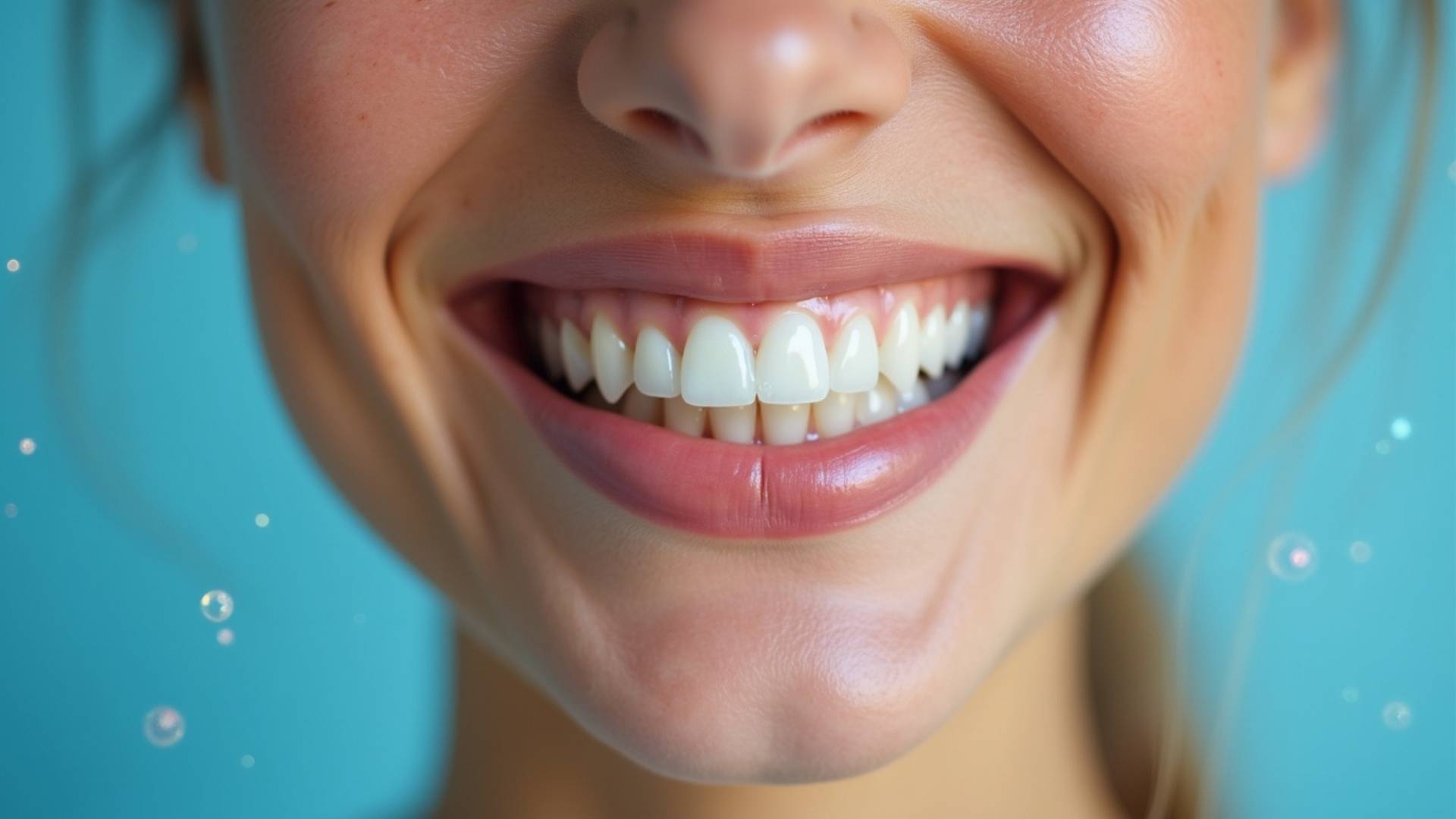
Pulling Teeth for Dentures: Preparing for Your New Smile
Are you gearing up for a brand new smile with dentures? In this article, we’ll walk you through the process of pulling teeth in preparation for your new grin. From what to expect during the procedure to tips for a smooth recovery, we’ve got you covered. So sit back, relax, and get ready to say hello to your beautiful new smile!
Contents
Preparing for the Procedure
Before getting your teeth pulled for dentures, there are a few steps you can take to prepare yourself for the upcoming procedure. Here are some tips to help you get ready:
- Consult with Your Dentist: Schedule an appointment with your dentist to discuss the process of getting dentures and what to expect during the procedure.
- Arrange Transportation: Since you may be feeling groggy or sore after the extraction, it’s best to have someone available to drive you home after the appointment.
- Stock Up on Soft Foods: After the procedure, you’ll want to stick to a soft food diet while your mouth heals. Stock up on items like soup, yogurt, and mashed potatoes to make eating easier.
- Follow Pre-Operative Instructions: Your dentist may provide you with specific instructions to follow before the procedure, such as avoiding eating or drinking for a certain period of time. Be sure to follow these guidelines closely.

Consultation with Your Dentist
Before getting dentures, it’s essential to consult with your dentist to ensure you are prepared for the process. During this consultation, your dentist will discuss your options, assess your oral health, and create a treatment plan tailored to your needs.
Here are some important points to consider during your consultation:
- Health assessment: Your dentist will examine your teeth and gums to determine if any extractions or treatments are needed before getting dentures.
- Denture options: Your dentist will explain the different types of dentures available and help you choose the best option based on your lifestyle and budget.
- Preparation: Your dentist will outline any steps you need to take before getting dentures, such as additional dental work or adjustments to your oral hygiene routine.
| Tip: | Bring a list of questions to your consultation to ensure you have all the information you need to make an informed decision about getting dentures. |

Extraction Process and Aftercare
When it comes to getting dentures, understanding the is crucial for a successful transition to your new smile. The procedure of pulling teeth for dentures involves several steps that are designed to ensure your comfort and wellbeing throughout the process.
During the extraction process, your dentist will:
- Administer local anesthesia to numb the area
- Gently remove the teeth that will be replaced by dentures
- Clean the extraction sites to prevent infection
- Provide you with aftercare instructions to promote healing
After the extractions, it’s important to take care of your oral health to prevent complications and promote proper healing. Here are some tips for aftercare:
- Avoid smoking and drinking through a straw to prevent dry socket
- Eat soft foods and avoid chewing on the extraction sites
- Rinse your mouth with salt water to reduce swelling and discomfort
- Follow up with your dentist for any concerns or issues
| Tip: | Use a cold compress to reduce swelling and discomfort in the first 24 hours after the extractions. |

Choosing the Right Dentures
When it comes to for your smile, there are a few key factors to consider. First and foremost, it’s important to consult with your dentist to determine the best option for your individual needs. They will be able to assess your oral health and recommend the most suitable type of dentures for you.
There are several different types of dentures available, including:
– Full dentures: These are used when all of the natural teeth are missing. They can either be conventional full dentures, which are placed after the teeth have been removed and the gums have healed, or immediate full dentures, which are placed immediately after tooth removal.
– Partial dentures: These are used when only some of the natural teeth are missing. They are attached to the remaining teeth with metal or acrylic clasps.
– Implant-supported dentures: These are dentures that are supported by dental implants, providing a more secure and natural-looking fit.
When for you, it’s important to consider factors such as comfort, fit, and durability. Your dentist will work with you to find the best option that meets your needs and gives you the confidence to smile again. Remember, investing in the right dentures is an investment in your oral health and overall well-being.
Adjusting to Your New Smile
After undergoing the process of getting dentures, it’s important to understand that there will be an adjustment period as you get used to your new smile. Here are some tips to help you through this transition:
- Take it slow: Give yourself time to adapt to speaking and eating with your new dentures. It may feel strange at first, but with practice, you will become more comfortable.
- Practice good oral hygiene: Just because you have dentures doesn’t mean you can skip brushing and flossing. It’s important to keep your gums and any remaining teeth healthy.
- Stay positive: Embrace your new smile and be patient with yourself as you navigate this change. Remember, you are taking steps towards better oral health.
Remember, it’s normal to experience some discomfort or soreness in the beginning, but if you have persistent pain or issues with your dentures, don’t hesitate to contact your dentist for assistance. Your new smile is worth the adjustment period, and soon enough, you’ll be smiling confidently once again.
The Way Forward
In conclusion, preparing for dentures can be a daunting process, but with the right knowledge and preparation, you can ensure a smooth transition to your new smile. Remember to communicate openly with your dentist, maintain good oral hygiene, and be patient as you adjust to your new dentures. By following these key steps, you’ll be well on your way to a confident and comfortable smile. So don’t fear the process of pulling teeth for dentures – embrace the opportunity to enhance your smile and overall oral health. Here’s to your new and improved smile!