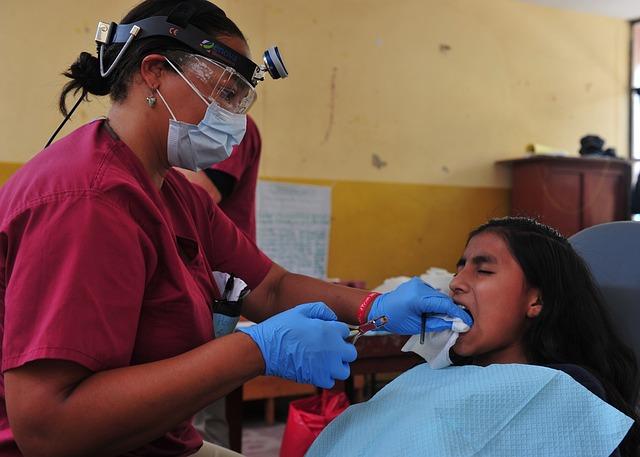
Pulling a Broken Wisdom Tooth: What You Should Do
Dealing with a broken wisdom tooth can be a painful and stressful experience. Knowing what steps to take can make all the difference in your recovery process. In this article, we’ll discuss everything you need to know about pulling a broken wisdom tooth and how to handle the situation with confidence and ease. Whether you’re experiencing tooth pain or simply seeking guidance, we’ve got you covered. Let’s dive in and explore the best course of action for your broken wisdom tooth.
Contents
- – Signs of a Broken Wisdom Tooth
- – When to Seek Professional Help
- – Home Remedies for Relieving Discomfort
- – Risks and Dangers of Pulling a Broken Wisdom Tooth at Home
- – The Importance of Proper Aftercare
- – Best Practices for Pain Management
- – Reasons to Consult with a Dentist Before Attempting to Remove a Broken Wisdom Tooth
- Reasons to Consult with a Dentist Before Attempting to Remove a Broken Wisdom Tooth
- – Common Myths About DIY Tooth Extraction
- – Potential Complications of Mishandling a Broken Wisdom Tooth
- – Final Thoughts: Always Put Your Health First
- In Conclusion
– Signs of a Broken Wisdom Tooth
If you are experiencing pain, swelling, or discomfort in the back of your mouth, you may have a broken wisdom tooth. It is essential to recognize the signs of a broken wisdom tooth so that you can take the necessary steps to address the issue.
Signs of a Broken Wisdom Tooth:
- Pain or discomfort in the back of the mouth
- Swelling or inflammation around the affected area
- Bleeding or tender gums
- Difficulty opening your mouth fully
It is crucial to address a broken wisdom tooth promptly to prevent further complications. Ignoring the issue can lead to infection, abscess, or even damage to surrounding teeth. If you suspect that you have a broken wisdom tooth, it is recommended to seek assistance from a dental professional.

– When to Seek Professional Help
If you are experiencing severe pain or swelling in your mouth, it may be a sign that you have a broken wisdom tooth. In some cases, the tooth may need to be extracted by a dental professional. Here are some signs that indicate it’s time to seek professional help:
- Intense pain: If you are experiencing severe pain in the area of your broken wisdom tooth, it could be a sign that the tooth is infected or causing damage to surrounding teeth.
- Swelling: Swelling in the gums or cheeks near the broken tooth could indicate an infection that needs to be treated by a dentist.
- Difficulty chewing: If you are having trouble chewing or opening your mouth fully due to pain or discomfort from the broken tooth, it’s best to seek professional help.
- Persistent bleeding: If the broken tooth is causing persistent bleeding in your mouth, it could be a sign of a more serious issue that needs to be addressed by a dentist.
In these situations, it is crucial to seek professional help from a dentist who can assess the situation and determine the best course of action. Trying to pull out a broken wisdom tooth on your own can lead to further complications and may worsen the problem. Remember, it’s always best to trust the expertise of a trained professional when it comes to dental issues.
– Home Remedies for Relieving Discomfort
When facing the discomfort of a broken wisdom tooth, it can be a daunting and painful experience. One common question that arises is whether you can pull a broken wisdom tooth at home. While it is not recommended to attempt this on your own, there are some home remedies that can help alleviate the pain and discomfort until you can see a dental professional.
Here are some home remedies for relieving discomfort caused by a broken wisdom tooth:
- Warm salt water rinse: Mix a teaspoon of salt in a glass of warm water and rinse your mouth several times a day to help reduce swelling and kill bacteria.
- Clove oil: Applying clove oil to the affected area can help numb the pain and reduce inflammation.
- Over-the-counter pain medication: Taking non-steroidal anti-inflammatory drugs (NSAIDs) like ibuprofen can help relieve pain and reduce inflammation.
If you are experiencing severe pain, swelling, or signs of infection, it is important to see a dentist as soon as possible. Attempting to pull a broken wisdom tooth at home can lead to further complications and should only be done by a trained professional.

– Risks and Dangers of Pulling a Broken Wisdom Tooth at Home
Pulling a broken wisdom tooth at home may seem like a quick and easy solution, but it comes with significant risks and dangers that should not be taken lightly. Some of the potential risks include:
- Increased risk of infection: When a tooth is broken, the area is more prone to bacteria entering the wound, leading to a higher risk of infection.
- Nerve damage: Without the proper tools and knowledge, attempting to pull a tooth at home can result in nerve damage, leading to permanent numbness or tingling in the face or mouth.
- Incomplete extraction: Inexperienced hands may not be able to fully remove the broken tooth, leaving behind fragments that can cause further problems.
It is crucial to seek professional help from a dentist or oral surgeon when dealing with a broken wisdom tooth. They have the expertise and equipment to safely and effectively remove the tooth, minimizing the risks and ensuring proper healing.
– The Importance of Proper Aftercare
Proper aftercare following the extraction of a broken wisdom tooth is crucial for ensuring a smooth and successful recovery. Ignoring post-extraction guidelines can lead to complications such as infection, dry socket, and prolonged pain. To help you navigate this important phase of your dental treatment, here are some key steps to follow:
– **Keep the area clean:** Rinse your mouth gently with warm salt water to keep the surgical site clean and free from bacteria. Avoid vigorous swishing or spitting, as this can dislodge the blood clot and impede the healing process.
– **Manage pain and swelling:** Take prescribed pain medication as directed by your dentist to alleviate discomfort. Apply an ice pack to the affected area in 20-minute intervals to reduce swelling and inflammation.
– **Eat soft foods:** Stick to a diet of soft, cool foods like yogurt, mashed potatoes, and soup in the days following your extraction. Avoid hot or spicy foods, as well as chewing on the side of the extraction site.
In addition to these steps, be sure to attend follow-up appointments with your dentist to monitor your healing progress and address any concerns. By following these aftercare tips diligently, you can promote optimal healing and minimize the risk of complications after pulling a broken wisdom tooth.
– Best Practices for Pain Management
So you find yourself in excruciating pain from a broken wisdom tooth and you’re contemplating pulling it out yourself. While this may seem like a quick fix, it’s important to proceed with caution to avoid further complications. Here are some best practices to follow if you’re considering pulling a broken wisdom tooth:
- Assess the situation: Before attempting to pull the tooth, assess the severity of the break and whether there are any signs of infection. If you notice any swelling, pus, or fever, it’s best to seek professional help immediately.
- Gather the right tools: If you still decide to go ahead with pulling the tooth, make sure you have the necessary tools such as sterile gauze, tweezers, and a mirror to help you see better.
- Apply numbing gel: Before attempting to pull the tooth, apply a numbing gel or ice to the area to help alleviate some of the pain.
| Tip: | It’s always best to consult with a dentist before attempting any DIY dental procedures to ensure your safety. |
| Disclaimer: | This information is meant for educational purposes only and should not be taken as medical advice. Always consult with a healthcare professional for proper diagnosis and treatment. |

– Reasons to Consult with a Dentist Before Attempting to Remove a Broken Wisdom Tooth
Reasons to Consult with a Dentist Before Attempting to Remove a Broken Wisdom Tooth
Removing a broken wisdom tooth may seem like a simple task, but it is important to consult with a dentist before attempting to do so. Here are a few reasons why:
- Proper Assessment: A dentist will be able to properly assess the condition of the broken tooth and determine the best course of action for removal.
- Prevent Infection: By consulting with a dentist, you can prevent the risk of infection that may occur during the removal process.
- Pain Management: A dentist can provide you with proper pain management techniques to ensure a comfortable and safe removal process.
- Professional Expertise: Dentists have the necessary expertise and tools to safely remove a broken wisdom tooth without causing further damage.

– Common Myths About DIY Tooth Extraction
One of the most common myths surrounding DIY tooth extraction is that pulling a broken wisdom tooth at home is a simple and safe procedure. In reality, attempting to extract a broken tooth without professional help can lead to serious complications and further damage to the surrounding teeth and gums.
Another misconception is that pulling a tooth using household tools or techniques is a cost-effective solution. However, the potential risks and complications that can arise from DIY tooth extraction far outweigh the initial cost of seeking professional dental care.
It’s also important to debunk the myth that only dental professionals have the knowledge and expertise to safely extract a tooth. Dentists undergo years of specialized training and have the necessary tools and techniques to perform extractions in a controlled and sterile environment.
Lastly, some people believe that extracting a tooth at home can save time and hassle. However, scheduling an appointment with a dentist for a broken or problematic tooth is the best way to ensure proper treatment and avoid further damage to your oral health.
– Potential Complications of Mishandling a Broken Wisdom Tooth
Having a broken wisdom tooth can be a painful and inconvenient experience. If mishandled, there are potential complications that can arise. It’s important to be aware of these risks and know what steps to take in order to properly address the situation.
One potential complication of mishandling a broken wisdom tooth is infection. When a tooth is broken, it creates an opening where bacteria can enter the gum tissue and cause an infection. This can lead to swelling, pain, and even more serious health issues if left untreated.
Another complication to be aware of is nerve damage. If the broken tooth is not extracted properly, it can cause damage to nearby nerves in the jaw. This can result in numbness, tingling, or even loss of sensation in the face, mouth, or jaw.
In some cases, a broken wisdom tooth may also lead to jaw misalignment. If the tooth is not removed correctly, it can disrupt the alignment of the jaw, causing issues with bite function and overall oral health. This can lead to further dental problems down the line if not addressed promptly.
To avoid these potential complications, it’s important to seek professional dental care if you have a broken wisdom tooth. A dentist can properly assess the situation and recommend the best course of action for extraction and treatment. It’s always better to be safe than sorry when it comes to your oral health.
– Final Thoughts: Always Put Your Health First
In the midst of dealing with a broken wisdom tooth, it is crucial to prioritize your health above all else. While the situation may be overwhelming and painful, it is important to take the necessary steps to ensure your well-being.
One of the first things you should do when faced with a broken wisdom tooth is to seek professional help from a dentist. They will be able to assess the situation and provide you with the best course of action to address the issue.
In the meantime, there are some steps you can take to alleviate the pain and discomfort associated with a broken wisdom tooth. **Rinsing your mouth with warm salt water** can help to reduce inflammation and promote healing. Additionally, **avoiding hard or sticky foods** can prevent further damage to the tooth.
Remember, your health should always come first. By seeking help from a dentist and taking care of yourself in the meantime, you can ensure that your broken wisdom tooth is properly addressed and that you can get back to feeling your best as soon as possible.
In Conclusion
In conclusion, dealing with a broken wisdom tooth can be a daunting experience, but knowing what to do can make all the difference. Remember to consult with your dentist before attempting any at-home remedies, and never hesitate to seek professional help if the pain becomes unbearable. With the right knowledge and guidance, you can safely manage a broken wisdom tooth and alleviate your discomfort. Take care of your oral health and don’t ignore any dental issues. Your smile is worth it!