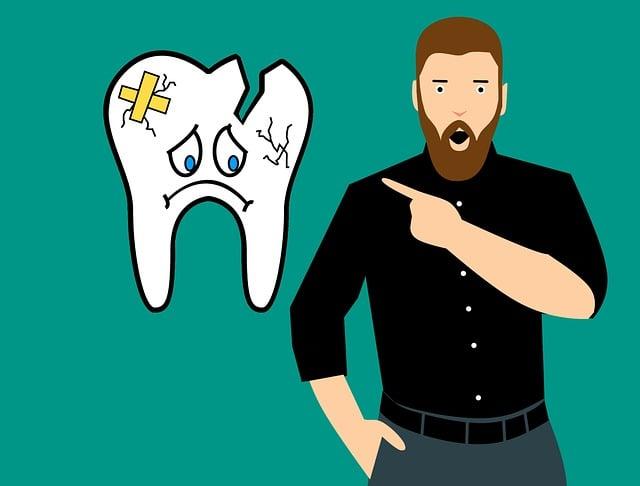
Mouth Infection After Tooth Removal: Symptoms and Treatment!
Have you recently had a tooth removed and are now experiencing pain, swelling, or discharge in your mouth? You may be experiencing a mouth infection post-tooth removal. In this article, we will discuss the symptoms and treatment options for this common complication. Stay informed and take care of your oral health!
Contents
- Overview of Mouth Infection After Tooth Removal
- Recognizing Symptoms of Mouth Infection
- Risk Factors for Developing a Mouth Infection
- Preventative Measures to Avoid Mouth Infection
- Diagnosis and Treatment of Mouth Infection
- Common Complications of Untreated Mouth Infections
- Importance of Seeking Prompt Dental Care
- Home Remedies for Alleviating Mouth Infection Symptoms
- Symptoms of Mouth Infection After Tooth Removal
- Treating Mouth Infection Symptoms at Home
- Follow-Up Care After Treatment for Mouth Infection
- Key Takeaways
Overview of Mouth Infection After Tooth Removal
After having a tooth removed, it is important to be aware of the potential risk of developing a mouth infection. Infections can occur when bacteria enter the open wound left by the extraction, leading to various symptoms and potential complications. Understanding the signs and knowing how to properly treat a mouth infection after tooth removal is essential for a quick and successful recovery.
Symptoms of a mouth infection after tooth removal may include:
- Persistent pain or discomfort
- Swelling and redness around the extraction site
- Foul taste or odor coming from the mouth
- Fever or chills
- Pus or discharge from the extraction site
It is crucial to seek treatment from a dentist or oral surgeon if you suspect a mouth infection after a tooth extraction. Treatment typically involves a combination of antibiotics and proper wound care to eliminate the infection and promote healing. Ignoring an infection can lead to more serious complications, so it is best to address the issue promptly and effectively.

Recognizing Symptoms of Mouth Infection
It is essential to be aware of the symptoms of a mouth infection after a tooth removal to seek timely treatment and prevent further complications. Here are some signs that indicate you may have a mouth infection:
- Persistent pain: If you experience ongoing pain in the area where the tooth was removed, it could be a sign of infection.
- Swelling: Swelling of the gums or jaw around the extraction site may indicate an infection.
- Redness: Redness and tenderness in the area are common symptoms of an infected tooth socket.
- Fever: A fever accompanied by other symptoms could be a sign of a more severe infection.
| Severity | Treatment |
|---|---|
| Mild | Antibiotics |
| Moderate | Antibiotics and drainage |
| Severe | Surgical intervention |
If you notice any of these symptoms, it is crucial to contact your dentist or oral surgeon immediately. Early detection and treatment of a mouth infection after tooth removal are key to a successful recovery and preventing further complications.

Risk Factors for Developing a Mouth Infection
after tooth removal can vary depending on individual circumstances. It is essential to be aware of these factors to minimize the chances of complications. Some common risk factors include:
- Poor Oral Hygiene: Neglecting oral health can increase the likelihood of developing an infection after tooth extraction. Proper brushing and flossing are crucial to prevent bacteria buildup.
- Weakened Immune System: Individuals with a weakened immune system are more susceptible to infections. Conditions such as diabetes or undergoing chemotherapy can compromise the body’s ability to fight off bacteria.
- Smoking: Smoking can impair the healing process and increase the risk of infection. It is advisable to refrain from smoking after tooth removal to promote faster recovery.
| Risk Factors | Description |
|---|---|
| Poor Oral Hygiene | Neglecting brushing and flossing |
| Weakened Immune System | Conditions like diabetes or chemotherapy |
| Smoking | Impairs healing process |

Preventative Measures to Avoid Mouth Infection
Mouth infection is a common complication that can occur after tooth removal. It is essential to be aware of the symptoms and take preventative measures to avoid such infections. Here are some tips to help prevent mouth infection:
- Practice good oral hygiene: Brushing and flossing regularly can help keep your mouth clean and reduce the risk of infection.
- Avoid smoking: Smoking can increase the risk of infection and delay the healing process. It is best to avoid smoking after tooth extraction.
- Follow post-operative care instructions: Your dentist will provide you with specific instructions on how to care for your mouth after tooth removal. It is crucial to follow these instructions carefully to prevent infections.
- Monitor for symptoms: Keep an eye out for symptoms of infection, such as swelling, pain, redness, or pus. If you notice any of these symptoms, contact your dentist immediately.

Diagnosis and Treatment of Mouth Infection
When it comes to mouth infections after tooth removal, it’s important to be aware of the symptoms and seek treatment promptly. Some common signs of a mouth infection include:
- Swelling and redness around the extraction site
- Pain or discomfort that does not improve with medication
- Foul taste or odor coming from the mouth
- Fever or chills
If you’re experiencing any of these symptoms, it’s crucial to see a dentist or oral surgeon for proper diagnosis and treatment. In most cases, a mouth infection can be easily treated with antibiotics and proper oral hygiene practices.
It’s important to follow your dentist’s instructions for care after tooth removal to reduce the risk of infection. This may include rinsing with saltwater, avoiding strenuous activity, and taking prescribed medications as directed. By following these guidelines, you can help prevent complications and promote healing.

Common Complications of Untreated Mouth Infections
When mouth infections go untreated, they can lead to a variety of complications that can significantly impact your oral and overall health. Here are some :
- Spread of infection: If left untreated, a mouth infection can spread to other parts of the body, leading to more serious health issues.
- Tooth loss: Severe infections can damage the supporting structures of your teeth, eventually leading to tooth loss.
- Severe pain: Untreated infections can cause severe pain and discomfort, making everyday activities like eating and speaking difficult.
- Systemic health problems: Chronic mouth infections have been linked to an increased risk of developing certain systemic health issues, such as heart disease and diabetes.

Importance of Seeking Prompt Dental Care
When it comes to dental care, seeking prompt treatment is crucial in preventing complications such as mouth infections after tooth removal. These infections can develop when bacteria enter the wound left by the extracted tooth, leading to inflammation, pain, and potential spread to other parts of the body.
Some common symptoms of a mouth infection after tooth removal include:
- Swelling and redness around the extraction site
- Persistent or worsening pain in the area
- Foul taste or odor in the mouth
- Fever and chills
If you experience any of these symptoms after a tooth extraction, it is essential to seek immediate dental care. Dentists can provide treatment options such as:
- Prescription antibiotics to combat the infection
- Drainage of any abscess that may have formed
- Pain management to alleviate discomfort

Home Remedies for Alleviating Mouth Infection Symptoms
Symptoms of Mouth Infection After Tooth Removal
If you’ve recently had a tooth removed and are experiencing pain, swelling, or discomfort in your mouth, you may have a mouth infection. Some common symptoms of a mouth infection after tooth removal include:
- Severe pain or throbbing in the extraction site
- Swelling of the gums or cheek
- Fever and chills
- Bad breath or a foul taste in the mouth
Treating Mouth Infection Symptoms at Home
While it’s important to seek medical attention if you suspect you have a mouth infection, there are some home remedies that can help alleviate your symptoms in the meantime. Here are a few natural treatments you can try:
- Saltwater Rinse: Mix a teaspoon of salt in a glass of warm water and rinse your mouth several times a day to reduce inflammation and kill bacteria.
- Clove Oil: Dab a cotton ball in clove oil and apply it to the affected area to numb the pain and reduce swelling.
- Tea Tree Oil: Dilute a few drops of tea tree oil in water and use it as a mouthwash to help fight infection and reduce inflammation.
- Garlic: Chew on a clove of garlic or apply garlic paste to the affected area to help kill bacteria and reduce pain.
Follow-Up Care After Treatment for Mouth Infection
Once you have received treatment for a mouth infection, it is crucial to follow up with proper care to ensure a full recovery and prevent any further complications. Here are some important steps to take to ensure your mouth heals properly:
- Stay Hydrated: Drink plenty of water to help flush out any remaining bacteria and keep your mouth moist.
- Continue Medication: If prescribed antibiotics, be sure to finish the entire course as directed by your healthcare provider.
- Practice Good Oral Hygiene: Brush and floss regularly to prevent any new infections from developing.
- Attend Follow-Up Appointments: Don’t skip any follow-up appointments with your dentist or doctor to ensure that your infection is fully resolved.
By following these steps and seeking medical advice if you notice any unusual symptoms, you can ensure that your mouth infection heals properly and you can maintain good oral health.
Key Takeaways
In conclusion, it is important to pay attention to any unusual symptoms that may arise after a tooth removal, as they could indicate a possible mouth infection. Look out for signs such as persistent pain, swelling, fever, or foul taste in the mouth. Promptly seeking treatment from a dentist is crucial in order to prevent any further complications. Remember, taking good care of your oral health is key to overall well-being. Stay vigilant and proactive in addressing any issues that may arise post-tooth removal to ensure a speedy recovery. Stay informed and take care of your smile!