Molar Tooth Removal Pain: Managing Discomfort After Extraction!
Molar tooth removal can be a necessary procedure, but the pain and discomfort that often follow can be challenging to manage. In this article, we will explore effective strategies for dealing with post-extraction discomfort and ensuring a smooth recovery process. Whether you’ve just undergone a molar extraction or are preparing to, understanding how to manage pain is crucial for your dental health and overall well-being. Let’s dive in and learn how to conquer molar tooth removal pain like a pro!
Contents
- – Understanding the Causes of Molar Tooth Removal Pain
- Understanding the Causes of Molar Tooth Removal Pain
- – Tips for Relieving Discomfort Immediately After Extraction
- – When to Seek Professional Help for Persistent Pain
- – Managing Swelling and Bruising Post-Extraction
- – The Role of Medications in Pain Management After Molar Removal
- – Incorporating Soft Foods into Your Diet for Comfort
- Soft Foods for Comfort After Molar Tooth Removal
- – Importance of Proper Oral Hygiene During the Healing Process
- – Utilizing Cold Compresses to Alleviate Pain and Swelling
- – Red flags to Watch Out for During the Recovery Period
- – The Long-Term Effects of Molar Tooth Removal and Pain Management Strategies
- The Way Forward
– Understanding the Causes of Molar Tooth Removal Pain
Understanding the Causes of Molar Tooth Removal Pain
After undergoing a molar tooth extraction, it is common to experience some level of pain or discomfort. This discomfort can vary from person to person and can be caused by a few different factors.
- Root Sensitivity: When a tooth is removed, the nerve endings in the surrounding tissues are exposed. This can lead to sensitivity and discomfort as the area heals.
- Inflammation: The extraction process can cause inflammation in the gums and jawbone, leading to pain and swelling in the affected area.
- Pressure: The act of removing a molar tooth can put pressure on the surrounding tissues and nerves, causing discomfort during the healing process.
It is important to understand these causes of molar tooth removal pain so that you can effectively manage and alleviate any discomfort you may experience after the procedure.

– Tips for Relieving Discomfort Immediately After Extraction
After having a molar tooth extracted, it is common to experience discomfort. However, there are several tips that can help you manage the pain and promote healing immediately after the procedure. Here are some ways to relieve discomfort:
- Apply Ice: Placing an ice pack on the outside of your cheek can help reduce swelling and numb the area, providing some relief from pain.
- Take Pain Medication: Your dentist may recommend over-the-counter pain medication such as ibuprofen to help manage the pain. Follow the dosage instructions provided.
- Rest: Avoid strenuous activities and take it easy for the rest of the day after the extraction to allow your body to heal.
- Eat Soft Foods: Stick to a diet of soft foods such as yogurt, mashed potatoes, and soup to avoid irritating the extraction site.

– When to Seek Professional Help for Persistent Pain
One common dental procedure that can cause persistent pain is molar tooth extraction. If you’ve recently had a molar removed and are experiencing discomfort, it’s essential to know when to seek professional help.
Here are some signs that indicate you should seek professional help for persistent pain after molar tooth removal:
- If the pain is getting worse instead of improving
- If you are experiencing excessive bleeding or swelling in the extraction site
- If you have difficulty eating or opening your mouth due to pain
It’s crucial not to ignore persistent pain after molar tooth removal, as it could be a sign of an infection or other complications. Seeking professional help promptly can help alleviate your discomfort and prevent any further issues from arising.

– Managing Swelling and Bruising Post-Extraction
After getting a molar tooth removed, it’s common to experience discomfort, swelling, and bruising in the extraction area. Fortunately, there are several ways to manage these post-extraction symptoms and help speed up the healing process.
To alleviate swelling and bruising, follow these tips:
- Apply ice: Wrap an ice pack in a cloth and apply it to the side of your face near the extraction site. This will help reduce swelling and numb the area, providing relief from discomfort.
- Take pain medication: Over-the-counter pain relievers such as ibuprofen can help manage any pain or discomfort you may be experiencing. Follow the recommended dosage instructions.
- Avoid hot foods and drinks: Stick to cold or room temperature foods and beverages to prevent further irritation to the extraction site.
If swelling and bruising persist or worsen, or if you experience severe pain or excessive bleeding, be sure to contact your dentist for further guidance and assistance.

– The Role of Medications in Pain Management After Molar Removal
The Role of Medications in Pain Management After Molar Removal
When it comes to managing the discomfort after molar tooth removal, medications play a crucial role in alleviating pain and promoting healing. Here are some key points to consider when it comes to using medications for pain management after molar removal:
- Prescription Medications: Your dentist may prescribe painkillers such as opioids or nonsteroidal anti-inflammatory drugs (NSAIDs) to help manage post-operative pain. These medications should be taken as directed to ensure maximum effectiveness.
- Over-the-counter Medications: Over-the-counter pain relievers like acetaminophen or ibuprofen can also be used to help ease pain and discomfort after molar removal. Make sure to follow the recommended dosage guidelines.
- Antibiotics: In some cases, your dentist may prescribe antibiotics to prevent infection following molar removal. It’s important to take the full course of antibiotics as prescribed to avoid complications.
In addition to medications, there are also some home remedies that can help alleviate pain and promote healing after molar removal. These may include:
- Cold Compress: Applying a cold compress to the affected area can help reduce swelling and numb the pain.
- Soft Diet: Stick to a soft diet in the days following molar removal to avoid putting extra pressure on the healing site.
- Good Oral Hygiene: Keeping the extraction site clean by gently rinsing with salt water can help prevent infection and promote healing.

– Incorporating Soft Foods into Your Diet for Comfort
After undergoing molar tooth removal, it is common to experience discomfort and pain as the extraction site heals. To manage this discomfort, it is crucial to incorporate soft foods into your diet that are easy to chew and won’t aggravate the extraction site. Here are some tips on incorporating soft foods into your diet for comfort:
- Opt for smoothies and shakes made with fruits, yogurt, and protein powder for a nutritious and easy to consume meal.
- Try mashed vegetables like sweet potatoes, carrots, and peas for a softer texture that is gentle on your healing gums.
- Consider incorporating soft grains like oatmeal, quinoa, and rice into your meals for added fiber and sustenance.
- Explore the world of soups and broths, which are not only comforting but also easy to consume without causing any pain.
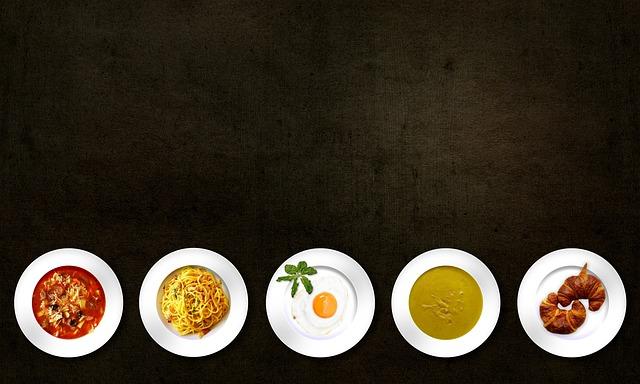
Soft Foods for Comfort After Molar Tooth Removal
| Fruit smoothie | Yogurt |
| Mashed sweet potatoes | Quinoa |
By incorporating soft foods into your diet after molar tooth removal, you can ensure a smoother healing process and minimize discomfort. Remember to avoid hard, crunchy, and sticky foods that can potentially harm your extraction site and prolong your recovery time. Listen to your body, take it easy, and prioritize your comfort during this crucial healing period.

– Importance of Proper Oral Hygiene During the Healing Process
After undergoing molar tooth removal, it’s crucial to prioritize proper oral hygiene during the healing process to ensure a smooth recovery and reduce discomfort. Neglecting oral care can lead to complications such as infection and prolonged pain. Here are some key tips to help you manage pain and promote healing:
- Gentle brushing: Use a soft-bristled toothbrush to gently brush your teeth, being careful around the extraction site to avoid causing irritation.
- Rinse with salt water: Rinse your mouth with warm salt water several times a day to help reduce swelling and keep the area clean.
- Avoid certain foods: Stick to soft, easy-to-chew foods and avoid hot, spicy, or crunchy foods that can aggravate the extraction site.
- Follow post-care instructions: Your dentist will provide you with specific post-care guidelines to follow. Be sure to adhere to these instructions to promote healing.
By incorporating these habits into your routine, you can effectively manage molar tooth removal pain and support the healing process. Remember that proper oral hygiene is key to a speedy recovery and optimal oral health!

– Utilizing Cold Compresses to Alleviate Pain and Swelling
After undergoing a molar tooth extraction, managing pain and swelling is key to a smooth recovery process. One effective method to alleviate discomfort is by utilizing cold compresses. Cold compresses can help reduce inflammation, numb the area, and provide much-needed relief.
When using cold compresses to alleviate pain and swelling after a molar tooth removal, it is important to:
- Apply the cold compress: Place the cold compress on the affected area for 20 minutes at a time, with breaks in between to prevent skin damage.
- Avoid direct contact: Place a cloth or towel between the cold compress and the skin to prevent frostbite.
- Repeat as needed: Utilize cold compresses regularly in the first 24-48 hours post-extraction to help manage pain and swelling.
By following these simple steps and incorporating cold compresses into your post-molar tooth removal recovery routine, you can help alleviate discomfort and promote healing in a more comfortable manner.

– Red flags to Watch Out for During the Recovery Period
After having a molar tooth removed, it is crucial to pay attention to any red flags that may indicate complications during the recovery period. These warning signs should not be overlooked as they can signal potential issues that need to be addressed promptly. Here are some red flags to watch out for:
- Excessive bleeding: If you notice persistent bleeding that doesn’t seem to be slowing down, contact your dentist immediately.
- Severe pain: While some discomfort is normal after a tooth extraction, intense or worsening pain could indicate an infection or other complications.
- Swelling: Significant swelling that doesn’t go down or gets worse over time may be a sign of an infection.
- Fever: A fever could indicate an infection, especially if it is accompanied by other symptoms like swelling and pain.
It is essential to keep a close eye on your recovery and be mindful of these red flags. If you experience any of these warning signs, don’t hesitate to contact your dentist for further evaluation and treatment.

– The Long-Term Effects of Molar Tooth Removal and Pain Management Strategies
After undergoing molar tooth removal, many patients experience discomfort and pain as a result of the extraction procedure. It is essential to understand the long-term effects of molar tooth removal and implement effective pain management strategies to ensure a smooth recovery process.
Some of the common long-term effects of molar tooth removal include:
- Swelling and bruising in the extraction area
- Sensitivity to hot and cold temperatures
- Jaw stiffness and soreness
- Potential shift in the alignment of surrounding teeth
To alleviate pain and discomfort after molar tooth removal, consider the following pain management strategies:
- Prescribed Pain Medications: Follow your dentist’s instructions on pain medication usage to manage post-extraction pain effectively.
- Apply Ice Packs: Use ice packs on the cheek near the extraction site to reduce swelling and numb the area.
- Practice Good Oral Hygiene: Gently brush your teeth and rinse with saltwater to keep the extraction site clean and prevent infection.
- Eat Soft Foods: Stick to a soft diet to avoid putting pressure on the extraction site and promote healing.
The Way Forward
In conclusion, while molar tooth removal can be a source of discomfort, there are various ways to manage the pain and promote healing post-extraction. Remember to follow your dentist’s instructions, use over-the-counter pain medication as needed, and maintain good oral hygiene to prevent infection. It’s normal to experience some discomfort after the procedure, but with proper care, you’ll be back to smiling and chewing comfortably in no time. Stay informed, stay proactive, and take care of your teeth – your future self will thank you for it!