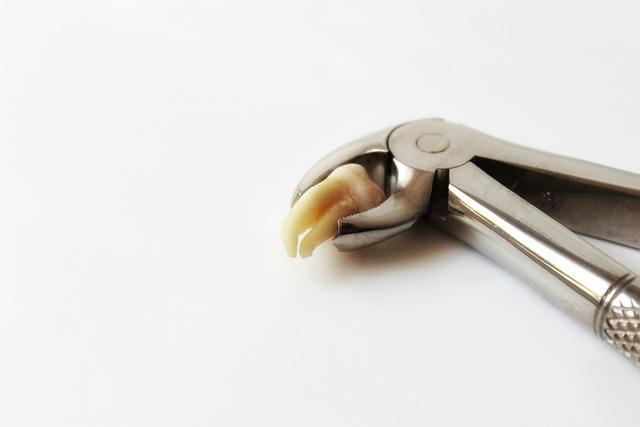
How to Remove a Tooth That’s Loose: Dental Extraction Process
Do you have a loose tooth that’s causing you discomfort? Are you wondering how to remove it safely and effectively? In this article, we will walk you through the dental extraction process, providing you with all the information you need to know to make an informed decision about your oral health. So, sit back, relax, and let us guide you through the steps of removing a loose tooth.
Contents
- Preparation and Evaluation for Extraction
- Local Anesthesia Administration and Numbing Process
- Careful Extraction Techniques for Loose Teeth
- Discussing Post-Extraction Care and Recovery
- Potential Risks and Complications to be Aware of
- Follow-Up Consultation with Dentist after Extraction
- Exploring Alternative Treatment Options for Loose Teeth
- Importance of Proper Oral Hygiene After Tooth Extraction
- To Wrap It Up
Preparation and Evaluation for Extraction
Before undergoing a dental extraction, there are several important steps that need to be taken to ensure the process goes smoothly and safely. Here’s what you can expect during the preparation and evaluation phase:
- Dental Examination: Your dentist will thoroughly examine the tooth that needs to be extracted, as well as your overall oral health. X-rays may be taken to determine the best approach for extraction.
- Medical History Review: Your dentist will review your medical history to identify any potential complications or risks that could arise during the extraction process.
- Anesthesia Options: Depending on the complexity of the extraction and your level of anxiety, your dentist will discuss anesthesia options with you, such as local anesthesia, sedation, or general anesthesia.
- Pre-Extraction Instructions: Your dentist will provide you with instructions on what to do before the extraction, such as fasting before the procedure or avoiding certain medications.
| Preparation Steps | Evaluation Process |
|---|---|
| Examination of the tooth | Review of medical history |
| X-rays taken if necessary | Anesthesia options discussed |
| Pre-Extraction instructions provided |
Local Anesthesia Administration and Numbing Process
Before a dental extraction, it’s crucial to administer local anesthesia to ensure the patient’s comfort during the procedure. The process of numbing the tooth and surrounding tissues involves the following steps:
- Topical Anesthetic Application: The dentist will apply a topical anesthetic gel to the gum area where the injection will be administered. This helps numb the surface of the skin, making the injection less painful.
- Anesthetic Injection: Using a fine needle, the dentist will inject a local anesthetic solution into the gum tissue near the tooth to be extracted. This numbs the area and blocks pain signals from reaching the brain.
- Waiting for Numbing Effect: After the injection, the patient will need to wait for a few minutes for the anesthetic to take effect. The dentist will ensure that the area is completely numb before proceeding with the extraction.
It’s important for patients to communicate with the dentist if they experience any discomfort during the numbing process. Anesthesia plays a crucial role in ensuring a smooth and painless dental extraction procedure.

Careful Extraction Techniques for Loose Teeth
When dealing with a loose tooth, it is important to approach the extraction process with caution and precision. Here are some expert tips on how to safely remove a tooth that is loose:
- Start by gently wiggling the tooth back and forth to assess its mobility.
- Use a clean tissue or gauze to get a better grip on the tooth before attempting to pull it out.
- Apply steady pressure to the tooth, pulling it out in a slow and controlled manner to prevent any damage to the surrounding gums.
Remember, if you encounter any resistance or excessive pain during the extraction process, it is best to seek professional dental assistance to avoid any complications.
Discussing Post-Extraction Care and Recovery
After undergoing a dental extraction, it is crucial to follow proper post-extraction care and recovery guidelines to ensure a smooth healing process. Here are some important tips to help you recover effectively:
- Immediate Post-Extraction Care: Following the extraction procedure, it is normal to experience some bleeding. Bite down on a piece of gauze for about 30 minutes to help control the bleeding. Avoid spitting or rinsing vigorously, as this can disrupt the blood clot formation.
- Pain Management: It is common to experience some discomfort after a tooth extraction. Your dentist may prescribe pain medication, or you can use over-the-counter pain relievers such as ibuprofen to alleviate the pain. Apply an ice pack to the affected area to reduce swelling.
- Proper Oral Hygiene: While the extraction site is healing, it is important to maintain good oral hygiene to prevent infection. Gently rinse your mouth with warm salt water several times a day to keep the area clean. Avoid brushing near the extraction site for the first 24 hours.
- Follow-Up Appointments: Make sure to attend any follow-up appointments scheduled with your dentist. They will assess your healing progress and address any concerns or complications that may arise.
Potential Risks and Complications to be Aware of
When undergoing a dental extraction process to remove a loose tooth, it’s important to be aware of potential risks and complications that may arise. While this procedure is generally safe, there are still some factors to consider.
One potential risk is infection. If bacteria enter the extraction site, it can lead to an infection that may cause pain and swelling. To minimize this risk, your dentist will likely prescribe antibiotics and provide aftercare instructions.
Another possible complication is nerve damage. The proximity of nerves to the tooth being extracted puts them at risk of being damaged during the procedure. This can result in numbness or tingling in the lips, tongue, or chin. Your dentist will take precautions to minimize this risk, such as using X-rays to map out the location of nerves.
- Infection: Antibiotics and proper aftercare can help prevent infection.
- Nerve Damage: Your dentist will take precautions to minimize the risk of nerve damage.
- Bleeding: Some bleeding is normal after a tooth extraction, but excessive bleeding may require medical attention.
- Dry Socket: This painful condition can occur if a blood clot doesn’t form properly in the extraction site.
Follow-Up Consultation with Dentist after Extraction
After undergoing a dental extraction procedure to remove a loose tooth, it is crucial to schedule a follow-up consultation with your dentist. This appointment is essential to ensure proper healing and to address any concerns or complications that may arise after the extraction.
During the follow-up consultation, your dentist will assess the healing progress of the extraction site and may perform a thorough examination to check for signs of infection or other issues. They will also provide guidance on post-extraction care to promote healing and prevent any complications.
It is important to follow any post-extraction care instructions provided by your dentist, such as avoiding certain foods or activities that may interfere with the healing process. If you experience persistent pain, swelling, or bleeding after the extraction, be sure to contact your dentist immediately for further evaluation and treatment.

Exploring Alternative Treatment Options for Loose Teeth
Loose teeth can be a common dental issue that many people face at some point in their lives. While it is essential to explore alternative treatment options before considering a dental extraction, sometimes removing a loose tooth may be the best course of action to prevent further pain or damage.
During the dental extraction process, a dentist will carefully numb the area around the loose tooth using local anesthesia to ensure the patient’s comfort. Then, using specialized tools, the dentist will gently loosen the tooth from the socket and remove it. While the idea of tooth extraction may sound intimidating, modern dental techniques have made the process relatively quick and painless.
After the tooth extraction, the dentist will provide post-care instructions to help the patient heal properly. This may include avoiding certain foods, taking pain medication as needed, and practicing good oral hygiene to prevent infection. Additionally, the dentist may recommend replacement options for the extracted tooth, such as dental implants or bridges, to restore the patient’s smile and prevent issues with chewing or speaking.
While having a loose tooth can be a stressful experience, knowing the dental extraction process and understanding the care involved can help ease any anxiety. If you are experiencing a loose tooth and are considering dental extraction, consult with your dentist to discuss the best treatment options for your individual situation.

Importance of Proper Oral Hygiene After Tooth Extraction
After undergoing a dental extraction, it is crucial to maintain proper oral hygiene to promote healing and prevent infection. Failure to do so can lead to complications and prolong the recovery process. Here are some important tips to follow:
- Keep the area clean: Gently rinse your mouth with warm salt water a few times a day to keep the extraction site clean.
- Avoid brushing: Avoid brushing the extraction site for the first 24 hours to prevent irritation. After 24 hours, you can gently brush your teeth, being careful around the extraction area.
- Avoid smoking: Smoking can delay healing and increase the risk of infection. Avoid smoking for at least 24 hours after the extraction.
- Follow post-extraction instructions: Your dentist will provide you with specific instructions on how to care for the extraction site. Make sure to follow these instructions carefully.
By following these tips and taking proper care of your oral hygiene after a tooth extraction, you can ensure a smooth recovery process and prevent any complications.
To Wrap It Up
In conclusion, removing a loose tooth through dental extraction may seem like a daunting experience, but with the right knowledge and guidance, it can be a straightforward process. Remember to consult with a dentist if you have any concerns about a loose tooth, and trust in their expertise to safely and effectively remove it if necessary. Key takeaways include keeping the area clean, using proper techniques to wiggle the tooth out, and seeking professional help if needed. With these tips in mind, you’ll be on your way to a healthier smile in no time. Stay informed, stay proactive, and take care of your dental health!