How Soon Can I Eat Solid Foods After Wisdom Teeth Removal? Dietary Transition
So, you’ve finally bid adieu to your wisdom teeth, but the real question remains: how soon can you devour that juicy hamburger you’ve been craving? Fear not, we’ve got you covered with all the details on when you can safely make the transition to solid foods after wisdom teeth removal. Let’s dive into the dietary transition process and get you back to enjoying your favorite foods in no time. Let’s get chewing!
Contents
- – Understanding the Healing Process After Wisdom Teeth Removal
- – Soft Food Recommendations During the Initial Recovery Period
- – Signs That Indicate You’re Ready to Transition to Solid Foods
- – Gradually Reintroducing Solid Foods into Your Diet
- Gradually Reintroducing Solid Foods into Your Diet
- – Potential Risks of Introducing Solid Foods Too Soon
- – Importance of Chewing Carefully and Avoiding Hard Foods
- – Nutritious Options to Include in Your Post-Wisdom Teeth Removal Diet
- Nutritious Options to Include in Your Post-Wisdom Teeth Removal Diet
- – Consulting With Your Dentist or Oral Surgeon Before Making Dietary Changes
- Key Takeaways
– Understanding the Healing Process After Wisdom Teeth Removal
After having your wisdom teeth removed, it’s important to understand the healing process in order to ensure a smooth recovery. One common question that patients have is how soon they can start eating solid foods again. While every person’s healing process may vary, it is generally recommended to start transitioning to solid foods gradually.
**Here are some general guidelines to help you make the dietary transition after wisdom teeth removal:**
- Stick to a soft diet for the first few days to allow your mouth to heal properly
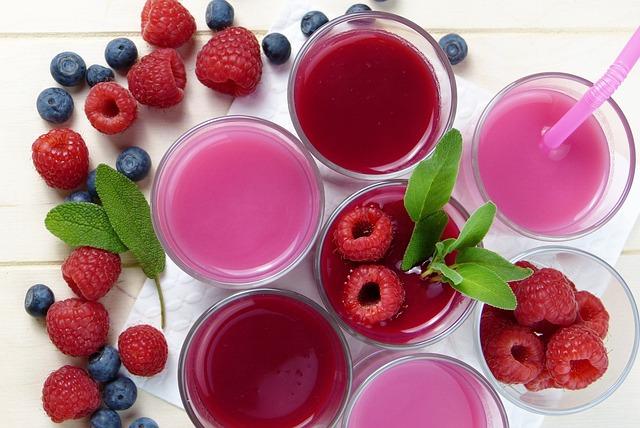
- Slowly introduce semi-solid foods such as mashed potatoes, yogurt, and smoothies
- Avoid hard, crunchy, and spicy foods that can irritate the surgical site
- Listen to your body and only progress to solid foods when you feel comfortable and ready
If you’re unsure about what foods to eat during the healing process, it’s best to consult with your dentist or oral surgeon for personalized recommendations.

– Soft Food Recommendations During the Initial Recovery Period
After wisdom teeth removal, it is essential to transition from a liquid diet to soft foods to ensure a smooth recovery process. While the timeline for reintroducing solid foods may vary depending on individual healing, it is generally recommended to wait at least a few days before attempting to eat crunchy or hard foods.
Here are some soft food recommendations to consider during the initial recovery period:
- Smoothies: Blend together fruits, yogurt, and milk for a nutritious and easy-to-consume meal.
- Mashed Potatoes: Enjoy this comforting classic with a touch of butter or cream for added flavor.
- Scrambled Eggs: Protein-packed and soft in texture, scrambled eggs are a satisfying option for breakfast or lunch.
Remember to avoid foods that are too spicy, acidic, or crunchy, as they may irritate the extraction site. It is crucial to prioritize your comfort and follow your dentist’s guidelines for a successful recovery.

– Signs That Indicate You’re Ready to Transition to Solid Foods
After undergoing wisdom teeth removal, one of the main concerns for many is when they can start eating solid foods again. It’s crucial to listen to your body and pay attention to the signals it gives you to determine when the time is right to make the transition. Here are some signs that indicate you may be ready to start incorporating solid foods back into your diet:
- Decreased Pain: If you notice a significant decrease in pain and discomfort in your mouth, it could be a sign that your gums are healing well and you may be able to tolerate solid foods.
- Increased Jaw Mobility: Being able to open your mouth wider and without as much discomfort indicates that your jaw muscles are starting to recover, making it easier to chew solid foods.
- Reduced Swelling: As the swelling in your cheeks and jaw decreases, it becomes easier to eat foods that require more chewing, such as vegetables or meats.
It’s important to remember that everyone heals at their own pace, so it’s essential to consult with your dentist or oral surgeon before making any dietary changes. They can provide personalized guidance based on your specific situation to ensure a smooth transition to solid foods after wisdom teeth removal.

– Gradually Reintroducing Solid Foods into Your Diet
Gradually Reintroducing Solid Foods into Your Diet
After getting your wisdom teeth removed, one of the most common questions is, “How soon can I eat solid foods?” The answer to this question varies from person to person, depending on how well you are healing. Here are some general guidelines to help you transition back to solid foods:
- Start Slow: Begin by introducing soft, easy-to-chew foods like mashed potatoes, smoothies, and yogurt. Avoid hard, crunchy, or sticky foods that can irritate the extraction sites.
- Stay Hydrated: Drink plenty of water to stay hydrated and promote healing. Avoid using straws, as the sucking motion can dislodge blood clots and delay the healing process.
- Monitor Your Pain: Pay attention to any discomfort or pain while eating. If you experience sharp pain or bleeding, stick to a soft food diet and consult your dentist or oral surgeon.
As your healing progresses, you can gradually reintroduce solid foods like pasta, cooked vegetables, and lean meats. Remember to chew slowly and carefully to avoid putting too much pressure on the extraction sites. It’s essential to listen to your body and adjust your diet based on how you are feeling.
– Potential Risks of Introducing Solid Foods Too Soon
Introducing solid foods too soon after wisdom teeth removal can pose potential risks to your healing process and overall health. It is essential to allow your mouth enough time to heal properly before transitioning to a solid food diet. Here are some of the risks associated with introducing solid foods too soon:
- Pain and Discomfort: Eating solid foods too early can cause pain and discomfort, as the extraction sites may still be tender and sensitive.
- Delayed Healing: Chewing solid foods can disrupt the blood clot formation and slow down the healing process, leading to complications such as dry socket.
- Infection Risk: Introducing solid foods too soon can increase the risk of infection in the extraction sites, as food particles can get trapped and lead to bacterial growth.
It is important to follow your dentist’s post-operative instructions and gradually transition from a liquid to a soft food diet before introducing solid foods. This will help promote proper healing and reduce the potential risks associated with premature dietary changes.

– Importance of Chewing Carefully and Avoiding Hard Foods
After undergoing wisdom teeth removal surgery, it is crucial to be mindful of your diet to ensure proper healing and prevent complications. One of the key factors to consider is the importance of chewing carefully and avoiding hard foods during the initial recovery period.
Maintaining a soft-food diet in the first few days following surgery is essential to prevent any irritation or damage to the surgical site. Chewing on hard foods can cause unnecessary pressure on the healing sockets, leading to pain, swelling, or even infection. It is recommended to slowly transition back to solid foods as your mouth heals, following your dentist or oral surgeon’s guidance.
By chewing carefully and opting for softer food options, you can help promote faster healing and minimize discomfort during the recovery process. This dietary transition is crucial for a smooth and successful recovery after wisdom teeth removal, allowing you to gradually reintroduce solid foods back into your diet while ensuring your oral health remains a top priority.

– Nutritious Options to Include in Your Post-Wisdom Teeth Removal Diet
Nutritious Options to Include in Your Post-Wisdom Teeth Removal Diet
After getting your wisdom teeth removed, it’s important to transition to a soft food diet to promote healing and prevent any complications. While it’s tempting to reach for unhealthy comfort foods during this time, incorporating nutritious options into your diet will help speed up the recovery process. Here are some delicious and healthy foods to consider adding to your post-wisdom teeth removal menu:
- Applesauce: A smooth and easy-to-eat option that provides vitamin C.
- Mashed Sweet Potatoes: A nutrient-dense food that is soft and easy to consume.
- Yogurt: A good source of probiotics for gut health and easy on the teeth.
- Blended Soups: Nutrient-rich and comforting, perfect for a sore mouth.
In addition to these options, it’s important to stay hydrated and avoid any hard, crunchy, or spicy foods that can irritate the extraction sites. Remember to follow your dentist’s post-operative care instructions and gradually reintroduce solid foods back into your diet as your healing progresses.

– Consulting With Your Dentist or Oral Surgeon Before Making Dietary Changes
Before making any dietary changes after wisdom teeth removal, it is crucial to consult with your dentist or oral surgeon. They will provide personalized recommendations based on your specific situation, ensuring a smooth transition back to solid foods.
During your consultation, be sure to discuss the following points with your dental professional:
– **Healing Progress:** Your dentist or oral surgeon will assess how well your extraction sites are healing before recommending any changes to your diet.
– **Pain Management:** They can provide guidance on pain management strategies to help make eating solid foods more comfortable.
– **Risk of Infection:** Certain foods may increase the risk of infection, so it is important to follow your dentist’s advice to prevent complications.
– **Nutritional Needs:** Your dental professional can recommend soft or easy-to-chew foods that will still provide essential nutrients while allowing your mouth to heal.
By seeking guidance from your dentist or oral surgeon, you can ensure a safe and successful transition back to a normal diet after wisdom teeth removal. Make sure to follow their recommendations closely to promote optimal healing and overall oral health.
Key Takeaways
In conclusion, transitioning back to solid foods after wisdom teeth removal is a gradual process that requires patience and caution. Remember, everyone’s healing timeline may vary, so it’s important to listen to your body and follow your dentist’s guidance closely. Start with soft, easily chewable foods and gradually work your way up to more solid foods as you feel comfortable. Don’t rush the process and be sure to continue practicing good oral hygiene to prevent any complications. By following these tips, you’ll be back to enjoying your favorite foods in no time. Stay patient, stay nourished, and most importantly, take care of yourself. Here’s to a speedy recovery!