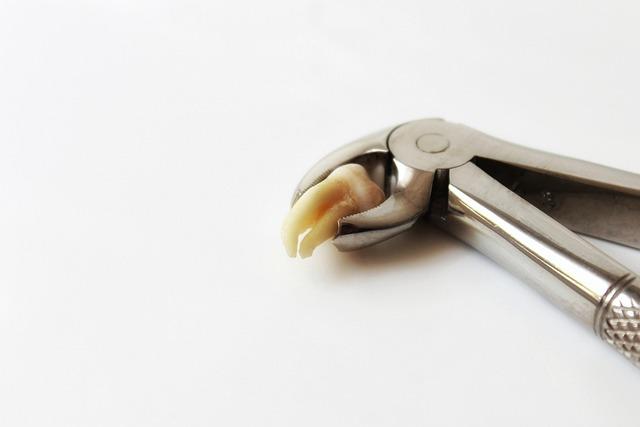
How Much for Wisdom Teeth Removal With Insurance? Cost Breakdown
Wisdom teeth removal can be a daunting prospect for many, both financially and physically. If you’re curious about the cost breakdown with insurance, you’ve come to the right place. In this article, we’ll break down everything you need to know about how much you can expect to pay for wisdom teeth removal with insurance coverage. So sit back, relax, and let’s dive into the numbers behind this common dental procedure.
Contents
- – Understanding the Basics: What are Wisdom Teeth and Why are They Removed?
- – Navigating Insurance Coverage: What Does Your Plan Typically Cover for Wisdom Teeth Removal?
- – Cost Breakdown: Examining the Average Expenses Associated with Wisdom Teeth Removal
- – Additional Factors: How Can Individual Factors Impact the Overall Cost of Wisdom Teeth Removal?
- – Tips for Maximizing Insurance Coverage: Strategies to Save Money on Wisdom Teeth Removal
- Tips for Maximizing Insurance Coverage: Strategies to Save Money on Wisdom Teeth Removal
- – Unforeseen Costs: Potential Expenses to Prepare for During the Wisdom Teeth Removal Process
- – Alternatives to Traditional Insurance Coverage: Exploring Options for Affordable Wisdom Teeth Removal
- – Finding a Reliable Provider: How to Choose a Dentist or Oral Surgeon for Wisdom Teeth Removal
- – Understanding Payment Options: What are the Payment Plans Available for Wisdom Teeth Removal
- Future Outlook
– Understanding the Basics: What are Wisdom Teeth and Why are They Removed?
Wisdom teeth, also known as third molars, are the last set of molars to emerge in the mouth, typically appearing in the late teenage years or early twenties. These teeth can often cause problems such as overcrowding, impaction, and infections, which is why they are frequently removed.
Removing wisdom teeth is a common dental procedure that is often covered by dental insurance. The cost of wisdom teeth removal with insurance can vary depending on several factors, including the type of insurance plan you have, the complexity of the procedure, and the location of the dental practice.
Here is a breakdown of the potential costs associated with wisdom teeth removal with insurance:
- Consultation fee: $50-$200
- X-rays: $25-$150
- Wisdom teeth removal surgery: $200-$600 per tooth
- Anesthesia: $200-$400
It’s important to check with your insurance provider to understand what is covered under your plan and what out-of-pocket expenses you may incur. Additionally, some insurance plans may have restrictions or waiting periods for certain procedures, so be sure to inquire about these details before scheduling your wisdom teeth removal.
It’s no secret that getting your wisdom teeth removed can be a costly procedure. However, if you have insurance coverage, you may be pleasantly surprised at how much of the cost can be offset. Understanding what your insurance plan typically covers for wisdom teeth removal can help you plan financially for this common dental procedure.
Most insurance plans cover a portion of the cost of wisdom teeth removal, but the exact coverage can vary depending on your specific plan. Here are some common aspects of wisdom teeth removal that are typically covered by insurance:
- Surgical removal of impacted or partially erupted wisdom teeth
- Anesthesia costs
- Follow-up care and prescriptions for pain management
- X-rays and other diagnostic tests related to the procedure
It’s important to consult with your insurance provider to understand the specifics of your plan’s coverage for wisdom teeth removal. By being proactive and informed, you can better navigate the financial aspect of this necessary dental procedure.
– Cost Breakdown: Examining the Average Expenses Associated with Wisdom Teeth Removal
When it comes to wisdom teeth removal, one of the primary concerns for patients is the cost associated with the procedure. While the cost can vary depending on various factors such as the number of teeth being removed, the complexity of the procedure, and the location of the dental office, having insurance coverage can significantly reduce the financial burden.
On average, the cost of wisdom teeth removal with insurance can range from $200 to $600 per tooth. This cost typically includes the extraction procedure, anesthesia, and follow-up appointments. Some insurance plans may cover a portion of the cost, while others may cover the entire procedure. It is essential to check with your insurance provider to understand your coverage and any out-of-pocket expenses you may be responsible for.
Additionally, there are other factors to consider when examining the average expenses associated with wisdom teeth removal, such as the need for additional treatments or medications post-procedure. These costs can vary but are essential to factor in when budgeting for the overall cost of the extraction.
– Additional Factors: How Can Individual Factors Impact the Overall Cost of Wisdom Teeth Removal?
Factors such as the complexity of the extraction, the patient’s unique oral health condition, and the type of anesthesia used can all play a significant role in determining the overall cost of wisdom teeth removal.
Complexity of the extraction: If a tooth is impacted or requires surgical extraction, the procedure may be more complex and costly compared to a routine extraction.
Patient’s oral health condition: Patients with underlying oral health issues, such as gum disease or infections, may require additional treatment before or after the extraction, which can add to the total cost.
Type of anesthesia: The type of anesthesia used during the procedure can also impact the cost. General anesthesia is typically more expensive compared to local anesthesia or sedation.
Insurance coverage: It’s important to check with your insurance provider to understand what portion of the cost they will cover for wisdom teeth removal. Some insurance plans may cover a percentage of the procedure, while others may require patients to pay out of pocket.
In conclusion, while insurance coverage can help offset the cost of wisdom teeth removal, individual factors such as the complexity of the extraction, oral health condition, and anesthesia type can all impact the overall cost. It’s important to consult with your dentist or oral surgeon to get a personalized cost breakdown based on your specific circumstances.
– Tips for Maximizing Insurance Coverage: Strategies to Save Money on Wisdom Teeth Removal
Tips for Maximizing Insurance Coverage: Strategies to Save Money on Wisdom Teeth Removal
When it comes to getting your wisdom teeth removed, insurance coverage can play a significant role in reducing out-of-pocket costs. Here are some strategies to help you maximize your insurance coverage and save money on wisdom teeth removal:
- Know Your Insurance Policy: Familiarize yourself with your insurance coverage and understand what is included in your plan. Check if wisdom teeth removal is covered and if there are any limitations or requirements.
- Choose In-Network Providers: Opt for dentists or oral surgeons who are part of your insurance company’s network. This can help lower costs as in-network providers have negotiated rates with insurance companies.
- Get Preauthorization: Before scheduling your wisdom teeth removal, obtain preauthorization from your insurance company. This ensures that the procedure is covered and helps prevent unexpected expenses.
- Consider Cost-Effective Options: If your insurance coverage is limited, explore cost-effective alternatives such as outpatient facilities or different anesthesia options to lower expenses.
– Unforeseen Costs: Potential Expenses to Prepare for During the Wisdom Teeth Removal Process
While insurance coverage can help mitigate some of the costs associated with wisdom teeth removal, there are still potential expenses to prepare for during the process. It’s important to understand all the factors that can impact the final cost, beyond just the insurance coverage.
Here is a breakdown of some unforeseen costs to consider when planning for your wisdom teeth removal:
- Pre-surgical consultation: Before the actual procedure, you may need to have a consultation with your oral surgeon to discuss the treatment plan and any necessary tests. This consultation could result in an additional cost that may not be completely covered by insurance.
- Anesthesia: The type of anesthesia used during the procedure can also affect the final cost. Depending on your insurance coverage, you may be responsible for a portion of the anesthesia fees.
- Prescription medication: After the surgery, you may be prescribed pain medication or antibiotics. These medications may not be fully covered by insurance, so it’s important to budget for these additional expenses.
- Follow-up appointments: Post-operative care is crucial for a smooth recovery. You may need to schedule follow-up appointments with your oral surgeon, which can result in additional costs depending on your insurance coverage.
By being aware of these potential expenses and planning accordingly, you can ensure a smoother and more predictable wisdom teeth removal process.

– Alternatives to Traditional Insurance Coverage: Exploring Options for Affordable Wisdom Teeth Removal
When it comes to wisdom teeth removal, the cost can vary greatly depending on the type of insurance coverage you have. Traditional insurance plans typically cover a portion of the cost of the procedure, but there are also alternative options available that may be more affordable.
If you have dental insurance, the cost of wisdom teeth removal can range from $75 to $2000 per tooth, depending on the type of coverage you have. Some insurance plans may cover up to 80% of the cost, while others may only cover a small percentage. It’s important to check with your insurance provider to see what is covered under your plan.
Alternatively, if you don’t have insurance or your plan doesn’t cover wisdom teeth removal, there are other options to consider. Some dental clinics offer payment plans or discount programs for patients without insurance. You can also look into dental schools or community health centers that may offer reduced rates for the procedure.
– Finding a Reliable Provider: How to Choose a Dentist or Oral Surgeon for Wisdom Teeth Removal
When it comes to wisdom teeth removal, cost is often a major concern for patients. Many people wonder how much they will have to pay for the procedure, especially if they have insurance. The good news is that most dental insurance plans cover at least part of the cost of wisdom teeth removal.
It’s important to note that the cost of wisdom teeth removal with insurance can vary depending on several factors, including the extent of the procedure, the type of insurance plan you have, and the provider you choose. To get a better idea of how much you can expect to pay, it’s a good idea to contact your insurance company and ask about your coverage.
When choosing a dentist or oral surgeon for wisdom teeth removal, it’s essential to find a reliable provider who accepts your insurance plan. Here are some tips to help you choose the right provider:
- Check your insurance coverage: Make sure the provider you choose accepts your insurance plan and is in-network to minimize out-of-pocket costs.
- Ask for recommendations: Talk to friends, family, or your regular dentist for recommendations on a reputable provider for wisdom teeth removal.
- Research providers: Take the time to research different dentists or oral surgeons in your area to find one with experience and good reviews from previous patients.

– Understanding Payment Options: What are the Payment Plans Available for Wisdom Teeth Removal
When it comes to paying for wisdom teeth removal, there are a few different options available to consider. Understanding your payment options can help make the process more manageable and less stressful. Here are some common payment plans available for wisdom teeth removal:
- Insurance Coverage: Many dental insurance plans cover a portion of the cost of wisdom teeth removal. Be sure to check with your insurance provider to see what is covered under your plan.
- Payment Plans: Some dental offices offer payment plans to help spread out the cost of wisdom teeth removal over time. This can be especially helpful for those who may not have insurance coverage.
- Flexible Spending Accounts (FSAs) or Health Savings Accounts (HSAs): If you have an FSA or HSA, you may be able to use these funds to cover the cost of wisdom teeth removal. Check with your plan administrator for more information.
- Cash or Credit Card: If you are able to pay for the procedure upfront, many dental offices accept cash or credit card payments for wisdom teeth removal.
Ultimately, the cost of wisdom teeth removal with insurance will vary depending on your individual circumstances and coverage. It’s important to consult with your insurance provider and dental office to get a better idea of what to expect in terms of cost and payment options.
Future Outlook
In conclusion, getting your wisdom teeth removed with insurance can significantly reduce the out-of-pocket costs associated with this common procedure. While the exact amount you’ll pay depends on your insurance coverage, it’s important to understand the key factors that can impact the final cost breakdown. Factors such as location, type of insurance plan, and whether or not the teeth are impacted can all play a role in determining how much you’ll pay for wisdom teeth removal. By doing your research and understanding your insurance coverage, you can make a more informed decision about your oral health and finances. Remember, it’s always best to consult with your dental provider and insurance company for specific cost estimates tailored to your individual needs.