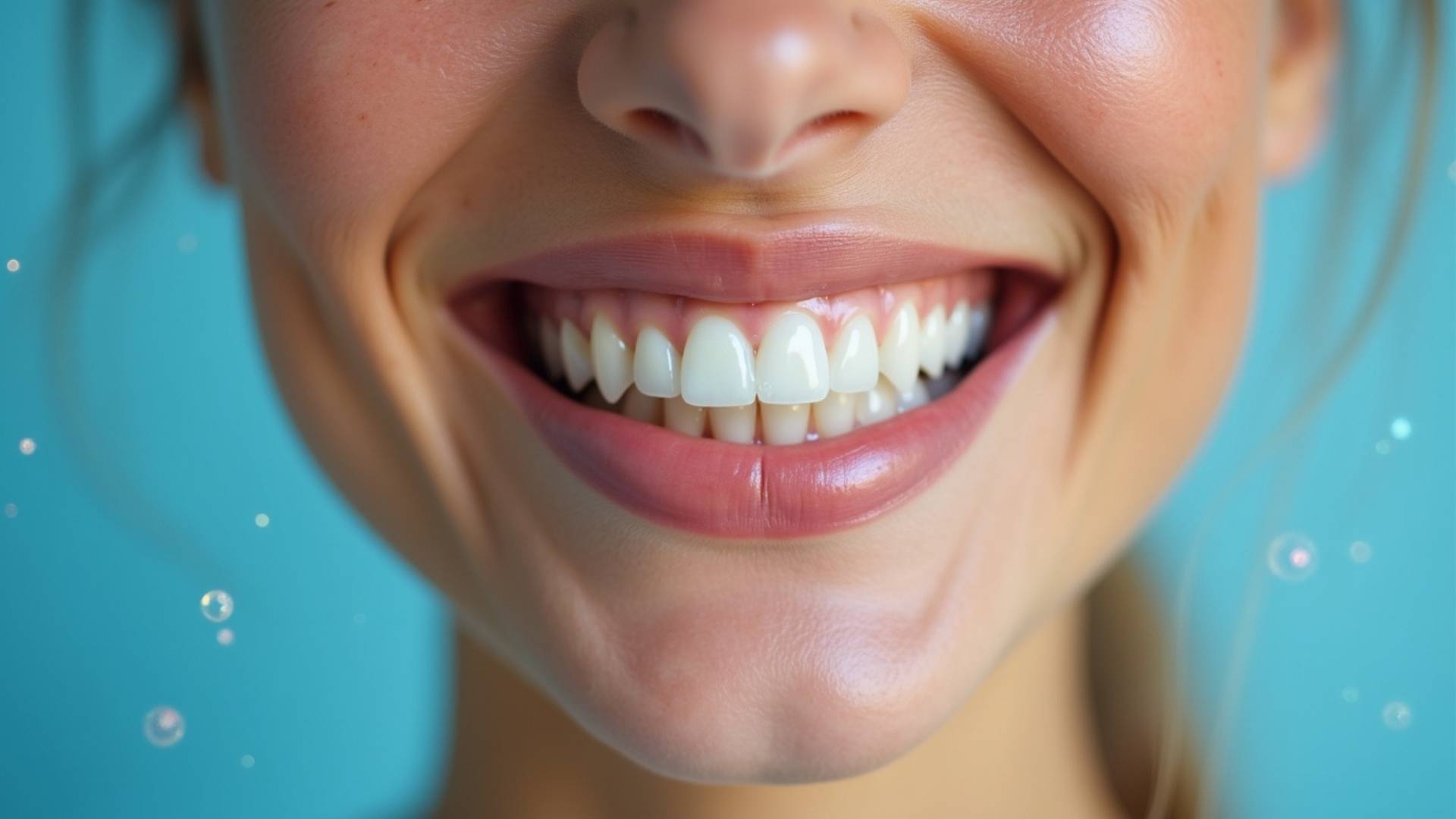
Does Tooth Polishing Remove Stains? Dental Care Considerations!
Have you ever wondered if tooth polishing really removes stains? In the world of dental care, this question is frequently asked by patients looking to achieve a pearly white smile. Let’s dive into the facts and considerations surrounding this common practice to help you make informed decisions about your oral health.
Contents
- The Importance of Tooth Polishing in Dental Care
- How Tooth Polishing Works to Remove Stains
- Factors to Consider Before Opting for Tooth Polishing
- Benefits of Regular Tooth Polishing
- Different Methods of Tooth Polishing
- Potential Risks and Side Effects of Tooth Polishing
- Expert Recommendations for Maintaining a Bright Smile
- Recommendations from Dental Experts
- When to See a Dentist for Professional Tooth Polishing
- Home Care Tips for Preventing Tooth Stains
- Conclusion: Achieving a Stain-Free Smile Through Proper Dental Care
- The Conclusion
The Importance of Tooth Polishing in Dental Care
Tooth polishing is an integral part of dental care that helps in removing surface stains from teeth, resulting in a brighter and healthier smile. This procedure is typically done during a routine dental cleaning, where a dental hygienist uses a specialized dental tool to gently remove plaque and stains from the surface of the teeth.
Although tooth polishing can help in removing surface stains, it is important to note that it may not be effective in removing deep or intrinsic stains that are embedded within the tooth enamel. For stubborn stains, additional treatments such as teeth whitening may be necessary.
Regular tooth polishing can also help in preventing the build-up of plaque and tartar, which can lead to gum disease and tooth decay if left untreated. In addition to improving the appearance of your smile, tooth polishing can also contribute to your overall oral health.
It’s important to consult with your dentist to determine the best treatment plan for your individual needs. By incorporating tooth polishing into your regular dental care routine, you can maintain a healthy and radiant smile for years to come.
How Tooth Polishing Works to Remove Stains
Tooth polishing is a common dental procedure that can help remove stains from the surface of your teeth. This process is typically done during a regular dental cleaning appointment and involves using a special abrasive paste to gently buff away any discoloration or plaque buildup.
During the polishing procedure, your dental hygienist will use a small rotating tool called a prophy cup, which is attached to a dental handpiece. The prophy cup is dipped in the polishing paste and then carefully moved over the surface of each tooth to help remove stains and leave your teeth looking cleaner and brighter.
It’s important to note that while tooth polishing can effectively remove surface stains, it may not be able to address deeper discoloration or stains caused by factors such as smoking or certain medications. In these cases, your dentist may recommend additional treatments such as teeth whitening to help achieve the desired results.
Overall, regular dental cleanings and professional tooth polishing can play a key role in maintaining the health and appearance of your smile. By staying consistent with your dental care routine and visiting your dentist regularly, you can help keep your teeth looking their best and prevent future staining and discoloration.

Factors to Consider Before Opting for Tooth Polishing
include the following:
- Potential sensitivity: Some individuals may experience increased tooth sensitivity after tooth polishing. This is typically temporary but can be uncomfortable. It’s important to discuss any existing sensitivity issues with your dentist before proceeding.
- Cleaning effectiveness: While tooth polishing can remove surface stains and plaque, it is not a substitute for regular brushing and flossing. It’s important to maintain good oral hygiene habits to prevent future staining and buildup.
- Gum health: Individuals with gum disease or sensitive gums may need to proceed with caution when considering tooth polishing. Aggressive polishing techniques can potentially irritate the gums and exacerbate existing issues.
- Cosmetic expectations: While tooth polishing can improve the appearance of your smile by removing superficial stains, it may not be effective for deeper discoloration or structural issues. Managing expectations and discussing desired outcomes with your dentist is key.

Benefits of Regular Tooth Polishing
Regular tooth polishing offers a variety of benefits beyond just a sparkling smile. One of the key advantages is the removal of stubborn stains that can accumulate on the surface of the teeth over time. This polishing process involves the use of a special dental tool to gently scrub away surface stains, resulting in a brighter and whiter smile.
Additionally, tooth polishing can help to prevent the buildup of plaque and tartar, which can lead to more serious dental issues if left untreated. By regularly removing these substances, you can reduce your risk of developing cavities, gum disease, and other oral health problems.
Furthermore, tooth polishing can improve the overall health of your gums by removing bacteria and other harmful substances that can contribute to inflammation and infection. By keeping your teeth and gums clean and healthy, you can enjoy better oral hygiene and avoid costly and painful dental procedures in the future.
Different Methods of Tooth Polishing
Tooth polishing is a common dental procedure that helps to remove plaque and stains from the surface of the teeth, leaving them looking clean and shiny. There are several different methods that can be used to polish the teeth, each offering its own unique benefits.
One of the most traditional methods of tooth polishing is using a prophy cup attached to a slow-speed dental handpiece. This method involves applying a gritty polishing paste to the teeth, which is then buffed away to reveal smoother and shinier enamel. Another popular method is air polishing, which uses a jet of compressed air and water along with a fine abrasive powder to remove stains and plaque from the teeth.
It is important to note that while tooth polishing can help to remove surface stains and improve the appearance of the teeth, it is not a substitute for proper oral hygiene practices. Regular brushing, flossing, and dental cleanings are essential for maintaining healthy teeth and gums. If you are considering tooth polishing, be sure to consult with your dentist to determine the best method for your specific dental needs.
Potential Risks and Side Effects of Tooth Polishing
When it comes to tooth polishing, there are potential risks and side effects that you should be aware of before undergoing the procedure. While tooth polishing is often done to remove stains and plaque from the surface of your teeth, there are a few things to consider.
Some include:
- Increased tooth sensitivity
- Damage to tooth enamel
- Irritation of the gums
- Risk of infection if proper sterilization procedures are not followed
It’s important to discuss any concerns or potential risks with your dentist before proceeding with tooth polishing. They can provide you with more information and help you make an informed decision about whether or not tooth polishing is right for you.

Expert Recommendations for Maintaining a Bright Smile
Recommendations from Dental Experts
When it comes to maintaining a bright smile, tooth polishing can be an effective way to remove surface stains and keep your teeth looking their best. Dental experts recommend regular dental cleanings and polishing to prevent the buildup of plaque and tartar, which can cause discoloration.
During a tooth polishing session, a dental hygienist will use a special paste and polishing tool to gently remove stains from the surface of your teeth. This process can help to improve the appearance of your smile and give you a fresh, clean feeling.
In addition to professional cleanings, experts also recommend practicing good oral hygiene habits at home, such as brushing your teeth twice a day, flossing daily, and using mouthwash. These simple steps can help to prevent stains and keep your smile bright and white.

When to See a Dentist for Professional Tooth Polishing
Professional tooth polishing is a common dental procedure that is often recommended by dentists to help remove stubborn stains and plaque buildup on the teeth. While tooth polishing can effectively remove surface stains and leave your teeth looking cleaner and brighter, it is important to know when it is necessary to see a dentist for this procedure.
Here are some considerations to keep in mind when deciding if you need professional tooth polishing:
- Regular Dental Check-ups: If you are due for your regular dental check-up, this is a good time to consider professional tooth polishing. Dentists often include tooth polishing as part of a routine cleaning to ensure your teeth are thoroughly cleaned and free of stains.
- Stubborn Stains: If you have stubborn stains on your teeth that cannot be removed with regular brushing and flossing, it may be time to see a dentist for professional tooth polishing. This can help restore the natural color of your teeth and improve your overall oral health.
- Special Occasions: If you have a special occasion coming up, such as a wedding or job interview, professional tooth polishing can help you look your best and boost your confidence with a bright, clean smile.
Overall, professional tooth polishing can be a great way to maintain a healthy and beautiful smile. If you are unsure whether you need tooth polishing, consult with your dentist to discuss your options and determine the best course of action for your dental care needs.

Home Care Tips for Preventing Tooth Stains
When it comes to preventing tooth stains, there are several home care tips that you can follow to maintain a bright and healthy smile. One important consideration is the use of tooth polishing to remove stains from the surface of your teeth. While tooth polishing can help to eliminate some surface stains, it is not always effective for deeper or more stubborn stains.
It’s important to keep in mind that regular brushing and flossing are key components of preventing tooth stains. By brushing at least twice a day and flossing daily, you can help to remove plaque and prevent the buildup of stain-causing substances on your teeth. Additionally, using a whitening toothpaste can also help to keep your teeth looking bright.
Another important aspect of dental care for preventing tooth stains is to watch your diet. Foods and beverages that are high in staining agents, such as coffee, tea, red wine, and berries, can contribute to discoloration of the teeth. By limiting your consumption of these items or rinsing your mouth with water after consuming them, you can help to reduce the risk of stains.
Overall, maintaining good oral hygiene habits, watching your diet, and seeking professional dental cleanings and treatments as needed can all play a role in preventing tooth stains and keeping your smile looking its best.

Conclusion: Achieving a Stain-Free Smile Through Proper Dental Care
In the quest for a sparkling smile, proper dental care plays a crucial role in achieving a stain-free set of pearly whites. While many may wonder if tooth polishing is the ultimate solution to removing stubborn stains, it’s essential to consider various factors when it comes to dental care.
One of the key considerations is that tooth polishing does indeed help remove surface stains caused by everyday habits like drinking coffee or smoking. This procedure involves the use of a rotating tool to buff away these superficial discolorations, leaving your teeth looking brighter and more polished.
However, it’s important to note that tooth polishing may not be effective for deeper stains that have penetrated the enamel. In such cases, other treatments like professional whitening or dental veneers may be more suitable options to achieve the desired results.
Ultimately, maintaining good oral hygiene practices such as regular brushing, flossing, and visits to the dentist are essential in preventing stains and ensuring a healthy, beautiful smile. By staying mindful of these considerations and consulting with your dentist, you can work towards achieving the stain-free smile you’ve always dreamed of.
The Conclusion
In conclusion, tooth polishing is an effective procedure that can help remove surface stains and give you a brighter, healthier smile. However, it’s important to remember that it is not a substitute for regular brushing, flossing, and professional dental cleanings. By maintaining good oral hygiene habits and visiting your dentist regularly, you can keep your teeth looking their best for years to come. So, next time you visit your dentist, be sure to ask about tooth polishing and how it can benefit your dental care routine. Keep smiling bright!