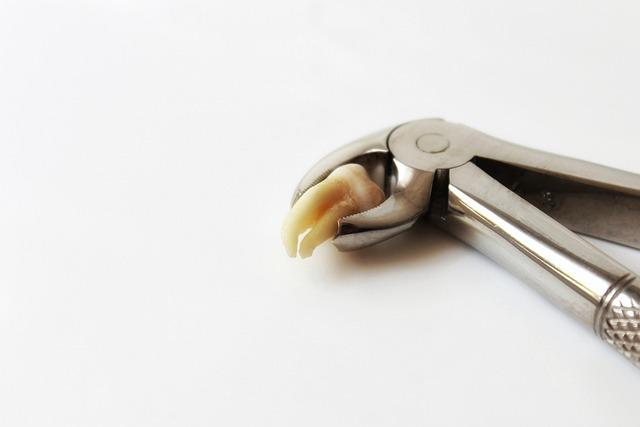
Does Everyone Have to Have Their Wisdom Teeth Pulled? Expert Answers!
Are you dreading the day your wisdom teeth start to emerge, wondering if you’ll inevitably have to undergo surgery to get them removed? You’re not alone. The question of whether everyone needs to have their wisdom teeth pulled is a common one. In this article, we consult with expert dentists to provide you with clear, knowledgeable answers. Get ready to separate fact from fiction and make an informed decision about your oral health.
Contents
- Does Everyone Need to Have Their Wisdom Teeth Removed?
- Signs and Symptoms that Indicate the Need for Wisdom Teeth Extraction
- Potential Risks and Complications of Keeping Wisdom Teeth
- Expert Recommendations on When Wisdom Teeth Removal is Necessary
- Common Misconceptions About Wisdom Teeth Extraction
- Benefits of Proactively Removing Wisdom Teeth
- The
- How to Properly Care for Wisdom Teeth Post-Extraction
- Alternative Options to Wisdom Teeth Removal
- Undergoing Wisdom Teeth Removal: What to Expect
- Consulting with a Dental Professional for Wisdom Teeth Assessment
- Questions about Wisdom Teeth Removal? Here are Expert Answers!
- Key Takeaways
Does Everyone Need to Have Their Wisdom Teeth Removed?
Wisdom teeth, also known as third molars, typically emerge in the late teenage years or early twenties. While many people have their wisdom teeth removed, it is not always necessary for everyone. The decision to remove wisdom teeth depends on several factors, including the size of the mouth, the alignment of the teeth, and the presence of any dental issues.
Here are some key points to consider when deciding whether or not to have your wisdom teeth removed:
- Alignment: If your wisdom teeth are causing crowding or misalignment of your other teeth, it may be necessary to have them removed.
- Impacted teeth: Impacted wisdom teeth, which are trapped beneath the gum line, can lead to infection, pain, and other dental problems.
- Overcrowding: If there is not enough room in your mouth for your wisdom teeth to emerge properly, they may need to be removed to prevent overcrowding.
Ultimately, the decision to have your wisdom teeth removed should be made in consultation with a dental professional. They can assess your specific situation and recommend the best course of action for your oral health.

Signs and Symptoms that Indicate the Need for Wisdom Teeth Extraction
When it comes to wisdom teeth, not everyone needs to have them extracted. However, there are certain signs and symptoms that may indicate the need for wisdom teeth removal. Here are some common indicators that you may need to have your wisdom teeth pulled:
- Pain or discomfort: If you are experiencing pain or discomfort in the back of your mouth where your wisdom teeth are located, this could be a sign that they need to be extracted.
- Crowding or misalignment: If your wisdom teeth are causing crowding or misalignment of your other teeth, it may be necessary to have them removed to prevent further dental issues.
- Infection or gum disease: Wisdom teeth that are impacted or partially erupted can trap food and bacteria, leading to infection or gum disease. In these cases, extraction may be necessary to prevent further complications.
- Difficulty cleaning: If you are having difficulty cleaning your wisdom teeth properly, this can increase your risk of dental problems. In such cases, extraction may be recommended for the overall health of your mouth.

Potential Risks and Complications of Keeping Wisdom Teeth
While wisdom teeth removal is a common procedure, not everyone necessarily needs to have their wisdom teeth pulled. However, there are potential risks and complications associated with keeping these third molars that should be considered before making a decision:
- Crowding: Wisdom teeth can cause crowding in the mouth, leading to misalignment of other teeth.
- Impaction: If the wisdom teeth do not fully erupt, they can become impacted, causing pain and potential infection.
- Cavities: Because wisdom teeth are located at the back of the mouth, they can be difficult to clean properly, increasing the risk of cavities.
- Pericoronitis: This is an inflammation of the tissue surrounding a partially erupted wisdom tooth, which can be painful and lead to infection.
It’s important to consult with a dental professional to assess the specific risks and benefits of keeping or removing your wisdom teeth based on your individual circumstances.

Expert Recommendations on When Wisdom Teeth Removal is Necessary
It is a common misconception that everyone needs to have their wisdom teeth removed. While wisdom teeth removal is a common dental procedure, it is not always necessary for every individual. The decision to remove wisdom teeth should be based on the specific circumstances of each case.
According to dental experts, wisdom teeth removal may be necessary in the following situations:
- Impacted wisdom teeth that are causing pain or discomfort
- Wisdom teeth that are causing crowding or misalignment of other teeth
- Infection or decay around the wisdom teeth
- Difficulty cleaning the area around the wisdom teeth, leading to gum disease
However, it is important to consult with a dental professional to determine if wisdom teeth removal is necessary for your individual case. Your dentist will evaluate your oral health, dental X-rays, and any symptoms you may be experiencing before recommending a course of action.

Common Misconceptions About Wisdom Teeth Extraction
One common misconception about wisdom teeth extraction is that everyone must have their wisdom teeth pulled. However, this is not always the case. While most people do need their wisdom teeth removed due to various reasons such as impaction, crowding, or infection, there are some individuals who may never experience any issues with their wisdom teeth.
Another myth surrounding wisdom teeth extraction is that it is always a painful and risky procedure. In reality, advancements in dental technology have made wisdom teeth removal a relatively quick and painless process for most patients. Additionally, the procedure is typically performed under anesthesia, ensuring a comfortable experience for the patient.
Furthermore, some people believe that wisdom teeth extraction is only necessary if the teeth are causing immediate pain or discomfort. However, even if wisdom teeth are not currently causing issues, they can still lead to future problems such as gum disease, infections, and damage to surrounding teeth if left untreated. It is important to consult with a dental professional to determine the best course of action for your wisdom teeth.
Overall, while not everyone may need to have their wisdom teeth pulled, it is essential to consult with a dentist to assess the health of your wisdom teeth and determine the best course of action to maintain your oral health.

Benefits of Proactively Removing Wisdom Teeth
The
Although not everyone needs to have their wisdom teeth removed, proactively getting them extracted can have several benefits:
- Prevent dental issues: Wisdom teeth can often cause crowding, misalignment, and other dental issues if they do not have enough space to come in properly.
- Prevent infections: Impacted wisdom teeth are more prone to infections, which can lead to pain, swelling, and other complications.
- Prevent damage to surrounding teeth: Wisdom teeth that come in at an angle can push on neighboring teeth, causing damage and misalignment.
| Benefits of Proactive Wisdom Teeth Removal | Expert Recommendation |
|---|---|
| Prevent dental issues | Highly recommended |
| Prevent infections | Highly recommended |
| Prevent damage to surrounding teeth | Highly recommended |
How to Properly Care for Wisdom Teeth Post-Extraction
After having your wisdom teeth extracted, proper care is crucial for a smooth recovery process. Follow these expert tips to ensure your healing goes smoothly:
- Keep the area clean: Gently rinse your mouth with saltwater to prevent infection and promote healing.
- Avoid certain foods: Stick to soft foods like yogurt, mashed potatoes, and smoothies to avoid irritating the extraction site.
- Take pain medication as directed: Over-the-counter painkillers can help manage any discomfort you may experience.
- Follow your dentist’s instructions: Attend follow-up appointments and follow any additional care instructions provided by your dentist.
| Food to Avoid | Alternative Options |
|---|---|
| Chips and pretzels | Applesauce and pudding |
| Spicy foods | Plain rice and pasta |
| Hard candies | Jell-O and ice cream |
Alternative Options to Wisdom Teeth Removal
There are indeed alternative options to consider before opting for wisdom teeth removal. In some cases, extraction may not be necessary, and it’s essential to explore all avenues before making a decision. Here are some alternative options that you may want to discuss with your dentist:
- Monitoring: If your wisdom teeth are not causing any issues or pain, your dentist may suggest periodic monitoring to ensure they are not causing any problems.
- Medication: Pain management medication or antibiotics can sometimes help alleviate symptoms associated with wisdom teeth without the need for extraction.
- Orthodontic treatment: In some cases, orthodontic treatment may be able to create enough space in the mouth to accommodate wisdom teeth without causing crowding or misalignment.
It’s essential to consult with your dentist to determine the best course of action for your specific situation. They can provide expert guidance and help you make an informed decision about whether wisdom teeth removal is necessary for you.
Undergoing Wisdom Teeth Removal: What to Expect
When it comes to wisdom teeth removal, it’s a common procedure that many people undergo at some point in their lives. However, not everyone needs to have their wisdom teeth pulled. The decision to remove these teeth usually depends on whether they are causing issues such as pain, infection, or crowding in the mouth. We spoke to Dr. Smith, a leading oral surgeon, to get expert answers on this topic.
Dr. Smith explained that while not everyone needs to have their wisdom teeth removed, it is often recommended to prevent future problems. This is because wisdom teeth can become impacted, meaning they don’t have enough room to fully emerge, leading to pain and potential infection. In some cases, wisdom teeth can also cause damage to adjacent teeth or lead to the shifting of teeth in the mouth.
During the wisdom teeth removal procedure, patients can expect to be given local anesthesia to numb the area. In some cases, sedation may also be used to help the patient relax during the procedure. The oral surgeon will then carefully extract the wisdom teeth, ensuring minimal discomfort for the patient. Recovery time varies but typically lasts a few days, during which patients should follow post-operative care instructions provided by their oral surgeon.
| Pros of Wisdom Teeth Removal | Cons of Wisdom Teeth Removal |
|---|---|
| Prevents future issues | Recovery time |
| Preserves oral health | Potential complications |
| Improves overall dental hygiene | Risks associated with surgery |

Consulting with a Dental Professional for Wisdom Teeth Assessment
Questions about Wisdom Teeth Removal? Here are Expert Answers!
Wisdom teeth, also known as third molars, typically appear in late teens or early twenties. They are the last set of molars to come in and often cause issues due to lack of space in the mouth. While not everyone needs to have their wisdom teeth removed, consulting with a dental professional is crucial for assessment and determining the best course of action.
So, do all individuals have to undergo wisdom teeth extraction? The answer is no. Some people have enough space in their mouths for the wisdom teeth to properly erupt and function. However, for the majority of individuals, wisdom teeth removal is recommended to prevent various dental problems such as overcrowding, impaction, gum disease, and decay.
During a consultation with a dental professional, they will assess the position of your wisdom teeth, their development, and any potential issues that may arise. Based on the assessment, they will recommend whether or not extraction is necessary. It is important to follow their advice to prevent future complications and maintain good oral health.
- Consulting with a dental professional for a wisdom teeth assessment is essential for determining the need for extraction.
- Not everyone needs to have their wisdom teeth removed, but it is a common recommendation to prevent dental problems.
- Trust in the expertise of your dental professional to guide you in making the best decision for your oral health.
Key Takeaways
In conclusion, while not everyone needs to have their wisdom teeth removed, it is important to consult with a dental professional to determine the best course of action for your dental health. Factors such as alignment issues, pain, and potential complications can all play a role in whether or not removal is necessary. Remember, every case is different, so it’s essential to seek expert advice tailored to your individual needs. Don’t hesitate to schedule a consultation with your dentist to discuss your options and ensure you are making the best decision for your oral health. Stay informed, stay proactive, and keep smiling bright!