Does a Dental Hygienist Pull Teeth? Dental Professional Insights!
When it comes to dental care, many people often wonder: does a dental hygienist pull teeth? In this article, we will delve into the roles and responsibilities of dental hygienists, shedding light on the truth behind this common misconception. Stay tuned as we explore insights from dental professionals to provide clarity on the subject.
Contents
- Does a Dental Hygienist Perform Tooth Extractions?
- Key Differences Between Dental Hygienists and Dentists
- The Role of a Dental Hygienist in Oral Health Care
- Benefits of Seeing a Dental Hygienist Regularly
- When Should You Visit a Dentist Instead of a Dental Hygienist?
- Important Tasks and Responsibilities of Dental Hygienists
- Common Misconceptions About Dental Hygienists
- How Dental Hygienists Work Together with Dentists for Patient Care
- Training and Education Required to Become a Dental Hygienist
- Tips for Maintaining Good Oral Health Between Dental Hygienist Visits
- The Way Forward
Does a Dental Hygienist Perform Tooth Extractions?
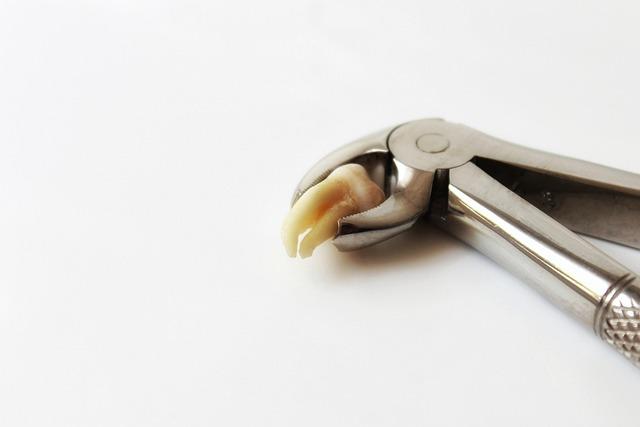
Many people wonder if a dental hygienist is qualified to perform tooth extractions. The answer is no, dental hygienists are not trained to pull teeth. Tooth extractions are typically performed by dentists or oral surgeons.
Dental hygienists mainly focus on preventive oral care, such as cleanings, fluoride treatments, and educating patients on proper oral hygiene practices. They play a crucial role in maintaining good oral health and preventing dental issues.
While dental hygienists do not extract teeth, they are an essential part of the dental team and work closely with dentists to ensure patients’ oral health needs are met. If you require a tooth extraction, your dentist will refer you to a specialist who can safely and effectively perform the procedure.
It’s important to trust your dental professionals and follow their recommendations for your oral health care.

Key Differences Between Dental Hygienists and Dentists
When it comes to dental care, it’s important to understand the distinction between dental hygienists and dentists. While both professionals play a crucial role in maintaining oral health, their responsibilities and expertise differ significantly.
- Education: Dentists undergo extensive training, usually completing a four-year undergraduate program followed by four years of dental school. Dental hygienists typically complete a two-year associate degree program.
- Diagnosis and Treatment: Dentists are licensed to diagnose and treat various oral health issues, including performing procedures such as fillings, extractions, and root canals. Dental hygienists focus primarily on preventive care, such as cleaning teeth, applying fluoride treatments, and educating patients on proper oral hygiene.
- Scope of Practice: Dentists have a broader scope of practice and can address a wide range of dental concerns. Dental hygienists work under the supervision of dentists and are limited in the procedures they can perform.
| Dental Hygienist | Dentist |
|---|---|
| Focuses on preventive care | Diagnoses and treats oral health issues |
| Cleans teeth and performs fluoride treatments | Performs procedures like fillings and extractions |
| Requires a two-year associate degree | Undergoes four years of undergraduate and dental school training |
Overall, while both dental hygienists and dentists play important roles in maintaining oral health, their responsibilities and expertise complement each other to provide comprehensive dental care.

The Role of a Dental Hygienist in Oral Health Care
Dental hygienists do not typically pull teeth as part of their regular responsibilities. Their primary role is focused on preventive oral care and educating patients on proper oral hygiene practices. Some of the key duties of a dental hygienist include:
- Performing dental cleanings to remove plaque and tartar buildup
- Conducting oral health assessments to identify any signs of gum disease or other oral health issues
- Administering fluoride treatments to help strengthen teeth
- Educating patients on the importance of good oral hygiene habits
While dental hygienists do not perform extractions or other surgical procedures, they play a crucial role in maintaining overall oral health and preventing serious dental problems. By working closely with dentists, they help to ensure that patients receive comprehensive care and are able to maintain healthy smiles for a lifetime.
Benefits of Seeing a Dental Hygienist Regularly
Regular visits to a dental hygienist are crucial for maintaining optimal oral health. Contrary to popular belief, dental hygienists do not pull teeth. Their primary role is to prevent dental problems and promote good oral hygiene habits. Here are some key :
- Preventive Care: Dental hygienists can thoroughly clean your teeth, remove plaque and tartar buildup, and identify any early signs of dental issues such as cavities or gum disease.
- Educational Insights: They can provide valuable tips and techniques for proper brushing, flossing, and overall oral care to prevent future problems.
- Customized Treatment Plans: Dental hygienists can create personalized treatment plans based on your specific oral health needs, helping you maintain a healthy smile.

When Should You Visit a Dentist Instead of a Dental Hygienist?
Understanding the Difference Between a Dentist and a Dental Hygienist
When it comes to oral health, knowing when to visit a dentist versus a dental hygienist is important for maintaining a healthy smile. While both professionals play a crucial role in dental care, there are distinct differences between the two that can help you determine the best course of action for your oral health needs.
1. **Dentist: Dentists are licensed professionals who have completed extensive training in diagnosing and treating a wide range of dental issues. They are qualified to perform procedures such as extractions, root canals, and cavity fillings. If you are experiencing tooth pain, gum disease, or other oral health concerns that require specialized treatment, visiting a dentist is the best option.
2. **Dental Hygienist: Dental hygienists are trained to provide preventive care, such as cleanings, exams, and education on proper oral hygiene practices. While they play a crucial role in maintaining oral health, they do not perform procedures such as tooth extractions. If you are looking to prevent dental issues and maintain good oral hygiene, scheduling regular cleanings with a dental hygienist is recommended.
Important Tasks and Responsibilities of Dental Hygienists
When it comes to the tasks and responsibilities of dental hygienists, there are a few key things to understand. While dental hygienists play a crucial role in the dental office, one important thing to note is that they do not typically pull teeth. The primary responsibilities of a dental hygienist include:
- Performing dental cleanings to remove plaque and tartar buildup
- Educating patients on proper oral hygiene practices
- Administering fluoride treatments
- Taking dental x-rays
- Assisting dentists during procedures
These tasks require a high level of skill and knowledge, as they directly contribute to the overall oral health of patients. While dental hygienists may assist with extractions in some cases, the act of pulling teeth is typically performed by a dentist.

Common Misconceptions About Dental Hygienists
Many people mistakenly believe that dental hygienists are responsible for pulling teeth. This is a common misconception about the role of dental hygienists. In reality, dental hygienists are primarily responsible for preventive dental care, such as cleanings, fluoride treatments, and educating patients on proper oral hygiene practices.
While dental hygienists play a crucial role in maintaining oral health, pulling teeth is actually a task performed by dentists. Dentists are trained professionals who have the expertise and skill to perform extractions when necessary. Dental hygienists work closely with dentists to provide comprehensive dental care to patients.
Here are some key points to remember about dental hygienists:
- Dental hygienists focus on preventive care
- They perform cleanings and educate patients on oral hygiene
- Dentists are responsible for extractions and other invasive procedures
How Dental Hygienists Work Together with Dentists for Patient Care
Dental hygienists play a crucial role in assisting dentists with patient care, but contrary to popular belief, they do not pull teeth. Instead, dental hygienists primarily focus on preventive oral care and educating patients on proper dental hygiene practices. They work closely with dentists to ensure that patients receive comprehensive oral health care.
Together, dental hygienists and dentists form a collaborative team that addresses the overall oral health needs of patients. While dentists perform more complex procedures such as extractions, fillings, and root canals, dental hygienists support these efforts by performing tasks such as:
- Performing routine cleanings and fluoride treatments
- Taking dental X-rays
- Educating patients on proper brushing and flossing techniques
- Conducting oral cancer screenings
By working together seamlessly, dental hygienists and dentists can provide patients with comprehensive oral care that promotes long-term dental health. Both professionals play unique and important roles in ensuring that patients receive top-notch dental care and education to maintain healthy smiles for a lifetime.

Training and Education Required to Become a Dental Hygienist
To become a dental hygienist, pulling teeth is not typically part of the job description. Dental hygienists primarily focus on preventative oral healthcare, such as cleaning teeth, examining patients for signs of oral diseases, and educating patients on proper oral hygiene practices.
The education and training required to become a dental hygienist are rigorous and comprehensive. In order to practice, individuals must complete a dental hygiene program from an accredited institution. These programs usually take about 2-3 years to complete and include both classroom instruction and hands-on clinical experience.
During their training, aspiring dental hygienists learn about topics such as anatomy, physiology, pharmacology, radiography, and periodontology. They also receive training in dental hygiene techniques, such as scaling and root planing, applying fluoride treatments, and taking dental x-rays.
After completing their education, dental hygienists must also pass the National Board Dental Hygiene Examination and obtain a state license in order to practice. Continuing education is often required to maintain licensure and stay up-to-date on the latest advancements in the field of dental hygiene.
Tips for Maintaining Good Oral Health Between Dental Hygienist Visits
It’s a common misconception that dental hygienists pull teeth, but in reality, they do not perform tooth extractions. Dental hygienists focus on preventative oral care, such as cleanings, exams, and education on maintaining good oral health. However, if a patient requires a tooth extraction, a dentist or oral surgeon would typically handle that procedure.
So, what can you do to maintain good oral health between dental hygienist visits? Here are some tips to keep your teeth and gums healthy:
- Brush and floss regularly: Make sure to brush your teeth at least twice a day and floss daily to remove plaque and food particles.
- Use mouthwash: Rinse with an antiseptic mouthwash to kill bacteria and freshen your breath.
- Watch your diet: Limit sugary and acidic foods and drinks that can contribute to tooth decay.
- Schedule regular dental check-ups: Visit your dentist every six months for a comprehensive exam and professional cleaning.
| Tip | Benefits |
| Brush and floss regularly | Prevents cavities and gum disease |
| Use mouthwash | Reduces bacteria in your mouth |
| Watch your diet | Protects your teeth from decay |
| Schedule regular dental check-ups | Detects oral health issues early on |
The Way Forward
In conclusion, dental hygienists do not typically pull teeth but instead focus on preventive care, cleaning, and educating patients on proper oral hygiene practices. It is important to remember that each member of the dental team plays a crucial role in maintaining your oral health. So, next time you visit the dentist, be sure to show appreciation for the hard work and expertise of your dental hygienist. Stay informed, stay proactive, and keep smiling bright!
Key takeaways:
– Dental hygienists primarily focus on preventive care and cleaning.
– They do not typically pull teeth.
- Every member of the dental team is essential for maintaining oral health.
– Always show appreciation for the work of your dental hygienist.