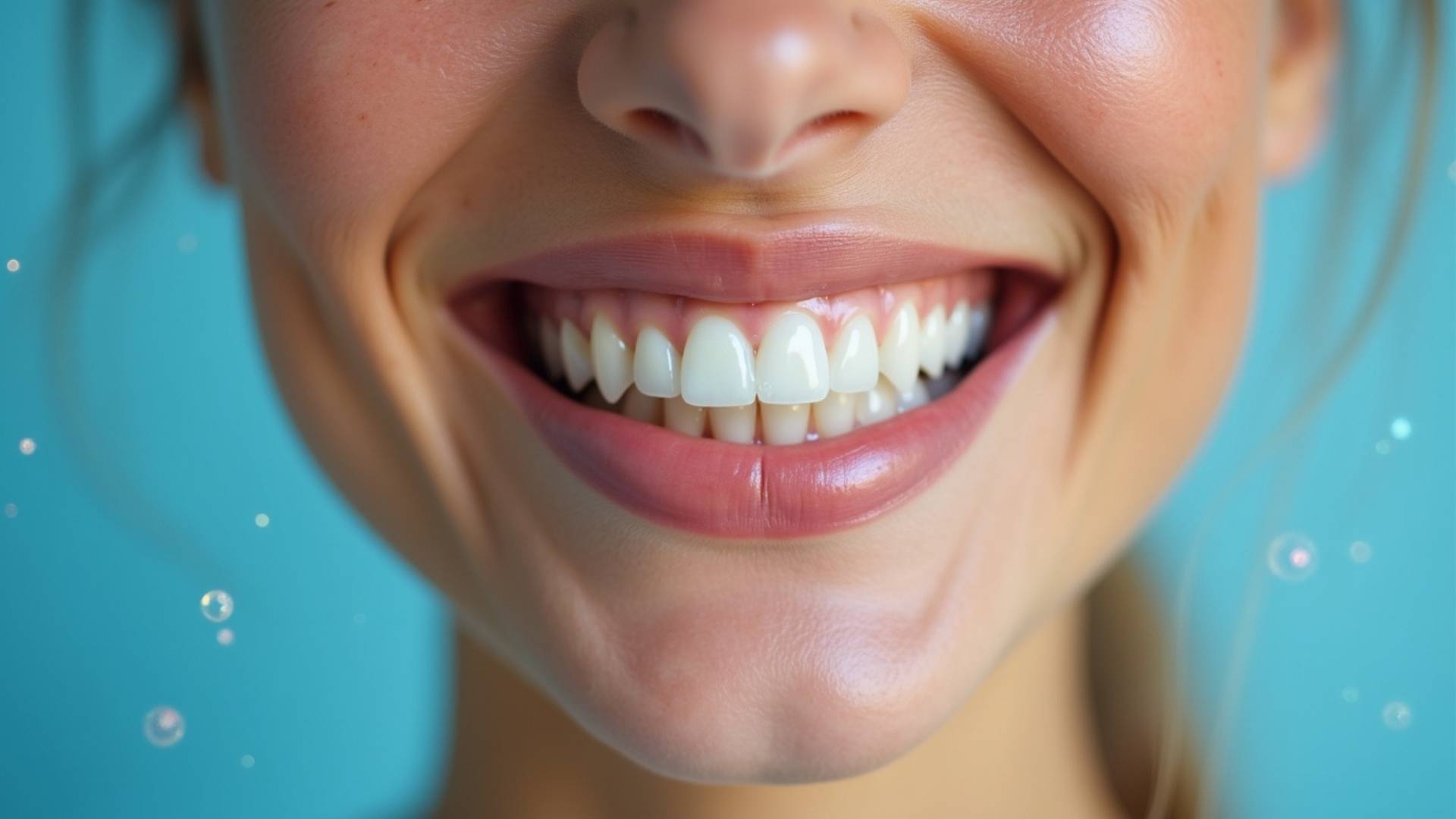
Can You Remove a Gold Tooth? Exploring Dental Restoration Options!
Have you ever wondered if it’s possible to remove a gold tooth? With advancements in dental technology, there are now multiple options available for dental restoration. In this article, we will explore the various methods and procedures for removing and replacing a gold tooth, providing you with all the information you need to make an informed decision about your oral health.
Contents
- Exploring Dental Restoration Options
- Understanding the Process of Removing a Gold Tooth
- Factors to Consider Before Removing a Gold Tooth
- Popular Alternatives to Gold Tooth Removal
- Consulting with a Dentist for Personalized Recommendations
- Pros and Cons of Different Dental Restoration Options
- Gold Tooth Removal: The Dental Restoration Debate
- Cost Considerations for Gold Tooth Removal and Replacement
- Potential Risks and Complications of Gold Tooth Removal
- Long-Term Effects of Various Dental Restoration Choices
- Making an Informed Decision for Your Dental Health
- In Summary
Exploring Dental Restoration Options
When it comes to dental restoration options, there are several choices available depending on your specific needs and preferences. Whether you are looking to replace a missing tooth, repair a damaged tooth, or simply enhance your smile, there are various treatments and procedures to consider.
One common question that comes up is, “Can you remove a gold tooth?” The answer is yes, a gold tooth can be removed just like any other dental restoration. Whether you have a gold crown, bridge, or filling, your dentist can safely remove it and discuss alternative options for restoring your tooth.
When , it’s important to consider factors such as durability, aesthetics, cost, and long-term maintenance. Some popular choices for dental restorations include:
- Porcelain veneers: These thin shells are custom-made to fit over the front of your teeth, improving their appearance.
- Dental implants: Titanium posts are surgically inserted into the jawbone to replace missing teeth, providing a long-lasting and natural-looking solution.
- Tooth-colored fillings: Composite resin fillings can be used to repair cavities and blend in with your natural teeth.

Understanding the Process of Removing a Gold Tooth
When it comes to dental restoration, removing a gold tooth is a common procedure that many patients may need to undergo. Whether you have a gold tooth that needs to be replaced with a more natural-looking restoration or you simply want to remove it for personal reasons, understanding the process is important.
Here is a breakdown of how the process of removing a gold tooth typically works:
- Anesthesia: Before the removal process begins, the dentist will administer local anesthesia to numb the area around the tooth.
- Extraction: Using specialized tools, the dentist will carefully loosen and remove the gold tooth from the socket in the jawbone.
- Recovery: After the tooth is removed, the dentist will provide instructions for post-extraction care to ensure proper healing.
It’s important to consult with your dentist before making any decisions about removing a gold tooth, as they can provide personalized recommendations based on your specific situation and oral health needs.

Factors to Consider Before Removing a Gold Tooth
Before deciding to remove a gold tooth, there are several important factors to consider:
- Cost: Gold teeth can be a costly investment, so it’s important to weigh the financial implications of removing one.
- Dental Health: Removing a gold tooth may have an impact on your overall dental health, so it’s essential to consult with a dentist beforehand.
- Aesthetics: Consider how the removal of a gold tooth will affect your smile and appearance.
- Replacement Options: Explore alternative dental restoration options before making a decision.
Ultimately, the decision to remove a gold tooth should be made in consultation with a qualified dentist who can provide personalized advice based on your specific situation and needs.
Popular Alternatives to Gold Tooth Removal
When it comes to dental restoration options, there are several that you may want to consider. While gold teeth have been a traditional choice for dental restorations, there are now more modern and aesthetically pleasing options available. Here are some :
- Porcelain Crowns: Porcelain crowns are a popular choice for dental restorations as they can be color-matched to your natural teeth, providing a seamless and natural look.
- Composite Resin Fillings: Composite resin fillings are a tooth-colored alternative to traditional silver fillings, providing a more discreet option for restoring teeth.
- Ceramic Inlays and Onlays: Ceramic inlays and onlays are custom-made restorations that are bonded to the tooth, providing a strong and durable alternative to gold restorations.
- Porcelain Veneers: Porcelain veneers are thin shells that are bonded to the front of teeth to improve their appearance, making them a popular choice for cosmetic dental restorations.

Consulting with a Dentist for Personalized Recommendations
Consulting with a dentist is crucial when considering dental restoration options. Whether you are looking to remove a gold tooth or explore other options, a dentist can provide personalized recommendations based on your individual needs and preferences.
During a consultation, a dentist will assess your oral health and discuss various treatment options with you. They will consider factors such as the condition of your teeth, your budget, and your aesthetic goals to recommend the most suitable restoration option for you.
Some common dental restoration options that a dentist may recommend include:
– **Dental Crowns:** Crowns are used to cover a damaged or decayed tooth, improving its appearance and function.
– **Dental Implants:** Implants are a long-term solution for replacing missing teeth, providing stability and durability.
– **Dental Bridges:** Bridges are used to fill gaps between teeth, restoring your smile and bite.
Ultimately, consulting with a dentist is the best way to explore your options and make an informed decision about your dental health and restoration needs. Trusting in their expertise will ensure that you receive the best possible care for your oral health.
Pros and Cons of Different Dental Restoration Options
Gold Tooth Removal: The Dental Restoration Debate
When it comes to dental restoration options, there are a variety of choices available to patients. From traditional gold crowns to modern ceramic implants, each option has its own set of pros and cons that should be carefully considered before making a decision. Let’s take a closer look at some of the most popular dental restoration options and explore the advantages and disadvantages of each.
Gold Crowns
- Pros: Extremely durable, biocompatible, long-lasting
- Cons: Expensive, can cause allergic reactions in some individuals, not aesthetically pleasing
Ceramic Implants
- Pros: Natural-looking, biocompatible, no risk of allergic reactions
- Cons: Less durable than gold, may require replacement over time, can be costly
Ultimately, the decision to remove a gold tooth or opt for a different dental restoration option will depend on a variety of factors, including cost, durability, aesthetics, and personal preference. By weighing the pros and cons of each option carefully, you can make an informed decision that will best meet your individual needs and preferences.

Cost Considerations for Gold Tooth Removal and Replacement
When it comes to considering the costs associated with removing and replacing a gold tooth, there are several factors to take into account. The price of the procedure can vary depending on the complexity of the extraction, the materials used for the replacement, and the expertise of the dental professional performing the work. Here are some key cost considerations to keep in mind:
- Extraction Costs: The cost of removing a gold tooth can range from $75 to $300 per tooth, depending on the complexity of the procedure and the location of the tooth.
- Replacement Options: After the gold tooth is removed, you will have to decide on a replacement option. Common choices include dental implants, bridges, and dentures, each with its own associated cost.
- Materials Used: The cost of the replacement tooth will also depend on the materials used. For example, a gold crown may be more expensive than a porcelain or composite crown.
- Insurance Coverage: In some cases, dental insurance may cover a portion of the costs associated with gold tooth removal and replacement. Be sure to check with your insurance provider to see what is covered.

Potential Risks and Complications of Gold Tooth Removal
When considering the removal of a gold tooth, it is crucial to be aware of the potential risks and complications that may arise during the process. While gold teeth are known for their durability, removing them can still pose certain challenges. Here are some key factors to keep in mind:
- Infection: Any dental procedure carries a risk of infection, including the removal of a gold tooth. Proper sterilization techniques and post-operative care are essential to minimize this risk.
- Damage to surrounding teeth: During the extraction process, there is a possibility of causing damage to neighboring teeth. This is why it is crucial to have the procedure performed by a skilled and experienced dentist.
- Bleeding: It is common to experience some degree of bleeding after a tooth extraction. However, excessive bleeding may occur in some cases, requiring proper management and follow-up care.

Long-Term Effects of Various Dental Restoration Choices
When it comes to choosing the right dental restoration option, there are many factors to consider, including the long-term effects on your oral health. Different materials used in dental restorations can have varying impacts on your teeth and overall oral health. Let’s explore some common dental restoration choices and their long-term effects:
- Gold Crowns: While gold crowns are known for their durability and strength, they can cause wear on adjacent teeth over time. Additionally, some patients may not prefer the aesthetic appearance of gold in their smile.
- Porcelain Crowns: Porcelain crowns are a popular choice for their natural look and biocompatibility. However, they may be more prone to chipping or cracking compared to other materials.
- Composite Fillings: Composite fillings are tooth-colored and blend seamlessly with natural teeth. They are a good choice for small to medium cavities, but they may need to be replaced more frequently than other materials.
It’s important to discuss your options with your dentist to determine the best choice for your individual needs and lifestyle. Remember, regular dental check-ups and proper oral hygiene are essential for maintaining the longevity of any dental restoration.

Making an Informed Decision for Your Dental Health
When it comes to making decisions about your dental health, it’s important to be well-informed about your options. If you’re considering removing a gold tooth, there are a few things to keep in mind before making a decision:
- Consult with your dentist: Before taking any steps, make sure to consult with your dentist to discuss the best course of action for your specific situation.
- Consider alternative options: Removing a gold tooth may not be the only solution. Your dentist may be able to offer alternative options for restoring your smile.
- Weigh the pros and cons: Take the time to weigh the pros and cons of removing a gold tooth. Consider factors such as cost, durability, and aesthetics.
Overall, it’s important to make an informed decision that aligns with your dental health goals and priorities. By exploring all of your options and consulting with your dentist, you can make the best choice for your smile.
In Summary
In conclusion, when it comes to removing a gold tooth, understanding your dental restoration options is key. With advancements in dental technology, there are plenty of solutions available to help you achieve a healthy and confident smile. Whether it’s a simple tooth extraction or a more complex restoration procedure, consulting with a qualified dentist is crucial. Remember, your oral health and well-being are worth investing in, so don’t hesitate to explore all your options. Here’s to a bright and beautiful smile!