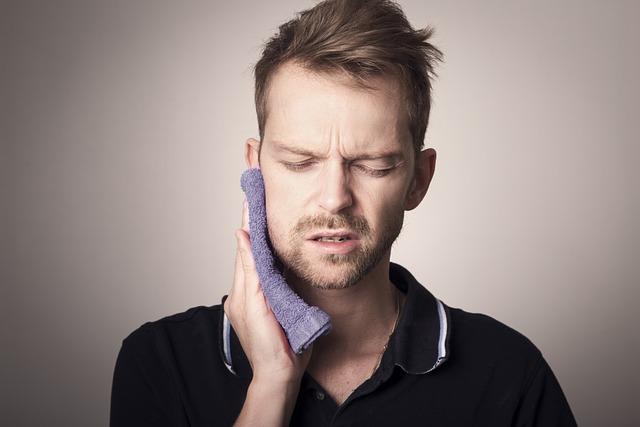
Can You Pull a Wisdom Tooth Out at Home? Expert Advice
Have you ever wondered if you could avoid a trip to the dentist and pull out your own wisdom tooth at home? While it may sound like a tempting idea to save time and money, experts have some advice that might make you think twice before attempting it. Let’s explore the risks and benefits of DIY tooth extraction in this enlightening article.
Contents
- Overview of Wisdom Teeth and the Removal Process
- Risks and Dangers of Attempting DIY Wisdom Tooth Extraction
- Expert Opinions on the Safety and Effectiveness of DIY Extractions
- Potential Complications and Consequences of DIY Wisdom Tooth Removal
- Potential Complications and Consequences
- Tips for Managing Wisdom Tooth Pain at Home Before Seeking Professional Help
- The Importance of Consulting a Dentist or Oral Surgeon for Wisdom Tooth Extraction
- Alternative Options for Managing Wisdom Tooth Pain if Professional Help is Not Available
- How to Properly Care for Your Mouth and Teeth After Wisdom Tooth Removal
- Mythbusting: Common Misconceptions About DIY Wisdom Tooth Extraction
- Final Thoughts
Overview of Wisdom Teeth and the Removal Process
Wisdom teeth, also known as third molars, are the last set of molars to emerge in your mouth. They typically appear between the ages of 17 and 25, but not everyone develops them. In some cases, wisdom teeth can cause issues such as crowding, misalignment, or infection, which may require their removal.
When it comes to the removal process, it is always recommended to seek professional help from a dentist or oral surgeon. Attempting to pull a wisdom tooth out at home can lead to serious complications, including infection, nerve damage, and excessive bleeding. The removal procedure is typically done under local anesthesia, and your dentist will provide post-operative care instructions to ensure a smooth recovery.
During the extraction, your dentist will assess the position of your wisdom teeth and determine the best approach for removal. In some cases, the tooth may need to be surgically extracted if it is impacted or trapped beneath the gumline. It’s important to follow your dentist’s recommendations and schedule regular check-ups to monitor the healing process and prevent any potential complications.

Risks and Dangers of Attempting DIY Wisdom Tooth Extraction
Attempting to extract a wisdom tooth at home is not only risky but also extremely dangerous. Dentists strongly advise against trying to remove your own wisdom tooth without professional supervision. There are several reasons why this DIY approach can lead to serious consequences:
- Infection: Without proper sterilization techniques and tools, there is a high risk of infection setting in at the extraction site.
- Nerve damage: Amateur extraction attempts can easily result in damage to nearby nerves, causing numbness, tingling, or even permanent loss of sensation.
- Bleeding: Improper extraction techniques can lead to excessive bleeding that may be difficult to control without professional help.
- Jaw fracture: Extracting a tooth improperly can also result in jaw fractures, requiring extensive medical intervention.
It is crucial to seek the expertise of a qualified dentist or oral surgeon for wisdom tooth extraction to ensure a safe and successful procedure. Your dental care provider will have the necessary training, equipment, and sterile environment to remove the tooth effectively with minimal risks involved.
Expert Opinions on the Safety and Effectiveness of DIY Extractions
Experts in the field of dentistry strongly advise against attempting DIY extractions, especially when it comes to removing wisdom teeth. The potential risks and complications that can arise from improperly extracting a tooth at home are significant and could lead to serious health issues.
Here are some key points to consider from experts when it comes to the safety and effectiveness of DIY extractions:
- Risk of infection: Without proper sterilization techniques and equipment, DIY extractions can easily lead to infections that can spread to other parts of the body.
- Nerve damage: Inexperienced individuals attempting to extract a tooth may inadvertently damage nerves in the surrounding area, leading to numbness, tingling, or even permanent loss of sensation.
- Bleeding: Controlling bleeding during a tooth extraction requires specific skills and tools that are not readily available in a home setting, putting the individual at risk for excessive bleeding.
It is always best to seek professional dental care from a licensed dentist or oral surgeon for any tooth extraction, including wisdom teeth. They have the necessary training, experience, and equipment to safely and effectively remove a tooth while minimizing the risk of complications.

Potential Complications and Consequences of DIY Wisdom Tooth Removal
Potential Complications and Consequences
Attempting to remove a wisdom tooth at home can lead to a range of potential complications and consequences that should not be taken lightly. While the idea of saving money and avoiding a trip to the dentist may be tempting, the risks involved in performing this procedure on yourself are significant.
Some of the potential complications that can arise from a DIY wisdom tooth removal include:
- Infection: Improper sterilization of tools or poor wound care can lead to infections that may spread and cause serious health problems.
- Nerve Damage: Without the proper training and tools, it is easy to accidentally damage the nerves in your mouth, leading to numbness, tingling, or even loss of sensation.
- Excessive Bleeding: Wisdom tooth removal can cause bleeding, and without the proper knowledge of how to stop it, you may experience excessive blood loss.
| Complication | Consequence |
|---|---|
| Infection | Potential spread of infection throughout the body |
| Nerve Damage | Numbness or loss of sensation in the mouth |
| Excessive Bleeding | Risk of significant blood loss |

Tips for Managing Wisdom Tooth Pain at Home Before Seeking Professional Help
When it comes to managing wisdom tooth pain at home, there are several remedies you can try before seeking professional help. Here are some tips that might help alleviate your discomfort:
- Saltwater Rinse: Gargling with warm salt water can help reduce inflammation and kill bacteria in the mouth.
- Cold Compress: Applying a cold compress to the outside of your cheek can help numb the pain and reduce swelling.
- Over-the-Counter Pain Medication: Taking ibuprofen or acetaminophen can help alleviate pain and inflammation.
- Soft Foods: Eating soft foods and avoiding hard, crunchy foods can prevent further irritation to your wisdom tooth.
If you are experiencing severe pain or swelling, it is recommended to seek professional help from a dentist. Trying to pull a wisdom tooth out at home can lead to complications and should be avoided. Always consult with a dental professional before attempting any drastic measures.

The Importance of Consulting a Dentist or Oral Surgeon for Wisdom Tooth Extraction
When it comes to wisdom tooth extraction, it is crucial to consult a dentist or oral surgeon rather than attempting to pull the tooth out at home. Wisdom teeth are the final set of molars that typically emerge in the late teens or early twenties. Due to their location at the back of the mouth, they can often become impacted or grow in at an angle, causing pain, infection, and other dental issues.
Here are some reasons why it is important to seek professional help for wisdom tooth extraction:
- Expertise: Dentists and oral surgeons have the training and experience necessary to safely remove wisdom teeth.
- Pain Management: Professionals can provide local anesthesia, sedation, or general anesthesia to ensure a comfortable and pain-free procedure.
- Prevention of Complications: Professionals can identify any potential complications, such as nerve damage or infection, and take steps to prevent them.
So, while the idea of pulling a wisdom tooth out at home may seem appealing, it is always best to leave this delicate procedure in the hands of trained professionals. Your oral health is too important to take any risks.
Alternative Options for Managing Wisdom Tooth Pain if Professional Help is Not Available
If you are experiencing severe wisdom tooth pain and cannot seek professional help, it is crucial to explore alternative options for managing it at home. While pulling out a wisdom tooth at home is not recommended by dental experts due to the risk of infection and complications, there are some ways you can alleviate the pain temporarily.
**Here are some alternative options to consider if you cannot get professional help immediately**:
– Rinse your mouth with warm salt water to reduce inflammation and pain
– Apply a cold compress on the outside of the cheek to numb the area and reduce swelling
– Take over-the-counter pain medications like ibuprofen or acetaminophen to manage the pain
– Avoid biting down on hard foods or objects to prevent further irritation of the affected area
**Remember, these methods are only temporary solutions and should not replace professional dental treatment**. If you are unable to see a dentist, it is essential to monitor your symptoms closely and seek help as soon as possible to prevent further complications. It is always recommended to consult with a dental professional for proper diagnosis and treatment of wisdom tooth pain.
How to Properly Care for Your Mouth and Teeth After Wisdom Tooth Removal
After undergoing wisdom tooth removal, it is crucial to properly care for your mouth and teeth to prevent infection and promote healing. Here are some expert tips on how to ensure a smooth recovery process:
– **Gently rinse your mouth:** Rinse your mouth with warm salt water 24 hours after the procedure to help reduce swelling and prevent infection. Avoid vigorous rinsing to prevent dislodging the blood clot that forms in the socket.
– **Avoid spitting or using straws:** Refrain from spitting or using straws in the days following the extraction, as these actions can also dislodge the blood clot and delay healing.
– **Eat soft foods:** Stick to soft foods like yogurt, mashed potatoes, and smoothies for the first few days to avoid putting pressure on the extraction site. Avoid crunchy or spicy foods that may irritate the area.
– **Take pain medication as prescribed:** Your dentist or oral surgeon may prescribe pain medication to manage any discomfort after the procedure. Follow their instructions carefully and contact them if you experience severe pain or swelling.
Remember to follow all post-operative care instructions provided by your oral healthcare professional to ensure a successful recovery. Proper care and hygiene practices are essential for promoting healing and preventing complications after wisdom tooth removal.
Mythbusting: Common Misconceptions About DIY Wisdom Tooth Extraction
Many people have heard stories or seen videos online of individuals attempting to extract their own wisdom teeth at home. While DIY procedures may seem like a quick and cost-effective solution, they can actually pose serious risks to your oral health. Let’s bust some common myths about DIY wisdom tooth extraction:
- Myth #1: Pulling a wisdom tooth at home is safe and effective.
- Myth #2: You can avoid the costs of professional dental care by extracting your own tooth.
- Myth #3: Painkillers and basic tools are all you need for a successful DIY extraction.
It’s important to remember that wisdom tooth extraction is a complex procedure that should only be performed by a licensed dental professional. Trying to pull a tooth at home can lead to infection, nerve damage, excessive bleeding, and other serious complications. Always consult with a dentist before attempting any dental procedures on your own.
Final Thoughts
In conclusion, attempting to pull a wisdom tooth out at home is not only risky but can also lead to serious complications. It is always best to seek professional help from a qualified dentist or oral surgeon who can safely remove the tooth using the proper tools and techniques. Remember, your oral health is too important to take chances with. So, if you’re experiencing pain or discomfort from a wisdom tooth, don’t hesitate to schedule an appointment with a professional. Your future self will thank you for it! Stay safe and take care of your teeth, folks.