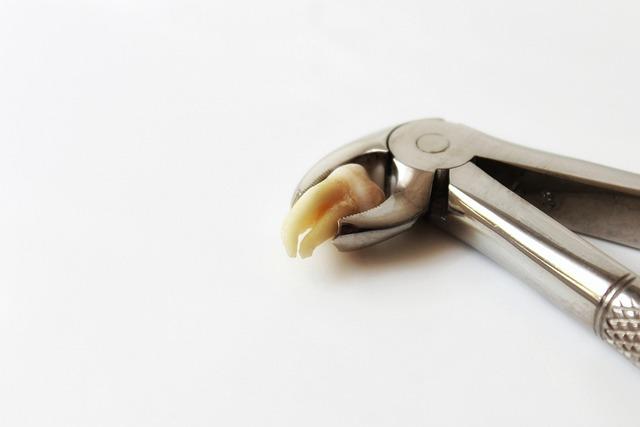
Can You Have a Tooth Removed if It Is Infected? Dental Facts Explained!
In the world of dental care, dealing with an infected tooth can be a painful and worrisome experience. But what exactly should you do if faced with this common issue? Can you have a tooth removed if it’s infected? Let’s dive into the facts and discover the answers to these important questions in the realm of dental health.
Contents
- Understanding Infected Teeth and Treatment Options
- The Importance of Addressing Infected Teeth Promptly
- How Dentists Determine if a Tooth Can be Removed if Infected
- Alternative Solutions for Infected Teeth Apart from Extraction
- Potential Risks and Complications of Delaying Treatment
- Post-Extraction Care for an Infected Tooth
- Factors That Influence the Decision to Remove an Infected Tooth
- Common Signs and Symptoms of Tooth Infection
- Preventative Measures to Avoid Tooth Infections
- Consulting with a Professional for Proper Diagnosis and Treatment
- Key Takeaways
Understanding Infected Teeth and Treatment Options
When it comes to dealing with an infected tooth, the first course of action is typically to try and save the tooth with treatment options such as root canal therapy. This procedure involves removing the infected pulp from inside the tooth, cleaning and disinfecting the area, and sealing it to prevent further infection. Root canal therapy is often successful in saving the tooth and alleviating pain.
However, in some cases, the infection may be too severe for the tooth to be saved. In these instances, a tooth extraction may be necessary. While it may seem counterintuitive to remove a tooth that is already infected, it is sometimes the best course of action to prevent the infection from spreading to other teeth or even into the bloodstream.
If a tooth extraction is deemed necessary, rest assured that it can be done safely and relatively painlessly under local anesthesia. Once the infected tooth is removed, your dentist will discuss your options for replacing the missing tooth, such as with a dental implant, bridge, or dentures.
Remember, it’s always best to consult with your dentist to determine the best course of action for your specific situation. They will be able to assess the severity of the infection and recommend the most appropriate treatment option for you.
The Importance of Addressing Infected Teeth Promptly
When it comes to dental health, addressing infected teeth promptly is crucial for maintaining overall well-being. Ignoring an infected tooth can lead to a range of serious complications, including:
- Severe pain and discomfort
- Swelling and inflammation in the affected area
- Infection spreading to other parts of the body
- Permanent damage to the tooth and surrounding tissues
Many people wonder whether a tooth can be removed if it is infected. The answer is yes, but it is not always the first course of action. In many cases, a dentist will try to save the infected tooth through treatments like root canal therapy. However, if the infection is severe and cannot be effectively treated, extraction may be necessary to prevent further complications.
It is important to seek professional dental care if you suspect you have an infected tooth. A dentist will be able to assess the situation and recommend the most appropriate course of treatment. Remember, early intervention can help prevent more serious issues down the line.

How Dentists Determine if a Tooth Can be Removed if Infected
When it comes to dealing with an infected tooth, dentists follow a specific protocol to determine if extraction is necessary. Here are some key factors that dentists consider:
- X-Ray Examination: Dentists will typically start by taking an X-ray of the affected tooth to assess the extent of the infection. This will help them determine if the infection has spread to the surrounding tissues.
- Symptoms: Dentists will also evaluate the symptoms you are experiencing, such as pain, swelling, or redness. These can be indicators of a severe infection that may require extraction.
- Extent of Damage: If the infection has caused extensive damage to the tooth that cannot be treated with a root canal or antibiotics, extraction may be the only option.
- Patient’s Overall Health: Dentists will take into consideration your overall health and any underlying medical conditions that may affect the success of the extraction procedure.
Alternative Solutions for Infected Teeth Apart from Extraction
When facing an infected tooth, many people assume that extraction is the only solution. However, there are alternative treatments available that may save the tooth and alleviate the infection. Here are some alternative solutions to consider:
- Root Canal Therapy: This procedure involves removing the infected pulp from the tooth and cleaning out the root canals. Once the infection is cleared, the tooth is sealed with a filling or crown.
- Antibiotics: In some cases, antibiotics may be prescribed to help fight the infection before undergoing any dental procedures.
- Drainage: If there is a dental abscess present, drainage may be necessary to remove the pus and relieve pressure.
It’s important to consult with your dentist to determine the best course of action for your infected tooth. They will be able to assess the severity of the infection and recommend the most appropriate treatment plan.
Potential Risks and Complications of Delaying Treatment
:
Ignoring an infected tooth can lead to serious consequences beyond just dental pain. Here are some potential risks and complications that can arise from delaying treatment:
- Spread of Infection: If left untreated, an infected tooth can lead to the spread of bacteria to other parts of the body, causing systemic infections.
- Increased Pain and Discomfort: As the infection progresses, the pain and discomfort associated with the tooth can become unbearable.
- Loss of the Tooth: Delaying treatment can result in the need for extraction, leading to potential complications with chewing and speech.
- Damage to Surrounding Teeth and Gums: The infection can spread to neighboring teeth and gums, causing further damage and decay.
In summary, it is crucial to seek prompt dental treatment if you suspect an infection in your tooth. Don’t wait until the situation becomes dire – take action to ensure your oral health and overall well-being.
Post-Extraction Care for an Infected Tooth
After having a tooth removed due to infection, proper post-extraction care is crucial to ensure a smooth and speedy recovery. Here are some important steps to follow:
- **Keep the extraction site clean:** Gently rinse your mouth with warm salt water multiple times a day to prevent infection.
- **Take prescribed medications:** Make sure to take any antibiotics or pain relievers as directed by your dentist to help with healing and prevent further infection.
- **Avoid certain foods:** Stick to soft foods like soups, yogurt, and smoothies for the first few days to prevent irritating the extraction site.
In some cases, your dentist may recommend using a special mouthwash or applying a healing gel to the extraction site to aid in the recovery process. It’s important to follow their instructions carefully to ensure the best possible outcome. Remember to reach out to your dentist if you experience excessive pain, bleeding, or swelling following the extraction. Taking good care of your mouth post-extraction will help prevent any further infection and promote proper healing.
Factors That Influence the Decision to Remove an Infected Tooth
When it comes to deciding whether to remove an infected tooth, there are several factors that come into play. It’s important to understand that each case is unique, and a dental professional will evaluate the specific circumstances before making a recommendation.
Some of the factors that may influence the decision to remove an infected tooth include:
- Severity of the infection: If the infection is severe and has caused extensive damage to the tooth and surrounding tissues, extraction may be necessary to prevent further complications.
- Potential for spreading: In some cases, leaving an infected tooth in place can lead to the spread of infection to other parts of the mouth or even the rest of the body.
- Patient’s overall health: The overall health of the patient plays a crucial role in the decision-making process. If a patient has a weakened immune system or other underlying health conditions, removing the infected tooth may be the best course of action.
Ultimately, the goal is to address the infection effectively and prevent it from causing further harm. Your dentist will work with you to develop a treatment plan that is tailored to your specific needs and circumstances.

Common Signs and Symptoms of Tooth Infection
If you are experiencing any of the following signs and symptoms, it is crucial to seek dental attention as soon as possible:
- Tooth pain or sensitivity to hot and cold temperatures
- Swelling or tenderness in the gums near the affected tooth
- Pus or drainage coming from the tooth or gums
- Bad breath or a foul taste in the mouth
Ignoring these symptoms can lead to serious complications, including the spread of infection to other parts of the body. In some cases, a tooth infection may require a tooth extraction to prevent further damage. However, this decision should always be made by a professional dentist after a thorough evaluation of the situation.

Preventative Measures to Avoid Tooth Infections
One of the most common dental issues that people face is tooth infections, which can be extremely painful and uncomfortable. However, there are preventative measures that you can take to avoid tooth infections and keep your oral health in check.
Here are some important tips to help you prevent tooth infections:
- Brush and floss your teeth regularly to remove plaque and bacteria that can cause infections.
- Visit your dentist for regular check-ups and cleanings to catch any potential issues early on.
- Avoid sugary and acidic foods and drinks that can weaken your tooth enamel and make you more susceptible to infections.
Remember, prevention is key when it comes to avoiding tooth infections. By taking good care of your oral health, you can enjoy a beautiful smile and avoid painful dental issues in the future.
| Tooth infection risk factors: | Preventative measures: |
|---|---|
| Poor oral hygiene | Brushing and flossing regularly |
| Untreated cavities | Regular dental check-ups |
| Unhealthy diet | Avoiding sugary and acidic foods |
| Smoking | Quitting smoking |

Consulting with a Professional for Proper Diagnosis and Treatment
When it comes to dental issues such as infections, it is essential to consult with a professional for the proper diagnosis and treatment. While the idea of having a tooth removed due to an infection may seem daunting, it is sometimes necessary to prevent further complications.
During your consultation with a dental professional, they will assess the severity of the infection and recommend the most appropriate course of action. This may include:
- Prescribing antibiotics to help fight the infection
- Performing a root canal to save the tooth
- Extracting the tooth if it cannot be saved
Ultimately, the goal of seeking professional help is to address the infection effectively and preserve your overall oral health. Trusting the expertise of a dental professional will ensure that you receive the necessary care to address the issue properly.
Key Takeaways
In conclusion, having a tooth removed because of an infection is a common procedure that is safe and necessary for your overall dental health. It is crucial to address any dental issues promptly to prevent further complications. Always consult with your dentist for the best treatment options tailored to your specific needs. Remember, your smile matters, so take care of your teeth! Stay informed, stay healthy!