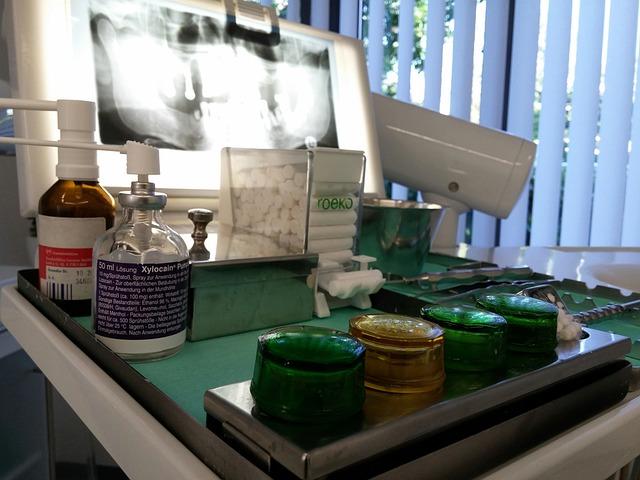
Can You Get a Wisdom Tooth Pulled Without Anesthesia? Insider Insights
Picture this: You’re sitting in the dentist’s chair, preparing to have your wisdom tooth extracted. But wait – can you actually have it pulled without anesthesia? In this article, we delve into the insider insights on whether it’s possible to endure this common dental procedure without the numbing effects of anesthesia. Get ready to uncover the truth behind this age-old question and decide for yourself if you’re brave enough to go anesthesia-free for your next dental appointment.
Contents
- – The Importance of Anesthesia in Wisdom Tooth Extraction
- – Potential Risks and Complications of Having a Wisdom Tooth Pulled Without Anesthesia
- – Insider Tips for Discussing Anesthesia Options with Your Dental Professional
- – Common Anesthesia Options for Wisdom Tooth Extraction
- – Personal Experiences of Getting a Wisdom Tooth Pulled Without Anesthesia
- – Why Anesthesia is Typically Recommended for Wisdom Tooth Extraction
- – Steps to Take if You Have Concerns About Receiving Anesthesia for Your Procedure
- – Factors to Consider When Deciding Whether or Not to Use Anesthesia for Wisdom Tooth Removal
- – Expert Advice on the Benefits of Anesthesia During Wisdom Tooth Extraction
- Wrapping Up
– The Importance of Anesthesia in Wisdom Tooth Extraction
When it comes to wisdom tooth extraction, anesthesia plays a crucial role in ensuring a smooth and pain-free experience for the patient. Without anesthesia, the procedure can be extremely uncomfortable and even unbearable for most individuals. Anesthesia helps to numb the area around the tooth being extracted, reducing pain and discomfort during the process.
There are different types of anesthesia that can be used during wisdom tooth extraction:
- Local anesthesia: This type of anesthesia is injected directly into the gum near the tooth being extracted, numbing the area.
- Sedation anesthesia: This type of anesthesia is administered through an IV, inducing a state of relaxation and drowsiness.
- General anesthesia: This type of anesthesia involves being completely unconscious during the procedure, typically reserved for more complex cases.
While some individuals may wonder if it’s possible to get a wisdom tooth pulled without anesthesia, it’s important to emphasize that the use of anesthesia is essential for a comfortable and successful extraction process. The expertise of the dental professionals and the use of appropriate anesthesia ensure that patients can undergo wisdom tooth extraction with minimal pain and anxiety.

– Potential Risks and Complications of Having a Wisdom Tooth Pulled Without Anesthesia
Having a wisdom tooth pulled without anesthesia can be a daunting prospect for many individuals. While some may opt for this route due to personal preferences or fear of needles, it’s essential to understand the potential risks and complications involved in such a procedure.
One of the main risks of having a wisdom tooth pulled without anesthesia is the possibility of experiencing intense pain during the extraction process. Wisdom teeth are known for their deep root structures, which can make the extraction process more challenging and painful without the numbing effects of anesthesia.
Additionally, without the use of anesthesia, there is a higher likelihood of experiencing heightened anxiety and discomfort during the procedure. This can lead to complications such as increased blood pressure, heart rate, and overall stress on the body.
Overall, while it is possible to have a wisdom tooth pulled without anesthesia, it is crucial to weigh the potential risks and complications against the perceived benefits. It is always recommended to consult with a dental professional to determine the best course of action for your specific situation.
– Insider Tips for Discussing Anesthesia Options with Your Dental Professional
When it comes to discussing anesthesia options with your dental professional, it’s important to have all the facts before making a decision. One common question that many patients have is whether they can get a wisdom tooth pulled without anesthesia. While it may technically be possible, it is not recommended due to the potential pain and discomfort associated with the procedure.
Here are some insider tips for discussing anesthesia options with your dental professional:
- Ask About Your Options: Make sure to ask your dentist about the different types of anesthesia available for your procedure. They may recommend local anesthesia, IV sedation, or general anesthesia depending on the complexity of the extraction.
- Discuss Your Comfort Level: Be honest with your dentist about any fears or concerns you may have regarding anesthesia. They can work with you to choose the best option that will ensure a comfortable and pain-free experience.
- Follow Pre-Operative Instructions: Your dentist may provide you with specific instructions to follow before your extraction, such as fasting or avoiding certain medications. By following these guidelines, you can help ensure a smooth and successful procedure.

– Common Anesthesia Options for Wisdom Tooth Extraction
When it comes to having your wisdom teeth extracted, anesthesia is a common choice for ensuring a pain-free experience. There are several options available depending on your preference and the complexity of the procedure. Here are some of the most commonly used anesthesia options:
- Local Anesthesia: This involves numbing the specific area where the tooth will be removed. It is typically used for simpler extractions and allows you to remain awake during the procedure.
- Sedation: This option involves taking medication to help you relax or even fall asleep during the procedure. It can be administered through an IV or in pill form.
- General Anesthesia: This is the deepest form of anesthesia and involves being fully unconscious during the extraction. It is usually reserved for more complex cases or patients with severe dental anxiety.
While it is technically possible to have a wisdom tooth pulled without anesthesia, it is not recommended due to the pain and discomfort involved. Anesthesia helps to ensure a smoother and more comfortable experience for the patient and allows the dentist to work more efficiently.

– Personal Experiences of Getting a Wisdom Tooth Pulled Without Anesthesia
As someone who recently had a wisdom tooth pulled without anesthesia, I can tell you that it is definitely possible. While it may sound terrifying to some, it wasn’t as bad as I had initially thought. Here are some insider insights into my personal experience:
- Preparation: Before the procedure, my dentist explained the process to me and made sure I was comfortable with going ahead without anesthesia.
- During the procedure: I felt pressure and some discomfort, but surprisingly no sharp pain. My dentist was quick and efficient, which helped minimize any discomfort.
- After the procedure: I experienced some swelling and discomfort for a few days, but with proper care and pain management techniques, I was able to recover quickly.
If you are considering getting a wisdom tooth pulled without anesthesia, it’s important to discuss your options with your dentist and ensure that you are comfortable with the decision. While it may not be for everyone, my experience showed me that it is possible to undergo the procedure without anesthesia and come out on the other side just fine.

– Why Anesthesia is Typically Recommended for Wisdom Tooth Extraction
Wisdom tooth extraction is a common dental procedure that often requires anesthesia for a more comfortable and pain-free experience. While some individuals may wonder if they can get their wisdom tooth pulled without anesthesia, it is typically not recommended due to the complexities of the procedure.
Here are a few reasons why anesthesia is typically recommended for wisdom tooth extraction:
- Pain Management: Anesthesia helps manage pain during the procedure, ensuring a more comfortable experience for the patient.
- Sedation: Sedation provided through anesthesia helps relax the patient, making the procedure easier for both the patient and the dentist.
- Complexity: Wisdom tooth extraction can be a complex procedure that requires precision and control, which is easier to achieve with the help of anesthesia.
While some individuals may prefer to avoid anesthesia, it is essential to consult with your dentist to determine the best course of action for your specific situation. Ultimately, the goal of anesthesia during wisdom tooth extraction is to ensure a smooth and pain-free experience for the patient.

– Steps to Take if You Have Concerns About Receiving Anesthesia for Your Procedure
Before deciding on whether to proceed with anesthesia for your wisdom tooth extraction, it’s crucial to understand your options and address any concerns you may have. Anesthesia can help numb the pain and alleviate anxiety during the procedure, but some people may feel uneasy about the side effects or potential risks.
Here are some steps to consider if you have concerns about receiving anesthesia for your wisdom tooth extraction:
- Discuss your fears and concerns with your dentist or oral surgeon. They can provide you with more information about the anesthesia options available and address any questions you may have.
- Ask about alternative options, such as local anesthesia or sedation techniques that may be suitable for your case.
- Consider seeking a second opinion from another dental professional to get reassurance and a different perspective.
Ultimately, the decision about whether to proceed with anesthesia for your wisdom tooth extraction is a personal one. It’s essential to weigh the pros and cons, gather all the information you need, and make an informed choice that feels right for you.

– Factors to Consider When Deciding Whether or Not to Use Anesthesia for Wisdom Tooth Removal
When it comes to getting a wisdom tooth pulled, one of the main considerations is whether or not to use anesthesia. While anesthesia can help numb the pain during the procedure, there are several factors to take into account before making a decision.
- Complexity of the Extraction: If the wisdom tooth is impacted or located close to nerves, anesthesia may be necessary to ensure a smooth and pain-free extraction.
- Patient’s Tolerance to Pain: Some individuals have a higher pain tolerance and may opt to forgo anesthesia for a quicker recovery time.
- Dentist’s Recommendation: It’s important to consult with your dentist to determine the best course of action based on the specific circumstances of your wisdom tooth removal.
Ultimately, the decision to use anesthesia for wisdom tooth removal is a personal one that should be made in consultation with your dentist. By weighing these factors, you can ensure a comfortable and successful extraction process.

– Expert Advice on the Benefits of Anesthesia During Wisdom Tooth Extraction
When it comes to getting a wisdom tooth pulled, many people wonder if it can be done without anesthesia. While it may seem daunting to undergo a procedure with anesthesia, experts agree that the benefits outweigh the risks. Here are some key insights on why anesthesia is crucial during wisdom tooth extraction:
- Pain Management: Anesthesia helps numb the pain during the procedure, ensuring that patients are comfortable and pain-free throughout the extraction process.
- Reduced Anxiety: Anesthesia can help calm nerves and reduce anxiety levels, making the experience less stressful for patients.
- Smooth Procedure: With anesthesia, dentists can perform the extraction efficiently and effectively, ensuring a smooth and successful procedure.
- Prevent Complications: Anesthesia helps prevent complications and ensures that the patient remains still and cooperative during the extraction.
| Benefits of Anesthesia |
|---|
| Pain Management |
| Reduced Anxiety |
| Smooth Procedure |
| Prevent Complications |
Overall, anesthesia plays a crucial role in ensuring a successful and comfortable wisdom tooth extraction. While the idea of anesthesia may seem daunting, it is essential for a smooth and pain-free procedure. Trusting your dentist and following their recommendations will help ensure a successful extraction process.
Wrapping Up
In conclusion, while it is technically possible to have a wisdom tooth pulled without anesthesia, the procedure can be extremely uncomfortable and even potentially dangerous. It is highly recommended to opt for anesthesia during this dental procedure to ensure a comfortable and safe experience. Remember, always consult with your dentist or oral surgeon to discuss the best options for your specific needs. Your comfort and well-being should be the top priority during any dental procedure. Thank you for reading and stay informed for a healthy smile!