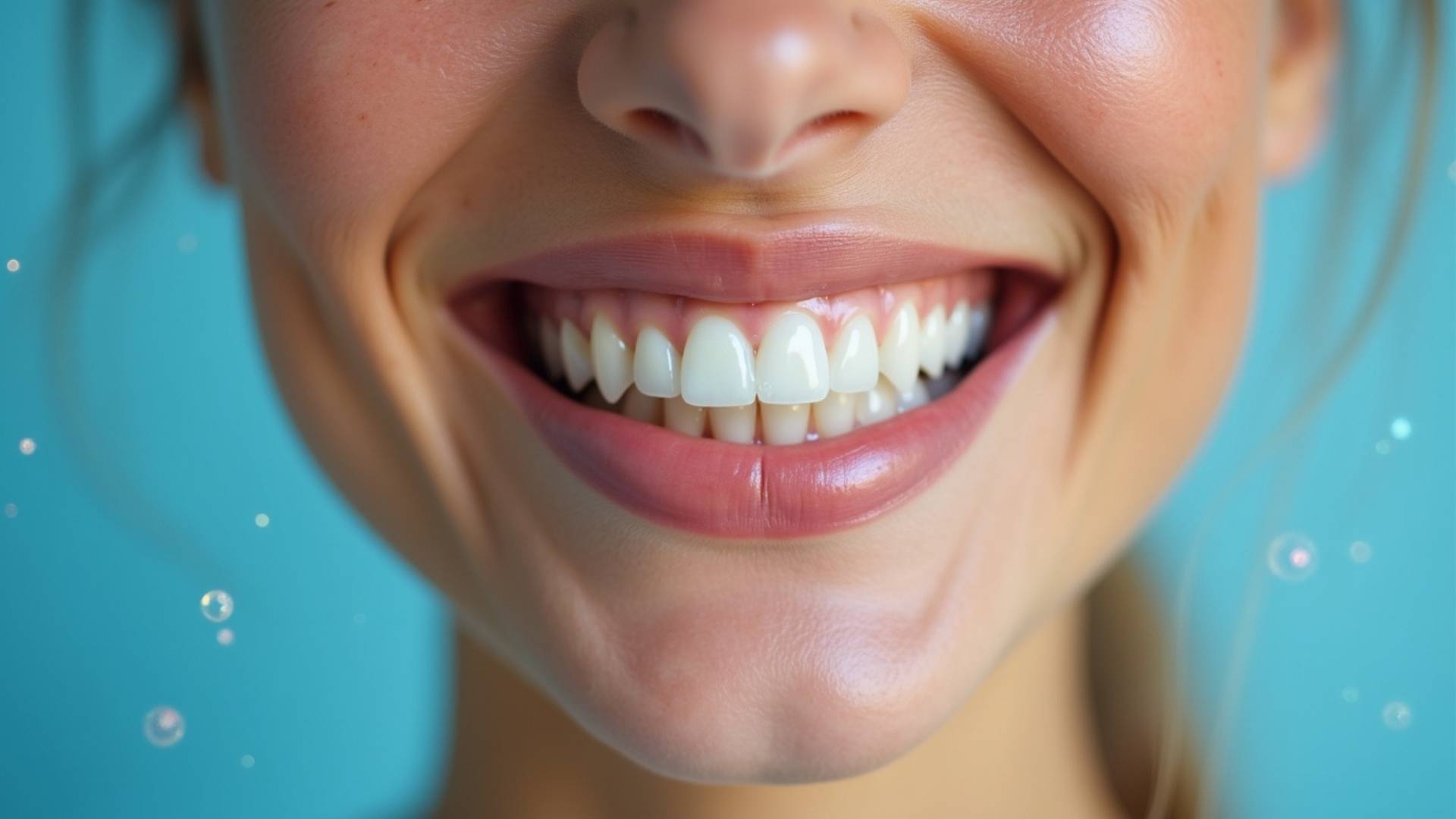
Can Oil Pulling Remove Tartar from Teeth? Dental Health Benefits
Have you heard about oil pulling as a natural way to improve your dental health? In this article, we will explore the question: can oil pulling remove tartar from teeth? Discover the potential benefits of this ancient practice and how it may contribute to a healthier smile. Let’s dive into the world of dental health and uncover the truth behind oil pulling.
Contents
- Oil Pulling as a Natural Dental Health Practice
- The Science Behind Tartar Build-up on Teeth
- Benefits of Oil Pulling for Oral Health
- How Oil Pulling Can Help Remove Tartar
- Key Factors to Consider When Oil Pulling for Tartar Removal
- Tips for Incorporating Oil Pulling into Your Oral Care Routine
- Potential Drawbacks and Limitations of Oil Pulling for Tartar Removal
- Professional Recommendations for Combating Tartar Build-up
- Maintaining Overall Dental Health Through Oil Pulling
- Final Thoughts on Oil Pulling and Tartar Removal
- In Conclusion
Oil Pulling as a Natural Dental Health Practice
Oil pulling is an ancient practice that has been gaining popularity in recent years for its potential dental health benefits. Many people swear by the technique as a natural way to improve oral hygiene and remove stubborn tartar from their teeth. But can oil pulling actually remove tartar from teeth?
While oil pulling may help to reduce plaque buildup and improve overall gum health, it is generally not effective at removing tartar. Tartar, also known as calculus, is a hardened form of plaque that can only be removed through professional dental cleanings. However, oil pulling can still play a role in maintaining good oral hygiene and preventing tartar buildup when combined with regular brushing and flossing.
Some of the reported dental health benefits of oil pulling include:
- Reducing bacteria in the mouth
- Improving bad breath
- Decreasing inflammation in the gums
- Potentially whitening teeth
Overall, while oil pulling may not directly remove tartar from teeth, it can still be a beneficial addition to your dental care routine. It is always recommended to consult with your dentist before trying any new oral health practices.

The Science Behind Tartar Build-up on Teeth
Oil pulling is an ancient practice that involves swishing oil around in your mouth to remove bacteria, improve oral health, and whiten teeth. Many proponents of oil pulling claim that it can also help remove tartar from teeth, but is there any truth to this belief?
While oil pulling can help reduce plaque and bacteria in the mouth, it may not be effective at removing hardened tartar buildup. Tartar, also known as dental calculus, is a hard mineral deposit that forms on teeth when plaque is not properly removed. Once tartar has formed, it typically requires professional cleaning by a dentist or dental hygienist to be removed.
However, oil pulling can still be a beneficial addition to your oral hygiene routine. Some potential benefits of oil pulling include:
- Reducing harmful bacteria in the mouth
- Decreasing bad breath
- Improving overall oral health
| Oil Pulling Benefits | Effectiveness |
|---|---|
| Reduces bacteria | Effective |
| Decreases bad breath | Somewhat effective |
| Improves oral health | May be effective |
Benefits of Oil Pulling for Oral Health
Oil pulling can indeed help remove tartar from teeth and provide numerous benefits for oral health. This ancient Ayurvedic practice involves swishing oil around in your mouth for up to 20 minutes, which helps to remove bacteria, plaque, and debris that can contribute to tartar buildup.
One of the main advantages of oil pulling is its ability to reduce harmful bacteria in the mouth, which can lead to improved oral hygiene and fresher breath. Additionally, oil pulling can help reduce inflammation in the gums and promote overall gum health.
Regular oil pulling can also help to prevent cavities and gum disease by removing bacteria and toxins from the mouth. By incorporating this practice into your oral hygiene routine, you can promote healthier teeth and gums in a natural and effective way.
In conclusion, oil pulling can be a beneficial addition to your dental care routine, offering a natural way to remove tartar, improve oral health, and maintain a healthier mouth overall. Give it a try and experience the positive effects for yourself!
How Oil Pulling Can Help Remove Tartar
Oil pulling is an ancient oral health practice that involves swishing oil around in your mouth to remove bacteria, debris, and toxins. While it is not a replacement for regular brushing and flossing, oil pulling can be a beneficial addition to your oral hygiene routine. One of the many potential benefits of oil pulling is its ability to help remove tartar from teeth.
When you swish oil around in your mouth, it can help to loosen and break down the build-up of tartar on your teeth. Tartar, also known as dental calculus, is hardened plaque that can only be removed by a dental professional. By incorporating oil pulling into your routine, you may be able to reduce the amount of tartar on your teeth and prevent it from building up over time.
Oil pulling works by attracting and binding to the bacteria and other debris in your mouth, making it easier to remove when you spit out the oil. This can help to prevent tartar from forming and may even help to remove some existing tartar from your teeth. While oil pulling is not a substitute for professional dental cleanings, it can be a helpful tool in maintaining good oral health.

Key Factors to Consider When Oil Pulling for Tartar Removal
Oil pulling is a traditional oral hygiene practice that has gained popularity in recent years for its purported dental health benefits, including tartar removal. While oil pulling can contribute to reducing tartar buildup, it is essential to understand the key factors that can enhance its effectiveness.
- Type of Oil: The type of oil used for oil pulling can impact its effectiveness in removing tartar. Coconut oil is a popular choice due to its antimicrobial properties, but other oils such as sesame and olive oil can also be effective.
- Duration and Frequency: Consistency is key when it comes to oil pulling for tartar removal. To see results, it is recommended to oil pull for 15-20 minutes daily on an empty stomach.
- Technique: Proper technique is crucial for maximizing the benefits of oil pulling. Swish the oil around in your mouth, pulling it through your teeth and gums, but do not swallow it.
| Type of Oil | Effectiveness |
|---|---|
| Coconut Oil | Antimicrobial properties |
| Sesame Oil | Effective against plaque buildup |
| Olive Oil | Antioxidant benefits |
Tips for Incorporating Oil Pulling into Your Oral Care Routine
Oil pulling is a traditional Ayurvedic practice that involves swishing oil around in your mouth to improve oral hygiene. Many people wonder if oil pulling can actually remove tartar from teeth and provide dental health benefits. While oil pulling may not directly remove tartar, it can still play a role in maintaining good oral health by reducing bacteria and improving gum health.
Here are some :
- Choose the right oil: Coconut oil, sesame oil, and sunflower oil are commonly used for oil pulling. Make sure to use a high-quality, organic oil for the best results.
- Swish for the right amount of time: Aim to swish the oil around in your mouth for about 15-20 minutes. This allows enough time for the oil to break down bacteria and toxins.
- Spit, don’t swallow: After swishing, make sure to spit out the oil. Do not swallow it, as it will contain bacteria and toxins that you want to remove from your mouth.
- Brush and floss afterward: While oil pulling can be beneficial, it should not replace regular brushing and flossing. Make sure to continue your oral hygiene routine for optimal dental health.
Overall, incorporating oil pulling into your oral care routine can be a great addition to your overall dental health regimen. While it may not directly remove tartar, it can still help improve gum health and reduce bacteria in the mouth. Give it a try and see how it can benefit your oral health journey.
Potential Drawbacks and Limitations of Oil Pulling for Tartar Removal
include:
- Effectiveness: While some individuals claim that oil pulling helps remove tartar, there is limited scientific evidence to support this claim. It may not be as effective as traditional dental cleanings.
- Time-consuming: Oil pulling typically requires swishing oil in the mouth for 15-20 minutes, which can be inconvenient for those with busy schedules.
- Consistency: To see any potential benefits, oil pulling must be done consistently and correctly, which can be challenging for some individuals.
- Not a substitute: Oil pulling should not replace regular dental cleanings and oral hygiene practices recommended by dentists.
Overall, while oil pulling may have some potential benefits for oral health, it is important to consider its drawbacks and limitations before relying on it as a sole method for tartar removal. For optimal dental health, it is best to combine oil pulling with regular dental visits and proper oral hygiene practices.
Professional Recommendations for Combating Tartar Build-up
Oil pulling is a technique that involves swishing oil around in your mouth to remove bacteria, which can help prevent tartar build-up. While oil pulling can contribute to better oral health by reducing harmful bacteria in the mouth, it is not a guaranteed solution for removing existing tartar from teeth. To effectively combat tartar build-up, it is important to follow professional recommendations:
- Regular brushing and flossing: Brushing at least twice a day and flossing daily can help remove plaque, which can eventually harden into tartar.
- Regular dental cleanings: Professional dental cleanings every six months can help remove tartar that has already formed on your teeth.
- Healthy diet: A balanced diet low in sugar and high in nutrients can help prevent tartar build-up.
While oil pulling may have some benefits for oral health, it is important to follow a comprehensive oral hygiene routine, including regular dental check-ups and professional cleanings, to effectively combat tartar build-up.

Maintaining Overall Dental Health Through Oil Pulling
Many people have turned to oil pulling as a natural way to maintain their overall dental health. This ancient practice involves swishing oil around in your mouth to remove toxins and bacteria, ultimately promoting healthier teeth and gums. But can oil pulling remove tartar from teeth?
While oil pulling may help reduce the buildup of plaque on your teeth, it is not a substitute for professional dental cleanings to remove tartar. However, incorporating oil pulling into your oral hygiene routine can still provide several benefits for your dental health:
- Reduces bacteria in the mouth
- Helps prevent bad breath
- Promotes healthier gums
- May help whiten teeth
Overall, oil pulling can be a valuable addition to your oral care regimen, but it should not replace regular visits to the dentist for professional cleanings and examinations. By combining oil pulling with good oral hygiene practices, you can work towards maintaining a healthy smile.
Final Thoughts on Oil Pulling and Tartar Removal
After researching the topic of oil pulling and tartar removal, it is evident that there are some potential dental health benefits to incorporating this ancient practice into your daily routine. While oil pulling may not completely remove tartar from teeth, it can help to reduce the build-up of plaque, which is a major contributor to tartar formation.
Some key takeaways from the discussion include:
- Oil pulling can help to promote healthier gums and teeth by reducing bacteria in the mouth.
- Regular oil pulling may lead to fresher breath and a cleaner feeling mouth.
- It is important to continue with regular dental cleanings and check-ups, as oil pulling should not replace professional dental care.
In conclusion, while oil pulling may have some benefits for dental health, including potentially reducing tartar formation, it is not a replacement for regular dental care. It can be a useful addition to your oral hygiene routine, but should be done in conjunction with brushing, flossing, and regular visits to the dentist for optimal oral health.
In Conclusion
In conclusion, oil pulling can be a beneficial addition to your oral care routine, helping to remove tartar from teeth and improve overall dental health. Incorporating this ancient practice into your daily regimen may lead to fresher breath, healthier gums, and a brighter smile. While oil pulling is not a substitute for regular brushing and flossing, it can certainly complement your existing dental hygiene efforts. So why not give it a try and see the results for yourself? Remember, a healthy smile starts with good oral care habits, so take care of your teeth and they will take care of you. Happy oil pulling!