Can I Eat Corn After Wisdom Teeth Removal? Dietary Tips Inside!
If you’ve recently had your wisdom teeth removed, you may be wondering if you can indulge in some sweet corn on the cob. Fear not, because we’ve got the answers you need! In this article, we’ll explore whether or not it’s safe to eat corn after wisdom teeth removal, and provide you with some helpful dietary tips to make your recovery a smooth and delicious process. So sit back, relax, and get ready to satisfy your cravings without compromising your healing. Let’s dig in!
Contents
- Can Corn Be Consumed After Wisdom Teeth Removal?
- Recommended Dietary Tips for Post-Extraction Recovery
- Understanding the Benefits of Eating Corn After Wisdom Teeth Removal
- Potential Risks of Eating Corn After Wisdom Teeth Extraction
- Balancing Nutrition and Comfort Following Wisdom Teeth Surgery
- Soft vs. Hard Foods: Why Corn May Not Be the Best Choice
- Alternative Options to Corn for a Speedy Recovery
- Consulting with Your Dentist Before Adding Corn to Your Post-Op Diet
- How to Prepare Corn for Consumption After Wisdom Teeth Removal
- Gradually Introducing Corn Back into Your Diet Post-Wisdom Teeth Extraction
- To Wrap It Up
Can Corn Be Consumed After Wisdom Teeth Removal?
After having your wisdom teeth removed, it’s crucial to follow a soft diet to avoid any complications or discomfort. While corn is a nutritious food, it may not be the best choice immediately after the procedure. The hard and chewy texture of corn kernels could irritate the extraction sites and potentially lead to infection or difficulties in the healing process.
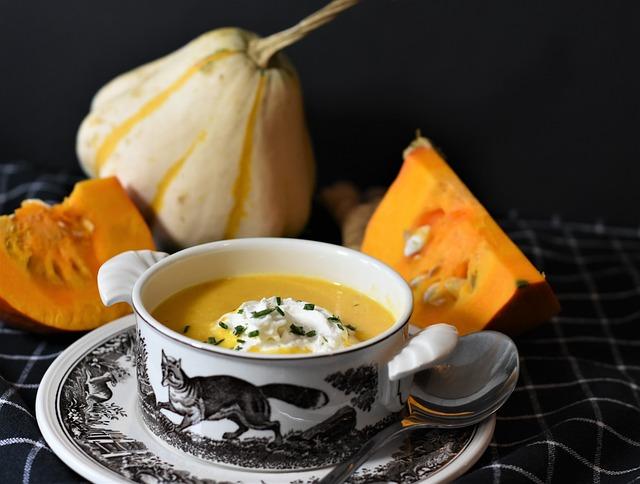
Instead of whole corn kernels, consider enjoying creamed corn or corn soup. These softer alternatives will be gentler on your mouth and less likely to cause any issues. Additionally, incorporating other soft foods like mashed potatoes, yogurt, and scrambled eggs can help ensure a smooth and comfortable recovery.
Remember to also stay hydrated and maintain good oral hygiene during this time. Swishing with salt water or using a prescribed mouthwash can help keep the extraction sites clean and promote healing. Most importantly, listen to your body and consult with your dentist or oral surgeon if you have any concerns or questions about your post-operative diet.
Below is a table of soft food options to consider after wisdom teeth removal:
| Soft Food Options |
|---|
| Mashed potatoes |
| Yogurt |
| Smoothies |
| Soup |
| Applesauce |
| Oatmeal |
| Jello |
By following these tips and being mindful of the foods you consume, you can help ensure a speedy recovery and minimize any discomfort post-wisdom teeth removal.
Recommended Dietary Tips for Post-Extraction Recovery
When it comes to post-extraction recovery, it’s essential to follow recommended dietary tips to ensure proper healing and minimize discomfort. One common question that often arises is whether you can eat corn after wisdom teeth removal. While corn can be a challenging food to consume due to its small, hard kernels, there are ways to enjoy this delicious vegetable without causing any harm to your healing gums.
Here are some :
- Avoid hard and crunchy foods that can potentially irritate the extraction site.
- Stick to soft foods that are easy to chew and swallow, such as mashed potatoes, yogurt, and soup.
- Stay hydrated by drinking plenty of water and avoiding sugary or acidic beverages.
- Consider incorporating foods rich in vitamins and minerals, such as leafy greens, lean protein, and fruits.
While it may be best to avoid corn immediately after wisdom teeth removal, you can slowly reintroduce it into your diet once you feel comfortable. Be sure to chew carefully and avoid any kernels that may cause discomfort. Remember to listen to your body and prioritize your recovery during this important healing period.

Understanding the Benefits of Eating Corn After Wisdom Teeth Removal
After getting your wisdom teeth removed, it’s important to follow a soft food diet to allow your gums to heal properly. One question that often comes up is whether or not you can eat corn after the procedure. The good news is that corn can be a great option for those recovering from wisdom teeth removal.
Here are some benefits of eating corn after having your wisdom teeth removed:
- Corn is soft and easy to chew, making it gentle on your healing gums.
- Corn is a nutrient-rich vegetable, providing vitamins, minerals, and fiber to support your overall health.
- Corn can be prepared in different ways, such as being steamed, boiled, or grilled, allowing for versatility in your diet.
| Nutrient | Amount |
|---|---|
| Vitamin C | 9% of recommended daily intake |
| Fiber | 4 grams per cup |
While corn can be a beneficial addition to your post-wisdom teeth removal diet, it’s essential to listen to your body and avoid any foods that cause discomfort or pain. If you’re unsure about incorporating corn into your diet, it’s best to consult with your oral surgeon or dentist for personalized recommendations.

Potential Risks of Eating Corn After Wisdom Teeth Extraction
While corn may be a delicious and versatile vegetable, it may not be the best choice to eat after wisdom teeth removal. There are several potential risks associated with consuming corn during the healing process, which could lead to complications or discomfort. Here are some things to consider before indulging in corn post-surgery:
- Possible Corn Husk Residue: Corn on the cob can leave behind small pieces of husk that may get lodged in the extraction sites, leading to irritation or infection.
- Chewing Challenges: Chewing corn kernels can require a significant amount of effort, which may strain the jaw and interfere with the healing process of the surgical sites.
- Risk of Dry Socket: Corn’s small, hard kernels could potentially dislodge the blood clot that forms over the extraction site, increasing the risk of developing a painful condition known as dry socket.
It is essential to prioritize your oral health and follow your dentist’s post-operative instructions carefully to avoid any complications. Consider opting for softer, easier-to-chew foods during the initial stages of recovery to prevent any risks or discomfort associated with eating corn. Remember, your well-being is the top priority!

Balancing Nutrition and Comfort Following Wisdom Teeth Surgery
After undergoing wisdom teeth surgery, it’s crucial to balance your nutrition while also seeking comfort in your diet. One common question that may arise is, “Can I eat corn after wisdom teeth removal?” The answer may vary depending on your individual healing process, but here are some general dietary tips to keep in mind.
– **Soft and Easy-to-Chew Foods**: Stick to softer foods that are easy to chew to avoid putting unnecessary strain on your healing gums. Opt for foods like mashed potatoes, smoothies, yogurt, and scrambled eggs.
- **Avoid Crunchy and Hard Foods**: Steer clear of foods that are crunchy or require a lot of chewing, as these can irritate your surgical sites. This includes foods like popcorn, nuts, and tough meats.
- **Stay Hydrated**: Drink plenty of water to stay hydrated and aid in the healing process. Avoid drinking through a straw, as this can dislodge blood clots and prolong the healing time.
– **Nutrient-Rich Options**: Choose nutrient-rich foods like fruits, vegetables, and lean proteins to support your overall health and recovery. Consider incorporating soft fruits like bananas and berries into your diet.
Incorporating these dietary tips can help you navigate the post-wisdom teeth removal period with ease and promote a speedy recovery. Remember to follow your dentist or oral surgeon’s specific instructions and listen to your body’s cues as you gradually reintroduce a normal diet.
Soft vs. Hard Foods: Why Corn May Not Be the Best Choice
After getting your wisdom teeth removed, one of the first questions that often comes to mind is what you can and cannot eat. While a soft diet is usually recommended during the recovery period, some foods may not be the best choice, and corn is one of them.
Corn is a hard and crunchy food that can be difficult to chew, especially after oral surgery. The act of biting into a corn kernel or popcorn can put pressure on the surgical site, potentially causing pain, discomfort, or even dislodging the blood clot that forms to protect the healing area. This can lead to complications such as dry socket, a painful condition that occurs when the blood clot is dislodged prematurely.
It is important to follow your dentist or oral surgeon’s post-operative guidelines to ensure a smooth recovery. Opting for softer foods like mashed potatoes, soup, yogurt, and smoothies can help prevent any unnecessary pain or complications. If you are craving corn, consider alternatives like creamed corn or corn soup, which are softer and easier to consume. Remember, it’s always better to be safe than sorry when it comes to your oral health!

Alternative Options to Corn for a Speedy Recovery
After getting your wisdom teeth removed, it’s important to follow a soft food diet to prevent any irritation or complications during the healing process. While corn is a popular choice for many meals, it may not be the best option post-surgery. Here are some alternative options to consider for a speedy recovery:
- Mashed Potatoes: Creamy and easy to eat, mashed potatoes are a great substitute for corn. They are soft and gentle on your mouth, making them a perfect choice for the first few days after surgery.
- Yogurt: Packed with probiotics to aid digestion and promote healing, yogurt is a nutritious option for a post-wisdom teeth removal diet. Opt for plain or flavored yogurt without any chunks or granola.
- Smoothies: Blend together your favorite fruits with yogurt or milk for a delicious and nutrient-rich meal. Smoothies are easy to drink and provide essential vitamins and minerals to support your recovery.
By choosing soft and easy-to-eat foods like mashed potatoes, yogurt, and smoothies, you can ensure a smooth recovery after your wisdom teeth removal. Remember to avoid hard or crunchy foods, including corn, until your mouth has fully healed to prevent any discomfort or complications.

Consulting with Your Dentist Before Adding Corn to Your Post-Op Diet
Before adding corn to your post-op diet following wisdom teeth removal, it is crucial to consult with your dentist to ensure it is safe for you. While corn is a delicious and versatile vegetable, it may present challenges for those who have recently undergone oral surgery.
Your dentist will be able to provide personalized recommendations based on your specific recovery progress and any potential complications that may arise from consuming corn. They can assess your healing process, address any concerns, and offer guidance on when it may be suitable to introduce corn back into your diet.
During your consultation, be sure to discuss any pain, swelling, or discomfort you are experiencing, as these factors can impact your ability to chew properly. Your dentist may recommend waiting until you are further along in your recovery before incorporating corn, to avoid any potential irritation or disruption to the healing process.
Remember that your oral health is a top priority, and your dentist is there to support you in making informed decisions about your diet during this crucial healing period. By working together, you can ensure that you are taking the necessary steps to promote a smooth and successful recovery after wisdom teeth removal.

How to Prepare Corn for Consumption After Wisdom Teeth Removal
To safely enjoy corn after wisdom teeth removal, it’s important to prepare it in a way that won’t irritate your sensitive mouth. One option is to opt for canned or creamed corn, which is softer and easier to chew than whole kernels. Another alternative is to cut the corn off the cob before consuming it.
Additionally, you can try cooking the corn until it’s very soft, almost to a mushy consistency. This will make it easier to chew and swallow without causing any discomfort. Adding a little bit of butter or cream can also help to soften the texture and make it more palatable.
Remember to take small bites and chew slowly to prevent any potential pain or discomfort. If you experience any issues while eating corn or any other foods, it’s best to consult with your dentist or oral surgeon for further guidance. Just keep these tips in mind and you’ll be able to enjoy corn without any complications post-wisdom teeth removal.
Gradually Introducing Corn Back into Your Diet Post-Wisdom Teeth Extraction
After having your wisdom teeth removed, it’s important to gradually reintroduce solid foods back into your diet to ensure a smooth recovery process. One common question that many people have is whether they can eat corn after wisdom teeth extraction. The answer is yes, but it’s essential to take some precautions to ensure your healing process isn’t compromised.
**Tips for Gradually Introducing Corn Back into Your Diet:**
- Start with soft and easily chewable corn dishes such as creamy corn soup or mashed corn.
– Avoid eating whole corn kernels or popcorn, as they can get stuck in the extraction sites and cause irritation.
– Chew slowly and carefully when eating corn to prevent any discomfort or damage to the healing areas.
- If you experience any pain or discomfort while eating corn, stop immediately and stick to softer foods until you feel ready to try again.
**Sample Corn Introduction Schedule:**
| Day | Corn-Based Meal |
| — | —————–|
| 1 | Creamy Corn Soup |
| 3 | Mashed Corn |
| 5 | Corn Casserole |
| 7 | Grilled Corn on the Cob |
By following these tips and gradually reintroducing corn back into your diet, you can enjoy this tasty vegetable without compromising your wisdom teeth extraction recovery. Remember to listen to your body and take it slow to ensure a comfortable and successful healing process.
To Wrap It Up
In conclusion, while it may be tempting to indulge in some crunchy corn after wisdom teeth removal, it’s best to err on the side of caution. Opt for softer foods that won’t irritate the surgical sites and maintain proper oral hygiene to ensure a smooth recovery process. Remember to consult your dentist or oral surgeon for personalized dietary advice. Your comfort and health should always come first. Stay informed, stay safe, and happy healing!