Can a Tooth Be Removed When Infected? Dental Extraction Explained
Have you ever wondered what happens when a tooth becomes infected and needs to be removed? In this article, we will delve into the world of dental extractions and explore whether a tooth can indeed be removed when infected. Join us as we uncover the ins and outs of this common dental procedure and learn what to expect if you find yourself in need of a tooth extraction.
Contents
- Can an Infected Tooth Be Removed Safely?
- Understanding the Risks of Dental Extraction for Infected Teeth
- When Is Dental Extraction Necessary for an Infected Tooth?
- Exploring the Process of Removing an Infected Tooth
- Understanding the Dental Extraction Process
- Potential Complications of Extracting an Infected Tooth
- Minimizing Pain and Discomfort During Tooth Extraction
- Recovery Process After Removing an Infected Tooth
- Possible Alternatives to Tooth Extraction for Infected Teeth
- Consulting with a Dentist for Infected Tooth Extraction Options
- Best Practices for Preventing Tooth Infections and Extraction
- To Wrap It Up
Can an Infected Tooth Be Removed Safely?
Overview
When faced with a tooth infection, one of the most common questions patients have is whether the infected tooth can be safely removed. Dental extraction is a routine procedure that is typically safe, even when the tooth is infected. However, there are some important considerations to keep in mind when removing an infected tooth to ensure the safety and success of the procedure.
Risks and Complications
While dental extractions are generally safe, there are some risks and potential complications associated with removing an infected tooth. These may include:
- Spread of infection
- Excessive bleeding
- Damage to surrounding teeth or tissues
- Delayed healing
Preparation and Aftercare
Prior to the extraction, your dentist will likely prescribe antibiotics to help reduce the risk of infection. They may also recommend taking over-the-counter pain medication to manage any discomfort following the procedure. After the tooth is removed, it is important to follow your dentist’s instructions for proper aftercare to prevent complications and promote healing.

Understanding the Risks of Dental Extraction for Infected Teeth
When it comes to dealing with an infected tooth, the risks of dental extraction must be carefully considered. While removing a tooth may seem like a simple solution to the problem, there are certain factors that need to be taken into account before making that decision.
One of the main risks of dental extraction for infected teeth is the potential for the infection to spread to other parts of the mouth or even the body. This can lead to complications such as abscesses, sepsis, and even damage to surrounding teeth or tissues.
Additionally, the process of extracting an infected tooth can be more complex and may require additional procedures such as bone grafts or dental implants to restore function and appearance. This can increase the overall cost and recovery time associated with the extraction.
Ultimately, it is important to consult with a qualified dentist or oral surgeon to weigh the risks and benefits of dental extraction for an infected tooth. They can provide valuable insights and recommendations based on your individual situation to ensure the best possible outcome.

When Is Dental Extraction Necessary for an Infected Tooth?
In cases where a tooth is severely infected and traditional treatments such as antibiotics cannot effectively clear the infection, dental extraction may be necessary. While it may seem daunting, extracting an infected tooth can actually help prevent the spread of infection to other teeth and surrounding tissues.
It is important to consult with your dentist to determine if dental extraction is the best course of action for your specific situation. Your dentist will assess the extent of the infection, the overall health of the tooth, and any potential risks associated with the extraction process.
Factors that may indicate the need for dental extraction for an infected tooth include:
- Persistent pain or swelling in the affected tooth
- Difficulty chewing or biting due to the infection
- Recurrent abscesses or infections despite treatment
| Tooth Extraction Benefits | Tooth Extraction Risks |
|---|---|
| Prevents the spread of infection | Potential for temporary discomfort post-extraction |
| Relief from persistent pain and swelling | Possible damage to surrounding tissues |
| Facilitates the healing process | Rare risk of infection or complications |

Exploring the Process of Removing an Infected Tooth
Understanding the Dental Extraction Process
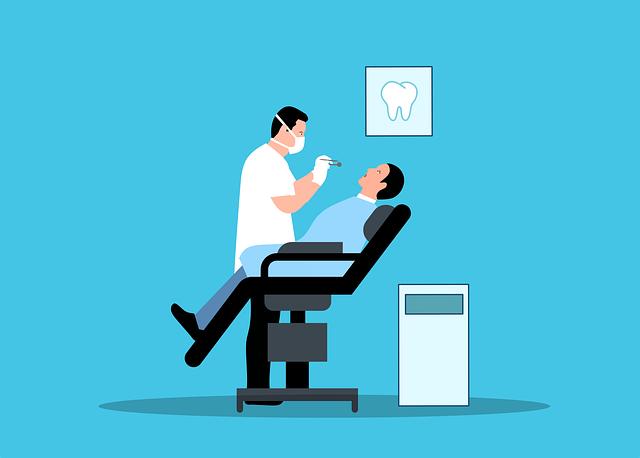
When faced with a severely infected tooth, the idea of extraction can be daunting. However, it is a common procedure that is often necessary to prevent further complications and alleviate pain. Here’s a closer look at the process of removing an infected tooth:
- Assessment: Before the extraction, your dentist will carefully examine the infected tooth and take X-rays to assess the extent of the infection and plan the best approach for removal.
- Anesthesia: Prior to the extraction, local anesthesia will be administered to numb the area, ensuring you won’t feel any pain during the procedure.
- Extraction: Using specialized tools, the dentist will gently loosen the infected tooth from its socket and remove it. In some cases, the tooth may need to be extracted in pieces to minimize trauma.
| Tooth Extraction | Care Tips |
|---|---|
| Rest after the procedure | Avoid strenuous activities to promote healing |
| Take prescribed medication | Follow instructions to manage pain and prevent infection |
After the extraction, your dentist will provide you with post-care instructions on how to manage any discomfort and speed up the healing process. Remember to follow these instructions diligently to ensure a smooth recovery and maintain good oral health.

Potential Complications of Extracting an Infected Tooth
Removing an infected tooth may seem like a simple procedure, but it can come with potential complications that patients should be aware of. One common complication is the risk of spreading the infection to other parts of the mouth or even the bloodstream. This can lead to more serious health issues if not properly treated.
Another complication that may arise from extracting an infected tooth is the possibility of damaging surrounding teeth or tissues. In some cases, the infection may have caused the tooth to weaken or affect the neighboring teeth, making the extraction process more challenging.
Furthermore, there is a risk of experiencing excessive bleeding or developing a dry socket after the extraction. These complications can be uncomfortable and may require additional treatment to manage effectively.
It is essential for patients to communicate openly with their dentist about any concerns or symptoms they may be experiencing before undergoing a tooth extraction procedure. By discussing potential complications and following post-operative care instructions, patients can minimize the risks associated with extracting an infected tooth.

Minimizing Pain and Discomfort During Tooth Extraction
When it comes to tooth extraction, many people wonder whether it can be done when the tooth is infected. The answer is yes, a tooth can be removed even if it is infected. However, there are several things to consider to minimize pain and discomfort during the procedure.
One of the most important steps in minimizing pain during a tooth extraction is to ensure that the area around the tooth is properly numbed. Your dentist will use a local anesthetic to numb the area before beginning the extraction process. This will help ensure that you do not feel any pain during the procedure.
Another key factor in minimizing pain and discomfort during a tooth extraction is to follow your dentist’s post-extraction care instructions. This may include taking pain medication as prescribed, avoiding certain foods, and practicing good oral hygiene to prevent infection.
Overall, while having an infected tooth extracted may sound daunting, it can be done safely and with minimal discomfort when proper precautions are taken. If you have any concerns or questions about the tooth extraction process, be sure to discuss them with your dentist before the procedure.

Recovery Process After Removing an Infected Tooth
When a tooth becomes infected, it can cause significant pain and discomfort. In some cases, the best course of action is to have the infected tooth removed by a dental professional. While the thought of having a tooth extracted may be daunting, the recovery process is typically quite manageable.
**Here are some key points to keep in mind during the :**
– **Follow your dentist’s post-operative care instructions:** Your dentist will provide you with detailed guidelines on how to care for your mouth following the extraction. It is essential to follow these instructions closely to promote proper healing and minimize the risk of complications.
– **Manage any pain and swelling:** It is normal to experience some discomfort, swelling, and even minor bleeding after the extraction. Your dentist may recommend over-the-counter pain medication and ice packs to help manage these symptoms.
– **Maintain good oral hygiene:** While you may be instructed to avoid brushing the extraction site initially, it is crucial to continue practicing good oral hygiene in the rest of your mouth. Gently rinse your mouth with a warm saltwater solution to keep the area clean as it heals.
– **Watch for signs of infection:** Be on the lookout for any signs of infection, such as increasing pain, swelling, or drainage from the extraction site. If you notice any of these symptoms, contact your dentist immediately for further evaluation and treatment.
Overall, the is typically straightforward, and most patients can expect to feel back to normal within a few days to a week. By following your dentist’s instructions and taking good care of your mouth, you can help ensure a smooth and successful recovery.
Possible Alternatives to Tooth Extraction for Infected Teeth
In cases where a tooth is infected, extraction is not always the only option. There are several possible alternatives that a dentist may consider before resorting to removing the tooth. These alternatives can help save the tooth while still treating the infection.
Some include:
- Root Canal Therapy: A root canal can remove the infected pulp inside the tooth, saving the tooth from extraction.
- Antibiotics: Depending on the severity of the infection, antibiotics may be prescribed to help clear the infection before considering extraction.
- Drainage: In cases of abscesses, drainage may be necessary to remove the pus buildup and relieve pressure on the tooth.

Consulting with a Dentist for Infected Tooth Extraction Options
When it comes to dealing with an infected tooth, consulting with a dentist is crucial in determining the best course of action. In some cases, a tooth extraction may be necessary to prevent the infection from spreading further and causing more serious health issues.
During the consultation with your dentist, they will evaluate the extent of the infection and discuss the available options for treatment. Dental extraction, while sounding daunting, is a common procedure that can effectively remove the infected tooth and alleviate pain and discomfort.
Before the extraction, the dentist will numb the area with local anesthesia to ensure a pain-free experience. Once the tooth is removed, the dentist may recommend options for replacing the extracted tooth, such as dental implants, bridges, or dentures, to restore the function and aesthetics of your smile.
Overall, is essential for maintaining good oral health and preventing further complications. Trusting your dentist’s expertise and following their recommendations can lead to a successful extraction and a healthier smile.

Best Practices for Preventing Tooth Infections and Extraction
Tooth infections can be painful and uncomfortable, but they can often be prevented with proper dental care. Here are some best practices for preventing tooth infections and the need for extraction:
- Regular dental check-ups: Visiting your dentist regularly for cleanings and exams can help catch any potential issues early on before they escalate into infections.
- Good oral hygiene: Brushing and flossing daily can help prevent bacteria buildup that can lead to infections.
- Healthy diet: Eating a balanced diet rich in nutrients can support overall oral health and prevent infections.
- Avoiding tobacco and excessive alcohol: Smoking and heavy drinking can increase the risk of infections and other dental problems.
If a tooth does become infected, it may need to be extracted to prevent the infection from spreading. When a tooth is extracted, the dentist will remove the entire tooth from the socket in the bone. This procedure is typically done under local anesthesia to ensure the patient’s comfort. If you are experiencing severe pain, swelling, or a persistent toothache, it’s important to see a dentist as soon as possible to determine if extraction is necessary. Remember, prevention is key when it comes to tooth infections, so taking good care of your oral health can help avoid the need for extraction in the future.
To Wrap It Up
In conclusion, while a tooth extraction may be necessary when dealing with a severely infected tooth, it is crucial to consult with a trusted dental professional to determine the best course of action. Remember that preventive measures such as good oral hygiene can help prevent tooth infections in the first place. Don’t ignore any signs of dental pain or discomfort, as early intervention can help avoid more serious issues down the line. Trust in the expertise of your dentist to guide you through the process and ensure your dental health is in good hands. Stay informed, stay proactive, and remember that a healthy smile is worth the effort.