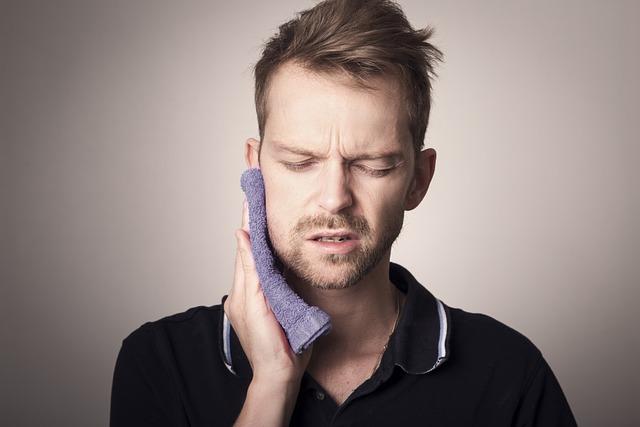
Molar Tooth Removal Aftercare: Essential Care Instructions!
After having a molar tooth removed, proper aftercare is essential for a smooth and speedy recovery. In this article, we’ll provide you with all the necessary care instructions to ensure your healing process is as comfortable as possible. Let’s dive into the essential steps you need to take to promote optimal healing and prevent any potential complications.
Contents
- Molar Tooth Removal Aftercare: Essential Care Instructions
- !
- Timing is Everything: Immediate Post-Extraction Steps
- An Overview of Immediate Post-Extraction Steps
- Managing Discomfort: Pain Relief Tips and Practices
- Essential Care Instructions for Molar Tooth Removal Aftercare
- Bleeding Control: How to Handle Post-Extraction Bleeding
- Swelling Solutions: Tips to Reduce Swelling Following Tooth Removal
- Caring for the Socket: Detailed Instructions on Socket Care
- Dietary Adjustments: Foods to Avoid and Recommended Diet Post-Surgery
- Hygiene Matters: Proper Oral Hygiene Practices After Molar Extraction
- Follow-Up Care: Understanding the Importance of Follow-Up Appointments
- Essential Care Instructions for Molar Tooth Removal Aftercare
- Final Thoughts
Molar Tooth Removal Aftercare: Essential Care Instructions
!
After having a molar tooth removed, it’s crucial to follow these essential care instructions to ensure proper healing and prevent complications. Here are some important tips to keep in mind:
- Keep Pressure on the Gauze: Bite down on the gauze pad placed by your dentist to help stop any bleeding.
- Avoid Rinse or Spit: Avoid rinsing or spitting forcefully for the first 24 hours to prevent dislodging the blood clot.
- Manage Pain: Take prescribed pain medication as directed and apply ice packs to reduce swelling.
- Soft Diet: Stick to soft foods and avoid hard, crunchy, or sticky foods that could irritate the extraction site.
Remember to follow these care instructions carefully to ensure a smooth recovery process. If you experience excessive bleeding, severe pain, or any other concerns, don’t hesitate to contact your dentist for further guidance.

Timing is Everything: Immediate Post-Extraction Steps
An Overview of Immediate Post-Extraction Steps
After having a molar tooth removed, it is crucial to follow the necessary aftercare steps to ensure proper healing and minimize the risk of complications. Here are some essential care instructions to keep in mind:
- Apply Pressure to the Extraction Site: Gently bite down on a clean gauze pad to help stop any bleeding. Replace the gauze every 30-45 minutes until the bleeding stops.
- Avoid Rinsing or Spitting: Refrain from rinsing your mouth, spitting, or using a straw for the first 24 hours as this can disrupt the blood clot forming in the extraction site.
- Manage Pain and Swelling: Take any prescribed pain medication as directed by your dentist and apply ice packs to the outside of your cheek to reduce swelling.
- Follow a Soft Foods Diet: Stick to soft, easy-to-eat foods like yogurt, mashed potatoes, and smoothies for the first few days to avoid irritating the extraction site.
| Day | Activity |
|---|---|
| 1 | Apply pressure to the extraction site |
| 2 | Avoid rinsing or spitting |
| 3 | Manage pain and swelling |

Managing Discomfort: Pain Relief Tips and Practices
Essential Care Instructions for Molar Tooth Removal Aftercare
After undergoing molar tooth removal, it is crucial to follow proper aftercare instructions to ensure a smooth and speedy recovery. Here are some essential tips to manage discomfort and promote healing:
- Manage Pain: Take prescribed pain medication as directed by your dentist to alleviate any discomfort. Additionally, apply a cold compress to the affected area to reduce swelling and numb the pain.
- Ensure Proper Nutrition: Stick to a soft foods diet for the first few days after the extraction to avoid irritating the extraction site. Opt for nutrient-rich foods like yogurt, smoothies, and soups to aid in the healing process.
- Maintain Good Oral Hygiene: Avoid brushing or flossing near the extraction site for the first 24 hours. After that, gently rinse your mouth with warm salt water to prevent infection and promote healing.
By following these care instructions diligently, you can minimize discomfort and ensure a successful recovery after molar tooth removal. If you experience severe pain, excessive bleeding, or any other concerning symptoms, contact your dentist immediately for further guidance.
Bleeding Control: How to Handle Post-Extraction Bleeding
After having a molar tooth removed, it is essential to take proper care to prevent excessive bleeding. Follow these tips to effectively control post-extraction bleeding:
- Apply gentle pressure: Bite down on a gauze pad placed over the extraction site to help control bleeding.
- Avoid spitting or rinsing: Swishing liquids in your mouth can dislodge blood clots, leading to further bleeding.
- Avoid smoking or drinking through a straw: These activities can create suction in the mouth, which can also dislodge blood clots.
If bleeding persists for more than 24 hours, or if it becomes heavy, contact your dentist immediately for further instructions.

Swelling Solutions: Tips to Reduce Swelling Following Tooth Removal
Swelling following tooth removal is a common concern for many patients, but there are various solutions to help reduce discomfort and promote healing. Here are some tips to help you manage swelling after molar tooth removal:
- Apply ice packs: Placing an ice pack on the outside of your cheek for 20 minutes on and 20 minutes off can help reduce swelling and numb any discomfort.
- Take pain medication: Over-the-counter pain relievers can help alleviate any discomfort and reduce swelling. Follow your dentist’s instructions for dosage.
- Rest and elevate your head: Resting and keeping your head elevated can help improve blood flow and reduce swelling in the affected area.
Remember to follow your dentist’s aftercare instructions carefully and reach out to them if you have any concerns about swelling or discomfort following molar tooth removal. By taking these proactive steps, you can help ensure a smooth and comfortable recovery process.

Caring for the Socket: Detailed Instructions on Socket Care
Upon having a molar tooth removed, it is crucial to follow proper aftercare instructions to ensure a smooth recovery process. Proper care of the socket where the tooth was extracted is vital in preventing infections and promoting healing.
Here are some essential care instructions to follow:
- Bite on gauze: Bite down gently on a piece of clean gauze to help stop any bleeding. Change the gauze every 30-45 minutes or as needed.
- Avoid rinsing: Refrain from rinsing your mouth for the first 24 hours after the extraction to allow the blood clot to form and protect the socket.
- Take prescribed medication: Follow the dentist’s instructions on taking any prescribed pain medication or antibiotics to manage any discomfort and prevent infection.
- Eat soft foods: Stick to soft, easy-to-eat foods for the first few days after the extraction to avoid irritating the socket.
By following these care instructions diligently, you can help ensure a speedy and successful recovery after molar tooth removal.
Dietary Adjustments: Foods to Avoid and Recommended Diet Post-Surgery
After undergoing molar tooth removal, it is crucial to make dietary adjustments to ensure proper healing and prevent any complications. Certain foods can hinder the healing process or cause discomfort, so it’s important to know what to avoid and what to incorporate into your diet.
Foods to Avoid:
- Avoid hard and crunchy foods that can irritate the surgical site.
- Avoid spicy or acidic foods that can cause pain or inflammation.
- Avoid carbonated drinks that can dislodge blood clots and delay healing.
Recommended Diet Post-Surgery:
- Stick to soft foods like yogurt, mashed potatoes, and smoothies to minimize discomfort.
- Stay hydrated by drinking plenty of water to aid in the healing process.
- Incorporate foods high in vitamin C and protein to promote tissue repair and immune function.
| Food to Avoid | Recommended Alternative |
|---|---|
| Popcorn | Applesauce |
| Soda | Herbal Tea |

Hygiene Matters: Proper Oral Hygiene Practices After Molar Extraction
After having a molar extracted, it is crucial to follow proper oral hygiene practices to ensure a smooth and speedy recovery. By taking the necessary steps, you can reduce the risk of infection and promote healing in the extraction site. Here are some essential care instructions to help you maintain good oral hygiene after molar extraction:
- Be Gentle: Avoid brushing or flossing near the extraction site for the first 24 hours to prevent irritation. Instead, rinse your mouth with warm salt water to keep the area clean.
- Take Medication as Prescribed: If your dentist has prescribed any medication, make sure to take it as instructed to manage pain and prevent infection.
- Avoid Smoking or Using Straws: Smoking and using straws can dislodge the blood clot that forms in the extraction site, leading to dry socket. It is best to refrain from these activities for at least 24 hours.
- Stick to Soft Foods: To avoid putting pressure on the extraction site, stick to a soft diet for the first few days. Opt for foods like yogurt, mashed potatoes, and smoothies.
Follow-Up Care: Understanding the Importance of Follow-Up Appointments
Essential Care Instructions for Molar Tooth Removal Aftercare
After having a molar tooth removed, it is crucial to follow proper aftercare instructions to ensure a smooth and speedy recovery. Here are some essential care tips to help you navigate the post-extraction period:
- Keep the extraction site clean: Gently rinse your mouth with warm salt water after meals to keep the area clean and free from debris.
- Avoid smoking: Smoking can delay the healing process and increase the risk of complications. It is best to avoid smoking for at least 48 hours after the extraction.
- Avoid strenuous activities: Refrain from engaging in vigorous activities that could dislodge the blood clot and impede the healing process.
Additionally, make sure to follow any specific instructions provided by your dentist or oral surgeon. If you experience severe pain, bleeding, or any other unusual symptoms, contact your healthcare provider immediately for further guidance.
Final Thoughts
As you embark on your journey to proper molar tooth removal aftercare, remember these key takeaways: follow your dentist’s instructions closely, maintain good oral hygiene, manage any discomfort with prescribed medications, and watch out for signs of infection. By taking these essential care instructions to heart, you can ensure a smooth and speedy recovery. Your oral health is in your hands – take good care of it!
Get our latest guides, news, and insights highlighted in your Google Search & AI Overviews.