How to Remove a Spacer from Tooth: Orthodontic Tips
Have you ever wondered how to remove a spacer from your tooth? Well, look no further! In this article, we will provide you with expert orthodontic tips on how to safely and effectively remove a spacer from your tooth. Say goodbye to those pesky spacers with our easy-to-follow guide. Let’s get started!
Contents
- Tips for safely removing spacers from your teeth
- When to remove spacers during your orthodontic treatment
- Step-by-step guide on how to take out a spacer at home
- Importance of regular spacer removal in orthodontic care
- Common mistakes to avoid when removing a spacer
- Helpful tools to assist in spacer removal process
- Consulting with your orthodontist before removing a spacer
- Potential risks of improper spacer removal
- Benefits of having a professional remove your spacers
- Maintaining good oral hygiene after spacer removal
- In Summary
Tips for safely removing spacers from your teeth
When it comes to orthodontic treatment, removing spacers from your teeth can be a tricky task. However, with the right tips and techniques, you can safely remove spacers without causing any damage to your teeth or braces.
**Here are some :**
- Use dental floss or an interdental brush to gently wiggle the spacer out. Be careful not to force it, as this can lead to discomfort or pain.
- If the spacer is still difficult to remove, you can visit your orthodontist for assistance. They have the tools and expertise to safely remove the spacer without causing any harm.
- After successfully removing the spacer, make sure to rinse your mouth with water to remove any leftover debris. You can also brush your teeth gently to ensure cleanliness.

When to remove spacers during your orthodontic treatment
Spacers are a common part of orthodontic treatment, used to create space between your teeth for bands or other orthodontic appliances. Knowing when to remove spacers is crucial to the success of your treatment. Here are some tips to help you navigate this process smoothly:
Signs that spacers need to be removed:
- Tightness or discomfort when eating or speaking
- Visible movement or shifting of the spacers
- Inability to floss between the teeth where spacers are placed
When to contact your orthodontist:
- If you experience severe pain or swelling
- If your spacers fall out before your scheduled appointment
- If you have any concerns or questions about the removal process
| Tooth number | Spacer removal date |
|---|---|
| 18 | June 12, 2021 |
| 22 | June 15, 2021 |

Step-by-step guide on how to take out a spacer at home
To remove a spacer at home, you will need some tools that can be easily found in your household. Before proceeding, make sure to wash your hands thoroughly to avoid any infections. Follow these steps carefully:
– Start by locating the spacer and gently wiggle it with your fingers to loosen it from the tooth.
– Once the spacer is loosened, use a clean tissue or dental floss to carefully pull it out from between the teeth.
– If the spacer is stubborn and refuses to come out easily, you can use a pair of tweezers to grab onto it securely and gently pull it out.
– After removing the spacer, make sure to rinse your mouth with water to clean any residue left behind.
By following these simple steps, you can safely remove a spacer from your tooth at home without any hassle. Remember to handle the spacer gently to avoid any damage to your teeth.
Importance of regular spacer removal in orthodontic care
Proper orthodontic care is essential for maintaining a healthy smile and achieving optimal results. One important aspect of orthodontic treatment is the regular removal of spacers. Spacers are small rubber bands or metal rings that are placed between teeth to create space for orthodontic appliances. Removing these spacers at the right time is crucial for the success of your treatment.
When it comes to removing spacers from your teeth, it is best to leave this task to your orthodontist. While it may be tempting to try and remove them yourself, doing so can cause damage to your teeth or gums. Your orthodontist has the proper tools and expertise to safely and effectively remove spacers without causing any harm.
During your orthodontic appointments, your orthodontist will carefully remove the spacers and make any necessary adjustments to your treatment plan. It is important to follow their instructions and attend all scheduled appointments to ensure that your treatment progresses smoothly. Remember, regular spacer removal is an important step in achieving a straight and healthy smile.

Common mistakes to avoid when removing a spacer
When it comes to removing a spacer from a tooth, there are a few common mistakes that patients should be aware of in order to ensure a successful removal process. Here are some key points to keep in mind:
- Not following the orthodontist’s instructions: One of the biggest mistakes patients make is not following the orthodontist’s instructions for removing the spacer. It’s important to carefully follow the recommended steps to avoid causing any damage to the tooth or surrounding gum tissue.
- Using excessive force: Another mistake to avoid is using excessive force when trying to remove the spacer. This can not only be painful but can also lead to injury or damage to the tooth. It’s best to gently wiggle the spacer out using the recommended technique provided by the orthodontist.
- Skipping follow-up appointments: After the spacer has been removed, it’s important to attend all follow-up appointments with the orthodontist to ensure that the tooth is healing properly. Skipping these appointments can lead to complications or delays in the orthodontic treatment process.
- Not seeking professional help: If you’re having difficulty removing the spacer on your own, it’s crucial to seek help from your orthodontist rather than attempting to force it out yourself. They have the expertise and tools needed to safely and effectively remove the spacer without causing harm.
Helpful tools to assist in spacer removal process
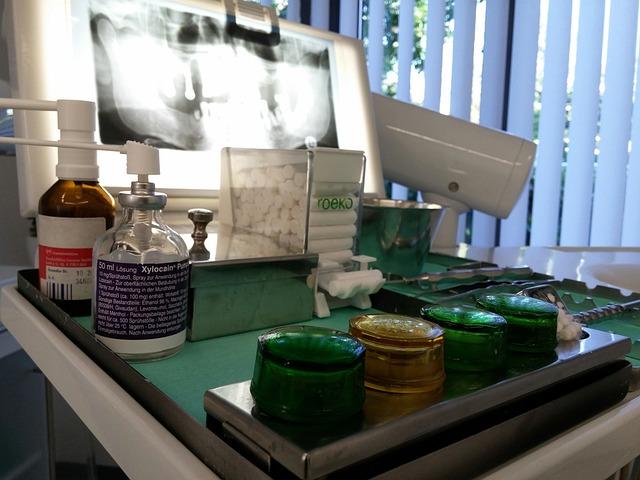
When it comes to removing spacers from your teeth, having the right tools can make the process much easier. Here are some helpful tools that can assist in the spacer removal process:
- Orthodontic pliers: These specialized pliers are designed to safely and effectively remove spacers without causing damage to your teeth or gums.
- Cotton pellets: Placing a cotton pellet between the spacer and your tooth can help provide extra cushioning and protection during the removal process.
- Dental floss: Using dental floss to gently wiggle and remove the spacer can help prevent any discomfort or pain.
- Anesthetic gel: Applying a small amount of anesthetic gel to the spacer before removal can help numb the area and reduce any potential pain.
| Tool | Usage |
|---|---|
| Orthodontic pliers | Safe and effective spacer removal |
| Cotton pellets | Extra cushioning and protection |
| Dental floss | Gentle and painless removal |
| Anesthetic gel | Numbing and pain reduction |

Consulting with your orthodontist before removing a spacer
Before removing a spacer from your tooth, it is essential to consult with your orthodontist to ensure the process is done correctly and safely. Your orthodontist will assess your specific situation and provide personalized advice to help you navigate the spacer removal process smoothly.
During your consultation, your orthodontist may discuss the following important points:
– **Evaluation of Tooth Movement:** Your orthodontist will assess how your teeth have shifted since the spacer was placed and determine if it is the right time to remove it.
– **Spacer Removal Procedure:** Your orthodontist will explain the step-by-step process of removing the spacer, including any potential discomfort or sensations you may experience.
– **Post-Removal Care:** Your orthodontist will provide guidance on how to care for your teeth after the spacer is removed to ensure optimal oral health and prevent any complications.
By from your tooth, you can ensure a smooth and successful transition in your orthodontic treatment.
Potential risks of improper spacer removal
Improper removal of spacers can lead to several potential risks that may compromise the success of your orthodontic treatment. It is crucial to follow the proper techniques when removing spacers to avoid any complications, such as:
- Misalignment of teeth: Removing spacers incorrectly can result in teeth shifting back to their original positions, which can undo the progress made with your braces.
- Tooth damage: Pulling out a spacer forcefully or without guidance can cause damage to the surrounding teeth and gums, leading to pain and discomfort.
- Infection: If spacers are not removed properly, bacteria can accumulate in the gaps left behind, increasing the risk of infection.
- Prolonged treatment time: Improper spacer removal can prolong the duration of your orthodontic treatment as it may require additional adjustments to correct any issues caused by the improper removal.
It is essential to consult your orthodontist if you are unsure about how to remove your spacers correctly to avoid these potential risks and ensure the success of your treatment.

Benefits of having a professional remove your spacers
Having a professional remove your spacers can offer a range of benefits that can greatly improve the outcome of your orthodontic treatment. Here are some key advantages to consider:
- Expertise: Orthodontic professionals have the knowledge and experience to safely and effectively remove spacers without causing damage to your teeth or gums.
- Precision: Professionals use specialized tools to carefully remove spacers, ensuring that they are taken out in a precise manner.
- Comfort: Having a professional remove your spacers can minimize discomfort and reduce the risk of any pain or irritation during the removal process.
- Quality results: By entrusting the spacer removal process to a professional, you can ensure that your orthodontic treatment continues to progress smoothly and efficiently.
When it comes to removing spacers from your teeth, it’s best to leave it to the experts. By choosing a professional to handle this task, you can enjoy a seamless and worry-free experience that leads to optimal results in your orthodontic treatment.
Maintaining good oral hygiene after spacer removal
After the spacer has been successfully removed, it is crucial to maintain good oral hygiene to ensure the health and longevity of your teeth. Here are some tips to help you keep your teeth clean and healthy post-spacer removal:
1. **Brush your teeth regularly:** Make sure to brush your teeth at least twice a day, in the morning and before bed, using a fluoride toothpaste. Brushing helps remove plaque and food particles that can lead to cavities and gum disease.
2. **Floss daily:** Flossing is essential for removing plaque and food debris from between your teeth, where your toothbrush may not reach. It helps prevent cavities and keeps your gums healthy.
3. **Use mouthwash:** Rinse with an antiseptic mouthwash to kill bacteria and freshen your breath. Mouthwash can help reduce plaque and prevent gum disease.
4. **Visit your dentist regularly:** Schedule regular dental check-ups and cleanings to maintain good oral health. Your dentist can detect any potential issues early on and provide necessary treatments.
Remember, proper oral hygiene is crucial for keeping your teeth and gums healthy. By following these tips, you can ensure that your smile remains bright and beautiful long after your spacer has been removed.
In Summary
In conclusion, removing a spacer from your tooth can be a simple process if done correctly. Remember to consult with your orthodontist before attempting to remove the spacer yourself. With the right tools and technique, you can safely take out the spacer and continue on your journey to a straighter smile. Don’t hesitate to reach out to your orthodontist for guidance if you encounter any difficulties. Keep up with your orthodontic care and before you know it, you’ll be flashing a confident, aligned smile for the world to see. Stay informed, stay diligent, and keep smiling brightly!
Get our latest guides, news, and insights highlighted in your Google Search & AI Overviews.