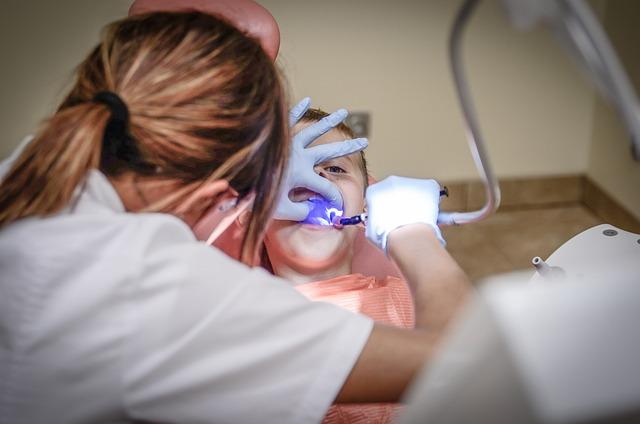
How to Remove a Crown Tooth: Dental Restoration Process
Have you ever wondered what exactly goes into removing a crown tooth? In this article, we will take you through the dental restoration process step by step, giving you all the information you need to know. So sit back, relax, and prepare to learn about how to remove a crown tooth like a pro!
Contents
- Preparing for Crown Tooth Removal
- Consulting with Your Dentist: Evaluating Alternatives and Risks
- Understanding the Crown Removal Procedure
- Steps Involved in Removing a Crown Tooth
- Post-Removal Care and Recovery Process
- Potential Risks and Complications to Consider
- Follow-up Appointments and Treatment Options
- Maintaining Oral Health After Crown Tooth Removal
- In Conclusion
Preparing for Crown Tooth Removal
When preparing for a crown tooth removal, there are several important steps to take to ensure a successful dental restoration process. It’s essential to follow these guidelines to minimize pain, discomfort, and complications during and after the procedure.
Here are some tips to help you prepare for crown tooth removal:
- Consult with your dentist: Before the procedure, it’s crucial to discuss any concerns or questions with your dentist. They can provide you with detailed information about the process and address any worries you may have.
- Take care of your oral health: Prior to the removal, make sure to maintain good oral hygiene by brushing and flossing regularly. This will help prevent any infections or complications post-procedure.
- Follow pre-operation instructions: Your dentist may provide you with specific instructions to follow before the removal. This could include restrictions on eating, drinking, or taking medications. It’s important to adhere to these guidelines for a smooth procedure.

Consulting with Your Dentist: Evaluating Alternatives and Risks
When considering removing a crown tooth, it is important to consult with your dentist to evaluate alternatives and risks. Your dentist will be able to provide you with the best course of action based on your individual situation. Here are some factors to consider:
- Reason for removal: Your dentist will assess the reason for removing the crown tooth, whether it’s due to decay, damage, or other issues.
- Alternatives: Your dentist may recommend alternatives to removing the crown tooth, such as a root canal or dental bonding.
- Risks: Your dentist will also discuss the risks associated with removing the crown tooth, such as potential damage to surrounding teeth or nerves.
It is important to have an open and honest discussion with your dentist about the removal process to ensure you are making an informed decision. Your dentist will be able to provide you with the necessary information and guidance to help you through the dental restoration process.
Understanding the Crown Removal Procedure
When it comes to , it is essential to know the ins and outs of how this dental restoration process works. Crowns are commonly used to restore damaged or decayed teeth, but there are instances where they may need to be removed for various reasons. Here is a breakdown of how the crown removal procedure typically unfolds:
- Anesthesia: Before the removal process begins, your dentist will administer local anesthesia to ensure you are comfortable and pain-free throughout the procedure.
- Crown Removal: Using specialized dental tools, the dentist will carefully detach the crown from the underlying tooth structure. This may involve cutting through the crown material or breaking the seal that holds it in place.
- Tooth Examination: Once the crown is removed, the dentist will examine the underlying tooth to assess its health and condition. This step is crucial in determining the next course of action for restoring the tooth.
- Temporary Restoration: In some cases, a temporary restoration may be placed on the tooth until a new crown or alternative restoration can be created and fitted.

Steps Involved in Removing a Crown Tooth
Removing a crown tooth is a dental procedure that may be necessary for various reasons such as decay, damage, or infection. The process involves several steps to ensure the tooth is safely and effectively removed. Here are the steps typically involved in removing a crown tooth:
- Anesthetic Injection: Before the removal process begins, the dentist will administer a local anesthetic to numb the area around the tooth to minimize any pain or discomfort.
- Removal of Crown: The first step is to remove the crown that covers the tooth. This may involve using dental tools to carefully break and remove the crown without damaging the underlying tooth structure.
- Extraction of Tooth: Once the crown is removed, the dentist will proceed with extracting the tooth. This involves gently loosening the tooth from the socket and carefully pulling it out.
- Clean and Suture: After the tooth is removed, the dentist will clean the area to remove any debris and bacteria. In some cases, the extraction site may be sutured to promote healing.
Post-Removal Care and Recovery Process
After undergoing the process of removing a crown tooth, it is crucial to follow proper post-removal care and recovery steps to ensure optimal healing and restoration. Here are a few important tips to help guide you through the recovery process:
– **Manage Discomfort**: It is normal to experience some discomfort after having a crown tooth removed. To help manage any pain or swelling, you can take over-the-counter pain medication as recommended by your dentist. Additionally, applying a cold compress to the affected area can help reduce swelling and discomfort.
– **Maintain Good Oral Hygiene**: Keeping the area clean is essential for preventing any infections or complications. Be sure to gently brush and floss your teeth, taking care to avoid the extraction site. Your dentist may also recommend using a saline solution to rinse your mouth.
– **Follow Dietary Restrictions**: While recovering from a crown tooth removal, you may need to avoid certain foods that can irritate the extraction site or cause discomfort. Stick to soft foods that are easy to chew and won’t put too much pressure on the affected area.
– **Attend Follow-Up Appointments**: It is important to schedule and attend any follow-up appointments with your dentist to ensure proper healing and to address any concerns or issues that may arise. Your dentist will monitor your progress and provide any additional care or treatment as needed.
Overall, by following these post-removal care and recovery steps, you can help promote a smooth and successful healing process after having a crown tooth removed. Remember to consult with your dentist if you have any questions or concerns throughout your recovery period.
Potential Risks and Complications to Consider
When considering the removal of a crown tooth, it’s important to be aware of the potential risks and complications that may arise during the dental restoration process. While crowns are designed to be durable and long-lasting, there are certain factors that may lead to complications:
- Tooth Sensitivity: Following the removal of the crown, the underlying tooth may be sensitive to hot or cold temperatures. This sensitivity should resolve on its own, but if it persists, it’s important to consult with your dentist.
- Infection: There is a risk of infection during the removal process, especially if there is decay or damage to the underlying tooth. Your dentist will take necessary precautions to minimize this risk.
- Damage to Surrounding Teeth: During the removal of a crown, there is a possibility of damaging the adjacent teeth. Your dentist will use specialized tools and techniques to prevent any damage.
It’s essential to discuss these potential risks with your dentist before proceeding with the removal of a crown tooth. By understanding these complications, you can make an informed decision about your dental restoration process.
Follow-up Appointments and Treatment Options
After your crown tooth removal procedure, it is crucial to schedule follow-up appointments to ensure proper healing and assess any further treatment options. Your dentist will provide specific instructions on post-operative care to prevent complications and promote optimal recovery.
During follow-up appointments, your dentist will examine the extraction site to check for any signs of infection or other issues. They may also discuss potential treatment options for replacing the removed crown tooth to restore function and aesthetics to your smile.
Depending on your individual needs and preferences, your dentist may recommend the following treatment options:
- Dental Implants: A permanent solution for replacing missing teeth, dental implants are surgically placed in the jawbone and topped with a custom-made crown for a natural-looking restoration.
- Bridge: A dental bridge is a fixed prosthetic device that replaces one or more missing teeth by bridging the gap between adjacent teeth with artificial teeth.
- Partial Dentures: Removable partial dentures are a more affordable option for replacing missing teeth, especially when multiple teeth need to be restored.
| Treatment Option | Pros | Cons |
|---|---|---|
| Dental Implants | Permanent, natural-looking, durable | Requires surgery, cost |
| Bridge | Non-invasive, restores function | Depends on adjacent teeth |
| Partial Dentures | Affordable, removable | Less stable, can be uncomfortable |

Maintaining Oral Health After Crown Tooth Removal
After undergoing crown tooth removal, it is essential to maintain good oral health to ensure proper healing and prevent any complications. Here are some key tips to help you take care of your oral health post-crown tooth removal:
Regularly brush and floss: It is crucial to continue practicing good oral hygiene by brushing your teeth twice a day and flossing daily. This will help prevent plaque buildup and keep your gums healthy.
Avoid hard or sticky foods: In the days following crown tooth removal, it is best to stick to soft and easy-to-chew foods to prevent any discomfort or damage to the remaining teeth.
Attend follow-up appointments: Make sure to schedule and attend any follow-up appointments with your dentist to ensure proper healing and monitor any potential issues that may arise.
Consider dental implants: If you are looking for a permanent solution to replace a missing tooth, consider getting a dental implant to restore your smile and improve your oral health.
In Conclusion
In conclusion, removing a crown tooth can be a straightforward process when done by a dental professional. Remember to always consult with your dentist before attempting any removal procedures on your own. Key takeaways from this article include understanding the dental restoration process, knowing when a crown tooth needs to be removed, and the importance of post-removal care for your oral health. Keep these tips in mind for a smooth and successful crown tooth removal experience. Stay informed, stay healthy, and never be afraid to ask your dentist for guidance. Thanks for reading!
Get our latest guides, news, and insights highlighted in your Google Search & AI Overviews.