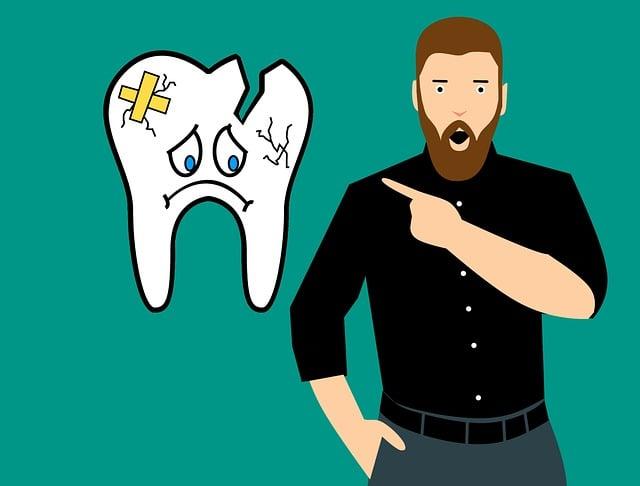
How to Remove a Broken Tooth Without a Dentist? Emergency Tooth Extraction Tips
In times of dental emergencies, knowing how to remove a broken tooth without a dentist can be crucial. From relieving pain to preventing further complications, emergency tooth extraction tips can come in handy when professional help is not immediately available. In this article, we will guide you through the steps and precautions needed to safely remove a broken tooth on your own.
Contents
- Signs of a Broken Tooth
- Tools you May Need for Emergency Tooth Extraction
- How to Minimize Pain During a Tooth Extraction
- Emergency Tooth Extraction Tips
- Steps to Follow for Removing a Broken Tooth at Home
- Common Mistakes to Avoid While Extracting a Tooth
- Emergency Care After a Tooth Extraction
- When to Seek Professional Help for a Broken Tooth
- Natural Remedies for Tooth Pain Relief Before Extraction
- Precautions to Take Before Attempting a Tooth Extraction at Home
- Wrapping Up
Signs of a Broken Tooth
When dealing with a broken tooth, it’s important to recognize the signs so you can take appropriate action. Here are some common symptoms that may indicate a broken tooth:
- Pain or discomfort: If you experience sharp or throbbing pain when biting or chewing, it could be a sign of a broken tooth.
- Sensitivity: Sensitivity to hot or cold temperatures, as well as sweet or acidic foods, can also indicate a cracked or broken tooth.
- Swelling: Swelling around the affected tooth or in the gums can be a sign of infection caused by a broken tooth.
- Visible damage: If you can see a chip, crack, or fracture in your tooth, it’s likely broken and needs immediate attention.
While it’s always best to seek professional dental care for a broken tooth, there are some emergency tips you can follow to help alleviate pain and prevent further damage. One option is to gently remove the broken tooth yourself, but this should only be done as a last resort and with extreme caution.
If you decide to proceed with self-extraction, make sure to clean the area thoroughly with a saltwater rinse and use sterile tools to carefully remove the broken tooth. However, if you encounter excessive bleeding, severe pain, or any complications, seek immediate medical attention.

Tools you May Need for Emergency Tooth Extraction
In times of emergency, knowing how to extract a broken tooth at home can be crucial. While it’s always best to seek professional dental help, there are certain that can help you manage the situation until you can see a dentist.
One essential tool for emergency tooth extraction is a pair of dental forceps. These specialized tools allow you to grip the tooth firmly and safely remove it from its socket. Dental forceps come in various sizes and shapes, so it’s important to have the right ones for the type of tooth you need to extract.
Another tool that may come in handy for emergency tooth extraction is dental elevators. These instruments are used to loosen the tooth from the socket before extraction, making the process easier and less painful. When used correctly, dental elevators can help you remove a broken tooth more efficiently.
Additionally, having some sterile gauze on hand is essential for managing bleeding during and after the tooth extraction. By applying pressure to the extraction site with gauze, you can help control the bleeding and promote clotting. Remember to replace the gauze when it becomes saturated to ensure proper healing.
How to Minimize Pain During a Tooth Extraction
Emergency Tooth Extraction Tips
When faced with a broken tooth and no access to a dentist, there are some steps you can take to minimize pain and safely remove the damaged tooth. Here are some emergency tooth extraction tips:
- Apply Ice: To reduce swelling and numb the area, apply an ice pack wrapped in a cloth to your cheek for 15-20 minutes.
- Use Over-the-Counter Pain Relievers: Taking ibuprofen or acetaminophen can help alleviate the pain associated with a broken tooth.
- Try Salt Water Rinse: Mix warm water with salt and swish it around in your mouth to help cleanse the area and reduce inflammation.
| Potential Risk: | Action to Take: |
|---|---|
| Bleeding doesn’t stop | Apply pressure with a clean cloth and visit the emergency room if necessary. |
| Infection develops | Seek medical attention immediately and take any prescribed antibiotics. |
It’s important to remember that these tips are emergency measures and should not replace professional dental care. If possible, schedule an appointment with a dentist as soon as you can to properly address the broken tooth and prevent further complications.

Steps to Follow for Removing a Broken Tooth at Home
If you find yourself in a situation where you need to remove a broken tooth at home without a dentist, it’s important to proceed with caution. While this is not recommended, there are some emergency tooth extraction tips you can follow to alleviate the pain and prevent infection.
1. **Numb the area**: Before attempting to remove the broken tooth, you can numb the area by applying an ice pack or a numbing gel. This will help reduce the pain and make the extraction process more bearable.
2. **Use dental floss**: If the broken tooth is loose enough, you can try gently wiggling it back and forth with dental floss to see if it will come out on its own. Be very careful not to force it, as this can cause further damage.
3. **Rinse with saltwater**: To prevent infection, rinse your mouth with warm saltwater after the extraction. This will help clean the area and promote healing.
Remember, these tips are only for emergency situations and should not replace professional dental care. It’s always best to seek help from a qualified dentist for proper tooth extraction.
Common Mistakes to Avoid While Extracting a Tooth
One of the most common mistakes people make when attempting to extract a tooth at home is using improper tools. Using anything other than a dentist-approved tooth extraction tool can lead to further damage and infection.
Another mistake to avoid is not properly numbing the area before attempting to extract the tooth. This can lead to extreme pain and discomfort during the extraction process.
It is also important to avoid excessive force when trying to remove a broken tooth. Applying too much pressure can cause the tooth to shatter, making it even more difficult to remove.
Lastly, failing to properly clean and care for the extraction site after removing the tooth can lead to infections and complications. Make sure to follow post-extraction care instructions carefully to ensure proper healing.

Emergency Care After a Tooth Extraction
After a tooth extraction, it is crucial to take proper care of the area to prevent infection and promote healing. Here are some essential tips for :
- Apply gauze: Immediately after the extraction, bite down on a piece of clean gauze to help stop the bleeding. Replace the gauze as needed until the bleeding stops.
- Take pain medication: If you are experiencing pain after the extraction, take over-the-counter pain medication as directed by your dentist.
- Avoid smoking: Smoking can delay the healing process and increase the risk of complications. It is best to avoid smoking for at least 24 hours after the extraction.
- Follow a soft diet: Stick to soft foods such as yogurt, mashed potatoes, and smoothies for the first few days after the extraction to avoid irritating the extraction site.
| Do: | Avoid: |
| Keep the extraction site clean | Drinking through a straw |
| Take any prescribed antibiotics as directed | Strenuous physical activity |
| Be gentle when brushing your teeth | Drinking alcohol |

When to Seek Professional Help for a Broken Tooth
Having a broken tooth can be a painful and scary experience, but knowing when to seek professional help can make all the difference. In some cases, you may be able to remove a broken tooth at home, but it is always best to consult a dentist to avoid any further complications.
**Signs that you should seek professional help for a broken tooth include:**
– Intense pain that does not subside
– Excessive bleeding
– Swelling or infection in the surrounding area
– Difficulty chewing or talking
If you are unable to see a dentist right away and need to remove a broken tooth at home, here are some emergency tooth extraction tips:
**Emergency Tooth Extraction Tips:**
– Rinse your mouth with warm salt water to help reduce bacteria and inflammation.
– Use gauze to apply pressure to the broken tooth to help control bleeding.
– Take over-the-counter pain medication to help manage any discomfort.
– Avoid chewing on the side of the broken tooth to prevent further damage.
Remember, removing a broken tooth at home should only be done as a last resort. It is always best to seek professional help from a dentist to ensure proper treatment and care for your oral health.
Natural Remedies for Tooth Pain Relief Before Extraction
If you are experiencing tooth pain and are unable to see a dentist right away, there are some natural remedies that you can try to help alleviate the discomfort. Here are some tips on how to remove a broken tooth without a dentist:
- Saltwater Rinse: Mix a teaspoon of salt in a glass of warm water and swish it around in your mouth for about 30 seconds. This can help reduce inflammation and kill bacteria.
- Cold Compress: Apply a cold compress to the outside of your cheek near the painful tooth. This can help numb the area and reduce swelling.
- Clove Oil: Clove oil has natural analgesic properties that can help numb the area and reduce pain. Apply a small amount of clove oil to a cotton ball and place it on the affected tooth.
These natural remedies can provide temporary relief from tooth pain, but it is important to see a dentist as soon as possible to address the underlying issue. If the pain is severe or persistent, do not hesitate to seek professional help.

Precautions to Take Before Attempting a Tooth Extraction at Home
Before attempting to remove a broken tooth at home, it is crucial to consider the following precautions to ensure your safety and minimize the risk of complications:
- Assess the Severity: Before proceeding with the extraction, assess the severity of the broken tooth. If the tooth is severely damaged, causing severe pain, or has any signs of infection, it is highly recommended to seek professional dental care.
- Sterilize Tools: Make sure to sterilize all tools and equipment that will be used for the extraction to prevent infection. This includes tweezers, cotton balls, and any other instruments that may come into contact with the tooth or gums.
- Prepare the Area: Create a clean and well-lit workspace for the extraction process. Ensure that you have access to necessary materials, such as gauze and pain-relief medication, to manage any discomfort or bleeding that may occur during the procedure.
| Precautions | Details |
|---|---|
| Do not force the extraction | If you encounter resistance while attempting to remove the tooth, stop immediately and seek professional help. |
| Do not reuse tools | Dispose of all tools properly after use to prevent the spread of infection. |
Wrapping Up
In conclusion, while removing a broken tooth without a dentist may seem daunting, it is possible with the right tools and techniques. Remember to assess the situation, keep calm, and follow the emergency tooth extraction tips outlined in this article. However, it is crucial to seek professional dental care as soon as possible to prevent any further complications. With these key takeaways in mind, you can tackle a broken tooth emergency with confidence. Stay informed, stay prepared, and take care of your oral health.
Get our latest guides, news, and insights highlighted in your Google Search & AI Overviews.