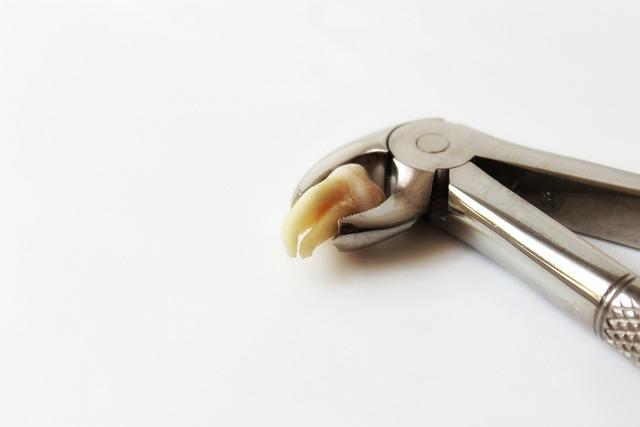
Dog Abscess Tooth Removal: Veterinary Dental Procedures
You may not realize it, but just like humans, dogs can suffer from tooth abscesses that can cause pain and discomfort. In this article, we will delve into the world of veterinary dental procedures specifically geared towards removing abscessed teeth in our furry companions. Join us as we uncover the latest techniques and procedures used by skilled veterinarians to ensure the health and well-being of our four-legged friends.
Contents
- Understanding Dog Abscess Tooth: Causes and Symptoms
- Importance of Seeking Veterinary Care for Tooth Abscess in Dogs
- Diagnostic Process for Dog Tooth Abscess: What to Expect
- Treatment Options for Dog Abscess Tooth Removal
- Surgical Procedure for Removing Abscessed Tooth in Dogs
- Overview of
- Post-Operative Care: Tips for Helping Your Dog Recover
- Preventing Tooth Abscess in Dogs: Dental Hygiene Tips
- Importance of Regular Veterinary Dental Check-ups for Dogs
- Potential Complications of Untreated Dog Tooth Abscess
- Long-Term Impact of Abscess Tooth Removal on Your Dog’s Health
- To Wrap It Up
Understanding Dog Abscess Tooth: Causes and Symptoms
Dog abscess tooth removal is a common veterinary dental procedure that is necessary when a dog develops an abscess around one of its teeth. Understanding the causes and symptoms of a dog abscess tooth is crucial for pet owners to recognize the problem early on and seek appropriate treatment.
Causes of Dog Abscess Tooth:
- Prolonged dental disease and plaque build-up
- Broken or fractured teeth
- Infection from gum disease
Symptoms of Dog Abscess Tooth:
- Swelling or lump around the affected area
- Pain or discomfort while chewing
- Bad breath or drooling
| Cause | Symptom |
|---|---|
| Prolonged dental disease | Swelling around the affected area |
| Broken teeth | Pain while chewing |
If you notice any of these symptoms in your dog, it is important to consult a veterinarian for proper diagnosis and treatment. Dog abscess tooth removal may involve dental cleaning, extraction of the affected tooth, and antibiotic therapy to prevent further infection.

Importance of Seeking Veterinary Care for Tooth Abscess in Dogs
When it comes to your furry friend’s dental health, a tooth abscess can be a serious issue that requires prompt attention from a veterinary professional. These painful infections can lead to discomfort, difficulty eating, and even spread to other parts of the body if left untreated. Seeking veterinary care for a tooth abscess in dogs is crucial for maintaining your pet’s overall well-being.
Here are some reasons why it’s important to seek veterinary care for a tooth abscess in dogs:
- Proper diagnosis: A veterinarian can accurately diagnose the abscess and determine the best course of treatment.
- Pain management: Dogs with tooth abscesses can experience significant pain, and veterinarians can provide pain relief to make your pet more comfortable.
- Prevention of complications: Tooth abscesses can lead to serious complications if not treated promptly, so seeking veterinary care can help prevent further issues.
| Treatment Options | Cost | Success Rate |
|---|---|---|
| Extraction of the affected tooth | $$ | High |
| Root canal therapy | $$$$ | Moderate |
Overall, seeking veterinary care for a tooth abscess in dogs is essential for ensuring your pet’s oral health and overall well-being. By working with a knowledgeable veterinarian, you can address the issue promptly and help your furry friend recover quickly.

Diagnostic Process for Dog Tooth Abscess: What to Expect
Upon bringing your furry companion to the veterinary clinic for a suspected tooth abscess, there are several diagnostic procedures that the veterinarian may perform to confirm the diagnosis and determine the best course of treatment. Here’s what you can expect during the diagnostic process for a dog tooth abscess:
- Physical Examination: The vet will start by conducting a thorough physical exam of your dog, paying close attention to the affected area of the mouth.
- Dental X-Rays: X-rays are essential for identifying the extent of the abscess, including any damage to the surrounding teeth or jawbone.
- Swab Test: A swab may be taken from the abscess to determine the specific bacteria causing the infection, which will help guide antibiotic therapy.
- Blood Work: In some cases, blood tests may be recommended to check for any underlying health issues that could be contributing to the abscess.
Based on the results of these diagnostic tests, the veterinarian will then recommend a treatment plan, which may include tooth extraction, antibiotics, and pain management. It’s important to follow your vet’s recommendations closely to ensure the best outcome for your pet.

Treatment Options for Dog Abscess Tooth Removal
When it comes to treating a dog abscess tooth, veterinary dental procedures are often the most effective solution. These procedures are carried out by trained professionals who specialize in oral health for animals. Here are some treatment options commonly used for dog abscess tooth removal:
- Extraction: One of the most common methods for removing an abscessed tooth is through extraction. This involves surgically removing the affected tooth to alleviate pain and prevent further infection.
- Root Canal Therapy: In some cases, a root canal may be recommended to save a partially damaged tooth. This procedure involves removing the infected pulp from the tooth and sealing it to prevent further infection.
- Antibiotics: In conjunction with dental procedures, antibiotics may be prescribed to help eliminate the infection and reduce inflammation.
It is important to consult with a veterinarian to determine the best course of action for your dog’s abscess tooth. Prompt treatment is crucial in preventing further complications and ensuring your furry friend’s oral health.

Surgical Procedure for Removing Abscessed Tooth in Dogs
Overview of
When a dog develops an abscessed tooth, it can be a painful and uncomfortable experience for them. In these cases, surgical removal of the affected tooth may be necessary to alleviate the pain and prevent further infection or complications. Here is a breakdown of the surgical procedure for removing an abscessed tooth in dogs:
- Pre-operative Examination: Before the surgery, the veterinarian will conduct a thorough examination of the dog to assess the extent of the infection and determine the best course of action.
- Anesthesia: The dog will be put under general anesthesia to ensure they are comfortable and still during the procedure.
- Tooth Extraction: The veterinarian will carefully extract the abscessed tooth, taking care to remove all infected tissue and ensure no fragments are left behind.
- Post-operative Care: After the surgery, the dog will require pain management medication, antibiotics to prevent infection, and follow-up appointments to monitor their recovery.
Table: Dog Abscess Tooth Removal Surgery
| Tooth Extraction Steps | Details |
|---|---|
| Pre-operative Examination | Assessment of infection |
| Anesthesia | General anesthesia for comfort |
| Tooth Extraction | Careful removal of infected tooth |
| Post-operative Care | Pain management, antibiotics, and follow-up |
Post-Operative Care: Tips for Helping Your Dog Recover
After undergoing a dog abscess tooth removal procedure, it is crucial to provide your furry friend with proper post-operative care to ensure a smooth and speedy recovery. Here are some tips to help your dog recover comfortably:
- Pain Management: Your veterinarian may prescribe pain medication to alleviate any discomfort your dog may experience after surgery. Make sure to administer the medication as directed to keep your pup comfortable.
- Soft Diet: In the days following the procedure, feed your dog soft, easily digestible food to prevent any irritation to the surgical site. Avoid hard treats or toys that could potentially cause discomfort.
- Monitoring: Keep a close eye on your dog for any signs of infection, such as swelling, redness, or discharge from the surgical site. If you notice any concerning symptoms, contact your veterinarian immediately.
- Follow-Up Appointment: Schedule a follow-up appointment with your vet to ensure that the surgical site is healing properly. Your veterinarian may need to remove any sutures or provide further recommendations for your dog’s recovery.
Remember, providing the necessary care and attention to your dog post-operatively is essential for their well-being and recovery. By following these tips, you can help your furry friend bounce back from their dental procedure in no time.
Preventing Tooth Abscess in Dogs: Dental Hygiene Tips
Dental hygiene is crucial for preventing tooth abscesses in dogs. Regular brushing and professional cleanings can help maintain your furry friend’s oral health and reduce the risk of painful abscesses. Here are some tips to help keep your pup’s teeth in tip-top shape:
- Brush your dog‘s teeth regularly using a dog-specific toothbrush and toothpaste.
- Provide dental chews or treats that can help reduce plaque and tartar buildup.
- Schedule regular dental check-ups with your veterinarian to catch any dental issues early.
- Consider professional dental cleanings as recommended by your vet to remove stubborn plaque and tartar.
Despite your best efforts, your dog may still develop a tooth abscess. In such cases, your veterinarian may recommend dental procedures to remove the abscessed tooth and alleviate your dog’s pain. These procedures may include:
| Tooth Abscess Removal Procedure | Description |
|---|---|
| Extraction | Removing the affected tooth to prevent further infection. |
| Root Canal Therapy | Saving the tooth by removing the infected pulp and filling the root canal. |
| Antibiotics | Prescribing antibiotics to treat the infection and reduce inflammation. |
Importance of Regular Veterinary Dental Check-ups for Dogs
Regular veterinary dental check-ups are crucial for maintaining your dog’s oral health. These check-ups can help prevent serious dental issues such as abscessed teeth, which can cause pain and discomfort for your furry friend. By staying on top of your dog’s dental health, you can catch any problems early and avoid more invasive procedures down the line.
During a dental check-up, a veterinarian will examine your dog’s teeth and gums for signs of decay, tartar build-up, or other issues. They may also recommend a professional cleaning to remove plaque and tartar that brushing alone cannot reach. In some cases, a tooth may need to be removed if it is severely damaged or causing pain.
Dog abscess tooth removal is a common procedure that veterinarians perform to alleviate pain and prevent further complications. This procedure involves removing the infected tooth and cleaning out the abscess to prevent the infection from spreading. While it may sound intimidating, dog abscess tooth removal is a routine procedure that can greatly improve your dog’s quality of life. Remember, prevention is always better than cure, so schedule regular veterinary dental check-ups for your furry friend!
Potential Complications of Untreated Dog Tooth Abscess
Ignoring a dog tooth abscess can lead to a host of potential complications that can significantly impact your furry friend’s overall health and well-being. Some of the most common complications of an untreated dog tooth abscess include:
- Spread of Infection: If left untreated, the infection from a tooth abscess can spread to the surrounding tissues, gums, jawbone, and even the bloodstream. This can lead to a more serious systemic infection.
- Severe Pain and Discomfort: Dogs with untreated tooth abscesses can experience severe pain, which can affect their ability to eat, drink, and behave normally. This can lower their quality of life and lead to behavioral changes.
- Damage to Surrounding Teeth: A tooth abscess can cause damage to the surrounding teeth, leading to additional dental issues in the future if not addressed promptly.
It is crucial to seek veterinary care if you suspect your dog has a tooth abscess to prevent these potential complications from worsening. A veterinary dental professional can assess the situation, provide appropriate treatment, and help your pup recover quickly and comfortably.
Long-Term Impact of Abscess Tooth Removal on Your Dog’s Health
Dog abscess tooth removal is a vital veterinary dental procedure that can have a significant impact on your furry friend’s long-term health. Removing an abscessed tooth can prevent a host of potential health issues and improve your dog’s overall well-being in the following ways:
- Pain Relief: Abscessed teeth can cause severe pain and discomfort for your dog. By removing the infected tooth, your pet will experience immediate relief and improved quality of life.
- Prevention of Infection: Abscessed teeth can lead to serious infections that can spread to other parts of the body. By removing the infected tooth, you can prevent the spread of infection and potentially save your dog’s life.
- Improved Eating Habits: Abscessed teeth can make eating difficult and uncomfortable for your dog. After the removal of the infected tooth, your pet will be able to eat normally again, which is essential for maintaining their overall health and well-being.
Overall, dog abscess tooth removal is a crucial veterinary dental procedure that can have a positive long-term impact on your pet’s health and happiness. Consult with your veterinarian to discuss the best course of action for your dog’s dental health.
To Wrap It Up
In conclusion, dog abscess tooth removal is a common veterinary dental procedure that can help alleviate pain and prevent further complications for your furry friend. It is essential to consult with your veterinarian if you suspect your dog may have an abscessed tooth. Remember that early detection and treatment are crucial in maintaining your dog’s oral health. By staying proactive and following your vet’s recommendations, you can ensure that your dog’s teeth stay happy and healthy for years to come. So, don’t wait – prioritize your pup’s dental health today!
Get our latest guides, news, and insights highlighted in your Google Search & AI Overviews.