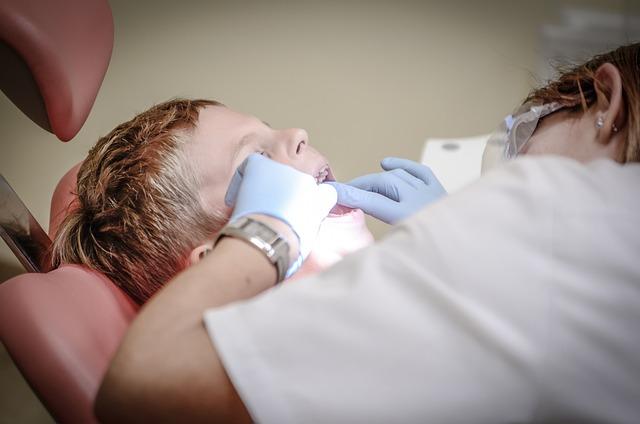
Does Hydrogen Peroxide Remove Tooth Enamel? Dental Insights!
Have you ever wondered if using hydrogen peroxide to whiten your teeth could actually be harming your enamel? In this article, we’ll delve into the science behind this common dental practice and provide you with expert insights on whether hydrogen peroxide is truly a friend or foe to your enamel. Let’s cut through the confusion and get to the bottom of this dental dilemma once and for all!
Contents
- Does Hydrogen Peroxide Harm Tooth Enamel?
- Understanding the Effects of Hydrogen Peroxide on Tooth Enamel
- Tips for Safely Using Hydrogen Peroxide for Teeth Whitening
- Expert Advice on Maintaining Healthy Tooth Enamel
- Common Misconceptions about Hydrogen Peroxide and Tooth Enamel
- Benefits and Risks of Using Hydrogen Peroxide for Teeth Whitening
- Ensuring Proper Application of Hydrogen Peroxide for Teeth Whitening
- How to Protect Tooth Enamel While Using Hydrogen Peroxide
- Professional Opinions on Hydrogen Peroxide’s Impact on Tooth Enamel
- Final Thoughts
Does Hydrogen Peroxide Harm Tooth Enamel?
Hydrogen peroxide is a common ingredient in many teeth whitening products and home remedies. While it is effective at removing surface stains and brightening your smile, there is some concern about its impact on tooth enamel.
It’s important to note that hydrogen peroxide can be abrasive and may cause some enamel erosion if used excessively or incorrectly. However, when used in moderation and as directed, hydrogen peroxide is generally considered safe for tooth enamel.
Here are some key points to keep in mind when using hydrogen peroxide for teeth whitening:
- Use a low concentration of hydrogen peroxide (around 3%) to minimize the risk of enamel damage.
- Avoid using hydrogen peroxide too frequently, as this can lead to enamel erosion over time.
- Rinse your mouth thoroughly after using hydrogen peroxide to remove any residue and protect your enamel.
Overall, while hydrogen peroxide can potentially harm tooth enamel if misused, it is generally safe and effective for teeth whitening when used responsibly.
Understanding the Effects of Hydrogen Peroxide on Tooth Enamel
Hydrogen peroxide is a common ingredient in many teeth whitening products due to its ability to break down stains and discoloration on the teeth. While it is effective in removing surface stains and improving the overall appearance of your teeth, there are concerns about its effects on tooth enamel.
It is important to note that hydrogen peroxide can weaken tooth enamel if used incorrectly or in high concentrations. Prolonged exposure to high concentrations of hydrogen peroxide can lead to enamel erosion, making your teeth more susceptible to decay and sensitivity.
However, when used responsibly and in controlled amounts, hydrogen peroxide can be safe and effective for whitening your teeth. Dentists often recommend using low-concentration hydrogen peroxide products or seeking professional whitening treatments to minimize the risk of enamel damage.
Overall, it is essential to understand the potential effects of hydrogen peroxide on tooth enamel and to use whitening products responsibly to achieve a brighter smile without compromising the health of your teeth.
Tips for Safely Using Hydrogen Peroxide for Teeth Whitening
Hydrogen Peroxide is a popular ingredient in many teeth whitening products due to its ability to effectively remove stains and brighten your smile. However, there is a common concern about whether hydrogen peroxide can harm tooth enamel. Let’s dive into some .
Use a low concentration: When using hydrogen peroxide for teeth whitening, it is important to choose a low concentration to minimize the risk of damaging your enamel. Opt for a concentration of around 3% for safe and effective results.
Limit frequency: It is recommended to use hydrogen peroxide for teeth whitening no more than once a week to prevent enamel erosion. Overuse of hydrogen peroxide can lead to sensitivity and damage to your enamel.
Follow the instructions: Always follow the instructions provided with the teeth whitening product containing hydrogen peroxide. Incorrect usage can increase the risk of enamel damage and other oral health issues.

Expert Advice on Maintaining Healthy Tooth Enamel
Hydrogen peroxide is a common household item that many people use for various purposes, including teeth whitening. However, there is a common misconception that hydrogen peroxide can remove tooth enamel. It is essential to dispel this myth and provide accurate information about the effects of hydrogen peroxide on tooth enamel.
Here are some insights from dental experts on using hydrogen peroxide for oral care:
- Hydrogen peroxide can be effective in removing surface stains on teeth when used in moderation.
- However, it is crucial to consult with a dentist before using hydrogen peroxide as it can be abrasive and potentially damaging to tooth enamel if used incorrectly.
- Using hydrogen peroxide in high concentrations or for prolonged periods can weaken tooth enamel and lead to sensitivity and other dental issues.
| Dental Tip: | Limit the use of hydrogen peroxide for teeth whitening and always follow the instructions provided by your dentist or oral healthcare professional. |
|---|
Remember, maintaining healthy tooth enamel is essential for overall oral health, and it is crucial to use dental products and treatments responsibly to avoid any potential damage. When in doubt, always seek advice from a dental professional to ensure you are taking the best care of your teeth.

Common Misconceptions about Hydrogen Peroxide and Tooth Enamel
There is a common misconception that hydrogen peroxide can remove tooth enamel when used as a whitening agent. However, this is not entirely accurate. While hydrogen peroxide can be abrasive if used in high concentrations or for extended periods of time, when used in moderation and under dental supervision, it can be a safe and effective way to whiten teeth.
It’s essential to understand that tooth enamel is the outer protective layer of the tooth that can be eroded by acids and abrasives. Hydrogen peroxide is a bleaching agent that can penetrate the enamel to break down stains, but it does not actually remove the enamel itself. In fact, many over-the-counter whitening products contain hydrogen peroxide as the active ingredient.
Some important points to consider:
- Professional dental supervision is crucial when using hydrogen peroxide for whitening purposes.
- It’s recommended to follow the instructions provided by your dentist or the product manufacturer to avoid damaging your enamel.
- There are alternative whitening methods available that are safer for enamel, such as in-office treatments or custom-fitted trays.
Benefits and Risks of Using Hydrogen Peroxide for Teeth Whitening
Hydrogen peroxide has been widely used for teeth whitening due to its effectiveness in removing stains and discoloration. However, it is important to understand both the benefits and risks associated with using hydrogen peroxide for this purpose.
Benefits:
- Effective in removing surface stains on teeth
- Can help achieve a brighter smile
- Affordable compared to professional whitening treatments
- Accessible and easy to use at home
Risks:
- Prolonged use can damage tooth enamel
- May cause tooth sensitivity or irritation to gums
- Can lead to uneven whitening results
- Overuse can result in temporary discoloration of the teeth
Ensuring Proper Application of Hydrogen Peroxide for Teeth Whitening
When it comes to teeth whitening, hydrogen peroxide is a popular choice for many due to its effectiveness in removing stains and brightening teeth. However, there is a common concern about whether hydrogen peroxide can harm tooth enamel in the process.
Here are some key insights from dental experts:
- Hydrogen peroxide can indeed remove tooth enamel if not used properly or if the concentration is too high.
- It is essential to consult with your dentist before using hydrogen peroxide for teeth whitening to ensure the proper concentration and application method.
- Using hydrogen peroxide in moderation and following the instructions provided by your dentist can help prevent damage to tooth enamel.
| Key Point | Takeaway |
| Consult with your dentist | Before using hydrogen peroxide for teeth whitening. |
| Proper application | Follow instructions to prevent enamel damage. |
Overall, while hydrogen peroxide can be an effective teeth whitening solution, it is crucial to ensure its proper application to protect your tooth enamel. By consulting with your dentist and following their guidance, you can achieve a brighter smile without compromising the health of your teeth.

How to Protect Tooth Enamel While Using Hydrogen Peroxide
Hydrogen peroxide is a popular ingredient in many teeth whitening products due to its ability to break down the molecules that cause stains on the teeth. While hydrogen peroxide can be effective in removing surface stains, there is a concern about whether it can also harm tooth enamel in the process. Tooth enamel is the hard outer layer of the tooth that protects it from decay and damage, so it is essential to protect it while using hydrogen peroxide for whitening purposes.
There are several ways to protect tooth enamel while using hydrogen peroxide:
- Use a lower concentration of hydrogen peroxide: Opt for a whitening product with a lower concentration of hydrogen peroxide to reduce the risk of damaging tooth enamel.
- Limit the frequency of treatments: Avoid using hydrogen peroxide whitening products too frequently to give your enamel time to recover between treatments.
- Follow the instructions: Always follow the instructions provided with the whitening product to ensure safe and effective use.
If you are concerned about the potential impact of hydrogen peroxide on your tooth enamel, it is always best to consult with your dentist before beginning any whitening treatment. They can provide personalized advice and recommendations to help you achieve a whiter smile without compromising the health of your teeth.

Professional Opinions on Hydrogen Peroxide’s Impact on Tooth Enamel
Many people are concerned about the impact of hydrogen peroxide on tooth enamel. Dental professionals have varying opinions on whether hydrogen peroxide removes tooth enamel or not. Let’s dive into some insights from experts in the field:
Dr. Smith, a renowned dentist, emphasizes that while hydrogen peroxide can help whiten teeth, it can also weaken enamel if used excessively. It’s crucial to follow guidelines and not overdo it to prevent damage to the protective layer of your teeth.
On the other hand, Dr. Johnson argues that when used in moderation, hydrogen peroxide is a safe and effective way to improve the appearance of your smile. It’s all about finding the right balance and consulting with your dentist to ensure you’re using it correctly.
Overall, it’s essential to weigh the pros and cons of using hydrogen peroxide for teeth whitening and to consult with a professional dentist to address any concerns or questions you may have about its impact on tooth enamel.
Final Thoughts
In conclusion, while hydrogen peroxide can be an effective teeth-whitening agent, it is important to use it in moderation to prevent damage to tooth enamel. Remember to always consult with your dentist before using any at-home whitening treatments. Dental care is essential for maintaining a healthy smile, so stay informed and make wise choices to keep your pearly whites shining bright! Stay tuned for more insightful articles on dental health. Keep smiling!
Get our latest guides, news, and insights highlighted in your Google Search & AI Overviews.