Do Regular Dentists Pull Teeth? Common Practices!
Have you ever wondered if regular dentists are equipped to handle tooth extractions? In this article, we will debunk common myths and shed light on the practices of general dentists when it comes to pulling teeth. So sit back, relax, and let’s dive into the world of dental care!
Contents
- Do dentists still pull teeth in modern practice?
- Understanding when tooth extraction is necessary
- When is Tooth Extraction Necessary?
- The role of general dentists in tooth extraction procedures
- Common procedures used by dentists to extract teeth
- Benefits and risks of tooth extraction by a general dentist
- Post-extraction care: what to expect after having a tooth pulled
- When to seek out a specialist for tooth extraction procedures
- Tips for choosing a dentist for tooth extraction
- Cost considerations for tooth extraction by a general dentist
- The Conclusion
Do dentists still pull teeth in modern practice?
In modern dental practice, the act of pulling teeth, also known as tooth extraction, is still a common procedure performed by dentists. While advancements in dental technology and techniques have provided alternative solutions for various dental issues, there are still cases where tooth extraction is the best course of action.
During a tooth extraction, dentists will carefully remove a tooth from its socket in the bone. This procedure is typically done under local anesthesia to minimize discomfort for the patient. Dentists may recommend tooth extraction for reasons such as severe decay, overcrowding, infection, or to prepare for orthodontic treatment.
It is important to note that not all regular dentists perform tooth extractions. Some general dentists may refer patients to oral surgeons or specialists for more complex cases. However, many dentists are trained and experienced in performing routine tooth extractions as part of their regular practice.
Overall, while advancements in dentistry have provided alternative options for dental issues, tooth extraction remains a common practice in modern dentistry when necessary for the health and wellbeing of the patient.
Understanding when tooth extraction is necessary
When is Tooth Extraction Necessary?
There are various scenarios in which a tooth extraction may be necessary. While regular dentists typically do not perform complex oral surgeries, they may recommend tooth extraction in the following situations:
- In cases of severe tooth decay that cannot be treated with a filling or crown.
- For teeth that are causing overcrowding in the mouth.
- As a treatment for advanced gum disease that has caused tooth instability.
- Impacted wisdom teeth that are causing pain or infection.
It is essential to consult with a dentist to determine if tooth extraction is the best course of action for your specific dental issue. They will be able to assess your situation and provide personalized recommendations for your oral health.

The role of general dentists in tooth extraction procedures
In the field of dentistry, general dentists play a crucial role in performing tooth extraction procedures. While many people may associate tooth extractions with oral surgeons, general dentists are actually well-equipped to handle common extractions in their day-to-day practice.
General dentists are trained to identify when a tooth needs to be extracted due to factors such as severe decay, gum disease, or crowding. They can also extract wisdom teeth, which are commonly removed to prevent overcrowding or impacted teeth.
During a tooth extraction procedure, general dentists will typically administer local anesthesia to numb the area around the tooth. They will then use special tools to loosen the tooth from its socket and gently extract it. In some cases, stitches may be needed to help the extraction site heal properly.
Overall, general dentists are skilled professionals who can effectively and safely perform tooth extractions as part of their comprehensive dental services. By choosing a trusted general dentist for your tooth extraction needs, you can rest assured that you are in good hands.

Common procedures used by dentists to extract teeth
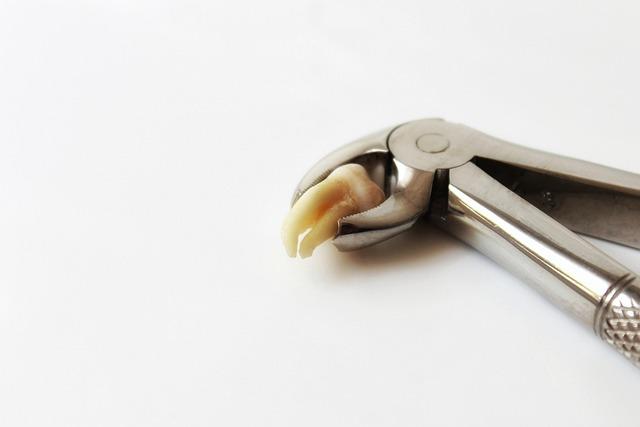
When it comes to tooth extraction, dentists have a few common procedures they use to safely remove a tooth from its socket. One of the most traditional methods is a simple extraction, typically used for teeth that are visible in the mouth. During this procedure, the dentist numbs the area around the tooth with local anesthesia before using forceps to loosen and remove the tooth.
For more complex cases, such as impacted or broken teeth, dentists may opt for a surgical extraction. This procedure involves making a small incision in the gum to access the tooth. In some cases, the tooth may need to be broken into pieces before it can be removed. Dentists often use surgical extractions for wisdom teeth removal.
Another common technique used by dentists for tooth extraction is called a socket preservation. This procedure involves filling the empty socket with a bone graft material to help maintain the shape of the jawbone and prevent bone loss. Socket preservation is often recommended when a patient plans to get a dental implant in the future.
Overall, whether it’s a simple extraction, surgical extraction, or socket preservation, dentists have a variety of techniques at their disposal to safely and effectively remove teeth when necessary.

Benefits and risks of tooth extraction by a general dentist
The benefits of tooth extraction by a general dentist can include:
- Relief from pain and discomfort caused by a severely damaged or infected tooth
- Prevention of the spread of infection to surrounding teeth and gums
- Creation of space for orthodontic treatment or dentures
- Improvement in overall oral health and hygiene
However, there are also risks associated with tooth extraction, such as:
- Possible damage to surrounding teeth or nerves
- Risk of infection if proper post-operative care is not followed
- Potential for dry socket or delayed healing if the extraction site is not properly cared for
- Changes in bite or jaw alignment in some cases
It is important to consult with your general dentist to determine if tooth extraction is the best option for your specific dental needs. With proper guidance and care, the benefits of tooth extraction can outweigh the potential risks.
Post-extraction care: what to expect after having a tooth pulled
After having a tooth pulled, it is important to follow proper post-extraction care to ensure a smooth recovery process. Here are some common practices and what to expect:
**Immediate post-extraction care:**
– Bite down on gauze for about 30-45 minutes to control bleeding.
– Avoid spitting or rinsing vigorously to prevent dislodging the blood clot.
– Take prescribed pain medication as directed by your dentist.
**What to expect in the first 24 hours:**
– Some bleeding and swelling are normal.
– You may experience mild to moderate pain or discomfort.
– Avoid drinking through a straw, smoking, or eating hard foods.
**After the first 24 hours:**
– Rinse your mouth gently with warm salt water to reduce swelling and aid in healing.
– Eat soft foods and avoid sticky or crunchy foods.
– Continue to take any prescribed medication as needed for pain relief.
**Follow-up visit with your dentist:**
– Your dentist will schedule a follow-up appointment to ensure proper healing.
- They may provide further instructions for care and discuss any concerns you may have.
– Be sure to follow their guidelines for a successful recovery process.
It is important to closely follow your dentist’s instructions and contact them if you experience excessive bleeding, severe pain, or any other unusual symptoms after having a tooth pulled. Remember, proper care and attention will help ensure a smooth and speedy recovery.
When to seek out a specialist for tooth extraction procedures
In most cases, regular dentists are able to perform routine tooth extractions. This includes simple extractions where the tooth is visible and can be easily removed. However, there are certain situations where it is recommended to seek out a specialist for tooth extraction procedures. Here are some instances when you may need to see a specialist:
- If the tooth is impacted, meaning it is stuck below the gum line
- If the extraction requires surgical intervention, such as cutting into the gum or bone
- If the extraction is complex, such as removing multiple teeth at once
Specialists, such as oral surgeons, have advanced training and experience in performing more complicated extractions. They also have access to specialized tools and equipment to ensure the procedure is done safely and effectively. If you are unsure whether you need to see a specialist for your tooth extraction, don’t hesitate to consult with your regular dentist for a referral. Your dental health is important, and it’s always best to seek out the most qualified professional for your specific needs.
Tips for choosing a dentist for tooth extraction
When it comes to choosing a dentist for tooth extraction, there are a few important factors to consider to ensure you are in good hands. Here are some tips to help you make the right decision:
– **Experience**: Look for a dentist who has ample experience with tooth extractions. Ask about their training and how many extractions they have performed in the past.
– **Specialization**: While regular dentists can perform tooth extractions, some cases may require the expertise of an oral surgeon. Consider the complexity of your case and whether a specialist may be necessary.
– **Patient reviews**: Take the time to read reviews from other patients to get a sense of the dentist’s bedside manner, skill, and overall satisfaction with the tooth extraction procedure.
– **Cost and insurance**: Before scheduling an appointment, inquire about the cost of the extraction and whether your insurance will cover it. Make sure to discuss payment options and any potential additional fees upfront.
Remember, choosing the right dentist for your tooth extraction is crucial for a successful and smooth procedure. By taking these tips into consideration, you can feel confident in your decision and ensure you are in good hands throughout the process.
Cost considerations for tooth extraction by a general dentist
When it comes to tooth extractions, many people wonder if regular dentists are capable of performing this procedure. The answer is yes, general dentists are trained to perform tooth extractions as part of their practice. They can handle routine extractions of teeth that are visible in the mouth, such as damaged or decayed teeth.
It’s essential to consider the cost of tooth extraction by a general dentist. The total cost will depend on various factors, including the complexity of the extraction, the location of the tooth, the need for sedation or anesthesia, and any post-operative care required. Some general dentists may have set fees for extractions, while others may charge based on the complexity of the procedure.
Here are some cost considerations to keep in mind when thinking about getting a tooth removed by a general dentist:
- The complexity of the extraction
- The location of the tooth in the mouth
- The need for sedation or anesthesia
- Any post-operative care required
The Conclusion
In conclusion, regular dentists do indeed perform tooth extractions as a common practice. While general dentists typically focus on preventative care and oral health maintenance, they are also trained to handle tooth extractions when necessary. Whether it’s due to decay, infection, overcrowding, or other issues, your dentist has the expertise to safely and effectively remove problem teeth. Remember to always communicate openly with your dentist about any concerns or questions you may have about the procedure. Trust in your dentist’s expertise and rest assured that you are in good hands for any necessary extractions. Take care of your oral health and schedule regular check-ups to prevent the need for tooth extractions in the future. Your smile is worth it!
Get our latest guides, news, and insights highlighted in your Google Search & AI Overviews.