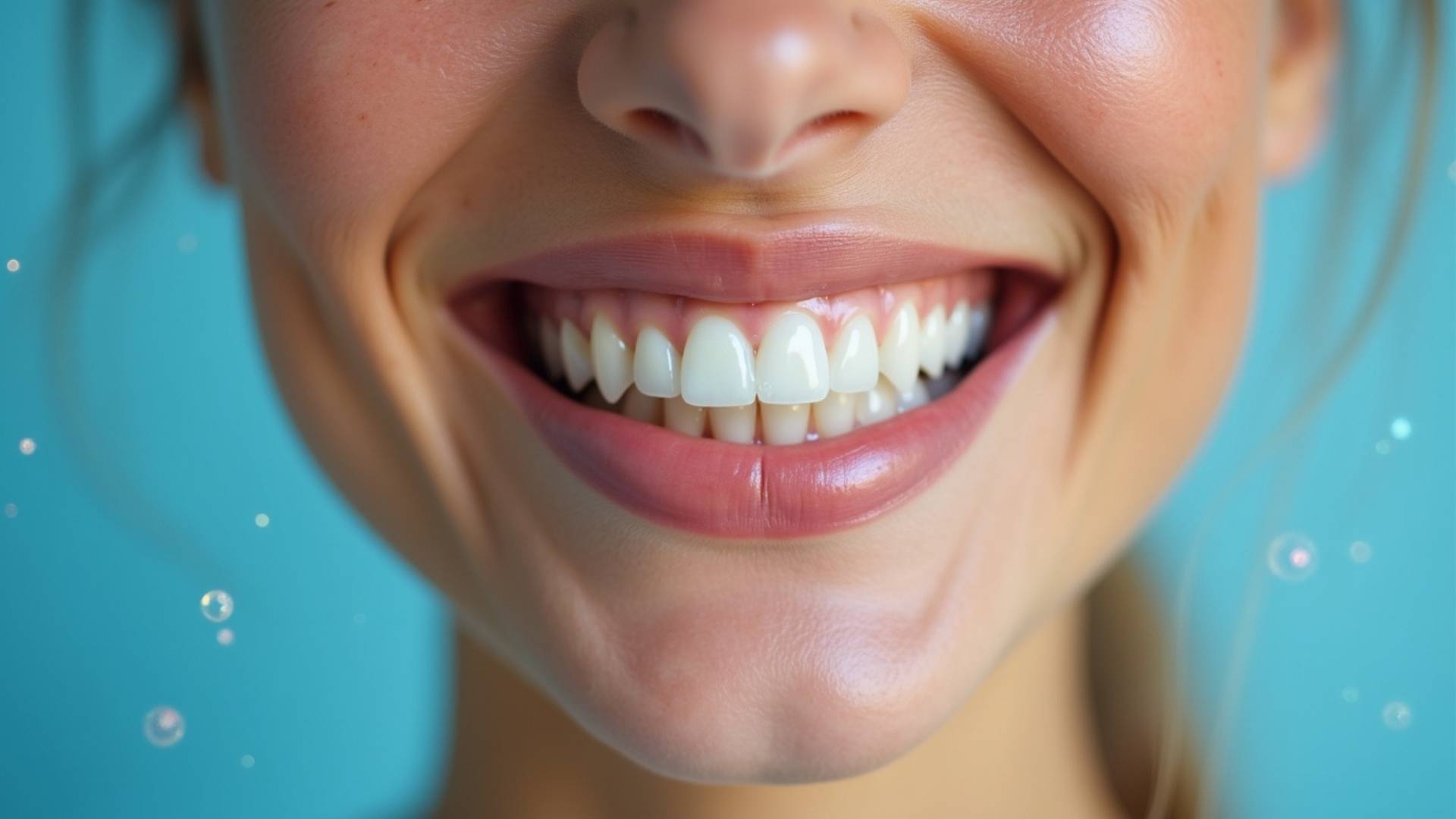
DIY Tooth Decay Removal: Home Dental Care Tips
Do you cringe at the thought of a visit to the dentist? If so, you’re not alone. But what if we told you that there are ways to take care of your teeth at home and prevent tooth decay without setting foot in a dental clinic? In this article, we’ll explore some DIY tooth decay removal techniques and provide you with practical home dental care tips to keep your smile bright and healthy. Get ready to say goodbye to cavities – without the fear of the dentist’s chair!
Contents
- How to Safely Remove Plaque at Home
- Understanding the Causes of Tooth Decay
- The Importance of Proper Brushing Techniques
- Tips for Choosing the Right Toothpaste and Mouthwash
- Natural Remedies for Fighting Tooth Decay
- The Benefits of Flossing Regularly
- Preventative Measures to Avoid Cavities
- DIY Tooth Decay Removal: Home Dental Care Tips
- The Role of Diet in Dental Health
- Potential Risks of DIY Tooth Decay Removal
- Consulting with a Professional Dentist for Effective Treatment
- Key Takeaways
How to Safely Remove Plaque at Home
Removing plaque at home is an important part of maintaining good oral hygiene and preventing tooth decay. Here are some DIY dental care tips to help you safely remove plaque:
- Brushing: Use a soft-bristled toothbrush and fluoride toothpaste to brush your teeth twice a day for at least two minutes each time. Make sure to brush all surfaces of your teeth, including the front, back, and chewing surfaces.
- Flossing: Flossing is essential for removing plaque and food particles from between your teeth. Be gentle when flossing to avoid damaging your gums.
- Mouthwash: Rinse with an antimicrobial mouthwash to help kill bacteria and freshen your breath. Look for a mouthwash that is alcohol-free to avoid drying out your mouth.
| DIY Dental Care Tips | Benefits |
|---|---|
| Brushing | Removes plaque and food particles from the surface of teeth |
| Flossing | Removes plaque and food particles from between teeth |
| Mouthwash | Kills bacteria and freshens breath |

Understanding the Causes of Tooth Decay
When it comes to , it’s important to be aware of the main culprits that can lead to this common dental issue. Poor oral hygiene is one of the primary factors that can contribute to the development of tooth decay. Not brushing and flossing regularly can allow plaque to build up on your teeth, leading to the erosion of enamel and the formation of cavities.
Another key cause of tooth decay is a diet high in sugar and carbohydrates. These substances feed the bacteria in your mouth, which then produce acids that can wear down your tooth enamel. To prevent tooth decay, it’s essential to limit your intake of sugary foods and beverages, and opt for healthier alternatives instead.
Furthermore, lack of regular dental check-ups and cleanings can also play a role in the development of tooth decay. It’s important to visit your dentist at least twice a year for professional cleanings and exams to catch any signs of decay early on and prevent further damage to your teeth.

The Importance of Proper Brushing Techniques
Proper brushing techniques are essential for maintaining good oral health and preventing tooth decay. Many people underestimate the importance of brushing their teeth correctly, but it can make a significant difference in the long term. By following the right techniques, you can effectively remove plaque and bacteria, which are the main culprits behind cavities and gum disease.
One crucial aspect of proper brushing is using the right toothbrush. It should have soft bristles to avoid damaging your gums and enamel. Additionally, make sure to brush at least twice a day for two minutes each time. Brushing too hard or too frequently can do more harm than good, so be gentle yet thorough during each session.
Another tip for effective brushing is to use the right technique. Hold your toothbrush at a 45-degree angle to your gums and use small circular motions to clean every surface of your teeth. Don’t forget to brush the back of your teeth and your tongue as well to remove bacteria and freshen your breath.
Lastly, don’t underestimate the power of flossing and mouthwash. These additional steps can further clean hard-to-reach areas between your teeth and kill bacteria that brushing alone might miss. By incorporating these practices into your daily routine, you can DIY tooth decay removal and maintain a healthy, happy smile.

Tips for Choosing the Right Toothpaste and Mouthwash
When it comes to maintaining good oral hygiene, choosing the right toothpaste and mouthwash is essential. With so many options on the market, it can be overwhelming to know which products are best for your teeth and gums. To help you make an informed decision, here are some :
- Consider your specific needs: Are you looking to whiten your teeth, prevent cavities, or freshen your breath? Different toothpastes and mouthwashes are formulated to target specific dental concerns, so it’s important to choose products that align with your goals.
- Check the ingredients: Look for fluoride in toothpaste to help strengthen enamel and prevent tooth decay. Avoid mouthwashes that contain alcohol, as it can dry out your mouth and worsen bad breath.
- Avoid artificial flavors and colors: Opt for natural toothpaste and mouthwash options that are free of artificial additives, which can be harsh on your teeth and gums.
- Consult your dentist: If you’re unsure about which products are best for your oral health, don’t hesitate to ask your dentist for recommendations. They can provide personalized advice based on your unique needs.

Natural Remedies for Fighting Tooth Decay
When it comes to maintaining good oral health, preventing tooth decay is key. Luckily, there are natural remedies you can use at home to help fight tooth decay and keep your smile healthy. Here are some DIY dental care tips to incorporate into your daily routine:
- Oil Pulling: Swishing coconut or sesame oil in your mouth for 20 minutes can help remove bacteria and promote healthy teeth and gums.
- Fluoride-Free Toothpaste: Opt for a natural toothpaste that is free of harmful chemicals like fluoride, which can actually contribute to tooth decay.
- Proper Nutrition: Eating a balanced diet rich in vitamins and minerals, and low in sugar, can help prevent cavities and keep your teeth strong.
Additionally, regular dental check-ups and cleanings are essential for maintaining good oral health. By incorporating these natural remedies into your daily routine, you can help fight tooth decay and keep your smile bright and healthy.

The Benefits of Flossing Regularly
Regular flossing is a key component of maintaining good oral hygiene. While brushing your teeth removes plaque and bacteria from the surface, flossing goes a step further by cleaning the spaces between your teeth where your toothbrush can’t reach. By incorporating flossing into your daily routine, you can experience the following benefits:
- Prevents Tooth Decay: Flossing helps to remove food particles and plaque that can lead to cavities if left unchecked.
- Prevents Gum Disease: By removing plaque and bacteria from between your teeth, regular flossing can help prevent gum disease.
- Freshens Breath: Flossing helps to remove food particles that can cause bad breath, leaving your mouth feeling fresh and clean.
| Benefit | Description |
|---|---|
| Prevents Tooth Decay | Removes food particles and plaque to prevent cavities. |
| Prevents Gum Disease | Helps prevent gum disease by removing bacteria. |

Preventative Measures to Avoid Cavities
DIY Tooth Decay Removal: Home Dental Care Tips
Preventative measures are crucial in avoiding cavities and maintaining good oral health. Here are some simple yet effective tips to help you keep tooth decay at bay:
- Brush your teeth at least twice a day with fluoride toothpaste.
- Floss daily to remove plaque and debris between your teeth.
- Limit sugary and acidic foods and drinks, as they can contribute to tooth decay.
- Visit your dentist regularly for check-ups and professional cleanings.
Additionally, incorporating a few lifestyle changes can also help in preventing cavities. Drinking plenty of water, eating a balanced diet rich in vitamins and minerals, and quitting smoking can all have a positive impact on your oral health.
| Home Dental Care Tips | Frequency |
|---|---|
| Brushing | Twice a day |
| Flossing | Daily |
| Limiting sugary foods | Regularly |

The Role of Diet in Dental Health
Maintaining a healthy diet plays a crucial role in ensuring optimal dental health. By providing essential nutrients and vitamins to the body, a balanced diet helps strengthen teeth and gums, making them less susceptible to decay and other dental issues. Including foods rich in calcium, such as dairy products and leafy greens, can promote strong teeth, while vitamin C-rich fruits and vegetables can boost gum health.
In addition to incorporating beneficial foods into your diet, it is equally important to limit the consumption of sugary and acidic foods and beverages. These substances can erode enamel, leading to tooth decay and cavities. By reducing the intake of candies, sodas, and other acidic products, you can protect your teeth from harmful acids that can wear them down over time.
Practicing good oral hygiene habits at home is also essential for maintaining dental health. Brushing teeth at least twice a day, flossing regularly, and using mouthwash can help remove plaque and bacteria that can lead to tooth decay. Visiting your dentist for regular check-ups and cleanings is another important step in preventing dental issues and maintaining a healthy smile. By following these tips and making smart dietary choices, you can take control of your oral health and enjoy a lifetime of healthy teeth and gums.
Potential Risks of DIY Tooth Decay Removal
When it comes to DIY tooth decay removal, there are several potential risks that individuals should be aware of before attempting any home dental care treatments. While it may be tempting to try and save money by avoiding a trip to the dentist, there are some dangers associated with trying to remove tooth decay on your own. Here are some key risks to consider:
- Damage to Surrounding Teeth: Without the proper tools and expertise, attempting to remove tooth decay at home can lead to unintentional damage to surrounding teeth.
- Incomplete Removal: DIY methods may not fully remove all of the decay, leading to further complications down the road.
- Infection Risk: Improper removal of tooth decay can increase the risk of infection, which can spread to other parts of the body if not treated promptly.

Consulting with a Professional Dentist for Effective Treatment
When it comes to maintaining good oral health, consulting with a professional dentist is essential for effective treatment. While there are home dental care tips that can help prevent tooth decay, it is important to seek the expertise of a dentist for proper diagnosis and treatment.
One of the most common home dental care tips is to brush your teeth twice a day with a fluoride toothpaste. This helps to remove plaque and prevent cavities. Additionally, flossing daily can help remove food particles and bacteria from between teeth, reducing the risk of decay. Another important tip is to avoid sugary and acidic foods, as these can contribute to tooth decay.
Despite these preventive measures, it is still important to visit a dentist regularly for professional cleanings and check-ups. A professional dentist can identify early signs of decay or other dental issues that may not be noticeable to the untrained eye. They can also provide treatments such as fillings, sealants, and fluoride treatments to help protect against decay.
Key Takeaways
In conclusion, taking care of your dental health is essential for maintaining a bright smile and preventing tooth decay. By following these DIY tooth decay removal tips, you can improve your oral hygiene and keep your teeth healthy between visits to the dentist. Remember to brush and floss daily, limit sugary snacks, and incorporate fluoride products into your routine. With a little extra care and attention, you can achieve a healthier smile and enjoy better overall oral health. So, don’t delay—start implementing these home dental care tips today for a happier, healthier mouth. Your teeth will thank you!
Get our latest guides, news, and insights highlighted in your Google Search & AI Overviews.