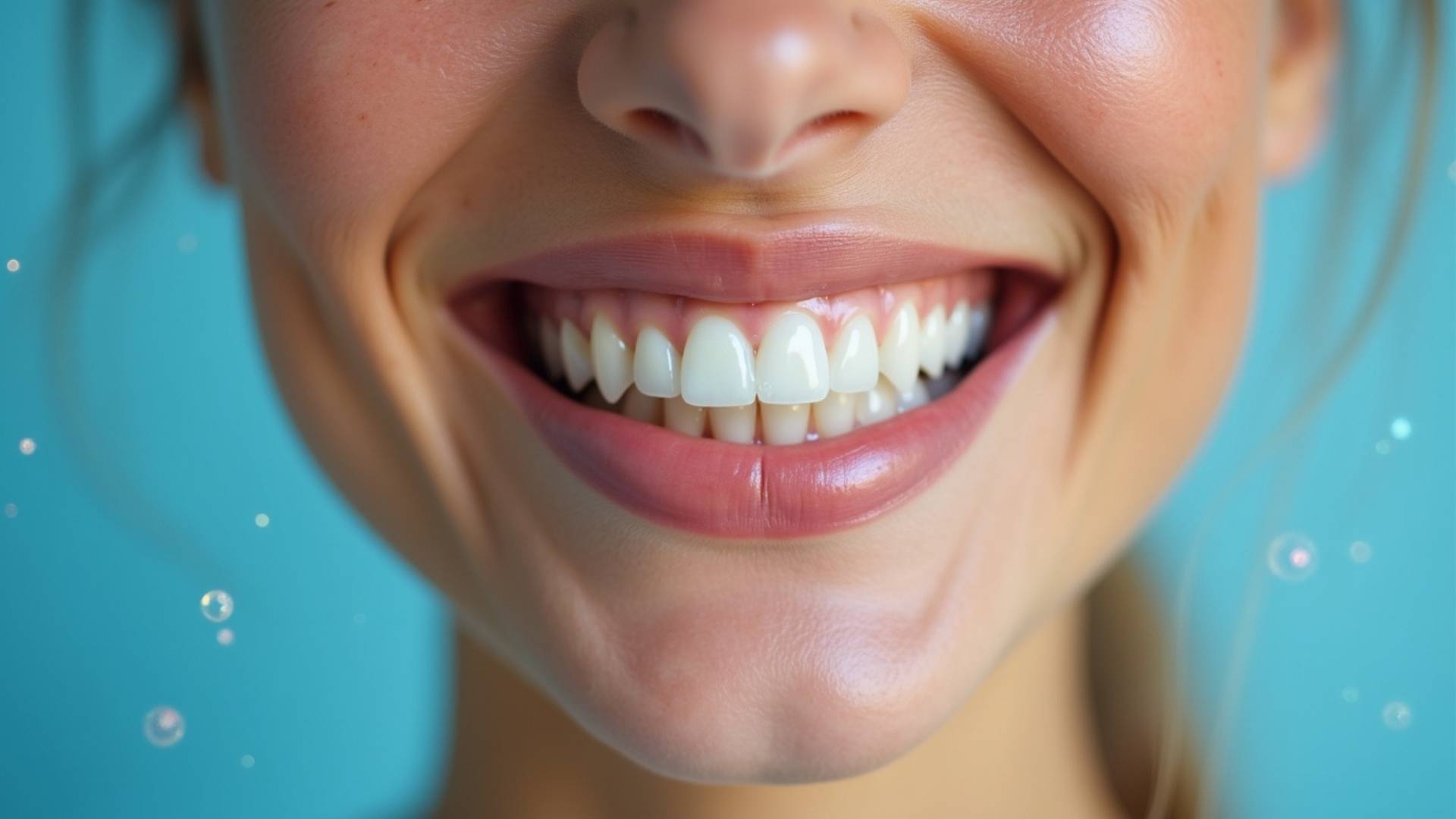
Crown Removed from Tooth: Dental Restoration Process
A missing crown can quickly become a royal pain, leaving you with a less than regal smile. But fear not, as we delve into the art of dental restoration process in our latest article. From the initial examination to the final placement, we’ll guide you through the steps to ensure your tooth is once again fit for a king. So sit back, relax, and let us polish up that pearly white crown!
Contents
- Common Reasons for a Crown Removal: Understanding the Basics
- Preparation for Crown Removal: What to Expect at the Dental Office
- The Removal Process: Step-by-Step Guide to Restoring Your Tooth
- Protecting Your Tooth Post-Removal: Proper Care and Maintenance Tips
- Options for Dental Restoration: Choosing the Right Treatment Plan
- Consulting with Your Dentist: Personalized Recommendations for Your Case
- Benefits of Timely Crown Removal: Preventing Further Damage to Your Tooth
- Potential Risks and Complications: What to Watch Out for After Removal
- Long-term Success: Ensuring the Durability of Your Restored Tooth
- In Summary
Common Reasons for a Crown Removal: Understanding the Basics
Having a crown removed from a tooth is a common dental procedure that may be necessary for a variety of reasons. Understanding why a crown may need to be removed can help you better care for your dental health. Here are some common reasons for crown removal:
- Tooth decay: If decay has developed under the crown, it may need to be removed in order to treat the decay and protect the tooth.
- Damage: Crowns can become damaged over time due to wear and tear, grinding, or accidents. In some cases, a damaged crown may need to be removed and replaced.
- Improper fit: If a crown does not fit properly, it can cause discomfort, gum irritation, or other issues that may require removal.
It is important to consult with your dentist if you are experiencing any of these issues or if you suspect that your crown may need to be removed. Your dentist will be able to assess the situation and recommend the best course of action to restore your dental health.

Preparation for Crown Removal: What to Expect at the Dental Office
When it comes to having a crown removed from a tooth, it is essential to understand the process and what to expect during your visit to the dental office. Here is a detailed overview of the steps involved in the dental restoration process:
- Anesthetic Application: Before the crown removal procedure begins, your dentist will apply a local anesthetic to numb the area around the tooth. This ensures that you do not experience any pain during the process.
- Crown Removal: Once the area is numb, your dentist will carefully remove the crown from your tooth using specialized dental tools. The crown may be cemented or bonded to the tooth, so the removal process needs to be done with precision to avoid any damage.
- Tooth Examination: After the crown is removed, your dentist will examine the underlying tooth to assess its condition. This helps determine if any additional treatment or restoration is needed before a new crown can be placed.
Overall, the preparation for crown removal involves a series of steps to ensure the process is done smoothly and efficiently. By knowing what to expect at the dental office, you can feel more confident and knowledgeable about the restoration process for your tooth.

The Removal Process: Step-by-Step Guide to Restoring Your Tooth
When it comes to restoring your tooth after a crown has been removed, it’s important to follow a step-by-step guide to ensure the process goes smoothly. First and foremost, make sure to schedule an appointment with your dentist to discuss the removal process and determine the best course of action for your specific situation.
Once you’re in the dentist’s chair, the removal process will typically involve the following steps:
- Evaluation: Your dentist will evaluate the condition of your tooth and the crown to determine the best approach for removal.
- Anesthesia: Local anesthesia may be used to numb the area around the tooth to minimize any discomfort during the removal process.
- Removal: Using specialized tools, your dentist will carefully remove the crown from your tooth, taking care not to damage the underlying tooth structure.
- Cleaning and Preparing: Once the crown is removed, your dentist will clean and prepare the tooth for a new restoration, such as a new crown or filling.

Protecting Your Tooth Post-Removal: Proper Care and Maintenance Tips
After having a crown removed from your tooth, it is crucial to properly care for the site to ensure proper healing and maintenance. Following these tips will help protect your tooth post-removal:
- Keep the area clean: Gently brush your teeth around the extraction site to prevent infection and promote healing.
- Avoid hard foods: Stick to soft foods to avoid putting pressure on the extraction site and causing discomfort.
- Follow your dentist’s instructions: Your dentist will provide specific care instructions tailored to your individual needs, so be sure to follow them closely.
| Tip | Description |
|---|---|
| Keep the area clean | Gently brush your teeth around the extraction site to prevent infection and promote healing. |
| Avoid hard foods | Stick to soft foods to avoid putting pressure on the extraction site and causing discomfort. |
| Follow your dentist’s instructions | Your dentist will provide specific care instructions tailored to your individual needs, so be sure to follow them closely. |

Options for Dental Restoration: Choosing the Right Treatment Plan
When it comes to dental restoration, there are a variety of treatment options to consider. One common procedure is having a crown removed from a tooth. This process involves carefully removing the existing crown and replacing it with a new one to restore the tooth’s function and appearance.
Choosing the right treatment plan for replacing a crown involves considering factors such as the condition of the tooth, the patient’s oral health, and their aesthetic goals. Some options for dental restoration include:
- Dental Implants: A popular choice for replacing missing teeth, dental implants involve surgically placing a titanium screw into the jawbone to support a crown.
- Dental Bridges: Bridges are used to replace one or more missing teeth by anchoring artificial teeth to adjacent natural teeth or dental implants.
- Porcelain Crowns: Crowns made of porcelain are a durable and natural-looking option for restoring a damaged tooth.
| Option | Pros | Cons |
|---|---|---|
| Dental Implants | Durable, long-lasting | Requires surgery |
| Dental Bridges | Non-invasive procedure | Dependent on adjacent teeth |
| Porcelain Crowns | Natural-looking appearance | More prone to chipping or cracking |

Consulting with Your Dentist: Personalized Recommendations for Your Case
When a crown is removed from a tooth, it’s important to understand the dental restoration process that follows. Consulting with your dentist will provide you with personalized recommendations for your specific case, ensuring the best outcome for your oral health.
During your consultation, your dentist will evaluate the condition of the tooth and discuss the options available for restoring it. This may include replacing the crown, performing a root canal, or exploring other treatment options.
Based on your dentist’s recommendations, you can make an informed decision on the best course of action for your dental health. Remember, every case is unique, and what works for one person may not be the best option for another.
Trust in your dentist’s expertise and follow their advice to ensure the successful restoration of your tooth. By working together, you can achieve optimal oral health and a beautiful smile.
Benefits of Timely Crown Removal: Preventing Further Damage to Your Tooth
When it comes to dental restorations, timely crown removal is crucial to preventing further damage to your tooth. While dental crowns are designed to protect and strengthen your tooth, they can also cause complications if left in place for too long. Here are the key benefits of removing a crown in a timely manner:
- Prevents decay: If a crown is damaged or ill-fitting, it can create a breeding ground for bacteria, leading to decay underneath the crown.
- Preserves tooth structure: Timely removal of a damaged crown can prevent the need for more extensive procedures, such as root canals or extractions.
- Restores functionality: Removing a problematic crown allows your dentist to assess the underlying tooth and restore its function with a new crown or alternative treatment.
| Issue | Solution |
| Decay under the crown | Timely removal and treatment |
| Poor fit or damage | Replacement or alternative treatment |
Potential Risks and Complications: What to Watch Out for After Removal
In the days following the removal of a dental crown, it is crucial to be aware of potential risks and complications that may arise. While the procedure is generally safe, there are a few things to watch out for to ensure a smooth dental restoration process.
1. **Tooth Sensitivity:** It is common to experience some level of tooth sensitivity after a crown removal. This sensitivity should subside within a few days, but if it persists or worsens, it is important to contact your dentist.
2. **Infection:** Although rare, there is a risk of infection following a crown removal. Watch out for signs of swelling, excessive pain, or discharge around the treated tooth, as these could indicate an infection that requires prompt attention.
3. **Damage to Adjacent Teeth:** During the removal process, there is a small risk of damage to the surrounding teeth or gums. If you notice any sharp edges or discomfort near the treated area, contact your dentist immediately.
It is essential to follow your dentist’s post-removal care instructions closely to minimize the risk of complications and ensure a successful dental restoration process. If you experience any unusual symptoms or have concerns about your recovery, do not hesitate to seek professional guidance.
Long-term Success: Ensuring the Durability of Your Restored Tooth
When it comes to ensuring the long-term success of a restored tooth, there are several key factors to consider. One of the most important aspects is the durability of the dental restoration itself. Whether you have had a crown removed from your tooth or are in the process of getting a new restoration, it is crucial to take the necessary steps to maintain the durability of your tooth for years to come.
One of the best ways to ensure the durability of your restored tooth is to follow proper oral hygiene practices. This includes brushing and flossing regularly, as well as attending regular dental check-ups and cleanings. By keeping your teeth and gums healthy, you can help prevent the need for additional dental work in the future.
Another important factor in maintaining the durability of your restored tooth is to avoid habits that can be damaging to your teeth, such as biting on hard objects or using your teeth as tools. Additionally, it is important to avoid foods and drinks that can stain or weaken your dental restoration, such as coffee, tea, and sugary snacks.
By taking the time to care for your restored tooth properly and avoiding habits that can be damaging, you can help ensure the long-term success and durability of your dental restoration. Remember, your dental health is an investment, and by taking care of your teeth, you can enjoy a healthy smile for years to come.
In Summary
In conclusion, the process of getting a crown removed from a tooth may seem daunting, but with the right dental professionals by your side, it can be a smooth and painless experience. Remember to always follow your dentist’s instructions and maintain good oral hygiene to ensure a successful restoration process.
Key takeaways from this article include the importance of proper dental maintenance, the steps involved in crown removal, and the importance of seeking professional help when dealing with dental issues. By keeping these points in mind, you can confidently take control of your dental health and maintain a beautiful smile for years to come.
Thank you for reading, and we wish you the best of luck on your dental restoration journey!
Get our latest guides, news, and insights highlighted in your Google Search & AI Overviews.