Can You Eat After Having Wisdom Teeth Pulled? Must-Know Facts
If you’ve recently had your wisdom teeth removed, chances are you’re wondering when you can safely dig into your favorite foods again. The post-extraction period can be a bit confusing, with plenty of conflicting advice floating around. But fear not – we’re here to set the record straight. In this article, we’ll delve into the must-know facts about eating after getting your wisdom teeth pulled. So sit back, relax, and prepare to arm yourself with all the information you need to navigate this post-surgery phase with ease. Let’s get started!
Contents
- – Overview of the Recovery Process After Wisdom Teeth Extraction
- – Importance of Following Post-Operative Instructions from Your Dentist
- – Potential Risks and Complications of Eating Too Soon After Surgery
- – Soft Foods and Liquids to Consider During the Initial Healing Period
- – Tips for Managing Pain and Swelling While Nourishing Your Body
- – Signs That Indicate You’re Ready to Gradually Resume Normal Eating Habits
- Signs That Indicate You’re Ready to Gradually Resume Normal Eating Habits
- – The Role of Proper Oral Hygiene in Promoting Healing and Preventing Infections
- – Special Considerations for Individuals with Specific Dietary Restrictions or Allergies
- – Common Mistakes to Avoid When Reintroducing Solid Foods After Wisdom Teeth Removal
- Insights and Conclusions
– Overview of the Recovery Process After Wisdom Teeth Extraction
After having your wisdom teeth pulled, it is essential to follow a proper recovery process to ensure smooth healing and minimize discomfort. Here are some important things to know about the recovery process:
- Bleeding: It is normal to experience some bleeding after the extraction. Gently biting down on a gauze pad can help control the bleeding. Make sure to change the gauze pad every hour or as needed.
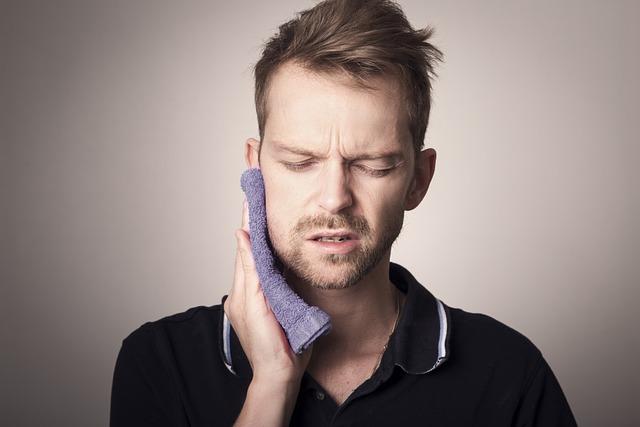
- Swelling: Swelling is also common after wisdom teeth extraction. Applying an ice pack to the cheeks for 20 minutes on, 20 minutes off can help reduce swelling.
- Pain Management: Your dentist may prescribe pain medications to help manage any discomfort. It is important to follow the dosage instructions and avoid taking non-prescription painkillers that may increase the risk of bleeding.
| Food to Avoid | Food to Eat |
|---|---|
| Hard, crunchy foods | Soft foods like mashed potatoes, yogurt, and soup |
| Spicy or acidic foods | Smoothies, scrambled eggs, and ice cream |
Remember to stay hydrated and follow your dentist’s post-operative care instructions for a faster recovery. If you have any concerns or experience prolonged bleeding or severe pain, contact your dentist immediately.

– Importance of Following Post-Operative Instructions from Your Dentist
After getting your wisdom teeth pulled, it is crucial to follow the post-operative instructions provided by your dentist. These instructions are designed to promote proper healing and prevent complications. Ignoring or not following these instructions can lead to delayed healing, infection, and other issues.
One of the most common questions patients have after getting their wisdom teeth pulled is, “Can I eat?” The answer to this question is yes, but there are important considerations to keep in mind. Here are some must-know facts about eating after having your wisdom teeth pulled:
- Soft Foods: Stick to soft foods that require minimal chewing, such as yogurt, mashed potatoes, soup, and smoothies. Avoid hard or crunchy foods that can irritate the extraction sites.
- Avoid Straws: Do not use straws when drinking, as the suction can dislodge blood clots and impede the healing process.
- Stay Hydrated: Drink plenty of water to stay hydrated and aid in the healing process.
| Food to Eat | Food to Avoid |
|---|---|
| Applesauce | Popcorn |
| Mashed Potatoes | Chips |
| Ice Cream | Pretzels |
– Potential Risks and Complications of Eating Too Soon After Surgery
After surgery, it’s crucial to follow your doctor’s guidelines on when to resume eating. Eating too soon after surgery, particularly after having wisdom teeth pulled, can pose several risks and complications that could hinder your recovery process. Here are some potential risks and complications of eating too soon after surgery:
– **Increased risk of infection:** Consuming food too soon after surgery can introduce bacteria into the wound site, increasing the risk of infection.
– **Delayed healing:** Chewing food can disrupt the blood clot that forms at the surgical site, leading to delayed healing and potentially causing dry socket.
– **Pain and discomfort:** Eating too soon after surgery can cause pain and discomfort, as the surgical site may still be tender and sensitive.
– **Nausea and vomiting:** Your stomach may not be ready to handle solid food so soon after surgery, leading to nausea and vomiting.
It’s important to follow your doctor’s recommendations on when it is safe to start eating solid foods after surgery to avoid these potential risks and complications. It’s best to stick to a soft or liquid diet until you receive the green light from your healthcare provider.
– Soft Foods and Liquids to Consider During the Initial Healing Period
After having your wisdom teeth pulled, it’s essential to stick to a soft foods and liquids diet during the initial healing period. This will help prevent any complications and promote quicker healing. Here are some options to consider:
- Applesauce: A smooth and easy-to-eat option that requires minimal chewing.
- Yogurt: Provides a good source of protein and is gentle on the mouth.
- Smoothies: A great way to get essential nutrients while avoiding solid foods.
- Mashed Potatoes: Comforting and easy to eat without causing any discomfort.
Remember to avoid hot foods and drinks, as well as foods that are too spicy or acidic, as they can irritate the extraction site. It’s important to listen to your body and gradually reintroduce solid foods once you start feeling more comfortable.

– Tips for Managing Pain and Swelling While Nourishing Your Body
After having your wisdom teeth pulled, it is essential to take care of yourself properly to manage pain and swelling while nourishing your body. Here are some tips to help you navigate this post-surgery period:
- Stay Hydrated: Drink plenty of water to stay hydrated and aid in the healing process.
- Stick to Soft Foods: Opt for easy-to-eat, soft foods like yogurt, mashed potatoes, smoothies, and soups. Avoid hard, crunchy, or sticky foods that may irritate your extraction sites.
- Use Ice Packs: Apply ice packs to your cheeks to reduce swelling and numb the pain. Be sure to use a cloth barrier to protect your skin from direct contact with the ice.
- Follow Your Dentist’s Instructions: It is crucial to follow any post-operative care instructions given by your dentist or oral surgeon to ensure proper healing.
By following these tips and taking care of yourself, you can help manage pain and swelling while nourishing your body after having your wisdom teeth pulled.

– Signs That Indicate You’re Ready to Gradually Resume Normal Eating Habits
Signs That Indicate You’re Ready to Gradually Resume Normal Eating Habits
After having your wisdom teeth pulled, it’s important to take some time to heal before you resume your normal eating habits. However, there are some signs that indicate you’re ready to start incorporating solid foods back into your diet. Here are a few things to look out for:
- Decreased Pain: If you’re experiencing less pain and discomfort in your mouth, it may be a sign that your gums are healing and you can begin to slowly introduce firmer foods.
- Improved Swelling: Swelling in your cheeks and jaw should begin to decrease as your body heals. Once the swelling goes down, you may find it easier to chew and eat more solid foods.
- Increased Appetite: If you’re starting to feel hungrier and have a stronger desire to eat, it may be a signal that your body is ready for a wider variety of foods.
- Ability to Chew: As your mouth heals, you may find that you’re able to chew more comfortably without pain or difficulty. This could indicate that it’s time to transition back to a more regular diet.

– The Role of Proper Oral Hygiene in Promoting Healing and Preventing Infections
After having your wisdom teeth pulled, it is essential to take proper care of your oral health to promote healing and prevent infections. Maintaining good oral hygiene during this time is crucial for a smooth recovery process. Proper oral hygiene practices can help reduce the risk of complications such as dry socket and infection.
One common question that arises after wisdom teeth extraction is whether you can eat. While it is important to give your mouth time to heal, you can still eat soft foods that are easy to chew and swallow. Opt for foods like yogurt, mashed potatoes, soup, and smoothies to avoid putting too much pressure on your extraction sites.
Additionally, it is important to continue practicing good oral hygiene habits even after having your wisdom teeth pulled. This includes gently brushing your teeth, using an antimicrobial mouthwash, and avoiding foods that can irritate your extraction sites. By following these guidelines, you can promote healing and reduce the risk of infections.
Remember, proper oral hygiene plays a significant role in your overall health and well-being. Stay diligent in caring for your oral health, especially after undergoing a dental procedure like wisdom teeth extraction.

– Special Considerations for Individuals with Specific Dietary Restrictions or Allergies
Individuals with specific dietary restrictions or allergies may have some concerns about what they can eat after having their wisdom teeth pulled. It is essential to be mindful of your unique needs when planning your post-surgery meals. Here are some special considerations to keep in mind:
- Soft Foods: Stick to a diet of soft foods to avoid irritating your extraction sites. Opt for options like soup, mashed potatoes, yogurt, and smoothies.
- Avoid Crunchy or Spicy Foods: Steer clear of crunchy foods like chips or nuts, as well as spicy foods that may cause discomfort. These foods can also potentially disrupt the healing process.
- Dietary Restrictions: If you have specific dietary restrictions or allergies, be sure to carefully read ingredient labels and ask about menu options when dining out. It is crucial to prioritize your health and well-being during the recovery period.
For individuals with dietary restrictions or allergies, planning meals after wisdom teeth extraction may require extra consideration. By staying informed and making thoughtful choices, you can ensure a smooth recovery process and maintain your overall health and comfort. Don’t hesitate to consult with your healthcare provider or a nutritionist if you have any concerns or questions about your post-surgery diet.
– Common Mistakes to Avoid When Reintroducing Solid Foods After Wisdom Teeth Removal
When it comes to reintroducing solid foods after having your wisdom teeth removed, there are several common mistakes that you should avoid to ensure a smooth recovery process. Making the wrong food choices and not following post-operative care instructions can lead to complications such as infection, delayed healing, and discomfort. Here are some key points to keep in mind:
- Avoid hard and crunchy foods: Chewing on hard and crunchy foods can irritate the extraction sites and potentially dislodge blood clots, leading to a condition known as dry socket. Stick to soft and easy-to-chew foods such as yogurt, mashed potatoes, and smoothies.
- Stay away from spicy and acidic foods: Spicy and acidic foods can cause irritation and discomfort in the sensitive areas where your wisdom teeth used to be. Opt for bland and neutral-flavored foods to avoid any unnecessary pain.
- Don’t skip your pain medication: It’s important to follow your dentist’s instructions regarding pain medication to manage any discomfort you may experience after the procedure. Skipping doses or not taking medication as prescribed can result in unnecessary pain and delayed healing.
Insights and Conclusions
In conclusion, it’s important to follow your dentist’s post-operative guidelines after having wisdom teeth pulled. While you may experience discomfort or swelling, remain patient and stick to a soft-food diet to aid in your recovery. Remember to stay hydrated and avoid using straws to prevent complications. If you have any concerns or questions, don’t hesitate to contact your dental professional. By following these tips, you’ll be on the road to a speedy and comfortable recovery. Stay informed, take care of yourself, and happy healing!
Get our latest guides, news, and insights highlighted in your Google Search & AI Overviews.