Can a Dentist Pull Out a Wisdom Tooth? Procedure Explained!
Have you ever wondered if a dentist can actually pull out a wisdom tooth? The answer is a resounding yes! In this article, we will delve into the ins and outs of the procedure and explain everything you need to know about the extraction process. So sit back, relax, and let’s explore the world of wisdom tooth removal together!
Contents
- Can a Dentist Perform Wisdom Tooth Extraction?
- Understanding the Procedure for Extracting Wisdom Teeth
- Risks and Benefits of Having a Dentist Pull Out a Wisdom Tooth
- Anesthesia Options for Wisdom Tooth Extraction
- Recovery Process After Having a Wisdom Tooth Removed
- Factors to Consider Before Getting a Wisdom Tooth Extracted
- Tips for Preparing for Wisdom Tooth Extraction Surgery
- Common Myths About Wisdom Tooth Removal Debunked
- Importance of Following Aftercare Instructions Post-Extraction
- In Conclusion
Can a Dentist Perform Wisdom Tooth Extraction?
Yes, a dentist can indeed perform wisdom tooth extractions. This procedure is commonly done by dentists who have the necessary training and experience to safely remove these molars. While some complex cases may require the expertise of an oral surgeon, many routine extractions can be completed by a skilled dentist.
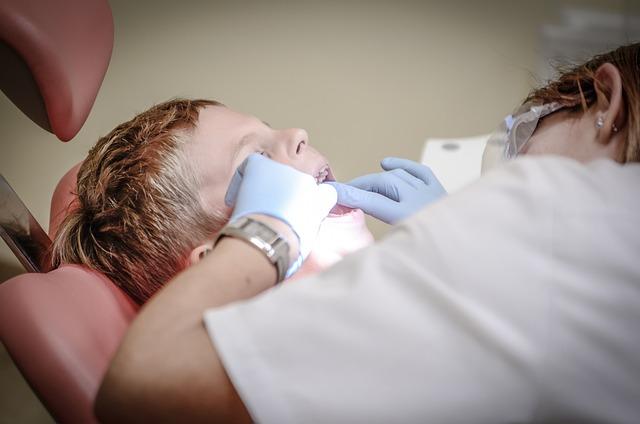
During the extraction process, the dentist will begin by numbing the area with a local anesthetic to ensure the patient is comfortable throughout the procedure. They will then use special tools to carefully loosen the tooth from its socket and remove it. In some cases, the tooth may need to be sectioned into smaller pieces for easier removal.
Following the extraction, the dentist will provide post-operative instructions to help the patient heal properly and minimize any potential complications. This may include guidelines on pain management, eating restrictions, and proper oral hygiene practices. It’s important for patients to follow these instructions closely to ensure a smooth recovery.

Understanding the Procedure for Extracting Wisdom Teeth
Extracting wisdom teeth is a common dental procedure that is typically performed by a dentist or oral surgeon. While it may sound daunting, the actual procedure is quite routine and straightforward. Here is an overview of what to expect during the extraction process:
- Anesthesia: Before the extraction begins, the dentist will administer local anesthesia to numb the area around the tooth. In some cases, sedation may also be used to help the patient relax.
- Tooth Extraction: Once the area is numbed, the dentist will carefully remove the wisdom tooth. This may involve cutting the tooth into smaller pieces to make extraction easier.
- Stitching: After the tooth has been removed, the dentist may need to stitch the wound to promote healing. These stitches are often dissolvable and will not need to be removed.
- Recovery: Following the procedure, it is important to follow the dentist’s post-operative care instructions to ensure proper healing. This may include taking pain medication, avoiding certain foods, and keeping the extraction site clean.
| Tooth Extraction | Stitching | Recovery |
|---|---|---|
| Gentle removal of the wisdom tooth. | Suturing of the wound for proper healing. | Follow post-operative care instructions for a swift recovery. |

Risks and Benefits of Having a Dentist Pull Out a Wisdom Tooth
Before deciding to have a wisdom tooth pulled out by a dentist, it’s crucial to understand both the risks and benefits associated with the procedure. Here’s a breakdown of what you need to consider:
Risks:
- Possible nerve damage: The proximity of wisdom teeth to nerves in the jaw increases the risk of nerve damage during extraction.
- Infection: Infections can occur post-surgery if proper care is not taken, leading to more complications.
- Root damage: In some cases, the roots of the adjacent teeth can be damaged during the extraction process.
Benefits:
- Relief from pain: Wisdom teeth often cause pain and discomfort, and removing them can alleviate these symptoms.
- Prevention of future issues: By extracting problematic wisdom teeth, you can avoid potential crowding, misalignment, and infections in the future.
- Improved oral health: Removing impacted wisdom teeth can contribute to better oral hygiene and overall oral health.

Anesthesia Options for Wisdom Tooth Extraction
When it comes to having your wisdom teeth extracted, there are a few anesthesia options available to help minimize pain and discomfort during the procedure. Your dentist will discuss these options with you and determine the best choice based on your individual needs. Here are some common :
- Local Anesthesia: This is the most common type of anesthesia used for wisdom tooth extraction. Your dentist will inject a numbing medication into the area around the tooth, ensuring you won’t feel any pain during the procedure.
- Sedation: For those who experience anxiety or fear during dental procedures, sedation can be administered to help you relax. This can range from mild sedation (often in the form of a pill) to IV sedation for a deeper state of relaxation.
- General Anesthesia: In some cases, general anesthesia may be necessary for complex or impacted wisdom tooth extractions. This involves being completely unconscious and monitored closely by an anesthesiologist throughout the procedure.
It’s important to discuss your options with your dentist and ask any questions you may have before the day of the procedure. Your dentist will work with you to ensure you are comfortable and at ease during the extraction process.

Recovery Process After Having a Wisdom Tooth Removed
After having a wisdom tooth removed, the recovery process is essential for ensuring proper healing and minimizing discomfort. Here are some key steps to follow post-extraction:
- Manage Pain: Your dentist will likely prescribe pain medication to help manage any discomfort following the extraction. It’s important to take the medication as directed and avoid aspirin, as it can increase bleeding.
- Control Bleeding: Bite down on a gauze pad placed over the extraction site to help control bleeding. Change the gauze as needed and avoid spitting, rinsing vigorously, or using a straw in the first 24 hours.
- Reduce Swelling: Apply an ice pack to your cheek in 10-minute intervals to help reduce swelling. Be sure to follow your dentist’s instructions on when to start using the ice pack.
Additionally, sticking to soft foods, avoiding smoking, and keeping the extraction site clean can all aid in a smooth recovery process. If you experience excessive bleeding, severe pain, or signs of infection, be sure to contact your dentist promptly for further guidance.
| Symptom | Action |
|---|---|
| Bleeding | Bite on gauze |
| Swelling | Apply ice pack |
| Pain | Take prescribed medication |

Factors to Consider Before Getting a Wisdom Tooth Extracted
Before deciding to have your wisdom tooth extracted, there are several important factors to consider. It’s crucial to weigh the pros and cons, as well as understand the procedure itself. Here are some key points to keep in mind:
- Assessment of the tooth: Consult with your dentist to determine if extraction is necessary. Factors such as impaction, overcrowding, or infection may influence the decision.
- Overall oral health: Consider how the extraction may impact your dental health in the long run. Will it alleviate pain or prevent future issues?
- Recovery time: Understand the expected recovery time after the procedure. This can vary depending on your individual case.
- Cost: Factor in the cost of the extraction, including any potential insurance coverage or payment plans.
By carefully considering these factors, you can make an informed decision about whether or not to proceed with wisdom tooth extraction. Remember to consult with your dentist for personalized advice tailored to your specific situation.

Tips for Preparing for Wisdom Tooth Extraction Surgery
Preparing for wisdom tooth extraction surgery can seem daunting, but with the right tips and information, you can feel more at ease before the procedure. Here are some helpful pointers to get you ready:
– **Follow your dentist’s instructions:** Your dentist will provide you with specific guidelines to prepare for the surgery, such as fasting before the procedure and avoiding certain medications.
– **Arrange for transportation:** Since you will be under anesthesia during the surgery, it is important to have someone available to drive you home safely afterwards.
– **Stock up on soft foods:** After the surgery, your mouth will be tender, so having easy-to-eat foods like yogurt, smoothies, and soups on hand can make your recovery more comfortable.
- **Stay hydrated:** Drink plenty of water leading up to the surgery to stay hydrated, and continue to do so after the procedure to aid in the healing process.
By following these tips, you can feel more prepared and confident as you approach your wisdom tooth extraction surgery. Remember to communicate any concerns or questions with your dentist to ensure a smooth and successful procedure.
Common Myths About Wisdom Tooth Removal Debunked
There are several common myths surrounding wisdom tooth removal that often leave people feeling anxious or misinformed. Let’s debunk some of these myths and shed light on the truth behind the procedure:
- Myth: A dentist cannot pull out a wisdom tooth.
- Truth: Dentists are fully qualified to perform wisdom tooth extractions. They undergo extensive training and have the necessary skills to safely remove impacted wisdom teeth.
- Myth: Wisdom tooth removal is a painful procedure.
- Truth: While some discomfort is to be expected, advancements in anesthesia and sedation techniques have made the procedure relatively pain-free. Your dentist will ensure you are comfortable throughout the extraction process.
- Myth: You don’t need to remove your wisdom teeth if they’re not causing any issues.
- Truth: Even if your wisdom teeth aren’t currently causing problems, they may still lead to issues in the future, such as crowding, misalignment, or infection. It’s best to consult with your dentist to determine if extraction is necessary.
| Myth | Truth |
|---|---|
| Wisdom tooth removal is excruciating. | Advancements in anesthesia have made the procedure relatively pain-free. |
| You don’t need to remove asymptomatic wisdom teeth. | Wisdom teeth can cause future issues if left untreated. |

Importance of Following Aftercare Instructions Post-Extraction
Following aftercare instructions post-extraction is crucial for ensuring a smooth and speedy recovery process. It is important to understand that the extraction site is a wound that needs time to heal, and proper care is essential to prevent complications. Here are some key points to consider when it comes to aftercare instructions:
– **Avoid touching the extraction site**: It is important to avoid touching the area with your fingers or tongue as it can introduce bacteria and cause infection.
– **Do not rinse your mouth**: Refrain from rinsing your mouth vigorously for the first 24 hours after the extraction to allow for clot formation.
– **Take prescribed medication**: Your dentist may prescribe painkillers or antibiotics to aid in the healing process. Make sure to follow their instructions carefully.
– **Stick to soft foods**: Opt for soft foods like yogurt, applesauce, and mashed potatoes to avoid putting pressure on the extraction site. Stay away from hard, crunchy, or sticky foods.
– **Attend follow-up appointments**: It is important to attend all follow-up appointments scheduled by your dentist to monitor your healing progress and address any concerns.
By following these aftercare instructions diligently, you can promote proper healing and minimize the risk of complications post-extraction. Remember, your dentist is there to guide you through the process and answer any questions you may have. Taking care of your oral health is a team effort between you and your dental care provider.
In Conclusion
In conclusion, if you’re facing the possibility of having a wisdom tooth removed, rest assured that dentists are well-equipped to handle the procedure with ease. While it may seem daunting, knowing the steps involved can help alleviate any fears you may have. Remember to trust your dentist and communicate any concerns you may have. By following their guidance and taking proper care of your mouth post-procedure, you can ensure a smooth recovery. Don’t hesitate to reach out to your dentist for more information and guidance. Your oral health is important, and with the right care, you’ll be back to feeling your best in no time. Stay informed, stay proactive, and most importantly, stay smiling!
Get our latest guides, news, and insights highlighted in your Google Search & AI Overviews.