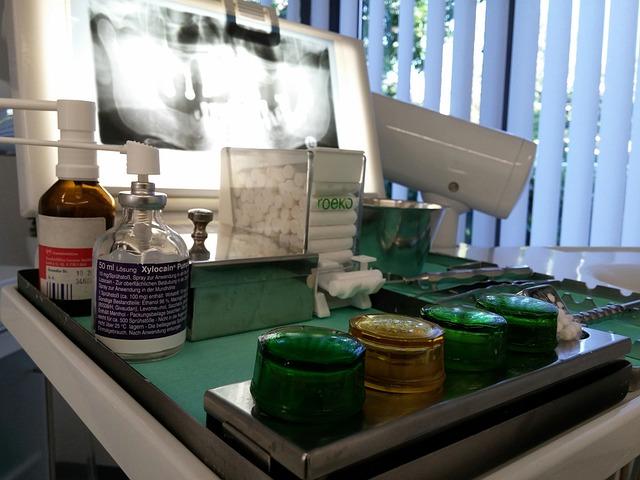
Average Cost to Pull Wisdom Teeth: Dental Expenses Explained!
Have you been putting off getting your wisdom teeth removed because you’re worried about the cost? Well, fear not! In this article, we break down the average cost to pull wisdom teeth to help you navigate the world of dental expenses. From extractions to anesthesia, we’ll cover it all so you can make an informed decision about your oral health. Let’s dive in and demystify the costs associated with this common dental procedure!
Contents
- Understanding the Average Cost of Wisdom Teeth Removal
- Factors Affecting the Cost of Wisdom Teeth Extraction
- Insurance Coverage for Wisdom Teeth Removal
- Tips for Managing Dental Expenses for Wisdom Teeth Removal
- Comparing Costs of Oral Surgeons vs. Dentists for Wisdom Teeth Removal
- Exploring Payment Plans and Financing Options for Wisdom Teeth Extraction
- Potential Additional Costs to Consider for Wisdom Teeth Removal
- Common Post-Extraction Expenses for Wisdom Teeth Removal
- Cost-Effective Alternatives to Traditional Wisdom Teeth Removal Methods
- Navigating the Financial Aspects of Wisdom Teeth Removal: Expert Recommendations
- In Conclusion
Understanding the Average Cost of Wisdom Teeth Removal
Wisdom teeth removal is a common dental procedure that many people undergo at some point in their lives. However, the cost of having your wisdom teeth removed can vary depending on several factors. It’s important to understand the average cost of wisdom teeth removal so that you can better prepare for this expense.
Factors that can impact the cost of wisdom teeth removal include the complexity of the extraction, the number of teeth being removed, the type of anesthesia used, and your location. On average, the cost of pulling wisdom teeth can range from **$75 to $200 per tooth**. This means that if you need to have all four wisdom teeth removed, you could be looking at a total cost of **$300 to $800**.
| Factor | Average Cost |
|---|---|
| Number of Teeth | $75 – $200 per tooth |
| Type of Anesthesia | $0 – $500 |
| Location | $300 – $1,500 |
It’s important to note that these are just average costs and your actual expenses may vary. To get a more accurate estimate, it’s best to consult with your dentist or oral surgeon. Many dental insurance plans can help cover a portion of the cost of wisdom teeth removal, so be sure to check your coverage before scheduling the procedure.

Factors Affecting the Cost of Wisdom Teeth Extraction
can vary greatly depending on several key considerations. One of the main factors contributing to the cost is the complexity of the extraction procedure itself. This includes factors such as the position of the wisdom teeth, whether they are impacted or fully erupted, and whether there are any complications such as infection or damage to surrounding teeth or nerves.
Another significant factor that can influence the cost of wisdom teeth extraction is the location of the dental practice. Dental fees can vary significantly depending on the region, with urban areas typically having higher costs than rural areas. Additionally, the experience and expertise of the dentist performing the extraction can also impact the cost, as more experienced dentists may command higher fees for their services.
Insurance coverage can also play a major role in determining the out-of-pocket cost of wisdom teeth extraction. Some insurance plans may cover a portion of the cost, while others may require the patient to pay the full amount upfront. It’s important for patients to check with their insurance provider to understand what is covered and what their financial responsibility will be for the procedure.
Overall, the cost of wisdom teeth extraction can range from a few hundred to a few thousand dollars, depending on these various factors. Patients should consult with their dentist to discuss the specifics of their case and obtain a personalized cost estimate before proceeding with the procedure.
Insurance Coverage for Wisdom Teeth Removal
Having your wisdom teeth removed can be a daunting experience, but understanding your insurance coverage can help ease some of the financial burden. Most dental insurance plans provide coverage for wisdom teeth removal, but the amount covered can vary depending on your plan. It’s important to check with your insurance provider to find out what is covered and what out-of-pocket expenses you may be responsible for.
Typically, will include the cost of the extraction procedure itself, as well as any necessary sedation or anesthesia. However, additional services like X-rays, consultations, or post-operative care may not always be fully covered by insurance. Be sure to review your plan details carefully to understand what is included in your coverage.
If you are unsure about your , consider contacting your insurance provider for more information. They can help you understand your benefits and any potential costs you may incur. Remember, it’s important to prioritize your oral health and not let financial concerns prevent you from getting the care you need.
Tips for Managing Dental Expenses for Wisdom Teeth Removal
When it comes to removing wisdom teeth, the cost can vary depending on several factors. However, there are some tips you can follow to manage these expenses effectively:
- Shop around for quotes: Don’t settle for the first quote you receive. Visit multiple dentists or oral surgeons to compare prices.
- Ask about payment plans: Many dental offices offer payment plans or financing options to help spread out the cost of wisdom teeth removal.
- Check your insurance coverage: Make sure to review your dental insurance policy to see what portion of the procedure is covered. This can help reduce your out-of-pocket expenses.
| Tip: | Consider getting a second opinion if you are unsure about the necessity of removing your wisdom teeth. It’s always good to explore all options before committing to the procedure. |

Comparing Costs of Oral Surgeons vs. Dentists for Wisdom Teeth Removal
When it comes to wisdom teeth removal, the cost can vary depending on whether you see an oral surgeon or a dentist. While both professionals are qualified to perform the procedure, there are some differences in the expenses involved.
Oral Surgeons:
- Specialize in surgical procedures
- May be more expensive than dentists
- Offer expertise in complex cases
Dentists:
- Can perform simple extractions
- Usually charge less than oral surgeons
- May refer complex cases to oral surgeons
It’s essential to consult with both professionals to determine the best option for your specific needs and budget. Keep in mind that insurance coverage and additional services can also impact the overall cost of wisdom teeth removal.

Exploring Payment Plans and Financing Options for Wisdom Teeth Extraction
When it comes to wisdom teeth extraction, one of the main concerns for patients is the cost involved. The average cost of pulling wisdom teeth can vary depending on several factors such as the number of teeth being removed, the complexity of the extraction, and the location of the dental office. On average, the cost of a simple wisdom tooth extraction can range from $75 to $200 per tooth, while the cost of a surgical extraction can range from $225 to $600 per tooth.
For many people, paying for wisdom teeth extraction out-of-pocket can be a financial burden. Luckily, there are payment plans and financing options available to help make the procedure more affordable. Some options to explore include:
- Dental Insurance: Check if your dental insurance covers wisdom teeth extraction. Some plans may cover a portion of the cost.
- Flexible Payment Plans: Many dental offices offer flexible payment plans that allow you to spread out the cost of the procedure over time.
- Healthcare Financing: Consider healthcare financing options such as CareCredit, which can help cover the cost of dental procedures.
Before scheduling your wisdom teeth extraction, it’s important to discuss payment options with your dentist. They can help you explore different financing options and choose the best plan that fits your budget. Remember, don’t let cost be a barrier to getting the dental care you need!

Potential Additional Costs to Consider for Wisdom Teeth Removal
may include:
- Anesthesia Fees: Depending on the type of anesthesia used during the procedure, you may incur additional fees. General anesthesia tends to be more expensive than local anesthesia.
- Prescription Medications: After the extraction, your dentist may prescribe pain medications or antibiotics to help with the healing process. These medications can add to the overall cost of the procedure.
- Post-Operative Care: You may need to purchase special mouthwashes, gauze, and other supplies to aid in your recovery at home. These items can add up, so it’s important to factor in these costs.
- Follow-Up Appointments: Your dentist may require you to come in for follow-up visits to monitor your healing progress. These appointments may come at an additional cost, so it’s important to budget for them as well.
When planning for wisdom teeth removal, it’s crucial to consider all potential additional costs to ensure you are financially prepared for the procedure. By calculating these expenses upfront, you can avoid any surprises and properly budget for the overall cost of pulling your wisdom teeth.
Common Post-Extraction Expenses for Wisdom Teeth Removal
So you’ve just had your wisdom teeth removed, and now you’re wondering about the cost. Let’s break it down for you! After the extraction procedure, there are several common expenses that you may encounter. Here are some of the most typical post-extraction costs:
- Pain Medication: You may need to purchase prescription pain medication to manage any discomfort after the procedure.
- Antibiotics: Your dentist may prescribe antibiotics to prevent infection, which can add to your overall expenses.
- Follow-Up Visits: It’s essential to attend follow-up visits to ensure proper healing and address any concerns, which may result in additional fees.
- Specialty Foods: Soft foods and liquids may be necessary during the initial recovery period, increasing your grocery bill.
It’s crucial to factor in these potential expenses when budgeting for wisdom teeth removal. Be sure to discuss any financial concerns with your dentist to explore cost-effective options and payment plans.

Cost-Effective Alternatives to Traditional Wisdom Teeth Removal Methods
When considering the average cost to pull wisdom teeth, it’s important to understand the various expenses involved in traditional wisdom teeth removal methods. Many patients are surprised by the high costs associated with this common dental procedure. However, there are that can help alleviate some of the financial burden.
One cost-effective alternative is seeking treatment at a dental school. Dental schools often offer discounted rates for procedures, including wisdom teeth extraction. While the procedure may be performed by a dental student under the supervision of a qualified dentist, the cost savings can be significant.
Another alternative is exploring dental insurance options that cover wisdom teeth removal. Many dental insurance plans offer coverage for oral surgery procedures, including wisdom teeth extraction. By utilizing dental insurance, patients can reduce out-of-pocket costs and make the procedure more affordable.
Finally, some dental clinics offer payment plans or financing options for patients undergoing wisdom teeth removal. These plans can help break up the cost of the procedure into manageable monthly payments, making it easier for patients to afford the treatment they need.
When it comes to getting your wisdom teeth removed, one of the biggest concerns for many people is the cost. Wisdom teeth removal can vary in price depending on a variety of factors, so it’s important to understand what to expect when it comes to dental expenses. Here are some expert recommendations on navigating the financial aspects of wisdom teeth removal.
First and foremost, it’s important to consult with your dentist or oral surgeon to get an accurate estimate of the cost to pull wisdom teeth. Factors that can affect the price include the complexity of the extraction, the number of teeth being removed, the need for sedation, and your location. On average, the cost to pull wisdom teeth can range from $75 to $200 per tooth for a simple extraction, and up to $600 or more per tooth for a surgical extraction.
It’s also important to check with your dental insurance provider to see what portion of the cost they will cover. Many dental insurance plans will cover a portion of the cost of wisdom teeth removal, especially if it is deemed medically necessary. Be sure to understand your insurance coverage and any potential out-of-pocket expenses before scheduling your procedure.
Additionally, some oral surgeons offer payment plans or financing options to help make wisdom teeth removal more affordable. This can be especially helpful for those who may not have dental insurance or who are concerned about the upfront cost of the procedure. Be sure to inquire about these options when discussing the cost of wisdom teeth removal with your oral surgeon.
In Conclusion
In conclusion, understanding the average cost to pull wisdom teeth can help you navigate the dental expenses associated with this common procedure. Remember, factors like location, insurance coverage, and the complexity of the surgery can all impact the final cost. By researching and comparing prices, you can make an informed decision about your dental care. To ensure a smooth experience, always consult with your dentist about any concerns or questions you may have. Take control of your oral health and budget wisely. Your smile is worth it!
Get our latest guides, news, and insights highlighted in your Google Search & AI Overviews.