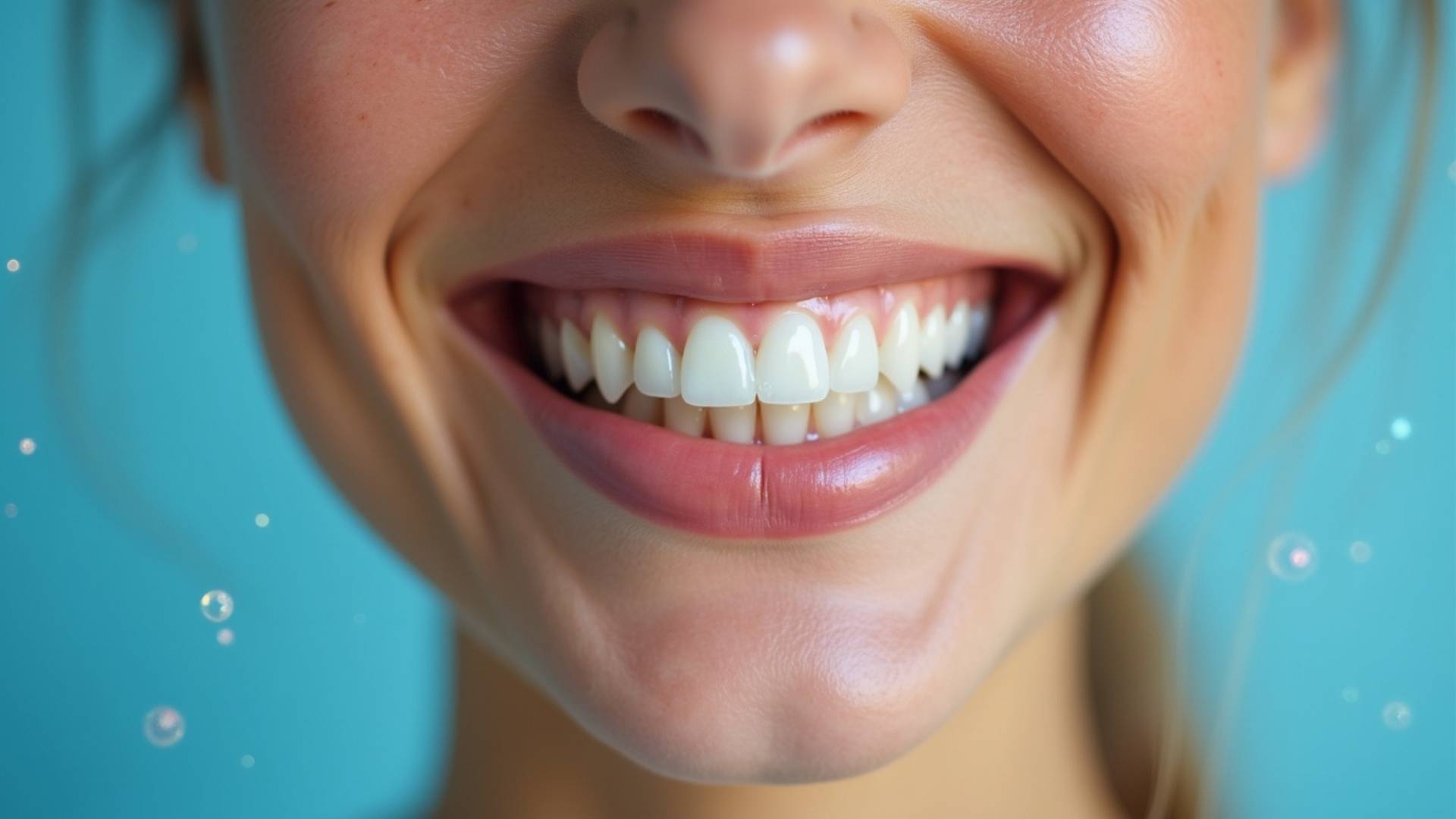
Rinse Mouth After Wisdom Teeth Removal: How to Properly Cleanse
Wisdom teeth removal is a common dental procedure that can leave us feeling groggy, sore, and unsure of how to properly care for our mouths post-surgery. One important step in the recovery process is rinsing your mouth to prevent infection and promote healing. In this article, we will delve into the essential tips and techniques on how to properly cleanse your mouth after wisdom teeth removal. So sit back, relax, and let’s learn how to keep your oral health in top shape!
Contents
- Why it’s Important to Rinse Your Mouth After Wisdom Teeth Removal
- Understanding the Purpose of Rinsing After Wisdom Teeth Extraction
- Step-by-Step Guide on How to Properly Rinse Your Mouth
- Properly Rinsing Your Mouth After Wisdom Teeth Removal
- The Best Solutions for Rinsing After Wisdom Teeth Removal
- Tips for a Gentle and Effective Mouth Rinse Post-Surgery
- Avoiding Common Mistakes When Rinsing After Wisdom Teeth Removal
- How Often Should You Rinse Your Mouth After Wisdom Teeth Extraction?
- Signs of Infection: When to Consult Your Dentist After Rinsing
- Importance of Following Your Dentist’s Instructions for Mouth Rinsing
- Mouth Rinse Alternatives for Those Sensitive to Commercial Products
- Key Takeaways
Why it’s Important to Rinse Your Mouth After Wisdom Teeth Removal
After wisdom teeth removal, it is crucial to properly rinse your mouth to prevent infection and promote healing. Rinsing your mouth can help remove any food particles or bacteria that may have accumulated in the extraction sites, reducing the risk of complications such as dry socket.
How to properly cleanse your mouth after wisdom teeth removal:
- Use a gentle saltwater rinse: Mix 1 teaspoon of salt in a glass of warm water and gently swish it around your mouth for 30 seconds. This can help reduce inflammation and kill bacteria.
- Avoid vigorous rinsing: Be careful not to swish too forcefully, as this can disrupt the blood clot that forms in the extraction site, leading to complications.
- Stay hydrated: Drink plenty of water to help flush out any debris and keep your mouth clean.
| Benefit | Description |
|---|---|
| Promotes healing | Rinsing your mouth helps keep the extraction sites clean, reducing the risk of infection. |
| Prevents dry socket | Proper cleansing can help prevent the painful condition known as dry socket. |
By following these simple steps and incorporating rinsing into your post-wisdom teeth removal care routine, you can ensure a smooth and successful recovery process.

Understanding the Purpose of Rinsing After Wisdom Teeth Extraction
After undergoing wisdom teeth extraction, it is essential to understand the purpose of rinsing your mouth to promote proper healing and prevent infection. Rinsing helps to clean the surgical site, reduce swelling, and remove any food particles or debris that may be present.
Here are some tips on how to properly cleanse your mouth after wisdom teeth removal:
- Use a gentle, non-alcoholic mouthwash recommended by your dentist or oral surgeon.
- Mix warm water with salt to create a saline solution, which can help reduce inflammation and prevent infection.
- Be careful not to rinse too vigorously, as this can disturb the blood clot that forms in the socket and lead to dry socket.
Remember to follow your dentist’s post-operative instructions carefully to ensure a smooth and speedy recovery. Proper rinsing is a crucial step in the healing process after wisdom teeth extraction.

Step-by-Step Guide on How to Properly Rinse Your Mouth
Properly Rinsing Your Mouth After Wisdom Teeth Removal
After undergoing the procedure of wisdom teeth removal, proper mouth rinsing is crucial to promote healing and avoid infection. Follow these steps to ensure you are cleansing your mouth effectively:
- Begin by gently rinsing your mouth with warm salt water. Mix a teaspoon of salt in a cup of warm water and swish it around in your mouth for about 30 seconds to help disinfect the area.
- Next, use a prescribed antimicrobial mouthwash recommended by your dentist or oral surgeon. This will further kill any bacteria and promote healing in the surgical sites.
- Be sure to rinse with the mouthwash for the recommended amount of time, typically around 30 seconds to a minute, before spitting it out.
Remember, it is important to be gentle while rinsing your mouth to avoid disrupting the healing process. Follow these steps multiple times a day, especially after meals, to keep your mouth clean and promote a speedy recovery after wisdom teeth removal.
The Best Solutions for Rinsing After Wisdom Teeth Removal
After having your wisdom teeth removed, it is crucial to properly rinse your mouth to prevent infection and promote healing. Here are some of :
- Saltwater Rinse: Mix a teaspoon of salt in a glass of warm water and gently swish it around your mouth. Saltwater helps to reduce inflammation and kill bacteria.
- Antiseptic Mouthwash: Use an antiseptic mouthwash recommended by your dentist to help disinfect your mouth and prevent infection.
- Warm Water Rinse: Rinse your mouth with warm water to help remove any food particles and debris from the extraction site.
It is important to rinse your mouth gently to avoid disturbing the blood clot that forms in the extraction site. Make sure to follow your dentist’s instructions on how often to rinse and what solutions to use for the best results.

Tips for a Gentle and Effective Mouth Rinse Post-Surgery
After wisdom teeth removal, it is crucial to maintain good oral hygiene to prevent infection and promote healing. One of the key ways to do this is by regularly rinsing your mouth with a gentle and effective mouthwash. Follow these tips to properly cleanse your mouth post-surgery:
- Choose the right mouthwash: Opt for an alcohol-free mouthwash to avoid stinging or irritating your sensitive gums. Look for a gentle formula that is specifically designed for post-surgery oral care.
- Use lukewarm water: Dilute your mouthwash with lukewarm water to make it gentler on your mouth and more comfortable to rinse with. Avoid using hot or cold water, as extreme temperatures can cause discomfort.
- Be gentle: After rinsing, avoid spitting forcefully or rinsing too vigorously, as this can disrupt the healing process and lead to bleeding. Instead, gently let the mouthwash flow out of your mouth.
By following these tips, you can ensure that your mouth rinse post-surgery is both gentle and effective in promoting optimal healing and oral health.

Avoiding Common Mistakes When Rinsing After Wisdom Teeth Removal
After wisdom teeth removal, it is crucial to properly rinse your mouth to prevent infection and promote healing. Here are some common mistakes to avoid when rinsing after this procedure:
- Using harsh mouthwash: Avoid using alcohol-based mouthwash as it can be too harsh for your sensitive gums. Opt for a gentle saline solution or prescribed mouthwash from your dentist instead.
- Rinsing too vigorously: Be gentle when rinsing your mouth to avoid dislodging blood clots or causing irritation. Use a gentle swishing motion to cleanse the area without causing harm.
- Not following your dentist’s instructions: Make sure to follow your dentist’s specific instructions for rinsing after wisdom teeth removal. They may recommend a certain frequency or type of rinse to promote healing.
- Skipping rinsing altogether: It may be tempting to skip rinsing, especially if you are experiencing discomfort. However, proper cleansing is essential for preventing infection and promoting healing.

How Often Should You Rinse Your Mouth After Wisdom Teeth Extraction?
After undergoing wisdom teeth extraction, it is crucial to properly cleanse your mouth to prevent infections and promote healing. One of the key questions that often arise post-surgery is how often should you rinse your mouth. While the frequency may vary depending on your specific case and the instructions given by your dentist, there are some general guidelines to follow.
It is recommended to rinse your mouth with a saltwater solution or a prescribed mouthwash after meals and before bed. This will help to keep the extraction site clean and free of food particles that can lead to infection. **Remember to be gentle while rinsing to avoid disrupting the healing process.** Additionally, maintaining good oral hygiene by brushing your teeth gently and flossing regularly is essential to prevent any complications.
Over-rinsing can potentially disturb the blood clot that forms in the socket, leading to a painful condition known as dry socket. **Avoid rinsing too vigorously or too frequently, as this can impede the healing process.** If you experience excessive bleeding, persistent pain, or any other concerning symptoms, be sure to contact your dentist immediately for further guidance.
In summary, proper mouth rinsing after wisdom teeth extraction is crucial for optimal healing. Following your dentist’s instructions and maintaining good oral hygiene practices will help ensure a smooth recovery process. Remember to be gentle, consistent, and attentive to any changes in your oral health.
Signs of Infection: When to Consult Your Dentist After Rinsing
After undergoing wisdom teeth removal, it is crucial to properly cleanse your mouth to prevent infection and promote healing. Rinsing your mouth is an essential step in the post-operative care process. However, it is important to be aware of the signs of infection and know when to consult your dentist.
Signs of Infection:
- Persistent pain or discomfort that worsens over time.
- Swelling that does not improve or gets worse.
- Fever or chills.
- Pus or discharge from the extraction site.
- Difficulty opening your mouth or swallowing.
If you experience any of these symptoms after rinsing your mouth following wisdom teeth removal, it is crucial to consult your dentist immediately. Ignoring signs of infection can lead to complications and delay the healing process.

Importance of Following Your Dentist’s Instructions for Mouth Rinsing
Proper mouth rinsing after wisdom teeth removal is crucial for a smooth recovery process. Following your dentist’s instructions for mouth rinsing can help prevent infections and promote healing. It is important to understand the significance of this step and ensure you are following the correct techniques.
One of the main reasons for rinsing your mouth after wisdom teeth removal is to keep the extraction site clean and free from bacteria. Mouth rinsing helps remove food particles and debris that may accumulate in the area, reducing the risk of infection. Your dentist will provide you with a specific mouthwash solution to use, which may contain antibacterial properties to further aid in the healing process.
Here are some key tips to properly rinse your mouth after wisdom teeth removal:
- Start rinsing your mouth gently 24 hours after the extraction procedure.
- Use the prescribed mouthwash solution provided by your dentist.
- Rinse your mouth for the recommended duration as instructed by your dentist.
- Be gentle while rinsing to avoid disrupting the extraction site.
| Tip: | Do not rinse your mouth vigorously to avoid dislodging blood clots. |

Mouth Rinse Alternatives for Those Sensitive to Commercial Products
For those who are sensitive to commercial mouth rinse products, there are several alternatives that can still effectively cleanse the mouth and promote healing after wisdom teeth removal. These alternatives are natural, gentle, and free of harsh chemicals, making them ideal for individuals with sensitive gums or allergies to certain ingredients.
One alternative to commercial mouth rinse products is salt water rinse. Simply mix a teaspoon of salt in a glass of warm water and swish it around in your mouth for about 30 seconds. Salt water rinse helps to reduce inflammation, prevent infection, and promote healing. It is a gentle and effective option for cleansing the mouth after wisdom teeth removal.
Another alternative is a homemade mouth rinse made with natural ingredients such as baking soda, essential oils, and aloe vera. Mix these ingredients together in water to create a soothing and cleansing mouth rinse. Baking soda helps to neutralize acids in the mouth, essential oils provide antimicrobial properties, and aloe vera soothes irritation and promotes healing.
Remember, it’s essential to properly cleanse your mouth after wisdom teeth removal to prevent infection and promote healing. These natural alternatives to commercial mouth rinse products offer a gentle and effective way to keep your mouth clean and healthy during the healing process.
Key Takeaways
In conclusion, proper oral care after wisdom teeth removal is crucial for a smooth recovery process. Remember to rinse your mouth with saltwater or a prescribed mouthwash to help reduce swelling, prevent infection, and promote healing. Follow your dentist’s instructions closely, stay hydrated, and avoid strenuous activities. By taking these simple steps, you can ensure a speedier and more comfortable recovery after your wisdom teeth extraction. Remember, a clean mouth leads to a healthy smile!