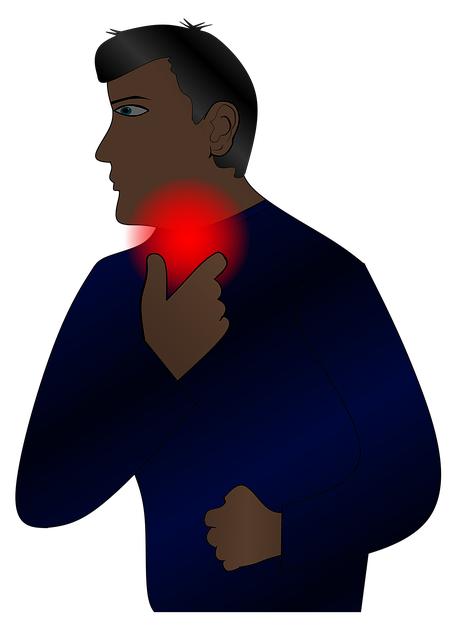
Lymph Node Swelling After Wisdom Teeth Removal: What’s Normal?
Many of us are familiar with the discomfort and swelling that can follow a wisdom teeth removal, but what happens when that swelling extends beyond the mouth? Lymph node swelling after wisdom teeth removal is a common concern, but how do we know what’s normal and when it’s time to seek medical attention? Let’s delve into the facts to understand more about this post-procedure phenomenon.
Contents
- Possible Headings:
- Recognizing Normal Lymph Node Swelling Post-Op
- Understanding the Relationship Between Wisdom Teeth Removal and Swollen Lymph Nodes
- Tips for Managing Lymph Node Swelling After Wisdom Teeth Extraction
- When to Seek Medical Attention for Swollen Lymph Nodes Following Oral Surgery
- Factors that Influence Lymph Node Swelling After Wisdom Teeth Removal
- Preventative Measures to Minimize Lymph Node Enlargement After Dental Surgery
- The Role of Lymph Nodes in the Healing Process After Wisdom Teeth Extraction
- Common Misconceptions About Lymph Node Swelling After Dental Procedures
- Consulting with Your Healthcare Provider About Post-Operative Lymph Node Concerns
- The Conclusion
Possible Headings:
When it comes to recovering from wisdom teeth removal, it’s common to experience some swelling in the lymph nodes. But how do you know what’s normal and when you should be concerned?
<p>Here are some possible scenarios you may encounter:</p>


<ul>

    <li><strong>Normal Swelling:</strong> It's normal for the lymph nodes near your jaw to become swollen after wisdom teeth removal. This is the body's natural response to the trauma of the surgery.</li>

    <li><strong>Persistent Swelling:</strong> If the swelling in your lymph nodes persists for more than a week or gets worse over time, it's important to contact your oral surgeon for further evaluation.</li>

    <li><strong>No Swelling:</strong> On the other hand, if you don't experience any swelling in your lymph nodes after wisdom teeth removal, it's also normal. Everyone's healing process is unique.</li>

</ul>


<p>Remember, if you have any concerns about the swelling in your lymph nodes after wisdom teeth removal, don't hesitate to reach out to your oral surgeon for guidance.</p>

Recognizing Normal Lymph Node Swelling Post-Op
After undergoing wisdom teeth removal surgery, it’s common for patients to experience some swelling in the lymph nodes in their neck. This is a normal response by the body to the trauma of surgery and is typically not a cause for concern. However, it’s important to be able to distinguish between normal post-operative swelling and any signs of infection or complications.
Here are some key points to help you recognize normal lymph node swelling post-op:
- Location: The lymph nodes in your neck may be swollen and tender to the touch after surgery.
- Size: Normal lymph node swelling should not be excessively large or rapidly increasing in size.
- Duration: The swelling should start to decrease within a few days after surgery and continue to improve over the following weeks.
| Signs of Infection | Normal Swelling |
|---|---|
| Fever | No fever |
| Increasing pain and redness | Mild tenderness |
| Purulent discharge | No discharge |
If you notice any concerning symptoms such as persistent fever, worsening pain, or discharge from the surgical site, it’s important to contact your oral surgeon or healthcare provider for further evaluation and treatment.
Understanding the Relationship Between Wisdom Teeth Removal and Swollen Lymph Nodes
Swollen lymph nodes are a common occurrence after wisdom teeth removal, but how do you know what’s normal and when to be concerned? can help alleviate any fears or concerns you may have post-surgery.
After undergoing wisdom teeth removal, it is not uncommon for the lymph nodes in the jaw and neck area to become swollen. This is a natural response by the body to the trauma of the surgery. Generally, lymph node swelling should subside within a week or two as the body heals.
Things to keep in mind:
- Swelling should gradually decrease over time
- Pain or discomfort in the lymph node area is normal
- If the swelling persists or worsens after a few weeks, consult your dentist or surgeon
| Normal | Concerning |
|---|---|
| Gradually decreasing swelling | Swelling that persists or worsens after a few weeks |
| Pain or discomfort in the lymph node area | Fever or excessive pain |

Tips for Managing Lymph Node Swelling After Wisdom Teeth Extraction
Dealing with lymph node swelling after wisdom teeth removal can be uncomfortable, but it’s important to know what’s normal and how to manage it effectively. Here are some tips to help you through this common post-procedure issue:
- Apply Cold Compress: Using a cold compress on the outside of your cheek near the swelling can help reduce inflammation and pain.
- Stay Hydrated: Drinking plenty of water can help flush out toxins and reduce swelling in the lymph nodes.
- Practice Good Oral Hygiene: Keeping your mouth clean and free of infection can prevent further swelling in the lymph nodes.
- Take Pain Medication as Recommended: If the swelling is causing significant discomfort, speak to your dentist about taking over-the-counter pain medication.
Remember, some degree of lymph node swelling is normal after wisdom teeth extraction as your body heals. However, if you experience excessive swelling, severe pain, or any other concerning symptoms, be sure to contact your dentist or oral surgeon for further evaluation and guidance.
When to Seek Medical Attention for Swollen Lymph Nodes Following Oral Surgery
Swollen lymph nodes are a common occurrence following oral surgery, such as wisdom teeth removal. While some degree of swelling is normal and expected as the body heals, there are certain signs that indicate you should seek medical attention. It’s important to be aware of these signs to ensure you receive the appropriate care and treatment.
If you experience any of the following symptoms, it’s best to consult with your healthcare provider:
- Severe or increasing pain in the swollen area
- Redness and warmth around the affected lymph nodes
- Persistent fever or chills
- Pain or difficulty swallowing
Remember, your healthcare provider is there to help you navigate any concerns or complications that may arise following oral surgery. Don’t hesitate to reach out if you have any doubts or worries about your healing process.

Factors that Influence Lymph Node Swelling After Wisdom Teeth Removal
It’s not uncommon to experience lymph node swelling after wisdom teeth removal, but understanding the factors that influence this swelling can help put your mind at ease. While some swelling is normal during the healing process, there are certain factors that can contribute to more significant swelling.
Factors to consider:
- Infection: An infection in the extraction site can lead to inflammation in the surrounding lymph nodes.
- Immune response: Your body’s immune response to the surgery can cause lymph nodes to swell as they work to fight off any potential infections.
- Surgical technique: The complexity of the surgery and how traumatic it was can also affect the extent of lymph node swelling.
It’s essential to keep an eye on any swelling and consult your dentist or oral surgeon if you’re concerned about the severity or duration of the swelling. Remember, everyone’s healing process is unique, so what’s normal for one person may not be the same for another.

Preventative Measures to Minimize Lymph Node Enlargement After Dental Surgery
After undergoing dental surgery, it is not uncommon for patients to experience swelling in the lymph nodes, especially after wisdom teeth removal. While some degree of lymph node enlargement is normal as the body responds to the trauma of the surgery, there are preventative measures that can help minimize this swelling.
Here are some tips to help reduce lymph node enlargement after dental surgery:
- Proper oral hygiene: Keeping your mouth clean by gently brushing and rinsing with salt water can help prevent infection and reduce inflammation in the lymph nodes.
- Follow post-operative care instructions: It is important to follow your dentist’s instructions on how to care for your surgical site to prevent complications that could lead to lymph node swelling.
- Stay hydrated: Drinking plenty of water can help flush out toxins and reduce inflammation in the body, including in the lymph nodes.
If you notice persistent or severe swelling in your lymph nodes after dental surgery, it is important to consult your dentist for further evaluation and treatment.

The Role of Lymph Nodes in the Healing Process After Wisdom Teeth Extraction
After wisdom teeth extraction, it is common for patients to experience swelling in the lymph nodes around the jaw and neck area. This is a natural part of the healing process as the body works to repair the tissue and fight off any potential infections. However, it is important to understand what is considered normal swelling and when it may be a cause for concern.
Normal lymph node swelling after wisdom teeth removal typically resolves within a week or two as the body recovers from the surgical procedure. The lymph nodes may feel slightly tender to the touch and appear slightly enlarged, but this is to be expected as the body responds to the trauma of surgery. It is important to monitor the swelling and consult with your dentist or oral surgeon if you have any concerns about excessive or prolonged swelling.
In some cases, persistent or severe swelling of the lymph nodes after wisdom teeth removal may indicate an infection or other complication. Signs that the swelling may be abnormal include:
- Severe pain or discomfort in the lymph node area.
- Redness or warmth in the skin over the affected lymph node.
- Pus or discharge from the surgical site.
If you experience any of these symptoms, it is important to seek medical attention promptly to prevent any potential complications. Remember, while some swelling in the lymph nodes is normal after wisdom teeth extraction, it is always best to err on the side of caution and consult with your healthcare provider if you have any concerns.
Common Misconceptions About Lymph Node Swelling After Dental Procedures
It’s not uncommon to experience lymph node swelling after undergoing dental procedures, particularly wisdom teeth removal. This swelling can be a cause for concern for many patients, leading to misconceptions about what is considered normal in this situation. Let’s clear up some of the common misconceptions surrounding lymph node swelling after dental procedures:
- **Misconception 1:** Lymph node swelling after wisdom teeth removal always indicates an infection
- **Misconception 2:** Lymph node swelling should go away immediately after the dental procedure
- **Misconception 3:** Lymph node swelling is always a cause for alarm
It’s important to remember that some degree of lymph node swelling is normal after dental procedures, as it is a natural immune response to the trauma your body has undergone. However, if the swelling is severe, persistent, accompanied by other symptoms such as fever or difficulty swallowing, it’s always best to consult with your dentist or oral surgeon to rule out any potential issues.

Consulting with Your Healthcare Provider About Post-Operative Lymph Node Concerns
It’s not uncommon to experience some swelling in the lymph nodes following wisdom teeth removal. While it can be alarming, in most cases, it’s a normal part of the healing process. However, it’s essential to consult with your healthcare provider if you have any concerns about the swelling. Here are some key points to consider when discussing post-operative lymph node concerns with your provider:
- Timing: Make sure to mention when you first noticed the swelling and if it has been increasing or staying the same.
- Pain: Describe the level of discomfort associated with the swollen lymph nodes, as this can help your provider determine the cause.
- Associated symptoms: Mention any other symptoms you may be experiencing, such as fever, sore throat, or difficulty swallowing.
Remember, your healthcare provider is there to help address any concerns you may have. Open communication and sharing specific details about your symptoms can aid in determining the best course of action for your post-operative care.
The Conclusion
In conclusion, it’s common to experience lymph node swelling after wisdom teeth removal due to the body’s natural response to surgery. However, if the swelling is severe or persists for more than a few weeks, it’s important to consult with your healthcare provider to rule out any potential complications. Remember to follow post-operative instructions carefully, keep the area clean, and practice good oral hygiene to promote healing. Ultimately, trust your instincts and seek medical advice if you have any concerns. Your body knows best!