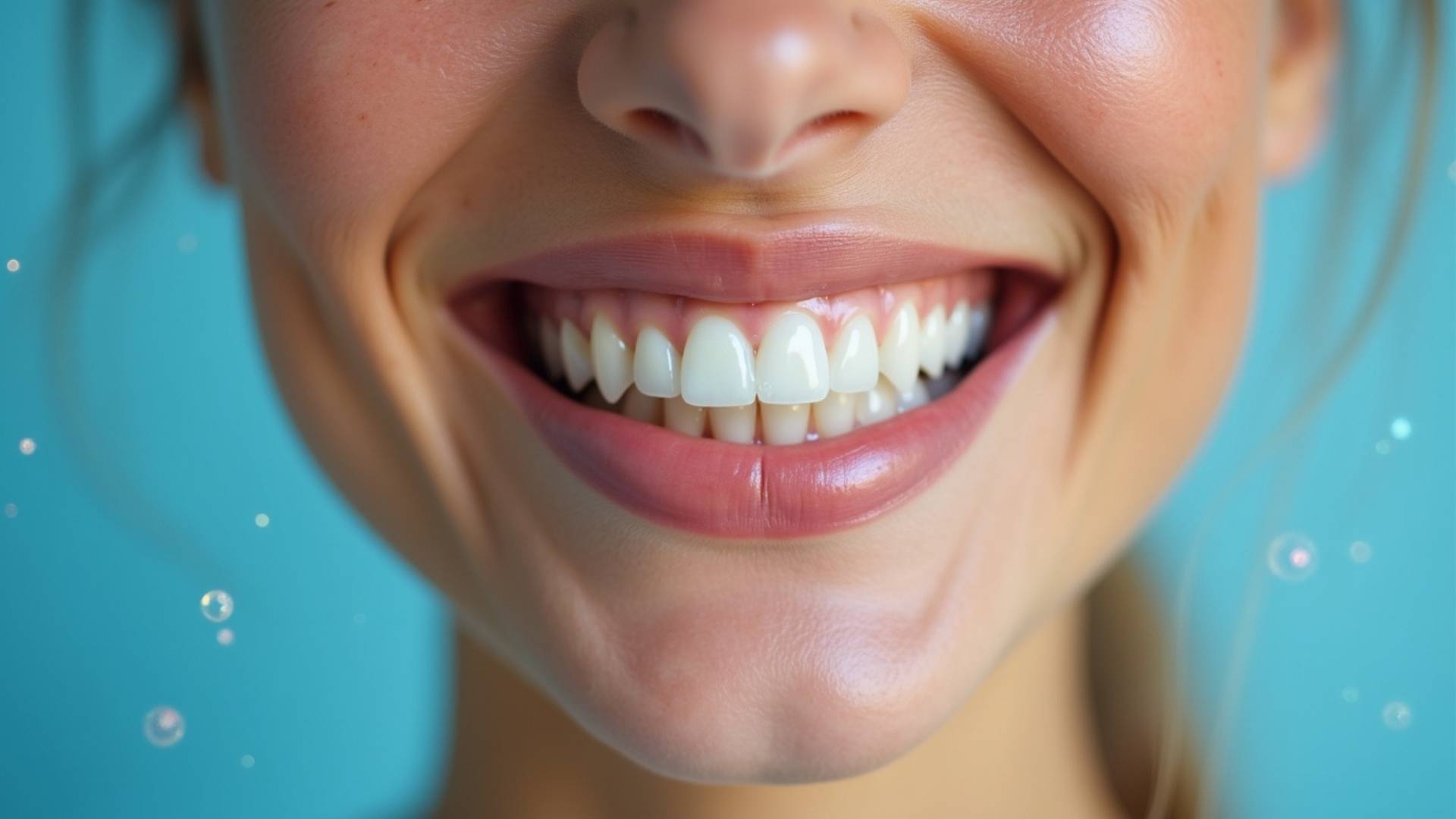
Gums Loose After Wisdom Teeth Removal: Causes and Remedies
If you’ve recently had your wisdom teeth removed and are now experiencing loose gums, you’re not alone. This common occurrence can be alarming but fear not, we’re here to shed light on the causes and provide effective remedies. Get ready to learn everything you need to know to keep your gums healthy and happy post-surgery.
Contents
- Possible List of Headings:
- – Understanding the causes of loose gums after wisdom teeth removal
- Possible Causes of Loose Gums After Wisdom Teeth Removal:
- Remedies for Loose Gums:
- – Importance of proper post-operative care for gum health
- – Remedies to tighten and strengthen loose gums
- – The role of nutrition in promoting gum healing
- Gums Loose After Wisdom Teeth Removal: Causes and Remedies
- – How to prevent gum recession following wisdom teeth removal
- – The benefits of incorporating mouth exercises into your oral care routine
- The benefits of incorporating mouth exercises into your oral care routine
- – Consulting with your dentist for personalized advice and treatment options
- – Exploring natural remedies and supplements for improving gum health
- – Incorporating regular dental cleanings to maintain gum health
- – Long-term strategies for preventing gum issues after wisdom teeth removal
- The Way Forward
Possible List of Headings:
Experiencing loose gums after wisdom teeth removal can be a common side effect that many people face. There are several reasons why this may occur, but the good news is that there are remedies to help alleviate this issue. Let’s explore some possible headings to provide clarity on this topic:
- Understanding the Impact of Wisdom Teeth Removal on Gums
- Possible Causes of Gums Loosening After Wisdom Teeth Extraction
- Effective Remedies to Address Loose Gums Post-Surgery
- Tips for Preventing and Managing Gum Issues Following Wisdom Teeth Removal
By delving into these headings, you can gain a better understanding of why your gums may be feeling loose after undergoing wisdom teeth extraction. From the impact of the surgery on your gums to practical remedies for relief, knowing how to address this issue can make your recovery smoother and more comfortable.

– Understanding the causes of loose gums after wisdom teeth removal
After undergoing wisdom teeth removal, it is common for some patients to experience loose gums as they heal. This can be a cause for concern, but it is important to understand the potential reasons behind this issue and how to address it effectively.
Possible Causes of Loose Gums After Wisdom Teeth Removal:
- Inflammation: The surgical procedure itself can lead to inflammation in the gum tissue, causing them to feel loose temporarily.
- Improper Care: Not following post-operative care instructions, such as proper oral hygiene practices or avoiding certain foods, can also contribute to gum looseness.
- Underlying Infection: In some cases, an infection may develop in the surgical site, leading to gum inflammation and potential looseness.
Remedies for Loose Gums:
- Follow Post-Op Instructions: Be sure to adhere to all care guidelines provided by your oral surgeon to promote proper healing and reduce gum looseness.
- Oral Hygiene: Gently brush and floss your teeth as recommended to keep the surgical site clean and prevent infection.
- Warm Salt Water Rinse: Rinse your mouth with a warm salt water solution to help reduce inflammation and promote healing.
- Consult Your Dentist: If you are concerned about persistent gum looseness or other symptoms, it is important to contact your dentist for further evaluation and treatment.

– Importance of proper post-operative care for gum health
Proper post-operative care for gum health is crucial, especially after wisdom teeth removal. Failure to take care of your gums after the procedure can lead to complications such as infection, delayed healing, and even gum recession. To ensure your gums stay healthy and recover properly, it’s important to follow a few key steps:
- Practice good oral hygiene: Brush your teeth gently with a soft-bristled toothbrush and rinse with a saltwater solution to keep your mouth clean.
- Avoid smoking: Smoking can impair healing and increase the risk of infection, so it’s best to avoid tobacco products during the recovery period.
- Eat soft foods: Stick to a soft diet to avoid putting strain on your gums, and avoid hard or crunchy foods that could irritate the surgical site.
By following these guidelines and taking care of your gums properly, you can help ensure a smooth recovery process after wisdom teeth removal and maintain good oral health in the long run.

– Remedies to tighten and strengthen loose gums
One common issue many individuals face after wisdom teeth removal is experiencing loose gums. This can be a result of the surgical procedure itself, as well as the healing process that follows. However, there are remedies available to help tighten and strengthen your gums for optimal oral health.
One effective remedy is to maintain good oral hygiene practices, such as brushing and flossing regularly. This will help to remove any bacteria or food particles that could be causing inflammation and looseness in your gums. Additionally, using a gentle mouthwash can help to disinfect and soothe your gums.
Another remedy is to incorporate foods that are high in vitamins and minerals that promote gum health. Foods such as leafy greens, citrus fruits, and nuts are great options to help strengthen your gums from the inside out. Drinking plenty of water is also important for overall oral health and can help to keep your gums hydrated and firm.
For those looking for a more immediate solution, there are over-the-counter products available that can help to tighten and strengthen loose gums. Products such as gum gels or strips can provide a quick fix for temporary relief. However, it’s important to consult with your dentist before using any new products to ensure they are safe and effective for your specific situation.
– The role of nutrition in promoting gum healing
Gums Loose After Wisdom Teeth Removal: Causes and Remedies
Proper nutrition plays a crucial role in promoting gum healing after wisdom teeth removal. Ensuring you have the right balance of nutrients can help speed up the recovery process and reduce the risk of complications. Here are some key nutrients and their benefits for gum healing:
- Vitamin C: Helps with collagen production and wound healing.
- Zinc: Supports immune function and tissue repair.
- Protein: Essential for tissue regeneration and overall healing.
- Omega-3 fatty acids: Help reduce inflammation and promote healing.
It’s important to incorporate these nutrients into your diet through foods such as citrus fruits, nuts, lean meats, and fatty fish. Additionally, staying hydrated is crucial for maintaining good oral health and supporting the healing process.
| Nutrient | Food Sources |
|---|---|
| Vitamin C | Oranges, strawberries, kiwi |
| Zinc | Red meat, poultry, nuts |
| Protein | Chicken, fish, beans |
| Omega-3 fatty acids | Salmon, walnuts, flaxseeds |

– How to prevent gum recession following wisdom teeth removal
After having your wisdom teeth removed, it is common to experience some gum recession. This can be caused by a variety of factors, such as the trauma of the extraction procedure or changes in the alignment of your teeth. However, there are steps you can take to prevent further gum recession and promote healing.
Here are some tips to prevent gum recession following wisdom teeth removal:
- Practice good oral hygiene by brushing and flossing regularly to keep the area clean and free of bacteria.
- Avoid smoking or using tobacco products, as these can inhibit healing and increase the risk of gum recession.
- Use a soft-bristled toothbrush and gentle brushing technique to reduce irritation to the gums.
- Consider using a mouthwash recommended by your dentist to promote healing and reduce inflammation.
If you notice significant gum recession or ongoing discomfort after your wisdom teeth removal, be sure to consult with your dentist or oral surgeon for further evaluation and treatment options. Remember, taking care of your oral health is essential for preventing complications and promoting overall well-being.

– The benefits of incorporating mouth exercises into your oral care routine
The benefits of incorporating mouth exercises into your oral care routine
After getting your wisdom teeth removed, you may experience some looseness in your gums. This can be uncomfortable and concerning, but incorporating mouth exercises into your oral care routine can help alleviate this issue. Here are some benefits of incorporating mouth exercises:
- Strengthens gums: Mouth exercises can help strengthen the muscles in your gums, reducing looseness and promoting overall gum health.
- Improves circulation: By engaging in mouth exercises, you can improve blood flow to your gums, aiding in healing and reducing inflammation.
- Enhances jaw mobility: Mouth exercises can help improve jaw mobility, reducing stiffness and discomfort in the jaw area.
- Promotes oral hygiene: Incorporating mouth exercises into your oral care routine can complement brushing and flossing, promoting better oral health overall.
By incorporating these mouth exercises into your daily routine, you can help alleviate gum looseness after wisdom teeth removal and promote better oral health in the long run.

– Consulting with your dentist for personalized advice and treatment options
Loose gums following the removal of wisdom teeth can be a common concern for many patients. It is essential to consult with your dentist for personalized advice and treatment options to address this issue effectively.
Causes of loose gums after wisdom teeth removal can vary, but some common reasons include:
– Trauma to the surrounding tissue during the extraction process
– Infection at the extraction site
– Improper healing or poor oral hygiene post-surgery
– Existing gum disease or periodontal issues
To remedy loose gums after wisdom teeth removal, your dentist may recommend the following:
– Gentle brushing and flossing techniques to promote healing
– Antibacterial mouthwash to prevent infection
– Follow-up appointments for monitoring and further treatment if necessary
– Possible referral to a periodontist for more specialized care
Remember, every patient’s situation is unique, so it’s crucial to seek individualized guidance from your dentist. Don’t hesitate to reach out for support and take proactive steps to maintain your oral health post-wisdom teeth removal.
– Exploring natural remedies and supplements for improving gum health
After undergoing wisdom teeth removal, it is common for patients to experience loose gums in the affected area. This can be concerning but is usually a normal part of the healing process. Understanding the causes of loose gums after wisdom teeth removal can help you take the necessary steps to promote gum health and speed up the healing.
Causes of loose gums after wisdom teeth removal:
- Swelling and inflammation: The surgical extraction of wisdom teeth can lead to swelling and inflammation in the surrounding gum tissues, causing them to feel loose.
- Impacted teeth: If the wisdom teeth were impacted, the surrounding gums may have been stretched or damaged during the extraction process, leading to looseness.
- Poor oral hygiene: Neglecting proper oral care during the recovery period can result in gum infections or delayed healing, contributing to loose gums.
Remedies for loose gums after wisdom teeth removal:
- Follow post-operative care instructions: It is essential to follow your dentist’s post-operative care instructions to ensure proper healing and prevent complications.
- Practice good oral hygiene: Gently brush your teeth with a soft-bristled toothbrush and rinse your mouth with saltwater to keep the extraction site clean and promote healing.
- Use natural remedies: Applying a cold compress to the affected area can help reduce swelling and inflammation, while rinsing with aloe vera or chamomile tea can soothe the gums and promote healing.

– Incorporating regular dental cleanings to maintain gum health
Regular dental cleanings are essential for maintaining gum health, especially after undergoing wisdom teeth removal. These cleanings help remove plaque and tartar buildup, which can contribute to gum disease and inflammation. By incorporating regular dental cleanings into your oral hygiene routine, you can prevent gum issues and keep your mouth healthy.
During a dental cleaning, a dental hygienist will use special tools to remove plaque and tartar from your teeth and gums. This process helps reduce the risk of gum disease and keeps your gums healthy. Additionally, regular cleanings can help identify any issues early on before they become more serious.
In addition to regular cleanings, it’s important to practice good oral hygiene at home. This includes brushing your teeth twice a day, flossing daily, and using an antiseptic mouth rinse to help kill bacteria. By taking care of your oral health, you can prevent gum issues and keep your smile looking its best.
Remember, prevention is key when it comes to maintaining gum health. By incorporating regular dental cleanings into your routine and practicing good oral hygiene, you can keep your gums healthy and avoid complications down the road. Trust in your dentist to help guide you in the right direction for optimal gum health.
– Long-term strategies for preventing gum issues after wisdom teeth removal
One common issue that many people experience after having their wisdom teeth removed is loose gums. This can be a concerning problem, as it may lead to further gum issues if not properly addressed. There are several factors that can contribute to loose gums after wisdom teeth removal, including poor oral hygiene, bacterial infections, and improper wound healing.
To prevent gum issues after wisdom teeth removal in the long term, it is crucial to follow some strategies that can help maintain healthy gums. These strategies include:
– **Proper oral hygiene**: Brushing and flossing regularly can help prevent plaque buildup and bacteria growth, which can contribute to gum issues.
– **Regular dental check-ups**: Visiting your dentist regularly for check-ups and cleanings can help detect any potential gum issues early on.
– **Avoiding smoking**: Smoking can impair wound healing and increase the risk of gum issues after wisdom teeth removal.
– **Maintaining a balanced diet**: Eating a diet rich in vitamins and minerals can promote gum health and aid in the healing process.
By following these long-term strategies, you can help prevent gum issues and maintain good oral health after having your wisdom teeth removed. Remember that it is important to consult with your dentist if you experience any persistent gum problems or discomfort.
The Way Forward
In conclusion, experiencing loose gums after wisdom teeth removal is a common occurrence that can be caused by factors such as inflammation, infection, or poor oral hygiene. However, by following proper post-operative care instructions, maintaining good oral hygiene, and seeking professional dental advice if necessary, you can help alleviate symptoms and promote healing. Remember, it’s important to be mindful of any changes in your oral health and consult with your dentist if you have any concerns. By taking proactive steps, you can ensure a smooth recovery process and maintain a healthy smile. Stay informed, stay aware, and take care of your oral health. Your gums will thank you!